


























The British crime procedural has become its own kind of cultural shorthand. It suggests a certain mood, a pace, a particular way of looking at the world. When a new one like Lynley arrives, it steps into a well-established tradition. This series, a new adaptation of Elizabeth George’s novels, understands the field perfectly. It sets its scene with a contemporary feel but a classic structure, centering on a seemingly mismatched pair of detectives.
The show finds its footing by focusing on character and patient, methodical police work. We are introduced to DI Thomas Lynley, an Oxford-educated aristocrat whose title makes him a curiosity in the police force.
His partner is DS Barbara Havers, a sharp, practical detective from a working-class background. Their differing perspectives on life and the job create an immediate friction. This tension becomes the axis around which the entire series turns, suggesting their eventual strength will be found in how they bridge that gap.
An Unlikely Alliance in Modern Britain
The dynamic between the two leads is the real subject here, a thoughtful examination of how class and background shape perception in modern Britain. Lynley’s character is shaped by his refined upbringing, a fact that makes him an anomaly among his colleagues. His status is a constant presence, subtly affecting his interactions with everyone he meets.
It’s not just in his accent or his tailored suits; it’s in his bearing, his assumptions, and the quiet confidence that comes from a life of privilege. The series wisely portrays his intellect as a quiet competence, steering clear of making him an arrogant nobleman. He is an outsider because of his privilege, not in spite of it.
This status can be a tool, allowing him to navigate the worlds of the wealthy suspects with an insider’s ease, but it also creates a barrier with both his coworkers and the working-class individuals he interviews. He is perpetually underestimated by those who see the title before the detective.
In contrast, DS Havers is defined by her pragmatism and an almost allergic reaction to pretense. Her no-nonsense attitude and sharp instincts come from a different world, one where results matter more than appearances. We learn she has a reputation for being a difficult partner, a detail the show cleverly reframes as a consequence of her high standards and deep dedication.
She has no patience for office politics or for partners who cannot keep up with her relentless drive. Her initial skepticism toward Lynley is palpable and entirely earned from her perspective. He represents a system of inherited advantage she has had to fight against her entire career. Their relationship begins with the expected friction of class and culture, a sort of “upstairs, downstairs” power negotiation played out over crime scene tape.
Yet, it quickly deepens. The evolution is gradual, built through small moments: a grudgingly conceded point during a case briefing, an exchanged look of mutual understanding over a witness’s lie, the slow erosion of assumptions. They move past simple banter to a foundation of mutual professional respect. They learn to value each other’s skills, forming a team that works because of their differences, not by erasing them. This partnership becomes the emotional center of the story.
The Quiet Craft of Police Work
I’ve always appreciated stories that take their time, that let ideas and characters breathe. It’s a preference that has drawn me to European and independent cinema, where narrative is often allowed to unfold at a more human pace. Lynley adopts this philosophy with its structure of four feature-length episodes.
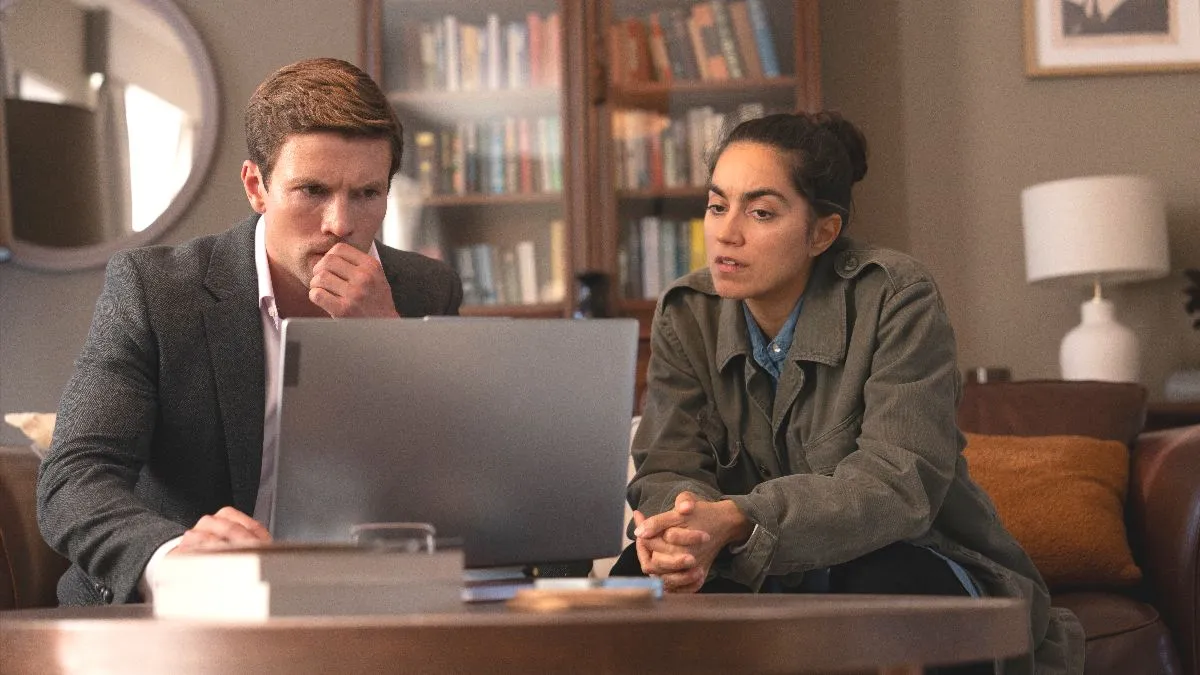
The ninety-minute runtime for each case allows for an unhurried investigation, a stark contrast to the frenetic pace of many American procedurals that seem to solve capital crimes between commercial breaks. Here, character moments are woven directly into the fabric of the plot, never feeling like a distraction. An interview might reveal a key clue, but it also reveals something essential about Havers’s empathy or Lynley’s analytical mind.
This extended format supports complex mysteries that unfold with a satisfying deliberateness. The show is committed to a grounded depiction of police work, finding its drama in the process itself. There are no sudden psychic flashes or convenient technological shortcuts. The focus remains on skill, persistence, and a sharp eye for detail. We see the detectives chasing down dead ends, sifting through mundane paperwork, and re-interviewing reluctant witnesses.
There is a genuine pleasure in watching intelligent people methodically piece together clues and untangle complicated motives. It’s a celebration of competence that feels deeply reassuring. The cases themselves are well-constructed, with enough twists to remain engaging.
Suspects and their reasons for acting are often not what they seem, rewarding an attentive viewer who is paying attention to the small inconsistencies. The writing provides solid “whodunit” scenarios that will please anyone fond of the genre, but it also takes the time to explore the human cost of the crimes, giving weight to the victims and their shattered lives.
The Faces of the Law
A character-focused drama lives or dies by its performances, and the cast here is excellent. The success of the central pairing rests on the nuanced work of its leads. Leo Suter gives DI Thomas Lynley a layered intelligence. He effectively conveys the internal conflicts of a man caught between two worlds, projecting a quiet authority that feels earned.
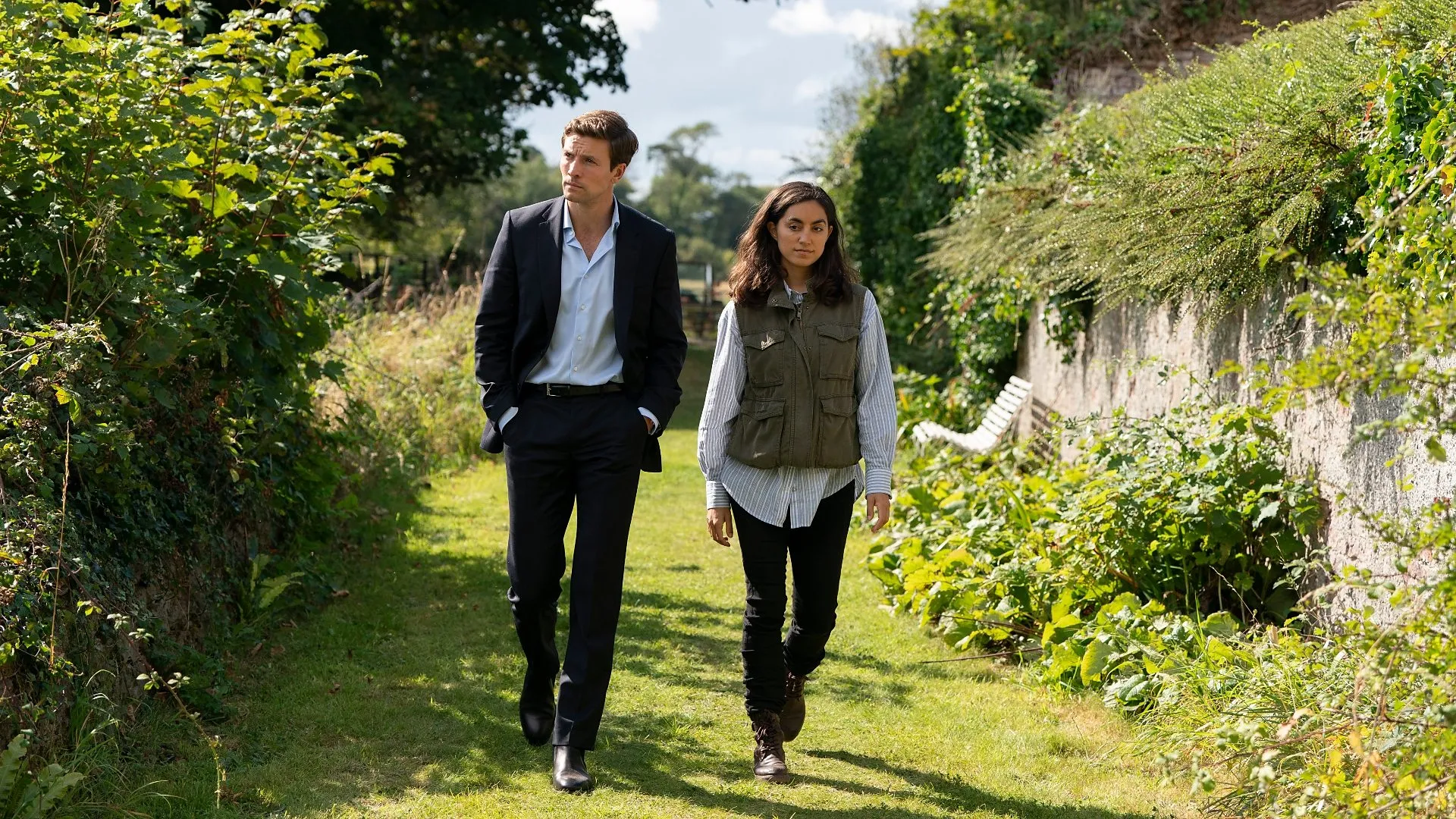
His physicality is key; his upright posture and calm demeanor speak to his aristocratic background, but there is a watchfulness in his eyes that reveals the sharp detective beneath. His chemistry with his co-star is what makes the central relationship believable. Sofia Barclay is equally strong as DS Barbara Havers. She portrays Havers with a mix of toughness and vulnerability that feels entirely authentic.
Through small expressions and precise delivery, she grounds the character in a lived-in reality. You see the gears turning behind her eyes as she assesses a crime scene, and you feel her frustration and her flashes of insight. Their partnership feels real because of the work these two actors do; they build a rapport that is cautious, sometimes contentious, but always compelling.
The supporting cast adds further texture. Daniel Mays plays DCI Brian Nies, their superior. Mays elevates the “gruff boss” archetype, creating a character who is both an obstacle for Lynley and a grudging admirer of his results. He infuses the role with moments of dry wit and unexpected fairness, making Nies a believable figure of authority rather than a simple antagonist. His presence adds a necessary external pressure that shapes the main duo’s bond, forcing them to justify their unconventional methods.
Gritty Comfort: The Show’s Unique Texture
The show’s aesthetic feels both raw and personal, a deliberate choice that sets it apart. The filming style often places the viewer right there with the detectives, using intimate camera work that makes us feel like a silent partner in their investigation. This approach, favoring realism over slickness, helps build the show’s specific tone.

The color palette is muted, reflecting the often-dreary reality of their work, but it never feels bleak. It is a serious crime drama that also contains a surprising warmth, a quality that reminds me of settling in with a well-worn detective novel on a rainy afternoon. This blend of the familiar and the fresh makes the series very watchable.
The drama is intelligent without feeling cold, and soothing without being simplistic. This “gritty comfort” might seem like a contradiction, but it stems from the core of the show: the satisfaction of watching competent, dedicated people impose order on chaos through sheer diligence. It is the methodical process, the belief that the truth can be found if one looks hard enough, that is so reassuring.
The first four episodes do a fine job of establishing this world and its inhabitants, leaving a clear desire for more stories. Rich character histories are hinted at, suggesting layers of grief and past experience yet to be explored, particularly concerning Lynley’s family and Havers’s personal life. This provides fertile ground for future seasons, promising a deeper look at the people at the center of the investigations.
Lynley, a four-part crime drama and a new adaptation of Elizabeth George’s novels, premiered on Thursday, September 4, 2025, on the BritBox streaming service in the U.S. and Canada. It was also acquired by the BBC for airing in the UK. The series was commissioned as a BritBox Original and exclusive, with episodes scheduled for weekly release.
Full Credits
Director: Edward Bazalgette, Stewart Svaasand, Richard Laxton, Robert Young, Kim Flitcroft
Writers: Steve Thompson, Lizzie Mickery, Simon Block, Valerie Windsor, Elizabeth George
Producers and Executive Producers: Colin Callender, Suzanne McAuley, Caroline Monaghan, David A. Stern, Steve Thompson, Robert Schildhouse, Stephen Nye, Jon Farrar, Jess O’Riordan, Kate Woods, Sue Deeks, Elizabeth George
Cast: Leo Suter, Sofia Barclay, Daniel Mays, Niamh Walsh, Michael Workeye, Joshua Sher, Adrian Wheeler, Nisha K. Nayar, Rosalyn Wright, Amanda Drew, Tom Forbes, Nadia Parkes, Tobie Donovan, Sonny Poon Tip, Jack Archer, Eloise Thomas, Fiona Browne, Nicolo Pasetti, Gillian Saker, Helene Wilson, Mark Field, Katherine Moran, Fionn Walton, Eleanor O’Brien, Bernadette Carty, Tom Andrews, Sophie Harkness, Tom Leavey, Oliver Wellington, Dominick Walsh, Robin Lines, Brad Alexander
Director of Photography (Cinematographer): Peter Robertson
Editors: Catherine Creed, Helen Murphy, Mike Mendez, Max Crandall, Phil Davis, Robert James Ashe, Andrew Kasch, Shylo Alcayaga, Edrianne Luna, Jan Rey Pielago, Jay Farnie, Haley Gansert
The Review
Lynley
Lynley succeeds by honoring the traditions of the British procedural while grounding its story in a brilliantly realized central partnership. The series is a rewarding watch for its intelligent plotting, patient pacing, and fantastic lead performances from Leo Suter and Sofia Barclay. It finds its strength in the quiet details of detective work and the subtle evolution of its characters' relationship. While its deliberate pace may not suit all viewers, it is a superior, character-driven entry in the crime genre that feels both classic and fresh.
PROS
- A compelling and well-developed central partnership between the two lead characters.
- Strong, nuanced performances from Leo Suter and Sofia Barclay.
- Intelligent, well-constructed mysteries that avoid easy solutions.
- Patient, methodical pacing that allows for deep character and plot development.
- A grounded and realistic approach to police work.
CONS
- The deliberate, unhurried pacing might be too slow for viewers accustomed to faster-moving procedurals.
- The series works within a very familiar genre structure, offering few major surprises to the format itself.