
























![Kingdom Hearts Collection [I-III] Review](https://gazettely.com/wp-content/uploads/2026/10/Kingdom-Hearts-Collection-I-III-1-360x180.webp "Kingdom Hearts Collection [I-III] Review: KHII Holds Steady as Newer Entries Fluctuate 37")




Following its work on the Silent Hill 2 remake, developer Bloober Team has produced Cronos: The New Dawn, an original sci-fi survival horror title. The game places you in the heavy boots of the Traveler, a stoic investigator dispatched to the Polish city of New Dawn. The city has fallen to a grotesque plague, and your mission is to locate a missing comrade within its ruins.
This is a world defined by its grim, alternate-history Soviet setting, where mutated monstrosities stalk the streets. Your only advantages are your wits, your weapons, and a strange ability to manipulate time itself to piece together the city’s calamitous fate. The experience establishes a bleak, oppressive atmosphere from its opening moments.
A Fractured World, A Fading Mind
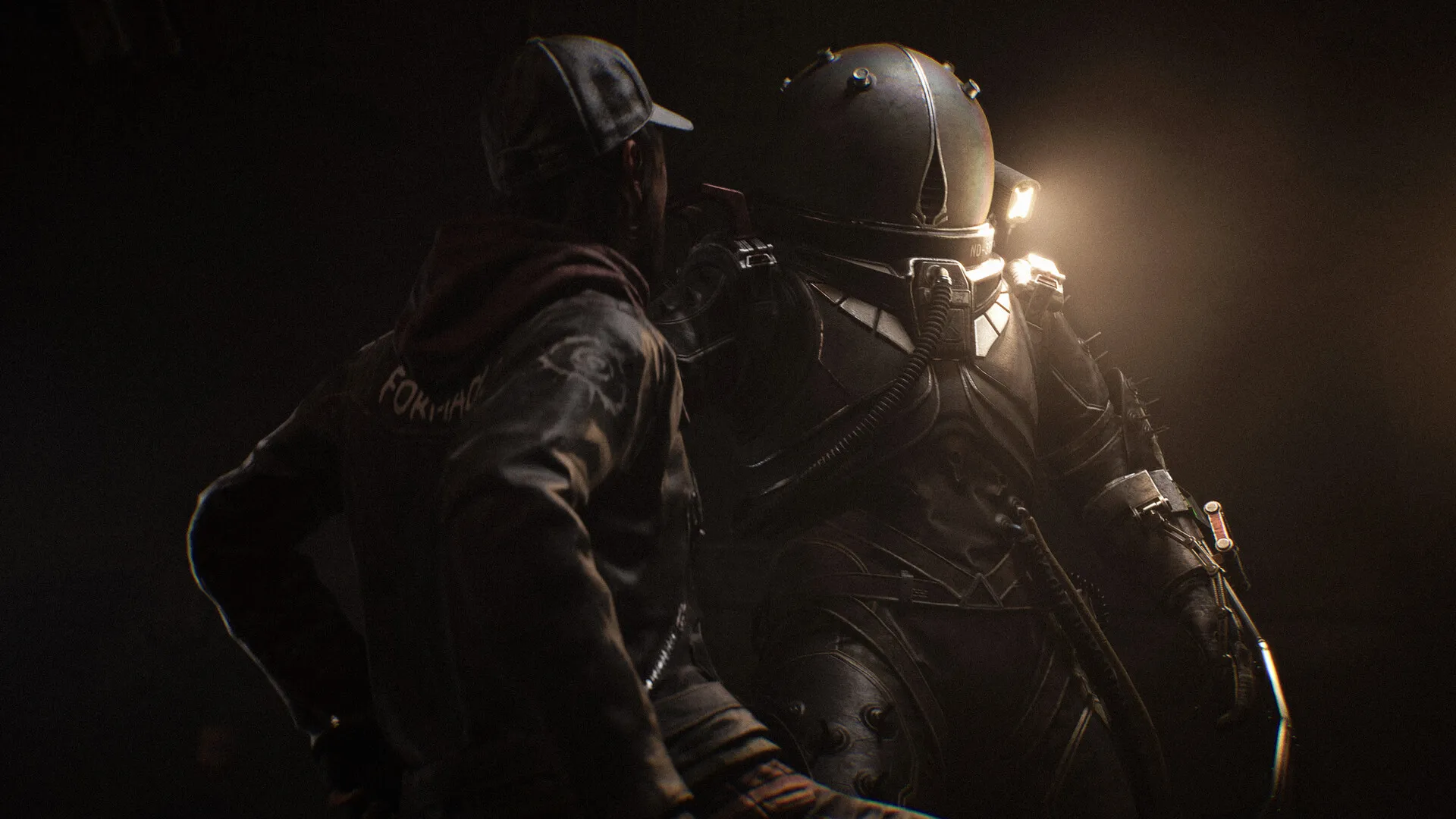
The Traveler is a deliberate enigma. Perpetually hidden behind a full-body suit and helmet, she offers little of herself, speaking only in reserved tones and repeating the solemn mantra, “Such is our calling.” This design choice makes her a vessel for the player’s experience inside the decaying city, a silent observer whose identity is secondary to the horrors of the world. Her true characterization comes from her psychological deterioration.
A core mechanic involves harvesting the “essence” of the dead through temporal rifts, and each collection frays her sanity. This system injects a potent strain of psychological horror, as the world begins to warp with nightmarish hallucinations, directly tying a gameplay action to the narrative’s mental decay. The faces of the dead flash across your screen, and their voices whisper in your ear, making you question the Traveler’s reliability as a protagonist.
The story is discovered, not told. It unfolds through these fractured glimpses into the past, supported by a world rich with audio logs, scattered notes, and environmental details. You will find diary entries detailing a family’s final days, or official communiques that reveal the government’s futile attempts to contain The Change.
The central mystery of the plague is slowly pieced together through these fragments, revealing themes of social responsibility versus individual freedom within the city’s collectivist society. This approach makes the world-building and lore feel more substantial than the immediate character-driven plot, which can feel thin at times.
The city of New Dawn itself, a retrofuturist vision of 1980s Poland, becomes the most developed character in the story. Its blend of stark, decaying brutalist architecture with flickering, failed futuristic technology creates a deeply moody and unforgettable setting. Every corner tells a story of a society that reached for a specific future and collapsed into a nightmare.
Exploring a Temporal Apocalypse
Movement through New Dawn is often dictated by your ability to interact with time. The Traveler can target certain objects to rewind their state, a power used exclusively for environmental puzzles. You will restore collapsed bridges to cross chasms or reactivate dormant machinery to open new paths.
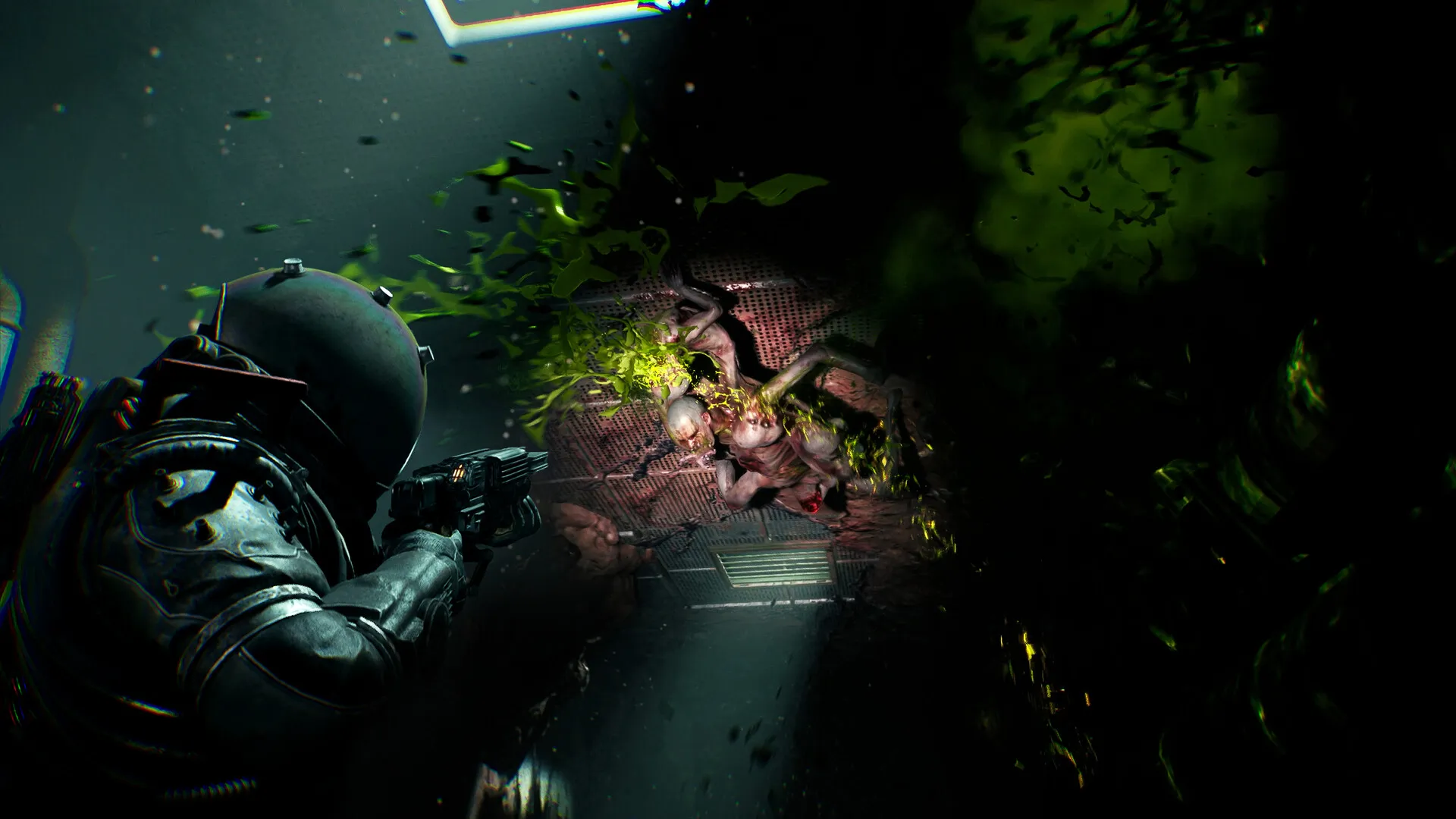
The act of restoring a massive, ruined structure with a wave of your hand offers a brief sense of power that contrasts sharply with your general vulnerability. The puzzles themselves are straightforward, rarely demanding more than careful observation to find the correct object to manipulate. Their main purpose is to gate progress and provide a thoughtful break from the constant tension of combat.
Its greatest weakness, however, is its complete separation from the rest of the game’s systems. The power to manipulate time has no application in a fight, a clear missed opportunity to add a dynamic layer to enemy encounters. You cannot rewind a charging enemy to regain positioning or reconstruct a piece of cover mid-battle.
This strict division makes the time power feel less like an integral part of your toolkit and more like a simple key for a specific lock. The game’s structure is built around several distinct, hauntingly crafted locations, from decaying apartment blocks to a classically menacing hospital. These areas are atmospheric and interesting to explore.
The momentum is sometimes stalled by sections that feel like padding. You may spend considerable time on a lengthy objective like finding multiple generator parts to restore power to a train line. These fetch-quest-style objectives feel like mechanical checklists that pull you out of the horror experience. Inching through repetitive, revolting biomass-covered corridors also serves to bloat the game’s 14-hour runtime without adding meaningful content.
The Core of Combat: The Merge
Combat in Cronos adheres to survival horror principles. Your movement is hefty and deliberate, reinforcing a constant sense of vulnerability with every step. Ammunition and healing items are scarce, pushing you to scavenge the environment and craft resources on the fly from scrap and chemicals. The central pillar of its combat design is the “Merge” system.
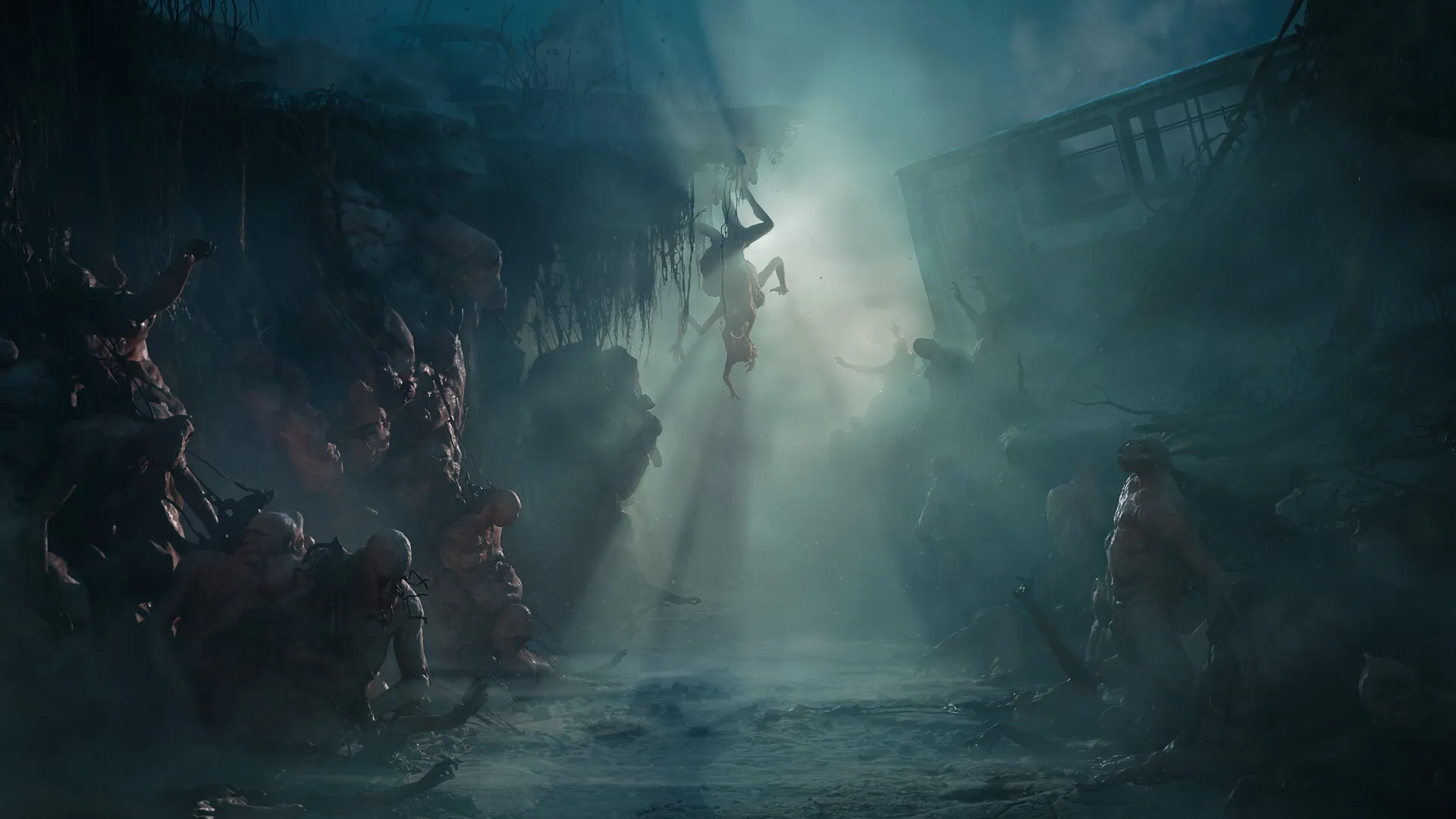
The monstrous enemies, called “orphans,” will attempt to absorb the corpses of their fallen allies. If they succeed, they transform into larger, more powerful mutants with enhanced abilities and greater durability. A simple creature might gain an acid-spitting attack, while a larger one becomes a hulking armored beast. This mechanic creates a frantic tactical challenge.
Every encounter forces you to prioritize targets, control the placement of bodies, and decide if it is worth spending a rare flamethrower canister to incinerate a corpse before it can be used as fuel for another monster. The panic that sets in when you fail to stop a merge and a towering new threat appears is palpable and one of the game’s most effective elements.
Your arsenal consists of sci-fi versions of a pistol, shotgun, and assault rifle, each with discoverable mods and variants. Many weapons feature a charged shot, offering higher damage at the cost of leaving you exposed for a critical moment. Mastering the timing of these shots while dodging lunging attacks is key to survival.
The gunplay feels solid, with satisfying feedback when a charged shot connects with a weak point. The orphans themselves are grotesque creatures with designs that evoke John Carpenter’s work. You will face everything from stretched fiends with whipping tentacle arms to towering brutes that absorb shotgun blasts, along with spider-like amalgamations of body parts that scurry along walls.
Different enemy types work together to create difficult scenarios, with smaller creatures attempting to flank you while larger ones apply pressure from the front. Where the combat falls short is in its lack of improvisational depth. Compared to a game like Dead Space, which provides players with tools like Stasis and Kinesis, Cronos feels more direct. Most situations are resolved by aiming for a head or a nearby explosive barrel, never quite inspiring more creative solutions beyond basic crowd control and target prioritization.
Evolving the Survivor
Character progression is handled through the “Essence” system. By harvesting the consciousness of certain characters found in the world, the Traveler gains access to permanent passive buffs. These perks might increase damage dealt to burning enemies or reduce the material cost for crafting ammunition. This system’s strength lies in the choices it forces upon you.
You can only have three essences active at once. To equip a new one, you must permanently sacrifice one of your currently equipped buffs. This decision is irreversible, forcing you to commit to a specific build and playstyle. You might be faced with a choice between keeping a reliable essence that provides a small ammo crafting bonus versus a new one that grants a large damage boost against a rare but deadly enemy type. The permanence of this choice gives it a genuine weight that is often missing from more flexible RPG systems.
This theme of difficult choices is reinforced by the game’s extremely limited inventory space. Managing your small grid of slots is a constant source of pressure and a core part of the survival experience. This is a deliberate design choice intended to create tension. You will frequently have to leave valuable resources behind to make room for a key item or a new weapon, forcing you to weigh the immediate value of a health kit against the long-term benefit of shotgun shells.
At times, this can lead to backtracking to a storage box to manage your loadout, which can be frustrating. The system’s internal logic is sometimes strange, such as when different firearm variants take up individual inventory slots even though they seem to be modifications of a single, shapeshifting weapon. This small detail can be an annoyance in a system that already demands so much from the player.
Sights and Sounds of a Dying World
Visually, Cronos presents a bleak and oppressive aesthetic. The art direction excels at creating a world that feels both lived-in and consumed by death. Environmental storytelling is everywhere, from rooms where a family’s final moments are laid out amidst scattered belongings, to makeshift barricades that tell the story of a failed last stand against the mutant horde.
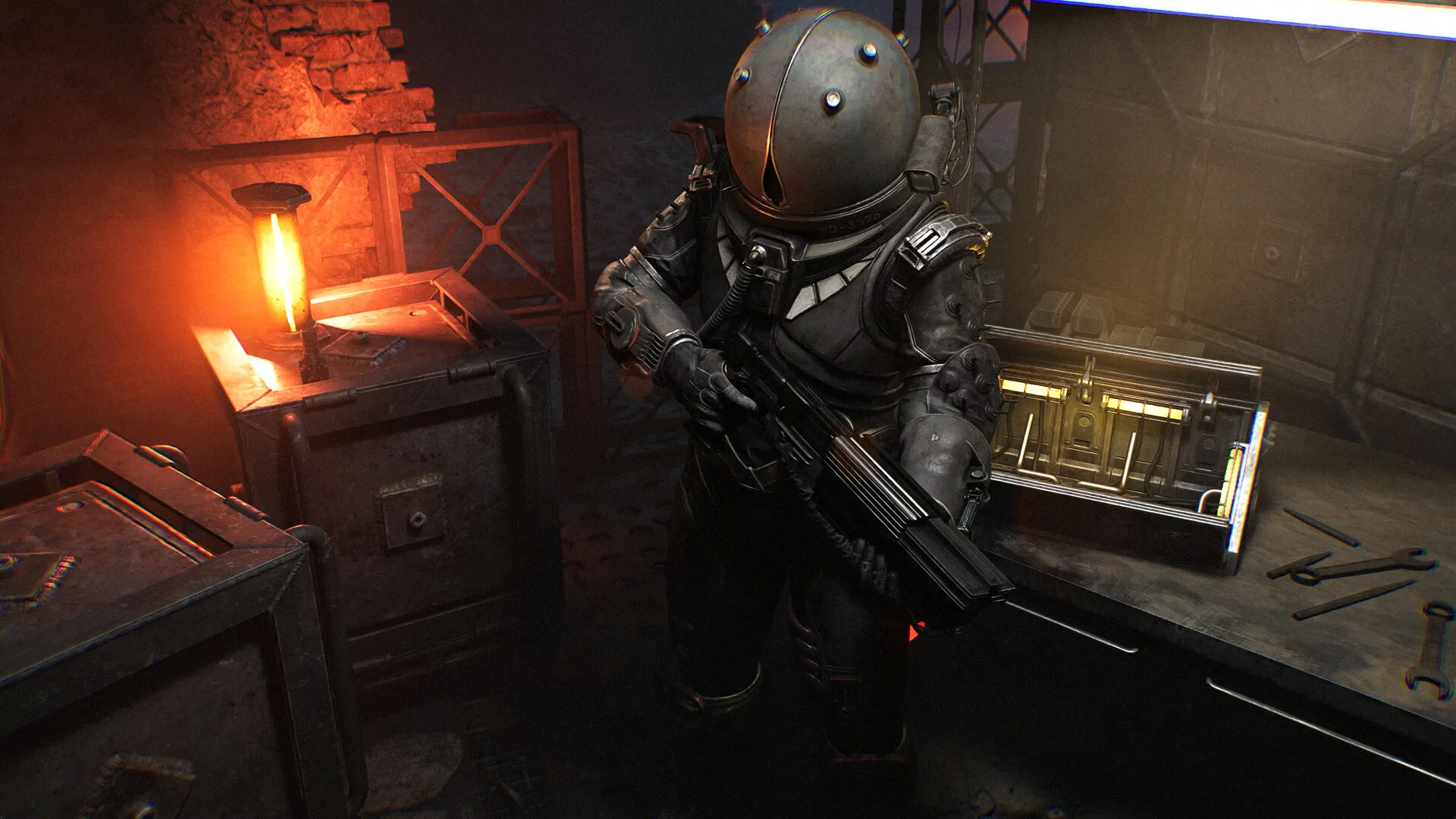
The creature designs are unsettling and grotesque, adding to the hostile atmosphere. The audio reinforces this tone effectively. The sound design keeps you on edge with the ambient groans of distant orphans, the creak of stressed metal, and the unnerving skittering of unseen things in the walls. When the action subsides, these sounds maintain a thick layer of tension. A synth-heavy soundtrack fits perfectly with the retrofuturist Soviet setting, kicking in during combat to amplify the intensity.
The horror it delivers is based more on stress than on dread. Encounters are tense struggles for survival where resource management is as important as good aim. The game relies more on jump scares from enemies bursting through walls than a slow-burn psychological unease. On the technical side, the experience can be hampered by minor issues.
Players may encounter problems with hit registration when stomping crates or shooting explosive barrels, which can be a point of frustration when ammunition is so scarce. A more significant problem is when the Traveler can occasionally get stuck on parts of the environment. Being forced to reload a save and repeat a difficult boss fight because of a movement bug is an unwelcome interruption that undermines the game’s carefully constructed atmosphere.
Final Thoughts
Cronos: The New Dawn successfully builds a fascinating sci-fi world with a powerful, moody atmosphere. Its combat is anchored by the excellent Merge system, which creates tense and tactical encounters. The game’s primary weaknesses are found in its uneven pacing and underdeveloped mechanics. The combat loop, while solid, lacks the creative depth of the games that inspired it.
The time-manipulation powers feel disconnected from the action, and filler quests interrupt the narrative flow. This is a respectable and often engaging survival horror game with strong ideas. It is a title that stands on its own, though it remains in the shadow of the genre’s greatest achievements.
The Review
Cronos: The New Dawn
Cronos: The New Dawn is an atmospheric dive into a bleak sci-fi world, with its "Merge" system creating genuinely tense combat. Its strengths are tempered by uneven pacing and mechanics that feel underdeveloped when compared to genre classics. This is a respectable survival horror title with a memorable setting that provides a solid, frightening experience, even if it never fully realizes its great potential.
PROS
- Excellent atmosphere and detailed world-building.
- The "Merge" system creates unique and tense combat encounters.
- Strong art direction and effective environmental storytelling.
- The "Essence" system provides meaningful, permanent character choices.
CONS
- Uneven pacing is hurt by filler quests and repetitive areas.
- Combat lacks the depth and creative options of its inspirations.
- The time-manipulation mechanic feels disconnected from the core gameplay loop.
- Minor technical issues and frustrating inventory logic.







