





























Basque filmmaking is commanding attention at this year’s San Sebastián Film Festival, where homegrown titles are anchoring competition and driving much of the week’s conversation. Festival materials list three locally backed works among the Spanish entries vying for the Golden Shell: José Mari Goenaga and Aitor Arregi’s Maspalomas, Asier Altuna’s Karmele, and Alauda Ruiz de Azúa’s Sundays (Los domingos). Industry reporting ahead of the premieres underscored the scale of that presence and the producer-driven strategies—long-term slates, regional financing, and talent pipelines—that brought it about.
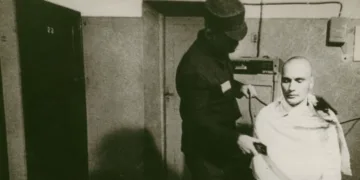
Maspalomas, from the Moriarti team behind Loreak and The Endless Trench, follows a 70-something man who returns to San Sebastián after years of freedom in the Canary Islands, only to face family rifts and the pressures of entering a care home; the film world-premiered in competition ahead of a Sept. 26 release in Spain. Early festival coverage highlights its portrait of queer aging and the fear of losing hard-won gains, a theme the directors link to real-life stories.
Karmele, set in the Basque Country and in exile across France and Venezuela, tracks a young woman whose life is reshaped by war, music, and a love story that spans decades. The festival synopsis points to Altuna’s focus on culture as resistance, with the production rooted in regional music traditions and period research.
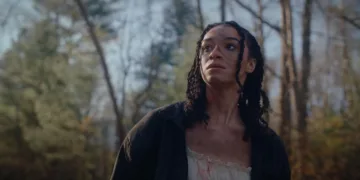
Sundays centers on a 17-year-old who announces she may enter a convent, detonating a family debate over faith and autonomy; Ruiz de Azúa’s second feature premiered in the Official Selection on Sept. 22. Local interviews frame it as a drama that invites reflection rather than confrontation, continuing the director’s interest in intimate domestic fault lines following her debut Cinco lobitos.
The cluster of Basque titles arrives amid a broader push by regional producers who have steadily leveraged public funds, tax incentives, and repeat collaborations with directors and crews. As the festival runs Sept. 19–27, the trio’s prominence—alongside additional Basque projects across sidebars—signals how a once-peripheral ecosystem has grown into a central pillar of the Spanish industry, with international sales and local box office ambitions aligned.