
























![Kingdom Hearts Collection [I-III] Review](https://gazettely.com/wp-content/uploads/2026/10/Kingdom-Hearts-Collection-I-III-1-360x180.webp "Kingdom Hearts Collection [I-III] Review: KHII Holds Steady as Newer Entries Fluctuate 37")



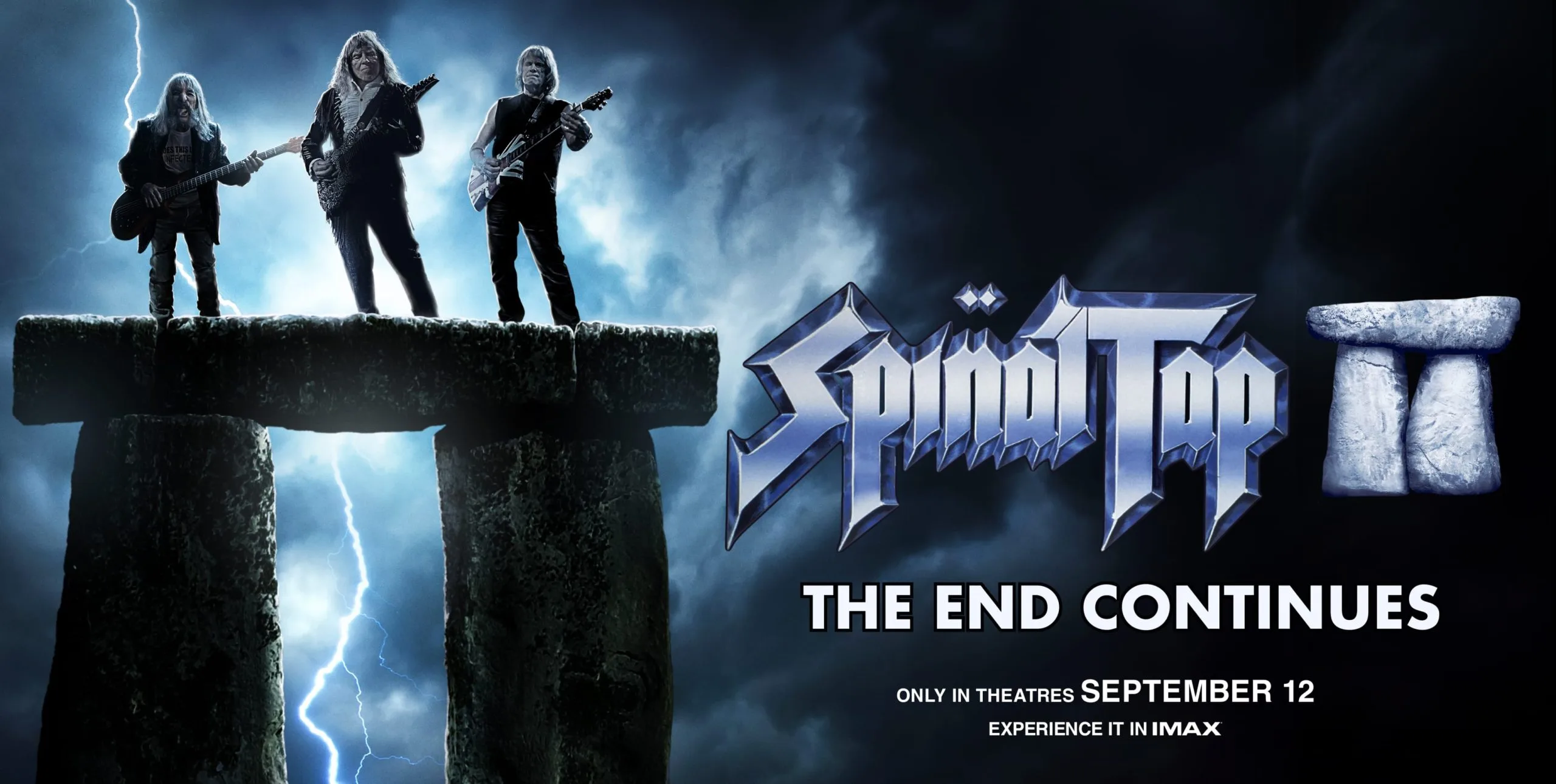

Four decades have passed since we first encountered the manufactured mythology of Spinal Tap, that peculiar mirror held to the grotesque theater of rock stardom. Now, in “Spinal Tap II: The End Continues,” we witness something far more unsettling than parody: the slow-motion collision between fictional decline and actual mortality.
Rob Reiner’s return to the mockumentary form feels less like artistic resurrection and more like archaeological excavation, unearthing characters who have aged beyond their original satirical purpose into something approaching genuine pathos.
The premise unfolds with the mechanical inevitability of a contractual obligation, which it quite literally is. David St. Hubbins now composes soundtracks for murder podcasts and low-budget horror films, his creative energies channeled into the commodification of death and fear. Nigel Tufnel has retreated to the English countryside, selling artisanal cheese alongside vintage guitars, as if melody and dairy could somehow preserve what time devours.
Derek Smalls curates a museum dedicated to glue, that most mundane of binding agents, while his own existence seems increasingly unmoored from any coherent narrative. These are not the trajectories of decline; they are the coordinates of existential drift.
The Architecture of Return
The mockumentary structure persists with stubborn fidelity, Marty DiBergi once again wielding his camera like a forensic instrument. Yet the format that once felt revolutionary now carries the weight of archaeological method, documenting not the rise and fall of artificial rock gods but the genuine deterioration of the human vessels who once contained them. The talking heads segments reveal faces mapped by time’s cartography, each line and sag a testament to decades spent inhabiting fictional selves.
Faith Hope, daughter of the band’s deceased manager, emerges as the catalyst for reunion, her name a bitter irony given the circumstances that compel this gathering. She represents the commodification of legacy, the transformation of artistic failure into intellectual property. The contractual clause that binds the band to one final performance becomes a metaphor for all the invisible chains that tether us to our past selves, long after those selves have ceased to hold meaning.
The journey to New Orleans unfolds with the rhythm of ritual procession, each band member reluctantly abandoning the small worlds they have constructed to contain their diminished ambitions. The narrative arc follows the familiar template of reunion and reconciliation, yet beneath this surface structure lurks something more troubling: the recognition that some endings cannot be undone, some silences should remain unbroken.
Flesh and Performance
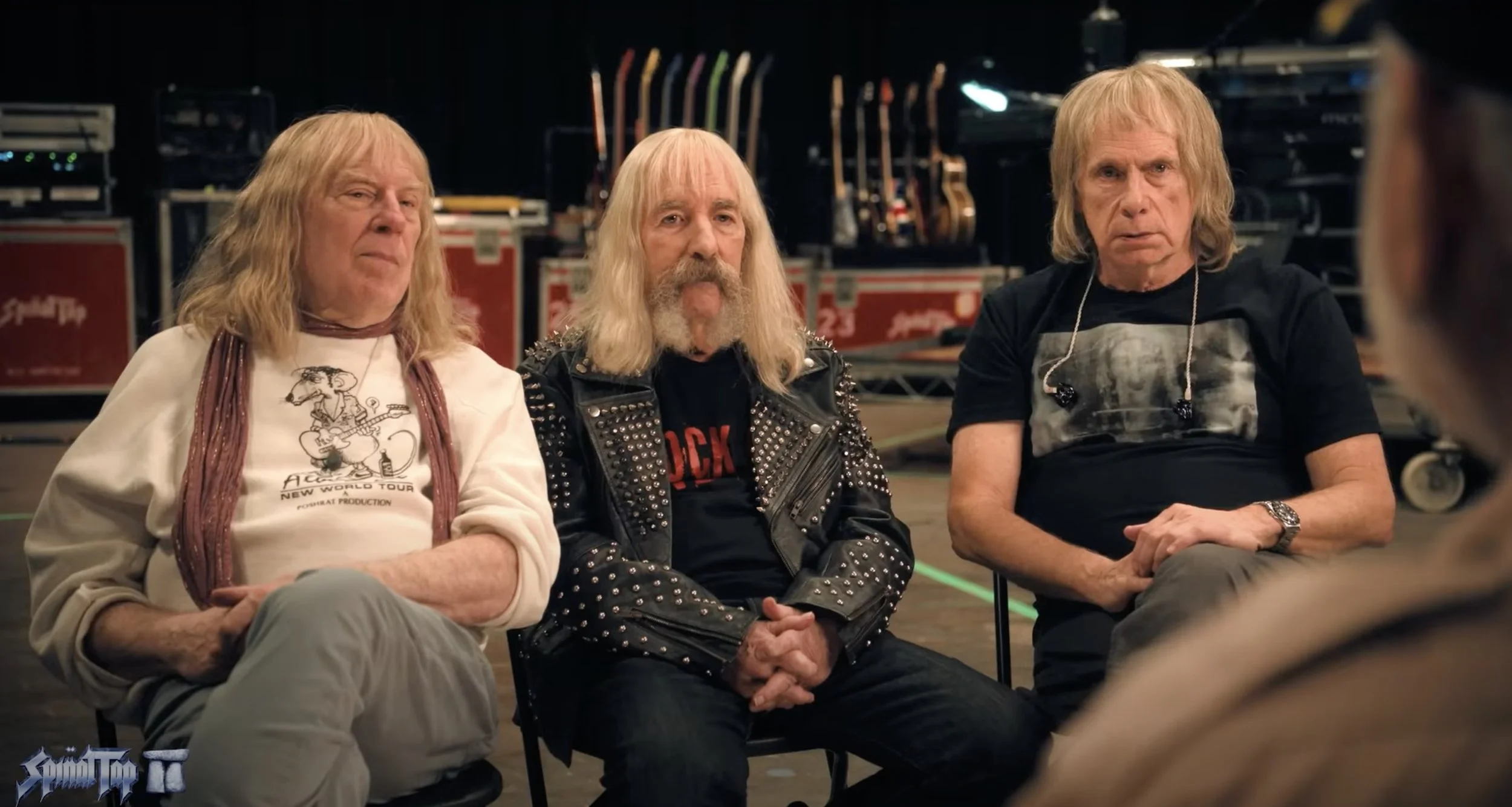
Michael McKean inhabits David St. Hubbins with the weary precision of an actor who has spent decades perfecting a character he can never fully escape. There is something deeply melancholic in watching McKean navigate the space between his own aging and that of his fictional alter ego, a double exposure of mortality that the camera captures with unflinching clarity. His performance suggests a man haunted by the ghost of his younger self’s parody.
Christopher Guest’s Nigel Tufnel has evolved into something resembling actual eccentricity rather than performed absurdity. The cheese shop becomes a sanctuary for a character who once embodied pure satirical invention, now weighted with the gravity of genuine human oddness. Guest’s portrayal carries undertones of genuine sadness, as if the character has spent these intervening years slowly transforming from caricature into person.
Harry Shearer’s Derek Smalls emerges as perhaps the most unsettling presence, his attempts at contemporary relevance revealing the grotesque gap between aging flesh and youthful desire. The character’s pursuit of their new drummer, Didi Crockett, played by Valerie Franco, exposes the ugly persistence of patterns that time should have erased but has instead only made more pathetic.
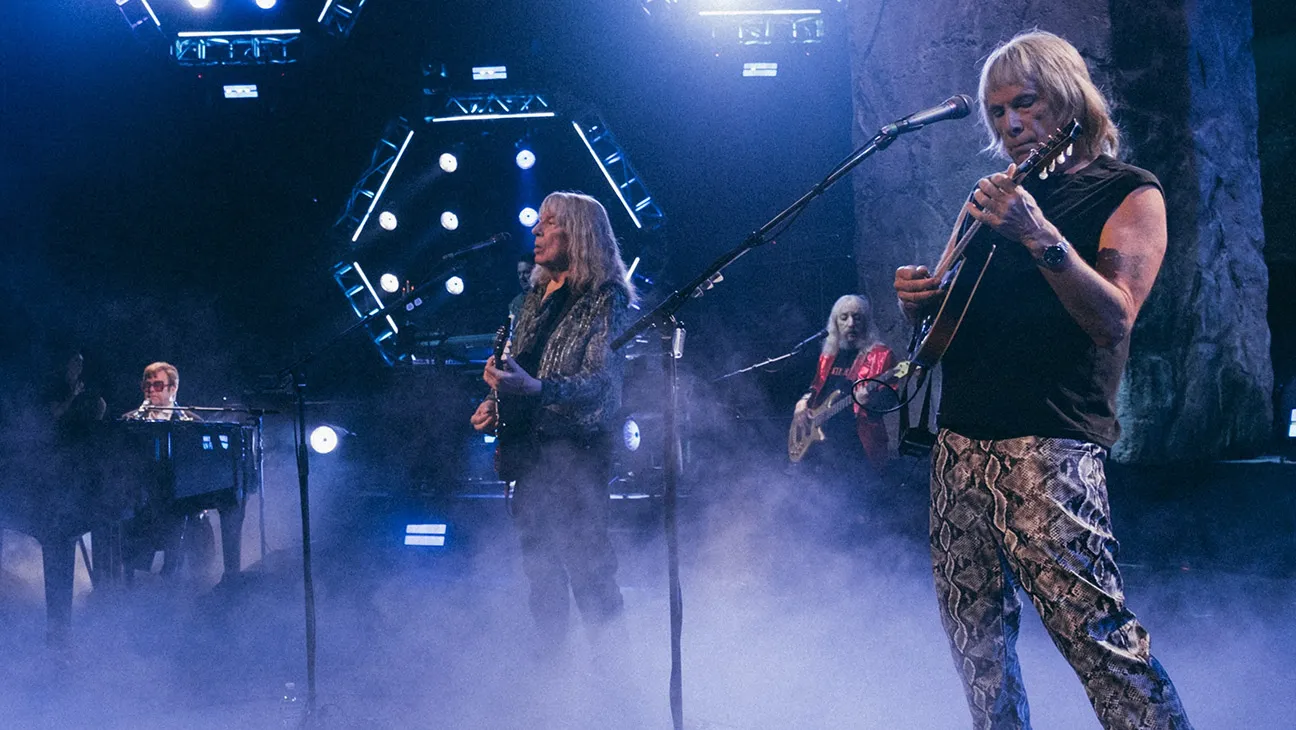
The celebrity cameos function less as comedic punctuation and more as reminders of the distance between authentic musical legacy and manufactured myth. When Paul McCartney appears, his presence highlights the contrast between genuine cultural significance and the artificial importance these fictional characters once commanded. Elton John’s participation in the final Stonehenge sequence becomes a meditation on performance itself, the way genuine artistry can transform even the most ridiculous theatrical conceits into moments of unexpected beauty.
The Mechanics of Diminished Returns
The humor in “The End Continues” operates with the efficiency of a well-maintained engine running on inferior fuel. The wordplay persists, Derek’s “Hell Toupée” symphony representing the kind of linguistic gymnastics that once felt sharp but now carries the desperation of comedians who have outlived their material. The physical comedy sequences, particularly those involving Elton John’s tumble during the Stonehenge finale, achieve their effects through the collision of dignity and absurdity rather than the precision of carefully crafted gags.
The musical elements reveal an interesting paradox: the songs have improved in technical competence even as their satirical bite has dulled. These performers, freed from the need to convincingly portray musical incompetence, have allowed their actual abilities to surface. The result is pastiche that works almost too well, parody that has evolved beyond its original targets into something approaching genuine artistic expression.
Rob Reiner’s direction maintains the observational distance that made the original feel like genuine documentary, yet this clinical approach now reveals different truths. The camera captures not the manufactured decline of fictional rock stars but the actual aging of the actors who have spent decades inhabiting these roles. The technical craft serves a different purpose now, documenting the strange persistence of performance across the gulf of time.
The satirical targets have shifted subtly but significantly. Where the original mocked the pretensions of heavy metal culture, this sequel interrogates the very notion of comeback, reunion, and artistic legacy. The jokes about viral videos and contemporary music business practices feel obligatory rather than incisive, as if the filmmakers recognize that their real subject has become something far more complex than industry satire.
The Weight of Persistence
What emerges most powerfully from this reunion is the recognition that some artistic enterprises carry within them the seeds of their own haunting. These characters have achieved a kind of cultural immortality that their creators never anticipated, becoming more real through decades of performance than many actual bands achieve through years of genuine artistic effort. This persistence creates its own form of existential prison, trapping actors within personas they can neither fully abandon nor authentically inhabit.
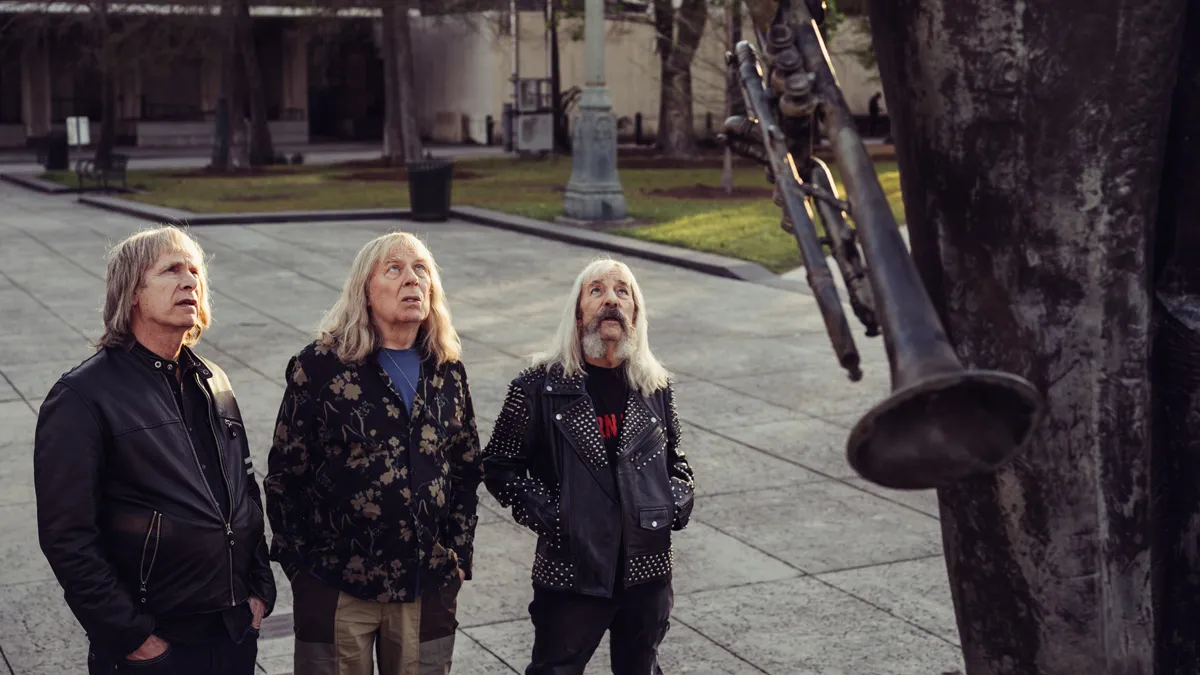
The film’s greatest strength lies in its willingness to acknowledge the melancholy inherent in revival. The affection between the performers feels genuine precisely because it has been tested by time and success and the particular kind of artistic imprisonment that comes with creating something more culturally significant than intended. Their chemistry has deepened through repetition rather than freshening, like a photograph slowly developing in its chemical bath.
Yet this emotional authenticity also exposes the sequel’s fundamental limitations. The single-concert structure lacks the tragic momentum that made the original’s tour format so effective as a metaphor for decline. Here, the certainty of performance removes the dramatic tension that comes from watching failure unfold in real time. The film becomes less about the possibility of disaster and more about the inevitability of going through familiar motions.
The missed opportunities loom largest in the realm of contemporary commentary. The music industry has transformed beyond recognition since 1984, yet the film seems content to reference these changes rather than truly engage with them. The potential for deeper exploration of nostalgia culture, the commodification of artistic failure, or the strange persistence of satirical personas remains largely unrealized.
The Persistence of Endings
“Spinal Tap II: The End Continues” functions most effectively as a meditation on the impossibility of true artistic death. These characters have achieved a form of cultural immortality that transcends their original satirical purpose, becoming something approaching genuine mythology. The film works best when it embraces this weird persistence rather than trying to recapture the lightning-in-a-bottle spontaneity of the original.
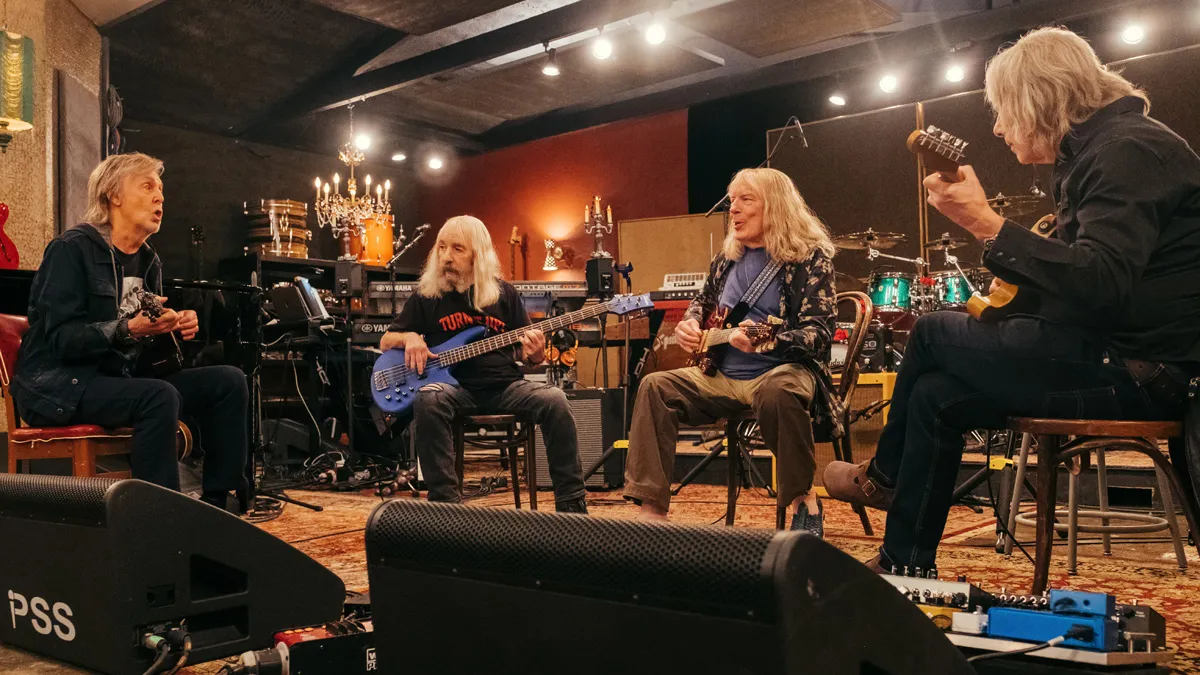
For longtime devotees of the original, this sequel offers the comfort of reunion with old friends, even as it forces recognition of time’s relentless passage. The 83-minute runtime feels appropriately modest, suggesting awareness of its own limitations rather than the grandiose overreach that might have been expected. For newcomers, the film provides access to a cultural touchstone while demonstrating why some artistic lightning cannot be summoned twice.
The entertainment value persists through sheer force of performer chemistry and the inherent absurdity of the enterprise. Watching septuagenarian actors inhabit characters they created in middle age creates its own form of surreal comedy, one that transcends the scripted jokes and emerges from the simple fact of persistence across decades.
This sequel justifies its existence through the simple act of acknowledging what it cannot be while embracing what it has become: a document of artistic persistence, a meditation on the strange afterlife of satirical creation, and a reminder that some endings simply refuse to end. In a cultural moment obsessed with revival and reunion, “The End Continues” offers something rarer than successful nostalgia: honest confrontation with the weight of time and the persistence of performance. The end, indeed, continues, carrying with it all the melancholy and absurdity that such persistence inevitably entails.
“Spinal Tap II: The End Continues” is a 2025 American mockumentary comedy film and a sequel to the 1984 movie “This Is Spinal Tap.” Directed by Rob Reiner, the film reunites the fictional heavy metal band Spinal Tap for one final concert. The film was released in theaters on September 12, 2025. It is distributed by Bleecker Street in the United States and Stage 6 Films internationally.
Full Credits
Director: Rob Reiner
Writers: Christopher Guest, Michael McKean, Harry Shearer, Rob Reiner
Producers and Executive Producers: Rob Reiner, Michele Reiner, Matthew George, Derrick J. Rossi, Chad Oakes, Michael Frislev, Hernan Narea, Jonathan Fuhrman, Christopher H. Warner
Cast: Rob Reiner, Christopher Guest, Michael McKean, Harry Shearer, Fran Drescher, Paul Shaffer, Elton John, Paul McCartney, Questlove, Chris Addison, Don Lake, John Michael Higgins, Nina Conti, Griffin Matthews, Kerry Godliman, Garth Brooks, Trisha Yearwood
Director of Photography (Cinematographer): Lincoln Else
Editors: Bob Joyce
The Review
Spinal Tap II: The End Continues
A melancholic and self-aware coda, this film trades the original’s biting satire for a gentle, poignant reflection on aging and legacy. While the return of David, Nigel, and Derek is a welcome piece of nostalgia, the humor is muted and the celebrity cameos disrupt the delicate reality of the mockumentary. It exists not as a necessary encore, but as a quiet, thoughtful fade-out for a band that once refused to be anything but loud, making it a curiously somber yet fitting final performance.
PROS
- A poignant and surprisingly moving look at aging and mortality.
- The gentle, deadpan chemistry between the three leads remains intact.
- Intelligent meta-commentary on its own existence as a long-delayed sequel.
- The parody rock songs are still expertly crafted and performed.
CONS
- Lacks the sharp comedic edge and escalating farce of the 1984 original.
- Over-reliance on real-world celebrity cameos weakens the mockumentary format.
- The humor is often too subdued, eliciting quiet chuckles instead of loud laughs.
- Feels more like an exercise in nostalgia than a fresh creative statement.







