
























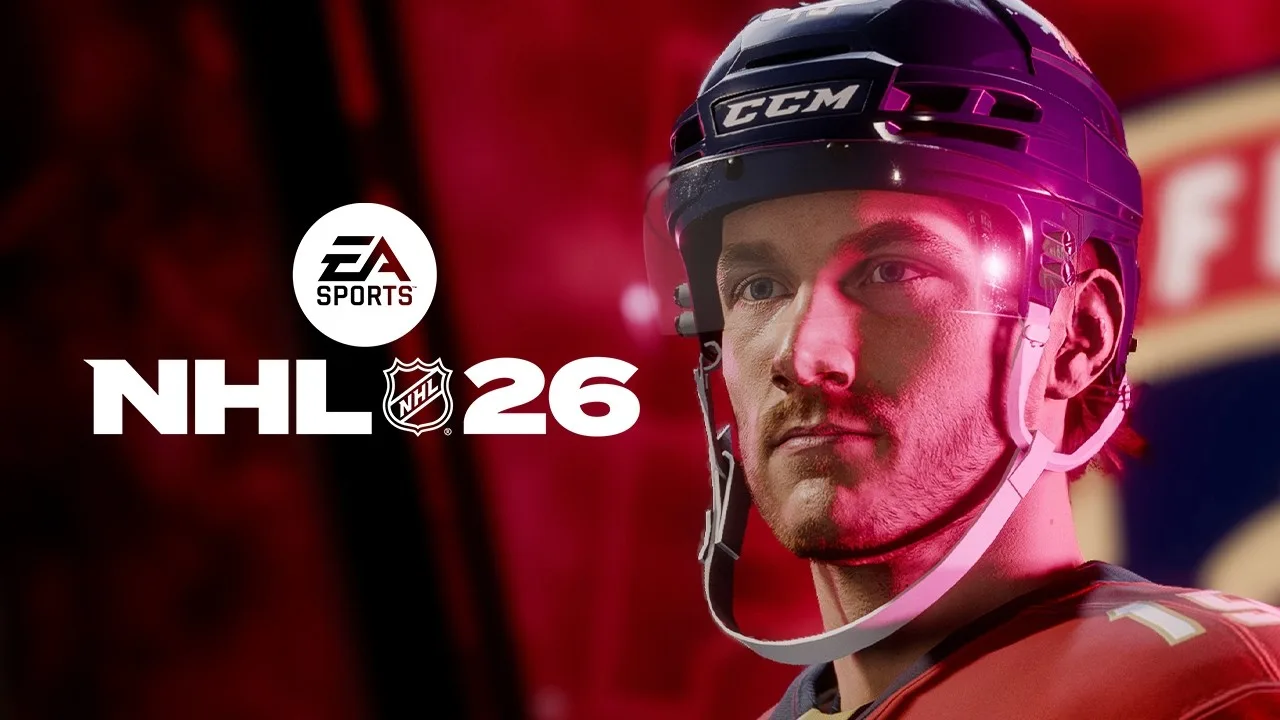

Hockey fans have been waiting for EA Sports to deliver meaningful improvements to their annual NHL franchise, and NHL 26 represents perhaps the most significant step forward in recent memory. This year’s entry introduces the ICE-Q 2.0 system, powered by real NHL EDGE data, which promises to transform how players move, react, and perform on the ice.
The game includes all standard modes – Be A Pro, Hockey Ultimate Team, Franchise, and World of CHEL – with particular attention paid to revamping the career mode experience. EA Vancouver has integrated authentic player statistics and tendencies from the real NHL, creating individual playing styles that distinguish superstars like Connor McDavid and Sidney Crosby from role players.
The addition of the PWHL (Professional Women’s Hockey League) from launch provides expanded representation. Visual improvements accompany the gameplay changes, with enhanced arena presentations and dynamic statistical overlays during matches. While the core hockey simulation remains familiar, the underlying systems have received substantial upgrades that affect every aspect of on-ice play, from goaltending to player fatigue management.
Data-Driven Hockey Excellence
The ICE-Q 2.0 system represents the most substantive gameplay evolution the NHL franchise has seen in years. Built on authentic NHL EDGE data, the system transforms raw statistics into living, breathing player behaviors that feel genuinely different from one another. Where previous entries relied on basic attribute adjustments to differentiate players, NHL 26 captures the subtle nuances that make each NHL star distinctive. McDavid’s explosive acceleration when breaking through defensive coverage feels viscerally different from other fast players, while Ovechkin naturally gravitates toward his preferred scoring areas with an authenticity that goes beyond simple positioning scripts.
The real-time statistical overlays integrate seamlessly into gameplay without cluttering the visual experience. Faceoff success percentages, shooting tendencies, and defensive positioning data appear contextually during natural gameplay moments. This information proves especially valuable during power plays and penalty kills, where understanding opponent tendencies can dramatically shift strategic approaches. The visual presentation maintains broadcast authenticity while providing actionable intelligence that enhances both competitive play and casual enjoyment.
The expanded X-Factor system now encompasses 28 different abilities, creating a complex web of player specializations that extends far beyond traditional skating and shooting statistics. These abilities activate dynamically based on game situations, creating moments where star players truly shine in ways that reflect their real-world counterparts. The system rewards players who understand individual strengths while avoiding the overpowered feeling that plagued previous iterations.
Physics improvements extend across all aspects of on-ice play. Body checking feels more realistic with proper weight distribution and momentum transfer, while puck handling responds more intuitively to stick positioning and defensive pressure. The implementation of meaningful player fatigue adds strategic depth to line management, forcing players to consider shift length and intensity rather than simply riding their top lines throughout entire games. Skill stick controls have been refined to reduce accidental penalties while maintaining the precision required for advanced maneuvers.
AI improvements show most clearly in teammate positioning and cycling behavior. CPU players move more intelligently into open spaces and respond better to player-initiated plays, though some limitations persist in neutral zone transitions and automatic line changes. The defensive AI adapts more effectively to different offensive approaches, creating varied gameplay experiences that prevent matches from feeling repetitive.
Between the Pipes Revolution
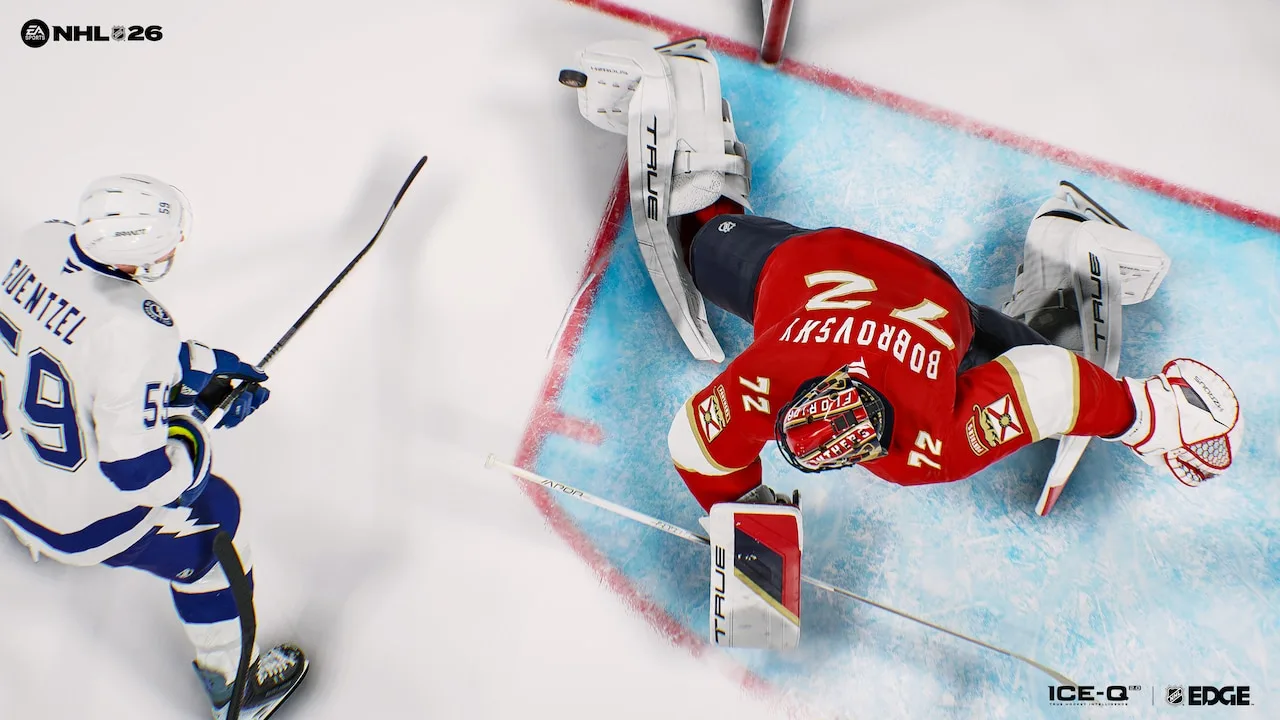
Goaltending represents NHL 26’s most dramatic transformation, addressing long-standing issues that have plagued the franchise for years. The addition of over 80 new animations eliminates most of the awkward, predetermined movements that made previous goalies feel robotic. Animation canceling allows for split-second reactions that mirror real goaltender behavior, creating fluid transitions between saves that feel natural rather than scripted.
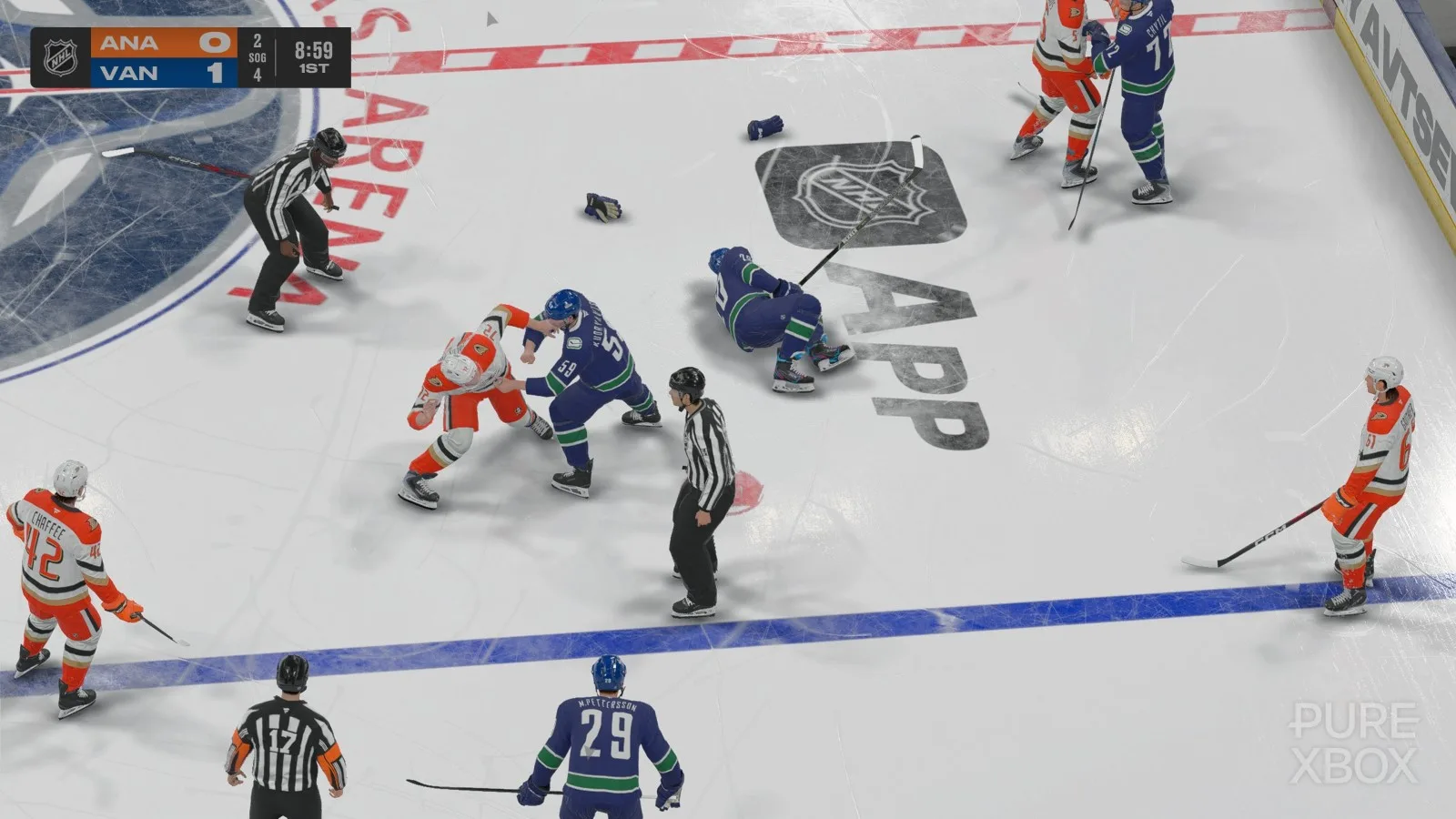
The distinction between butterfly and traditional goaltending styles now carries meaningful gameplay implications. Goalies react differently to various shot types and angles based on their preferred stance, creating authentic variation in how different netminders perform in identical situations. Glove saves, pad positioning, and blocker work all demonstrate improved physics and timing that reward proper positioning while punishing lazy offensive approaches.
However, the enhanced AI assistance creates a double-edged sword for player-controlled goalies. While CPU goalies perform more realistically and create genuine challenge for opposing players, controlling a goaltender manually can feel less engaging due to automated assistance that handles many reactions without player input. This design choice prioritizes gameplay balance over player agency, creating effective but potentially less satisfying goaltending experiences for those who prefer direct control.
The improvements fundamentally alter offensive strategy throughout all game modes. Simple exploit moves that guaranteed goals in previous entries now fail against intelligent goalie positioning and improved reaction timing. This forces players to develop varied attack patterns and work harder for scoring opportunities, creating more authentic hockey experiences where goals feel genuinely earned rather than cheaply obtained.
Career Mode Reinvention
Be A Pro mode has received the most comprehensive overhaul in NHL 26, addressing years of stagnation with meaningful structural changes and enhanced presentation values. The chapter-based progression system provides clear milestone targets while allowing players to skip through less engaging content to reach preferred career stages. Integration of World Junior Championships adds authentic developmental context, though the implementation feels somewhat rushed with limited tournament depth.
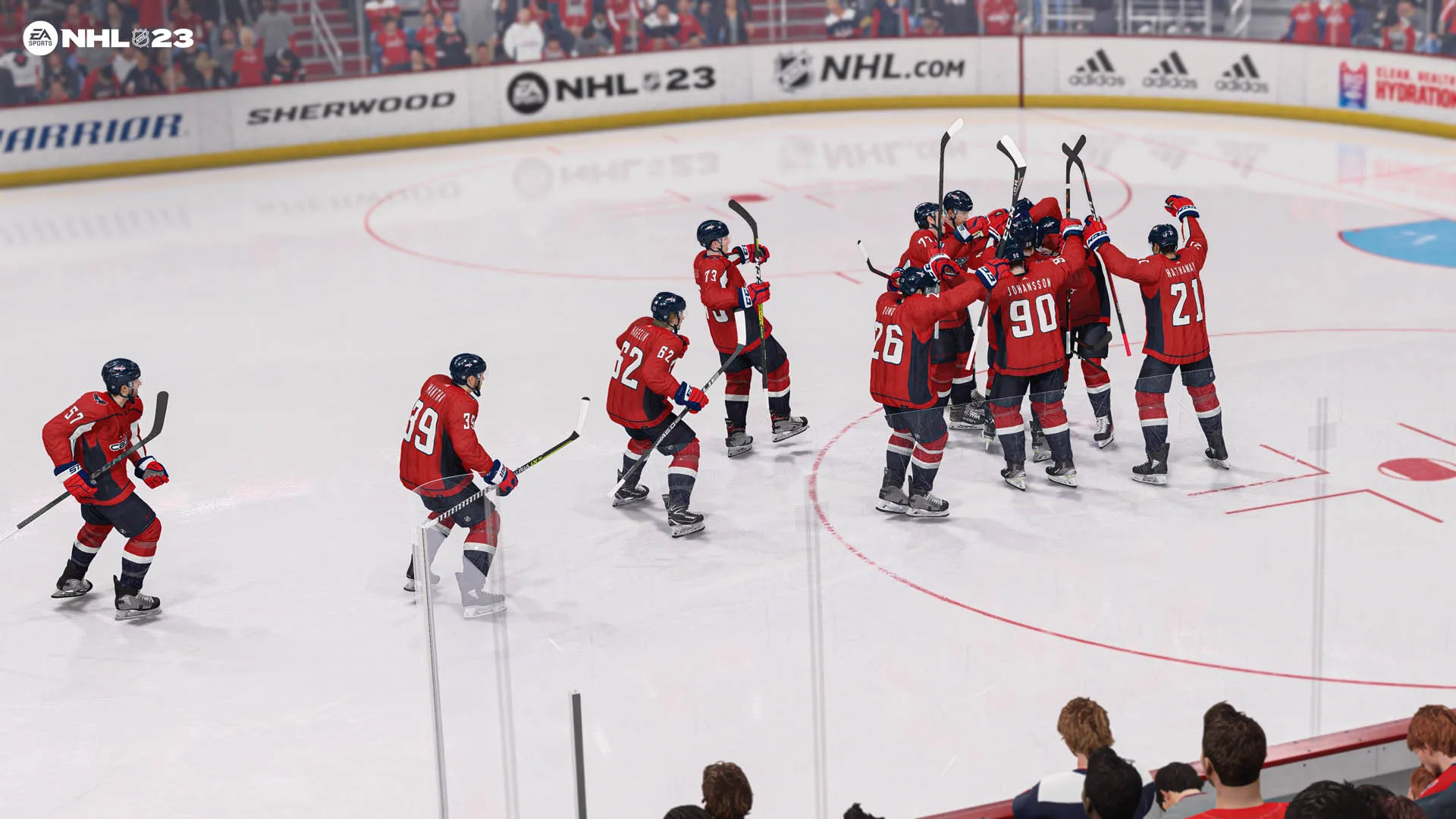
The consequence system creates genuine stakes for player performance and behavior. Poor play can result in demotion to minor leagues, while strong performance accelerates NHL integration. This risk-reward balance adds tension to career progression that was absent in previous iterations. However, simulating games almost guarantees negative outcomes, effectively forcing players to manually play through most of their career rather than allowing strategic simulation choices.
Voice-acted press conferences and interview segments represent a significant presentation upgrade, though the execution varies considerably in quality. Some interactions feel natural and engaging, while others suffer from wooden delivery and disconnected narrative threads. The dialogue choice system provides limited meaningful impact on career trajectory, with most consequences telegraphed clearly enough to remove genuine decision-making tension.
The Form Score tracking system attempts to provide detailed feedback on player performance trends, though its consistency proves problematic. Players can experience dramatic rating swings that don’t always correlate with observable performance metrics, creating confusion about what behaviors the system actually rewards. This inconsistency undermines the system’s utility as a development guide.
Presentation improvements shine brightest in arena-specific introductions and trophy celebrations. Walking through the tunnel for important games creates genuine excitement, while championship moments feel appropriately momentous with extended celebration sequences. The mode’s unique soundtrack and menu design philosophy creates an atmosphere distinct from other game modes, enhancing the career simulation experience.
Mode Variety and Features
Hockey Ultimate Team receives significant attention with the introduction of Cup Chase mode, finally providing substantial offline content for players who prefer single-player Ultimate Team experiences. The mini-season structure with salary cap constraints creates interesting team-building challenges without requiring constant online competition. Player combination bonuses add strategic depth to lineup construction, though they risk limiting team-building creativity by incentivizing specific player pairings.
The ranked infrastructure improvements address competitive players’ needs for meaningful progression systems, while microtransaction concerns remain prevalent for players seeking competitive teams without significant financial investment. Cup Chase partially alleviates these concerns by providing offline pathways to earn quality cards, though the core Ultimate Team structure still favors spending over grinding.
World of CHEL benefits significantly from core gameplay improvements, with created player X-Factor integration adding meaningful customization depth. The mode’s focus on individual skill development pairs well with the enhanced player differentiation systems, creating online experiences where personal growth translates into tangible competitive advantages.
Franchise mode remains largely unchanged from previous iterations, representing a missed opportunity for improvement. The management simulation elements function adequately for casual franchise building but lack the depth and complexity found in other sports management games. Long-term franchise development feels shallow compared to the attention lavished on other game modes.
PWHL integration from launch provides meaningful representation expansion with gameplay differences that reflect real-world stylistic variations between men’s and women’s professional hockey. The commentary quality matches NHL standards, creating parity in presentation values that respects both leagues equally. This inclusion feels substantial rather than tokenistic, adding genuine value for players interested in women’s professional hockey.
Technical Polish and Presentation
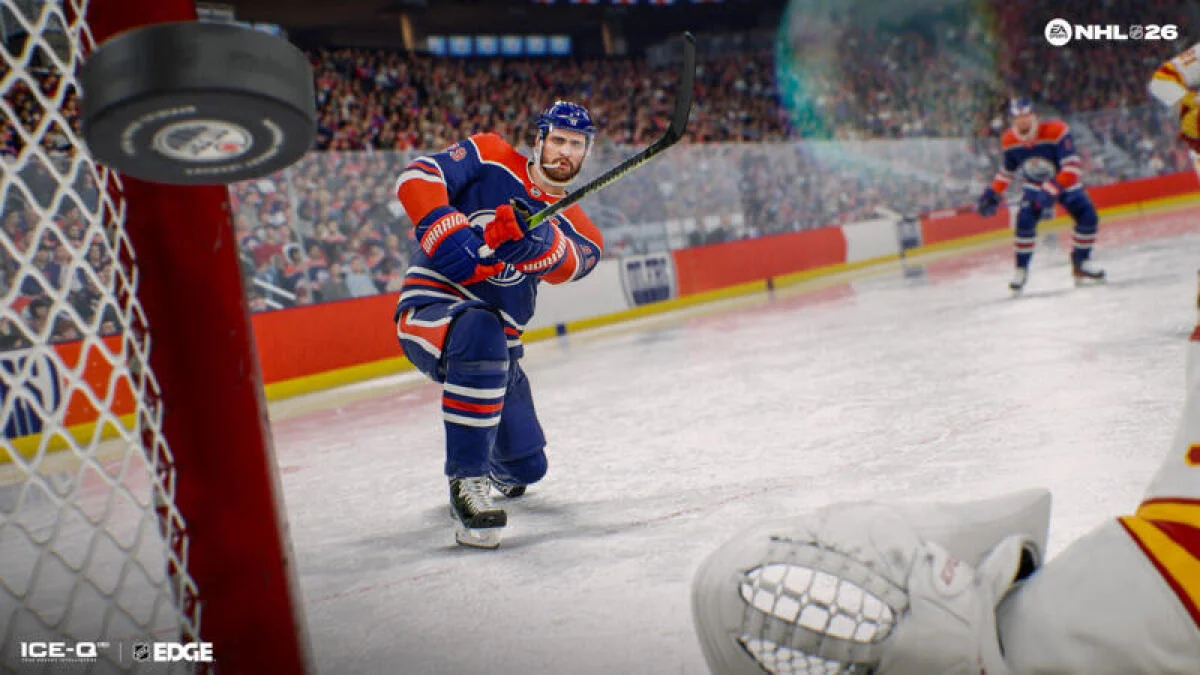
Visual improvements across arena lighting, ice surface rendering, and dynamic camera work create more broadcast-authentic presentation values. The enhanced lighting systems create realistic arena atmospheres that vary between venues, while improved ice physics and surface texturing add visual authenticity during close-up replays. Dynamic camera angles during key moments enhance dramatic tension without sacrificing gameplay clarity.

Commentary from the returning Cybulski and Pounder team shows improved contextual awareness and seasonal stat integration. References to previous games, player performance trends, and situational context create more immersive broadcast experiences that feel responsive to ongoing narrative developments. PWHL commentary maintains similar quality standards, avoiding the common trap of treating women’s hockey as an afterthought.
Menu system improvements reduce loading times across most modes, though online functionality still experiences occasional slowdowns during peak usage periods. Statistical presentation benefits from cleaner organization and more intuitive navigation, making it easier to access detailed player information and performance metrics. However, some online modes still suffer from connection stability issues that can interrupt gameplay flow.
Audio design creates authentic arena atmospheres with crowd reactions that build dynamically during intense gameplay moments. The varied soundtrack selections across different modes help establish distinct identities for each game mode, though some musical choices feel disconnected from their intended atmosphere.
Worth the Investment
NHL 26 represents the most significant annual improvement the franchise has delivered in recent memory, though it falls short of the revolutionary overhaul some fans might have hoped for. The ICE-Q 2.0 system and goaltending improvements create meaningfully different gameplay experiences that reward deeper engagement with hockey strategy and player management. Be A Pro mode’s renovation provides a solid foundation for future development, despite some execution inconsistencies.
For newcomers to the franchise, NHL 26 offers an excellent entry point with improved accessibility features and comprehensive mode variety. Veteran players will find enough meaningful changes to justify the annual upgrade, particularly those who focus on Be A Pro or competitive online play. The enhanced player differentiation system adds longevity to the experience by making different teams and players feel genuinely distinct rather than cosmetically varied.
Persistent issues around AI behavior, neutral zone play, and mode depth prevent NHL 26 from achieving greatness, but the foundation improvements suggest a positive trajectory for future entries. The game succeeds in delivering authentic hockey experiences that feel more realistic and engaging than previous iterations, making it the strongest NHL entry in several years.
Players seeking deep franchise management or extensive single-player content might find some modes underdeveloped compared to other sports simulations. However, the core hockey gameplay improvements and Be A Pro enhancements provide sufficient value for most hockey fans, particularly those who appreciate the sport’s tactical nuances and player differentiation.
The Review
NHL 26
NHL 26 delivers the franchise's strongest entry in years through meaningful gameplay improvements and a revitalized Be A Pro mode. The ICE-Q 2.0 system and goaltending overhaul create authentic hockey experiences that reward strategic thinking. While some modes remain underdeveloped and AI issues persist, the core improvements justify the annual upgrade for dedicated hockey fans.
PROS
- ICE-Q 2.0 system creates authentic player differentiation
- Dramatically improved goaltending with realistic animations
- Comprehensive Be A Pro mode overhaul with meaningful consequences
- Enhanced X-Factor system adds strategic depth
- PWHL integration provides quality representation
- Improved physics and fatigue management systems
CONS
- AI still struggles with neutral zone play and line changes
- Franchise mode receives minimal improvements
- Voice acting quality varies significantly in Be A Pro
- Form Score system lacks consistency
- Some online connectivity issues persist