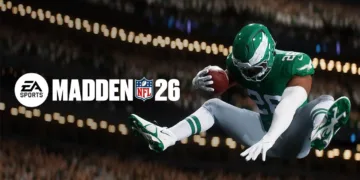


























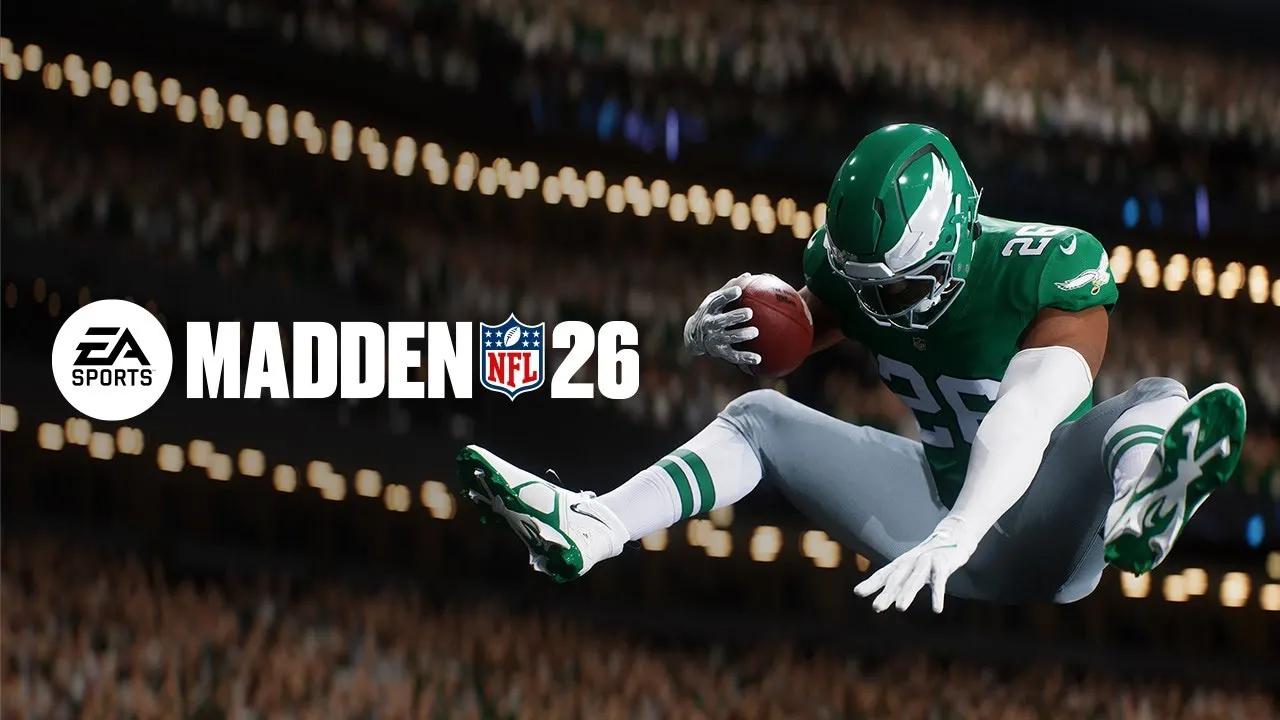

With every annual release of Madden, players ask a familiar question: is this the year for a genuine leap, or is it another roster update with minor tweaks? This cycle often leaves long-time fans feeling weary. Madden NFL 26, however, breaks from that pattern.
It marks a significant step forward for the series, driven by a fundamental redesign of its core Franchise mode and meaningful refinements to the on-field action. This is a professional football simulation that places a renewed emphasis on creating an authentic, season-long management experience.
The game’s identity is shaped by a vastly improved broadcast-style presentation and more lifelike player behaviors, which combine to produce a highly immersive and compelling simulation of the sport.
The On-Field Product: A More Fluid and Physical Game
The most immediately apparent improvement in Madden NFL 26 is the way players move. For years, athletes felt heavy and cumbersome, as if turning an ocean liner. This year, an updated locomotion system makes player control significantly quicker and more responsive.
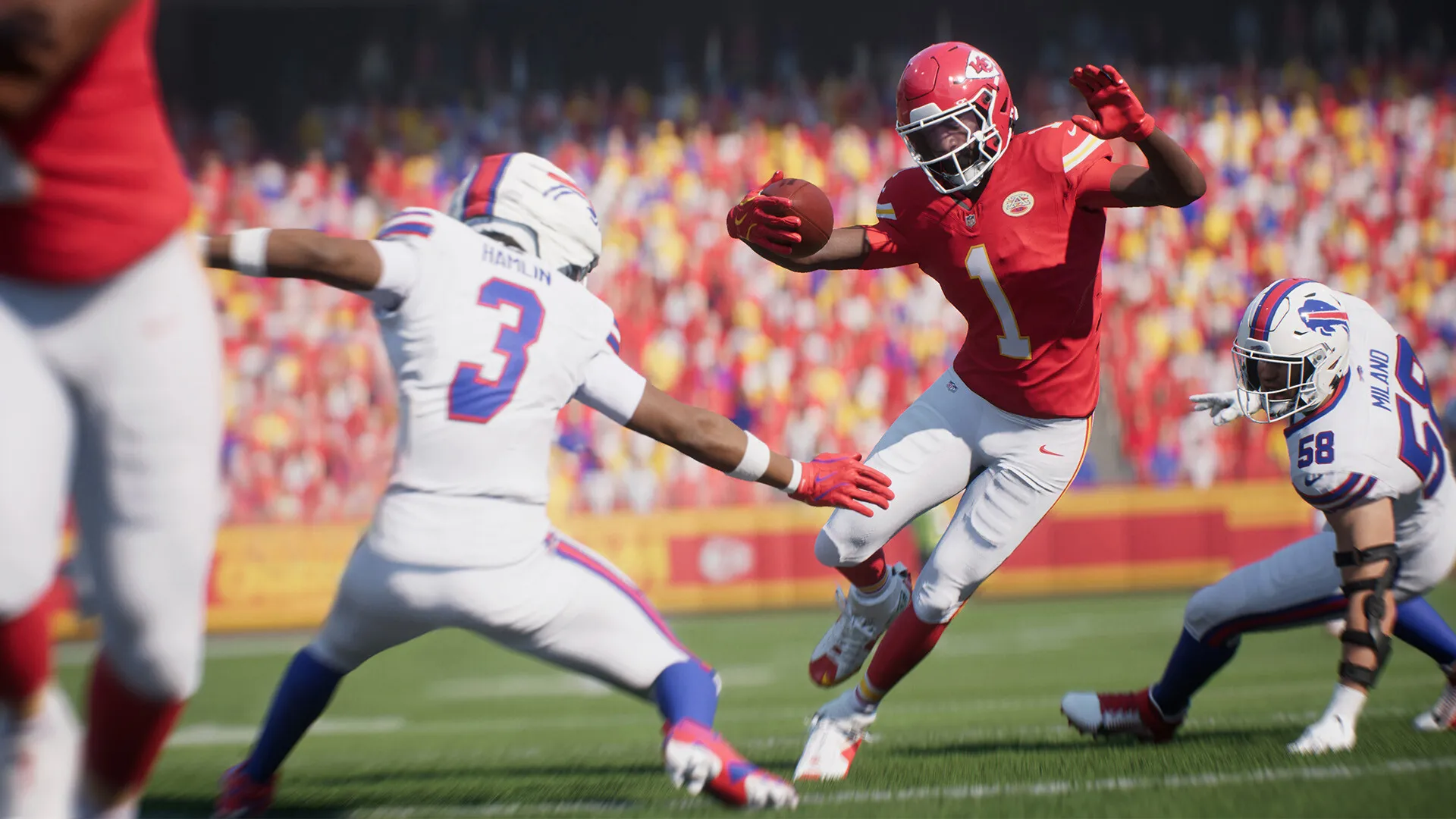
Running backs can now make sharp, decisive cuts through gaps in the offensive line, accelerating with an urgency that was absent before. This change clearly takes cues from its well-received sibling, EA Sports College Football 25. While it doesn’t fully replicate the arcade-like speed of the college game, it finds a satisfying middle ground that preserves the weight of professional football while unshackling players from the lead boots of past iterations.
This newfound fluidity is complemented by a “QB DNA” system that successfully imbues star players with their real-life tendencies. The difference is palpable. A dynamic quarterback like Anthony Richardson is more prone to tucking the ball and taking off on a run, while a master improviser like Josh Allen will actively scramble to extend plays, keeping his eyes downfield to make magic happen.
The system even accounts for physical limitations; shorter quarterbacks like Kyler Murray must contend with their height, and you will see passes realistically batten down by the helmets of their own towering offensive linemen, forcing you to find clear throwing lanes. This level of individuality extends beyond quarterbacks.
You will see wide receivers make intelligent, self-preservation plays, such as darting out of bounds after a catch-and-run to avoid a punishing hit. Other times, a possession receiver will instinctively go to the ground after a catch in traffic to protect the football. These are the small, contextual animations that elevate the simulation.
The game’s physics engine also sees a notable refinement. Last year’s “Boom Tech” tackling system returns, but its animations have been cleaned up considerably. The result is fewer awkward, physics-defying moments and more realistic outcomes. Tacklers now demonstrate a better understanding of the situation, fighting to hold up a ball carrier at the first-down marker or wrapping them up to prevent a touchdown.
The new animations for acrobatic, toe-tapping sideline catches are a particular highlight, looking both spectacular and believable. On the strategic front, a welcome addition for any football purist is the inclusion of defensive run fit assignments in the pre-play art. This gives you a clear visual guide to your player’s responsibility on a potential run play, providing valuable information for shutting down the ground game.
This thoughtful addition is unfortunately counteracted by the new AI coaching suggestion feature. In practice, the system is surprisingly unreliable, often suggesting plays with a hilariously low confidence rating. It might recommend a deep pass on 3rd and 1, a moment when the CPU itself loves to run a nearly unstoppable QB sneak. The AI coach confidently telling you to run a play it has only 7% confidence in undermines its utility and makes you question its purpose.
Broadcast-Quality Presentation
For many seasons, Madden has struggled to replicate the authentic feel of an NFL broadcast, an area where competitors like MLB The Show and NBA 2K have long excelled. Madden NFL 26 finally and decisively closes that presentation gap. The most significant change is the introduction of four distinct broadcast packages.
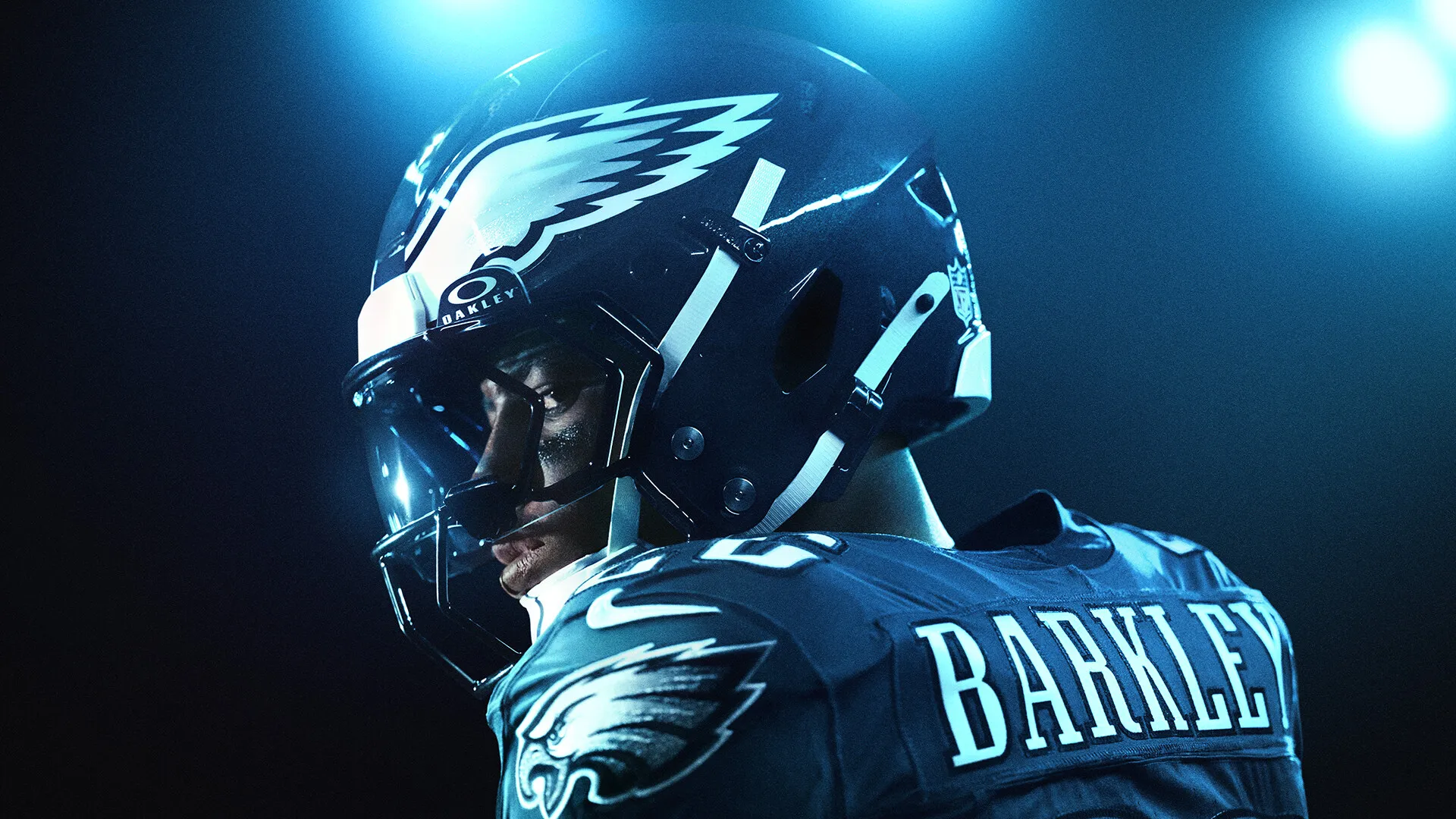
These packages perfectly emulate the look and feel of different real-life telecasts, covering a basic Sunday afternoon game, Thursday Night Football, Sunday Night Football, and Monday Night Football. Each comes with its own specific scorebug, theme music, and graphical overlays. The default Sunday package has a clean, all-white aesthetic, while the primetime games feature more energetic effects and dramatic animations. This system successfully makes big matchups feel like true television events.
Adding to this broadcast realism is a new halftime and post-game show hosted by Scott Hanson. In a feature that will feel familiar to fans of the classic ESPN NFL 2K5, Hanson breaks down key plays and highlights from other games happening around the league. Hearing about a rival’s stunning comeback or a star player’s record-breaking performance creates a powerful sense of a living, breathing NFL season.
The show even drops interesting trivia nuggets during highlights, fleshing out the world around your own team’s game. This presentational overhaul is supported by a major visual leap. A new progressive lighting system means the environment’s lighting changes dynamically not just from day to night within a single game, but also across the entire season. The bright, high sun of a 1 PM kickoff in August will slowly give way to long shadows in the fourth quarter, while the overall lighting becomes dimmer and colder as you advance into December.
The new severe weather effects are especially impressive. A heavy snowstorm can create near white-out conditions that realistically obstruct your view more than 20 yards downfield. This is more than a simple visual effect; it fundamentally alters gameplay, making a deep passing attack a high-risk gamble and turning the contest into a messy, atmospheric, and immersive battle against the elements. Authenticity is further bolstered by the inclusion of team-specific pre-game traditions and rituals.
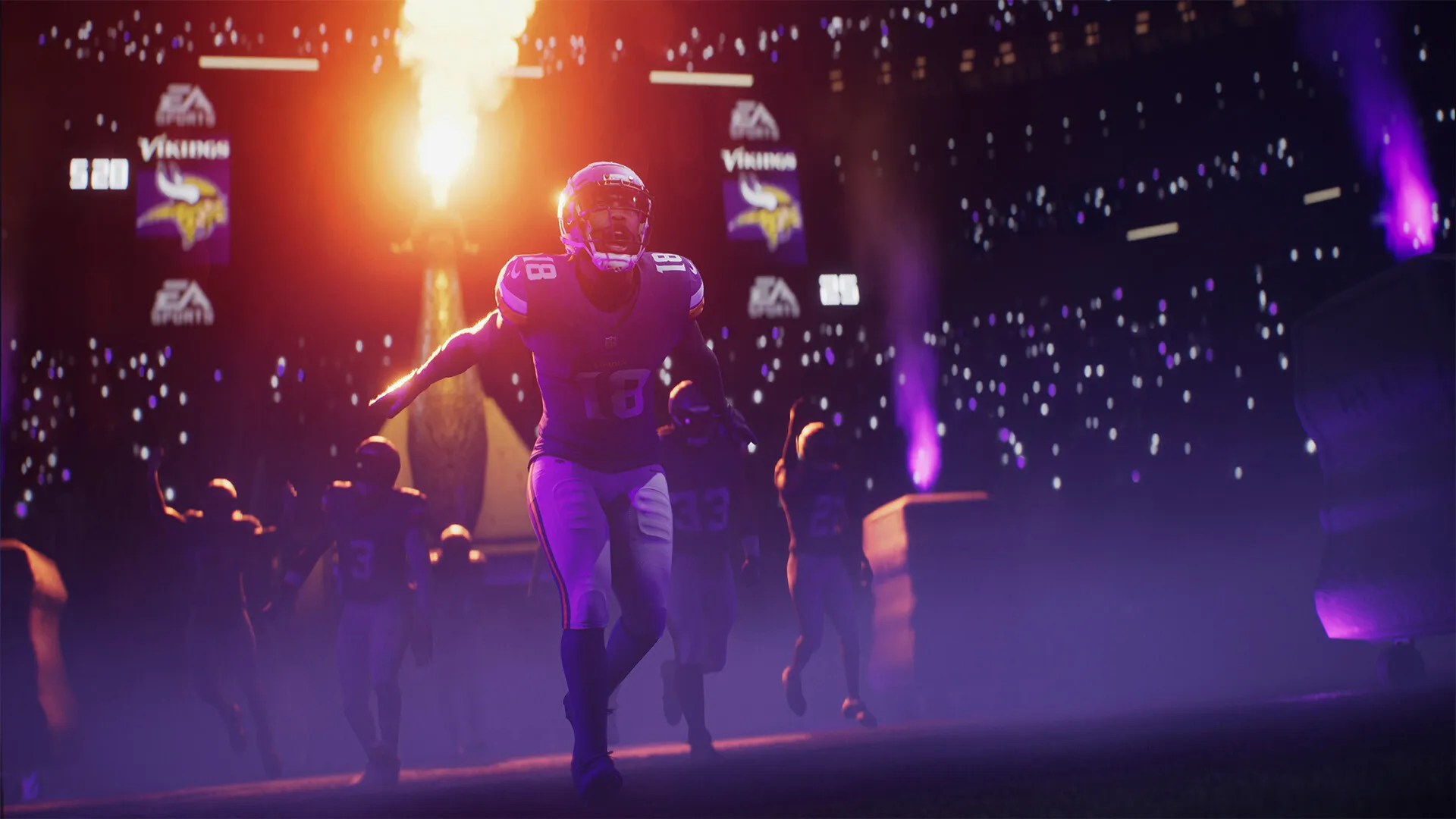
Seeing the Minnesota Vikings sound the Gjallarhorn or the New England Patriots ring their ceremonial bell before a home game adds a wonderful sense of place and tradition that has long been missing. With three different commentary teams providing audio variety, the entire package comes together to make Madden NFL 26 the closest the series has ever come to mirroring the sport you watch on television.
The Franchise Renaissance
The most transformative and celebrated changes in Madden NFL 26 are found in its long-neglected Franchise mode. After years of iterative updates and fan disappointment, the mode has been completely rebuilt from the ground up, emerging as a deep and engaging sports RPG. This is no longer just a simple season simulator; it is a full-fledged management experience where your choices have a lasting impact.
Your journey begins by selecting a coaching philosophy, choosing from archetypes based on real-life coaches, such as an aggressive motivator, a defensive guru, or a strategic mastermind. This initial choice is critical, as it defines the foundation of your skill trees and shapes the types of abilities and advantages you can unlock throughout your career.
The shallow progression systems of old have been completely discarded. Gone are the days of spending points on marginal “+1 Strength” boosts. In their place are expansive and intricate skill trees for your head coach, offensive coordinator, and defensive coordinator. These trees offer impactful, game-altering upgrades. You might unlock a new set of temporary playsheets focused on the run-pass option, or an ability that gives all of your offensive linemen a significant strength boost for a crucial divisional game.
This progression is governed by an intelligent “loadout” system, which forces you to make meaningful strategic choices. You have a limited number of slots to equip active abilities. If you choose to equip a powerful long-term scouting ability, you must dedicate a slot to it for months of in-game time, potentially sacrificing a short-term gameday boost. This creates a genuine tension between investing in the future and maximizing your chances of winning now.
This new RPG depth extends to your week-to-week strategy. Before each game, you can analyze your opponent and adjust your weekly loadout accordingly. Facing a team with an aggressive, blitz-happy defense? You can equip a screen-heavy playsheet for that week. Seeing that preparation pay off when your running back takes a screen pass for a touchdown is incredibly satisfying. Management is further deepened by the debut of the Wear & Tear system.
This feature, borrowed from College Football, tracks the health of your players based on the quantity and severity of hits they take. You can no longer feed your star running back 30 times a game without consequence. As the hits add up, his attributes will decline late in the game and his injury risk will increase, forcing you to use your backups more thoughtfully and manage practice reps to keep your stars fresh for a deep playoff run.
The entire team-building process feels more intuitive. Scouting is smarter, unearthing more detailed reports on draft prospects. Player progression has been reworked to give you greater control, allowing you to specifically develop a player to fit your scheme, like turning a scrambling quarterback into a refined pocket passer, removing the frustrating randomness of the past.
Player-Centric Modes: Superstar & Ultimate Team
While Franchise mode is a triumph, the game’s other single-player-focused modes are a far more inconsistent experience. Superstar mode, which allows you to create a player and guide their career, introduces an ambitious new mechanic called the “Sphere of Influence.” The idea is to build relationships with a circle of characters that includes your agent, coach, teammates, and even off-field personalities like a dance instructor or a tattoo artist.
While the concept of managing your professional and personal life is interesting, the execution is deeply flawed. The mode’s characters are represented by what appears to be ugly and jarring generative AI art. These portraits have a strange, post-Musk Twitter aesthetic that clashes horribly with the rest of the game’s polished visuals.
The reward structure for building these relationships is also disappointingly shallow. Spending your limited time to level up your connection with the tattoo artist, for example, yields almost no meaningful unlockables, making the choice feel pointless when compared to improving your standing with your coach or agent.
The core gameplay loop of playing games and upgrading your player is enjoyable for a season or two, but the surrounding systems lack the depth to maintain long-term engagement. The connected 3v3 online mode, Superstar Showdown, feels similarly underdeveloped. Its flashy and often lurid cosmetics seem out of place, and the entire social hub feels like a hollow sliver of what competitors like NBA 2K’s The City have offered for years. It feels stuck in an awkward in-between era, not yet a fully realized experience.
Madden Ultimate Team (MUT), the series’ popular card-collecting mode, returns with a host of welcome quality-of-life improvements. The user interface has been streamlined, allowing you to jump between solo challenges much more quickly without the tedious process of backing out to menus. A clever new feature lets you instantly compare a new card you’ve earned to the player in your current lineup and equip it with a single button press.
For the solo player, MUT offers a nearly endless grind of content that can be enjoyed without spending any real money. Online, however, the mode’s pay-to-win nature remains a significant frustration. It is common to be pitted against opponents with god-squads built with hundreds of dollars, creating an uneven playing field that punishes those who prefer to earn their team through gameplay alone. Even with the UI improvements, menu navigation can still feel sluggish at times, a legacy issue for the series.
Final Thoughts
Madden NFL 26’s greatest achievement is the complete and successful overhaul of its Franchise mode, turning it into a destination experience. It is now the deep, engaging, and rewarding team-building simulation that fans have been requesting for years.
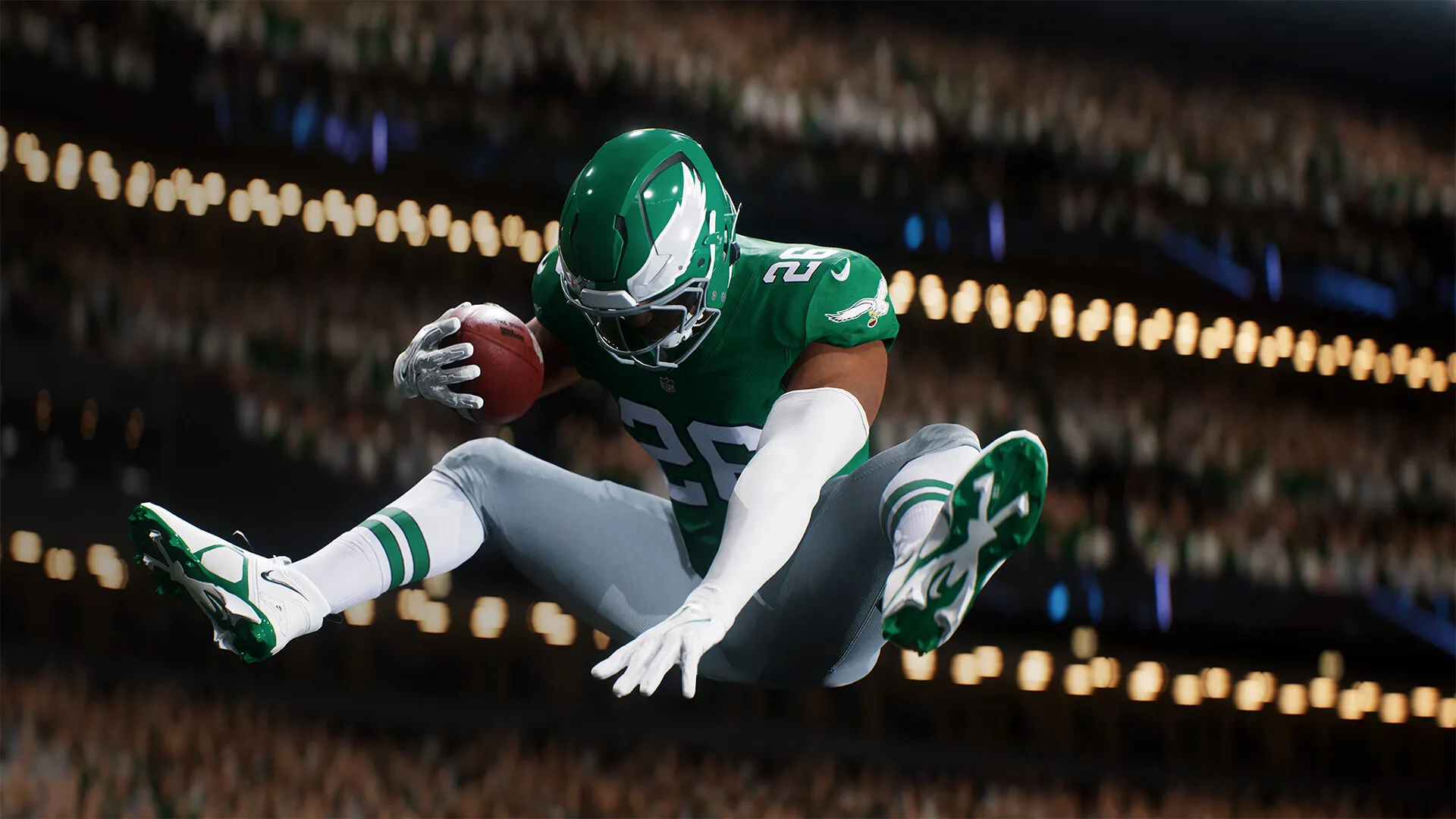
This accomplishment is supported by excellent on-field gameplay refinements and a broadcast-level presentation that makes every game feel authentic. The game is not without its flaws. Superstar mode feels like a work-in-progress, hampered by poor artistic choices and shallow mechanics that fail to deliver on an interesting concept.
This year’s title represents a substantial and necessary leap forward for the series. It is a must-play for anyone who enjoys the team-building and management side of football. The strength of its core gameplay and the superb Franchise mode makes Madden NFL 26 one of the series’ finest entries in more than a decade.
The Review
Madden NFL 26
Madden NFL 26 marks a landmark year for the series, driven by a phenomenal Franchise mode overhaul and stellar on-field gameplay. The broadcast-quality presentation creates incredible immersion that makes every game feel important. While the flawed Superstar mode is a missed opportunity, the revolutionary changes to the core team-building experience make this an essential purchase for any football fan and the best the series has been in over a decade.
PROS
- Completely revitalized Franchise mode with deep RPG mechanics.
- More fluid and responsive on-field gameplay and player movement.
- Excellent broadcast-style presentation and immersive weather effects.
- Meaningful player individuality through the "QB DNA" system.
CONS
- Superstar mode is underdeveloped and visually unappealing due to its art style.
- Pay-to-win elements persist in Ultimate Team’s online modes.
- The new AI coaching suggestion feature is often unreliable.