

























![Kingdom Hearts Collection [I-III] Review](https://gazettely.com/wp-content/uploads/2026/10/Kingdom-Hearts-Collection-I-III-1-360x180.webp "Kingdom Hearts Collection [I-III] Review: KHII Holds Steady as Newer Entries Fluctuate 37")




The Dragon Ball franchise has ventured into virtually every gaming genre imaginable, from traditional fighters to RPGs and action-adventure titles. Yet the announcement of Dragon Ball Gekishin Squadra still managed to surprise fans with its bold leap into multiplayer online battle arena territory. Developed by Ganbarion, this free-to-play 4v4 multiplayer experience abandons the typical one-on-one combat structure that has defined most Dragon Ball games, instead embracing the team-based strategic elements that make MOBAs so compelling.
The game’s core premise revolves around two teams of four players competing to breach enemy defenses and claim the opposing team’s Dragon Ball. This objective plays out across a dual-lane map structure, with upper and lower paths that encourage strategic team splitting and tactical coordination. Drawing inspiration from Dragon Ball Super’s Tournament of Power arc, matches pit various heroes and villains against each other in battles overseen by Gods of Destruction, creating a framework that feels authentic to the source material while adapting naturally to MOBA conventions.
What immediately stands out is how successfully Gekishin Squadra translates the explosive, high-energy combat of the anime into this new format. The game maintains the franchise’s signature spectacle while introducing the methodical progression and strategic depth that MOBA veterans expect. Available across multiple platforms including PC, PlayStation 4 and 5, Nintendo Switch, and mobile devices, the title demonstrates Bandai Namco’s commitment to accessibility and cross-platform play, potentially opening the MOBA genre to audiences who might have been intimidated by more traditional entries like League of Legends or Dota 2.
Strategic Depth Meets Saiyan Power
The match structure in Gekishin Squadra demonstrates a sophisticated understanding of what makes team-based games engaging while remaining accessible to newcomers. Each 4v4 encounter unfolds as a tactical tug-of-war across the dual-lane system, where teams typically divide into pairs to maximize map control and advancement opportunities. The strategic depth emerges through the interplay between individual character progression and team coordination, creating moments where quick decisions can dramatically shift the battle’s momentum.
Characters begin each match in deliberately weakened states, requiring players to eliminate environmental enemies and engage in skirmishes to level up and unlock their full potential. This progression system creates a compelling risk-reward dynamic where aggressive plays can lead to significant power advantages, while conservative approaches might leave teams vulnerable to more daring opponents. The automatic skill unlocking system keeps the focus on combat and positioning rather than menu management, though players can switch to manual control if they prefer more granular ability management.
The Gods of Destruction checkpoint system provides the game’s most innovative strategic element. These powerful bosses guard the paths to each team’s Dragon Ball, serving as both obstacles and healing stations for allied players. The genius lies in their invulnerability system, which requires Zen-Oh’s appearance to create windows of opportunity for Gekishin Burst attacks. This mechanic transforms matches into alternating phases of preparation, aggression, and defense, preventing the steamroll scenarios that can plague other MOBAs.
Combat feels immediate and responsive, with basic attacks, dodging, and special abilities mapped to intuitive controls that mirror traditional fighting games more than typical MOBA interfaces. The Gekishin Burst charging system adds tactical complexity, as players must balance the vulnerability of channeling these powerful attacks against their potential to break through defensive positions. Area-of-effect abilities reward precise positioning and timing, creating satisfying moments when well-coordinated teams can eliminate multiple opponents simultaneously.
The vision system and hidden environmental elements add layers of tactical consideration that prevent matches from becoming purely mechanical exercises. Clouds and thickets provide temporary invisibility for ambushes or escapes, while the expanding vision radius tied to character level creates information advantages for players who can maintain their progression. The Divine Draw mechanic introduces randomized rule modifications before each match, ensuring that even experienced players must adapt their strategies to new conditions.
A Roster Built for Battle
The character selection in Gekishin Squadra reveals careful consideration of both franchise representation and gameplay balance. With 22 fighters spanning Dragon Ball Z, GT, and Super, the roster manages to feel both comprehensive and focused, avoiding the bloat that can overwhelm players in games with larger character pools. The three-role classification system provides clear guidance for team composition while allowing for meaningful variation within each category.
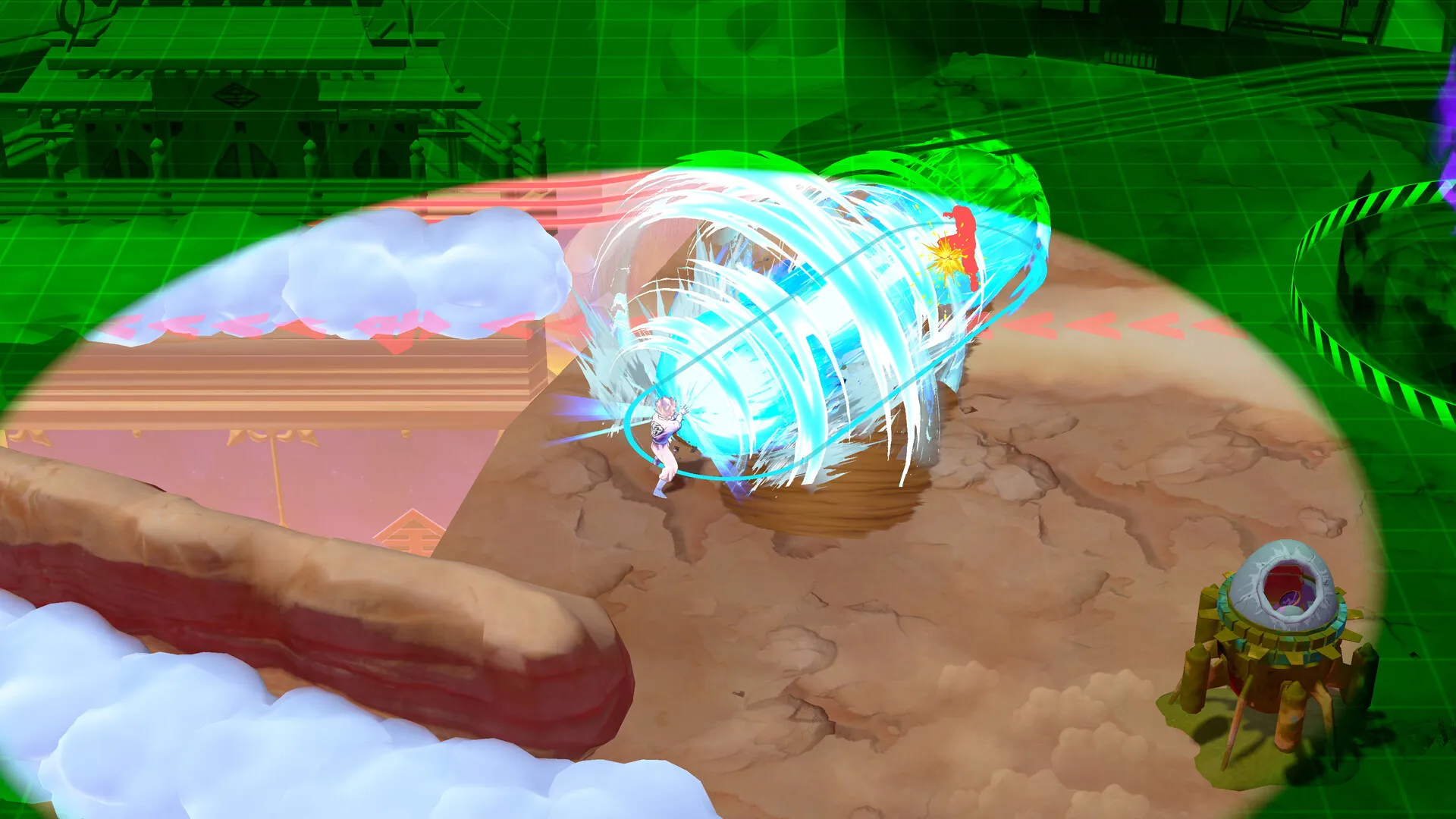
Damage dealers represent the most versatile role, featuring characters like Super Saiyan Goku who provide reliable offensive output and Piccolo whose ranged capabilities offer safer positioning options. The inclusion of fighters like Dabura with unique mechanics such as petrification through consecutive hits demonstrates how individual characters can define distinct playstyles even within the same role. These offensive specialists require players to balance aggression with survival, creating engaging moment-to-moment decision making about when to commit to fights.
Tank characters showcase the game’s understanding of defensive play beyond simple damage absorption. Super Saiyan Vegeta maintains respectable offensive output while offering the durability needed to initiate team fights and control space. Zamasu’s inclusion provides a more extreme example of the tank philosophy, prioritizing survivability and area control over raw damage output. These characters excel at creating opportunities for their teammates while requiring different positioning and timing skills than their damage-focused counterparts.
Technical characters present the most complex gameplay challenges, demanding precise positioning and game knowledge to maximize their effectiveness. Android 17’s energy dome represents this complexity perfectly, functioning as both offensive tool and defensive barrier depending on positioning and timing. These support specialists can dramatically impact team fights when used skillfully, providing healing, buffs, and crowd control that can turn the tide of battle.
The transformation system adds another layer of strategic consideration, as certain characters begin matches significantly weaker than their non-transforming counterparts before becoming formidable late-game threats. This creates interesting team composition decisions where players must weigh early game vulnerability against potential late-game dominance.
The Helper system extends character customization by allowing players to supplement their chosen fighter with support abilities that address weaknesses or amplify strengths. The role-based restrictions on Helper pairing prevent overpowered combinations while encouraging players to think holistically about their character builds. Even seemingly minor additions like the Farmer’s debuff capabilities can provide crucial advantages in close matches.
Character progression through Hero Memories and Zeni creates long-term investment in roster development, while the Star Collection system provides clear goals for experimenting with different fighters. This progression structure encourages players to broaden their expertise rather than focusing solely on single characters, supporting the team-based nature of the gameplay.
Visual Spectacle Meets Competitive Clarity
Gekishin Squadra succeeds remarkably at capturing the visual energy of Dragon Ball while maintaining the clarity necessary for competitive multiplayer gaming. The 3D character models demonstrate impressive attention to detail, accurately representing each fighter’s distinctive design elements and signature techniques. Animation quality remains consistently high across the roster, with special attacks and transformation sequences that genuinely feel like moments lifted from the anime.
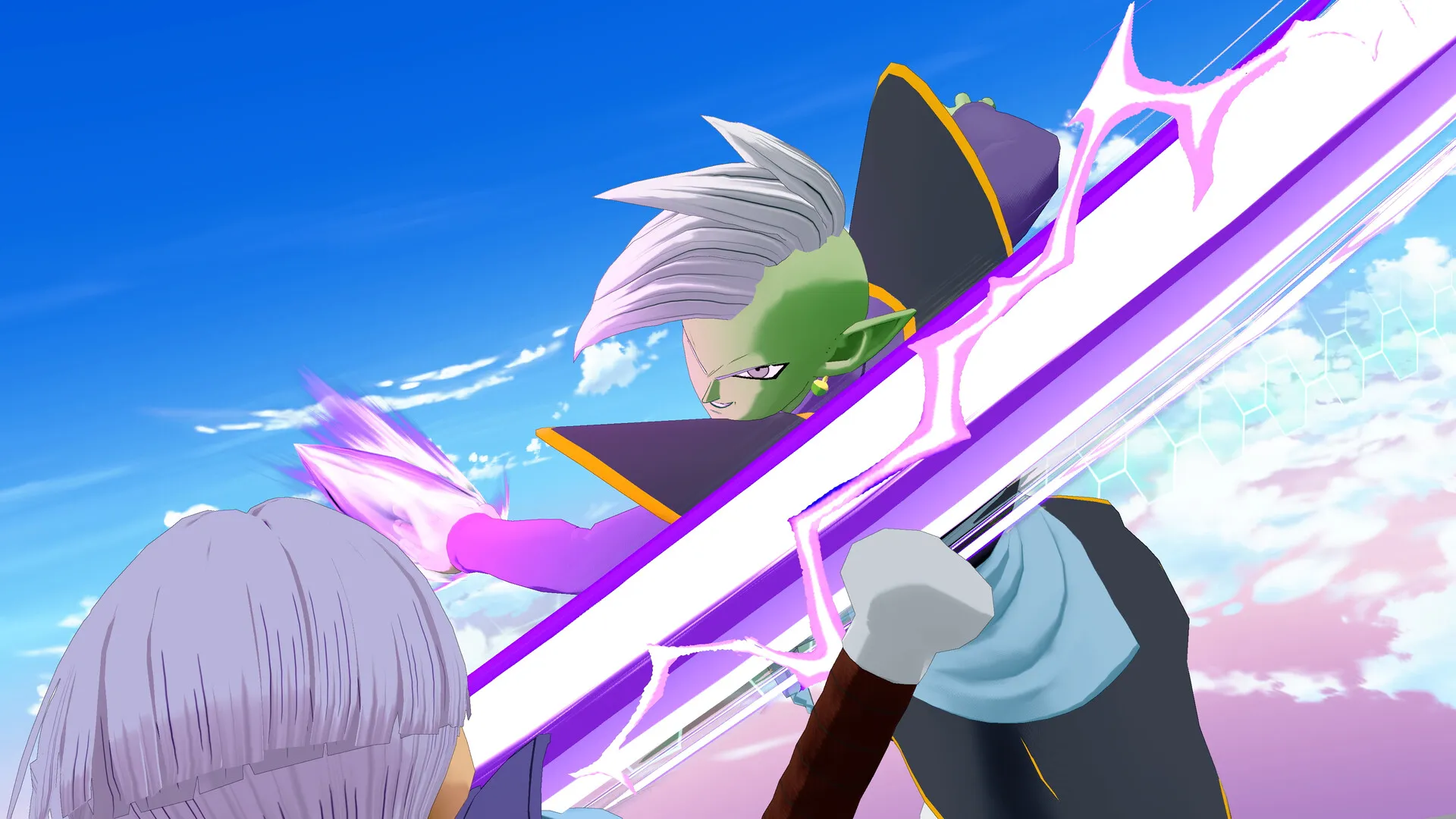
The game strikes a careful balance between spectacular visual effects and gameplay readability. While special abilities feature the explosive energy blasts and dramatic screen-filling attacks that fans expect, the visual design ensures that players can still track multiple characters and abilities during chaotic team fights. This represents a significant achievement in adapting an inherently over-the-top aesthetic to the practical demands of multiplayer combat.
Finisher animations deserve particular praise for their cinematic quality and variety. Each character’s knockout sequences feel personalized and impactful, creating satisfying conclusions to hard-fought battles while maintaining the pacing necessary for multiplayer matches. These moments of spectacle provide emotional peaks without disrupting the flow of gameplay.
Performance varies significantly across platforms, with the PC version delivering smooth 60+ FPS experiences while the Nintendo Switch version’s 30 FPS limitation noticeably impacts the responsiveness that MOBA gameplay demands. This disparity creates meaningful differences in competitive viability across platforms, potentially fragmenting the player base based on hardware limitations rather than skill levels.
The audio design effectively supports the visual presentation with authentic voice acting available in both English and Japanese. Character-specific voice work maintains consistency with established portrayals while delivering clear audio cues for abilities and game state changes. Environmental audio and musical integration provide atmospheric support without overwhelming the gameplay-critical sound effects that players rely on for competitive awareness.
UI design demonstrates understanding of both franchise aesthetics and functional requirements. Menu systems feel appropriately themed while maintaining the clarity and accessibility necessary for quick navigation during matches. The spectator-friendly visual design supports the game’s potential as an esports title while remaining accessible to casual viewers unfamiliar with MOBA conventions.
Beyond the Standard Battle
While Standard Battle under Gekishin Rules forms the core experience, the additional game modes reveal both the potential and limitations of the current content offering. The primary mode provides sufficient depth and variety to sustain long-term engagement, particularly given the cross-play functionality and robust party system that supports coordinated team play. Custom Match options extend this flexibility further, accommodating up to 10 players with comprehensive room creation tools that feel designed for community organization and tournament play.
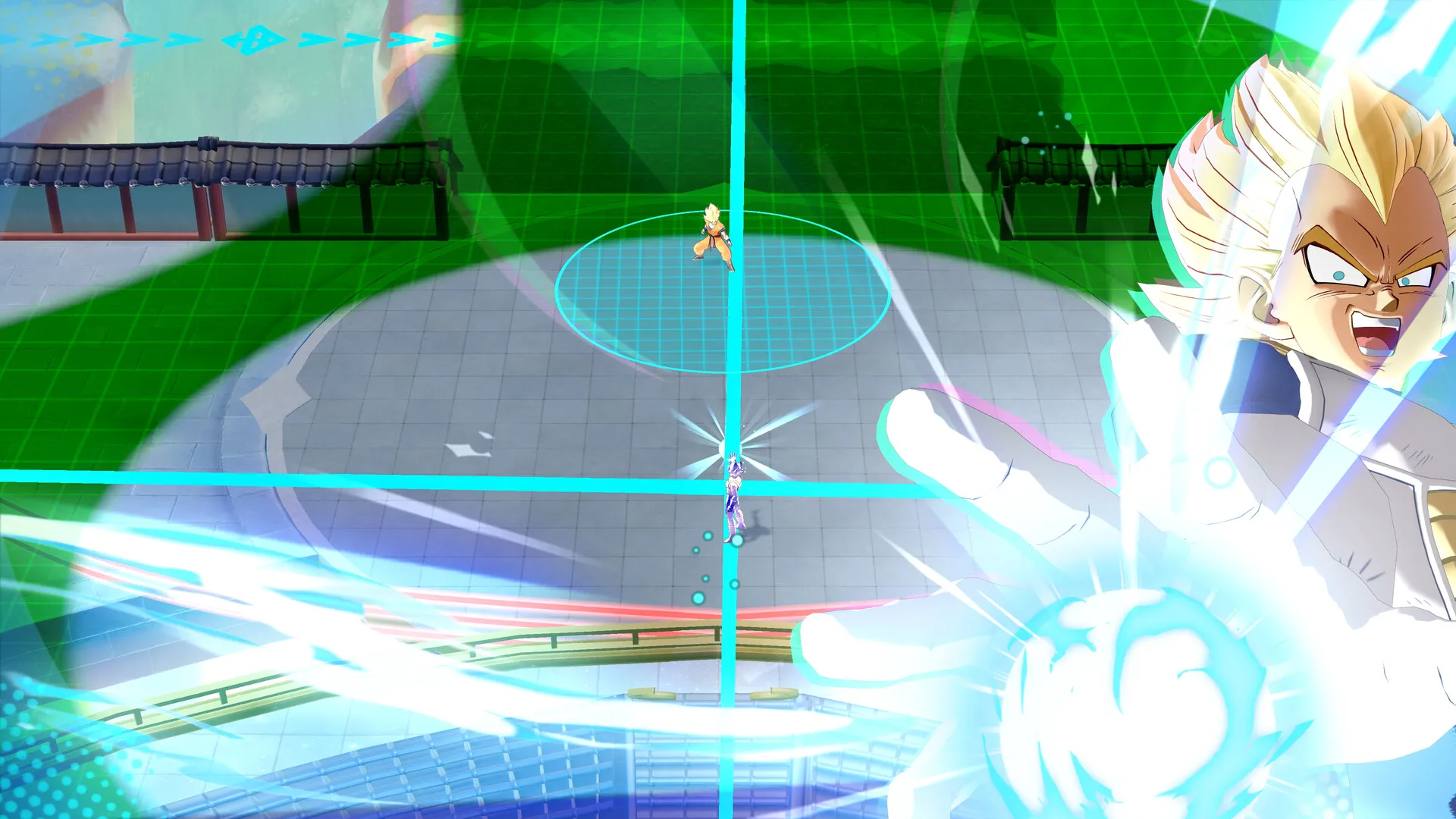
The alternative modes demonstrate experimental approaches to the established formula while highlighting areas for future expansion. Land Grab transforms the familiar map into a territorial control scenario, with three capture points generating victory points for the controlling team. This mode successfully adapts the character abilities and team dynamics to a different win condition, though it lacks the strategic depth that makes Standard Battle compelling over extended play sessions.
Finders Keepers presents an asymmetrical attack-and-defense scenario where one team searches for hidden chests while the other sets traps and guards key locations. While conceptually interesting, this mode feels more like a diversion than a fully developed alternative to the main experience. The trap mechanics and defensive positioning create different tactical challenges, yet the mode lacks the progression elements and strategic depth that define successful MOBA experiences.
The limited variety in core game modes represents the most significant weakness in the current content package. While the character roster and progression systems provide substantial replay value within Standard Battle, the absence of additional rule sets or map variations limits the game’s ability to surprise experienced players over time. Quick mode’s casual, non-ranked approach offers stress-free play but doesn’t address the fundamental need for more diverse competitive experiences.
Cross-platform compatibility deserves recognition as a forward-thinking feature that supports community health and accessibility. The seamless integration between PC, console, and mobile platforms removes barriers to playing with friends while expanding the potential player base for matchmaking purposes.
Progression That Rewards Dedication
The progression systems in Gekishin Squadra demonstrate a player-friendly approach to free-to-play monetization while providing meaningful long-term goals. The Star Collection ranking system creates clear advancement pathways tied to character experimentation and skill development rather than pure time investment. This approach encourages players to explore the full roster while providing concrete rewards for diversifying their gameplay experience.
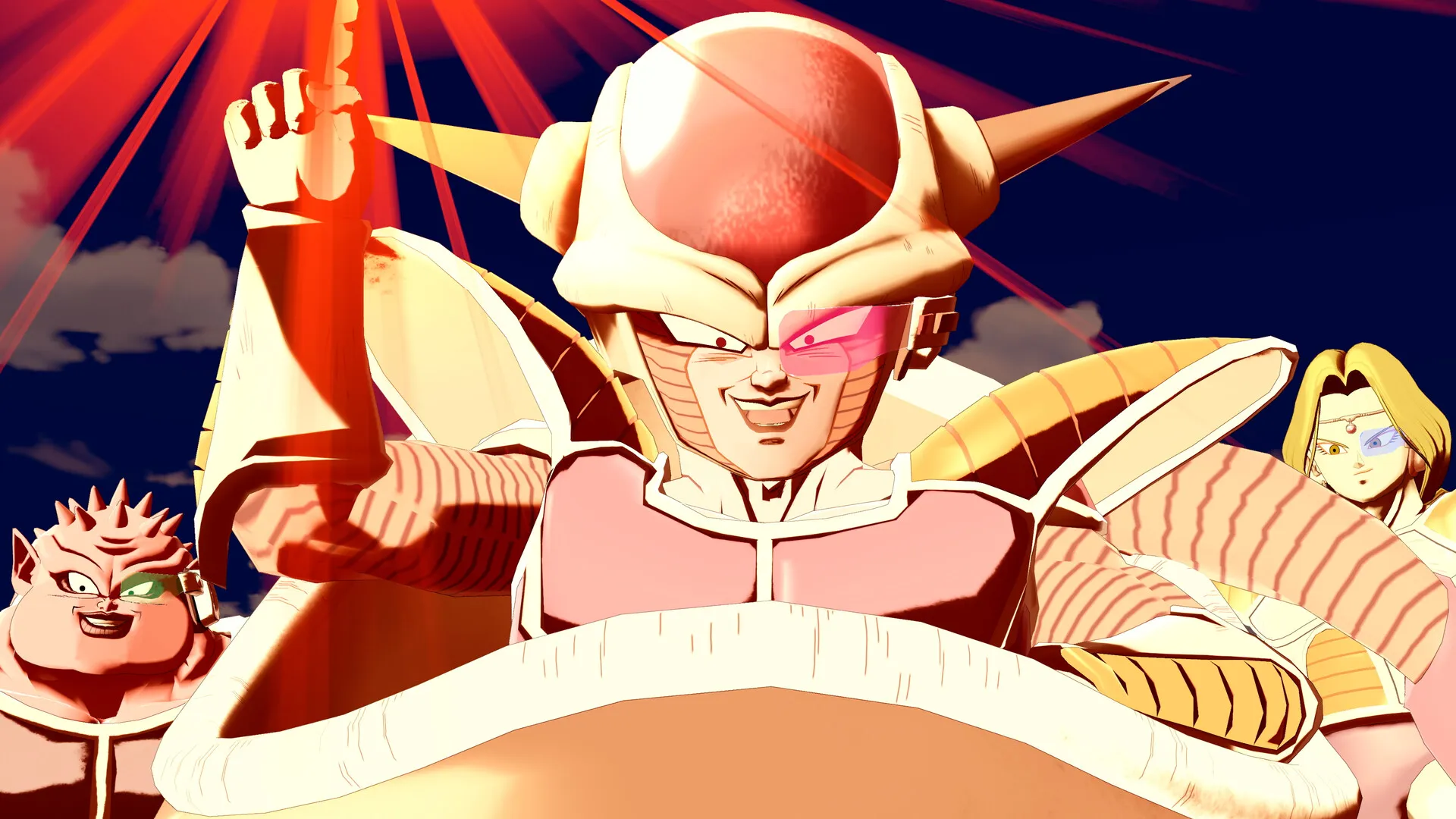
Character advancement through Hero Memories and Zeni requires thoughtful resource management without creating insurmountable barriers for dedicated players. The dual currency system allows for flexibility in upgrade priorities while the option to use Super Dragon Gems provides shortcuts for players willing to make premium purchases. The balance feels fair for free players while offering value for those choosing to support the game financially.
The Battle Pass structure provides seasonal goals that complement the core progression systems. Mission variety covers different playstyles and encourages players to experiment with roles and characters they might otherwise avoid. Role-specific challenges create natural learning opportunities while character-specific objectives deepen understanding of individual fighters’ capabilities and optimal usage patterns.
Mission design demonstrates understanding of player motivation and skill development. Rather than relying solely on time-consuming objectives, the system rewards successful execution of role-specific tasks and tactical decision-making. This approach helps players improve while working toward unlocks, creating positive feedback loops that support both progression and skill development.
The monetization model focuses appropriately on cosmetic content rather than gameplay advantages. All heroes remain accessible through standard progression, preventing pay-to-win scenarios while still providing premium purchase options for players wanting to support continued development. Skin designs, emotes, and finisher animations offer personalization without impacting competitive balance.
The Divine Combo Cards system adds build variety within individual characters, allowing players to customize their approach through strategic card selection. This system provides the depth that experienced players crave while remaining optional for those who prefer simpler approaches. The automatic acquisition of cards during gameplay ensures that even casual players gain access to these customization options.
Customization extends beyond simple cosmetics to include meaningful personalization elements that affect the gameplay experience. The variety of unlockable content through standard progression creates incentive for continued play while the premium options remain clearly supplemental rather than essential.
Technical Excellence and Growing Pains
The technical implementation of Gekishin Squadra reveals both impressive achievements and areas requiring continued development. On PC platforms, the game delivers consistently smooth performance with excellent optimization that maintains stable frame rates even during the most chaotic team fights. The comprehensive control options support both keyboard and mouse players and controller users, with fully customizable key bindings that accommodate different playstyle preferences.
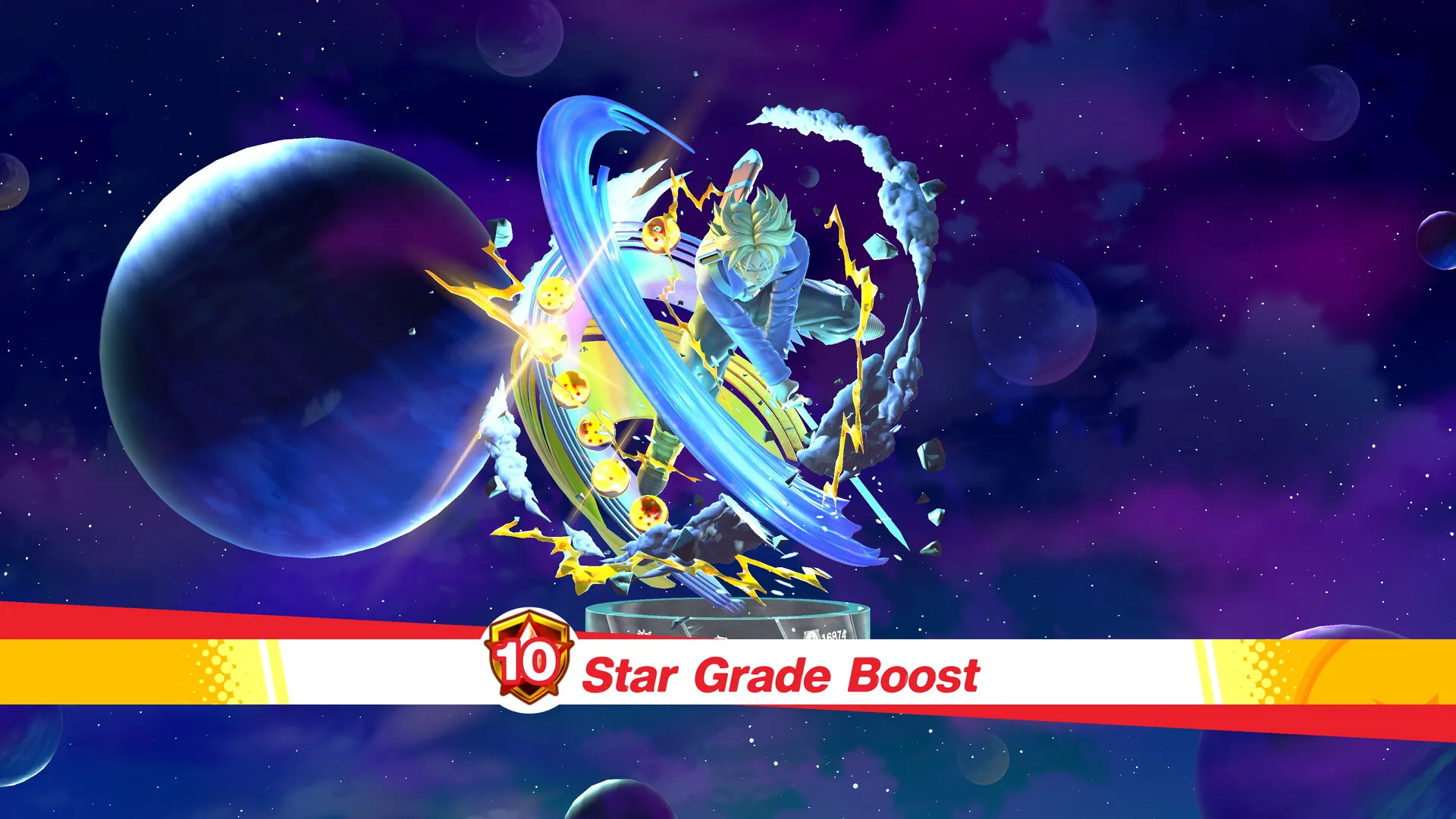
Cross-progression implementation works seamlessly across supported platforms, allowing players to maintain their progression and unlocks regardless of where they choose to play. This technical achievement supports the game’s accessibility goals while providing flexibility for players with multiple gaming devices.
The tutorial system deserves recognition for effectively introducing MOBA concepts to newcomers while respecting the time constraints of experienced players. The learning curve feels manageable for Dragon Ball fans unfamiliar with the genre while providing sufficient depth for players transitioning from other MOBAs. Matchmaking systems generally provide balanced experiences, though the effectiveness varies with player population and time of day.
Streamer-friendly features demonstrate forward-thinking development, with Streamer Mode protecting player privacy while supporting content creation. Language support extends to multiple subtitle options, improving accessibility for international audiences and supporting the game’s global appeal.
Platform-specific limitations create meaningful disparities in the competitive experience. The Nintendo Switch version’s 30 FPS limitation impacts responsiveness and visual clarity in ways that disadvantage players on that platform compared to those on PC or current-generation consoles. This creates an unfortunate situation where platform choice affects competitive viability rather than simply offering different ways to access the same experience.
The game’s future success depends heavily on continued support and content expansion. While the current foundation feels solid, the limited game mode variety and missing fan-favorite characters from the Dragon Ball roster create obvious areas for improvement. The developer’s approach to addressing these gaps will determine whether Gekishin Squadra can maintain player interest beyond its initial novelty period and establish itself as a lasting presence in the competitive gaming landscape.
The Review
Dragon Ball Gekishin Squadra
Dragon Ball Gekishin Squadra successfully adapts the beloved anime franchise to MOBA gameplay with impressive visual fidelity and accessible mechanics. The strategic depth and character variety create engaging team battles, while fair monetization respects player investment. However, limited game modes and platform performance disparities hold back its potential. This solid foundation shows promise for long-term growth with proper support.
PROS
- Excellent visual adaptation of Dragon Ball aesthetic
- Accessible MOBA mechanics for newcomers
- Fair free-to-play monetization model
- Diverse 22-character roster with unique abilities
- Strategic depth through transformation and helper systems
- Cross-platform play and progression
- Smooth PC performance
CONS
- Limited game mode variety
- Nintendo Switch performance issues (30 FPS)
- Missing popular Dragon Ball characters
- Alternative modes lack depth
- Platform performance disparities affect competition
- Repetitive core gameplay loop







