























![Kingdom Hearts Collection [I-III] Review](https://gazettely.com/wp-content/uploads/2026/10/Kingdom-Hearts-Collection-I-III-1-360x180.webp "Kingdom Hearts Collection [I-III] Review: KHII Holds Steady as Newer Entries Fluctuate 37")



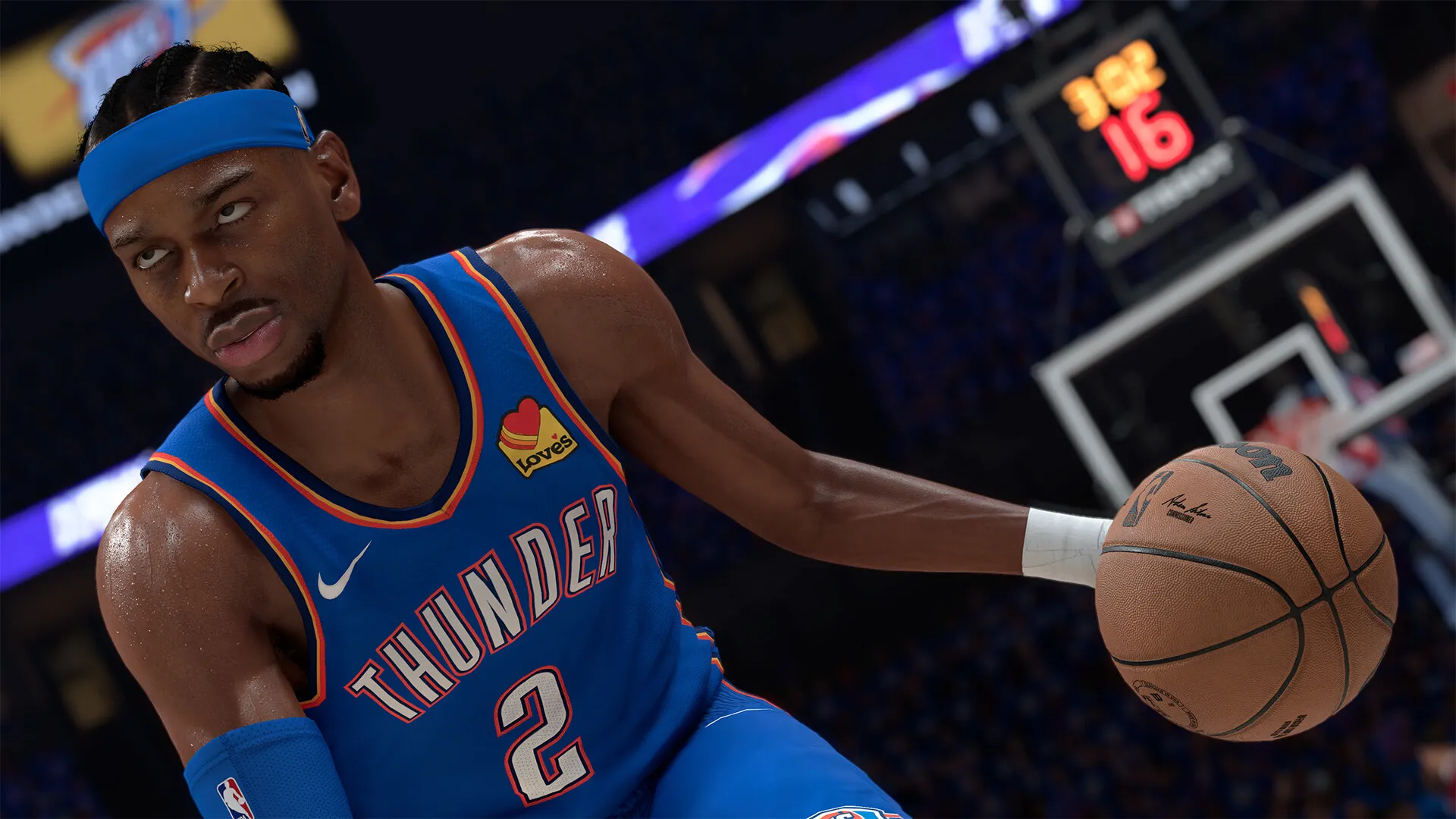

The release of a new NBA 2K game has become an annual ritual for a global community, an event that transcends simple entertainment. It is a digital reflection of American basketball culture packaged for worldwide consumption. NBA 2K26 arrives not as a revolution, but as a careful refinement of this formula. It seeks to satisfy its dedicated followers with familiar structures while simultaneously lowering its barrier to entry for newcomers.
This year’s entry focuses on improving the moment-to-moment feel of play, overhauling popular modes, and enhancing its accessibility. The game feels like a response to years of dialogue between its creators and its audience. This prompts the essential question: do these measured adjustments accumulate into a meaningful evolution for the franchise, or do they merely apply a fresh polish to a well-worn experience? The answer depends on how one interacts with this complex digital artifact.
The Evolving Language of Play
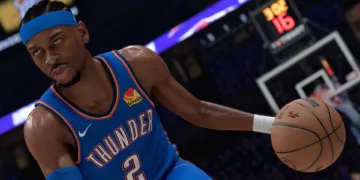
The essence of any sports simulation is its physical language, the way it translates athletic motion into digital action. NBA 2K26 speaks this language with a newfound fluency. Player movement has been significantly reworked, replacing the rigid, predetermined paths of past years with a system that feels more organic and responsive.
There is a tangible sense of weight and momentum as a player plants their foot to change direction or absorbs contact under the basket. This improved physicality is built upon a foundation of new animations for every facet of the game. Collisions have more convincing force, feints and hesitations create genuine deception, and the way players fight for position during a rebound looks less like a scripted sequence and more like a chaotic, physical contest.
The basketball itself behaves with greater fidelity, its bounces off the rim or the floor feeling less predictable and more authentic to the real sport. These changes accelerate the pace of the game, creating a faster and more fluid on-court product.
The most critical update to this language of play is the overhauled shooting mechanic. The game returns to a curved shot meter, a design that should be familiar to series veterans. When a player attempts a shot, this meter appears and begins to fill, and success is determined by releasing the button inside a designated green window.
This system is a deliberate move toward clarity and accessibility. Its genius lies in its dynamic nature. The size of that green window is not fixed; it constantly adjusts based on context. A tired player launching a contested shot will have a miniscule target, while a star shooter standing wide open will see a much larger one. This mechanic acts as a direct communication tool, teaching players to develop a higher basketball IQ.
It forces you to read the defense, manage your stamina, and understand player positioning before you even think about shooting. It rewards smart basketball. This design choice also represents a cultural preference for skill based inputs over the opaque, probability-driven systems of older sports games. There is, however, a clear trade off.
The system’s clarity leaves little room for imperfection. A release that is slightly early or late is now far more likely to result in a missed shot, removing some of the randomness that could occasionally save a poorly timed attempt.
This refined mechanical vocabulary allows for a deeper offensive experience. The game places a heavy emphasis on attacking the basket, providing players with an expanded arsenal of moves for driving and finishing at the rim. This encourages a more diverse and strategic offensive approach, steering players away from an over-reliance on isolation dribble moves and perimeter shooting.
The effectiveness of the post game offers a compelling alternative. Executing a methodical post move like the famed “Sombor Shuffle” becomes a strategic choice, a way to slow the pace and impose your will physically. This mechanical depth reflects the analytical evolution of the real NBA. Unfortunately, the defensive systems have not received the same level of attention.
On-ball defense often feels imprecise and unresponsive, making it difficult to stay in front of quicker players or effectively contest shots. This imbalance creates a game that heavily favors offense. The computer’s enhanced defensive AI provides a stiff challenge, using intelligent rotations and team strategy. Against a human opponent, the defensive shortcomings become more apparent, leading to high-scoring affairs that prioritize offensive spectacle over tactical defense.
Televisual Realism and Spectacle
Visual Concepts has long pursued a specific aesthetic goal with NBA 2K: not just realism, but a perfect simulation of a television broadcast. NBA 2K26 comes closer to achieving this than any predecessor, creating a spectacle of televisual hyperrealism.
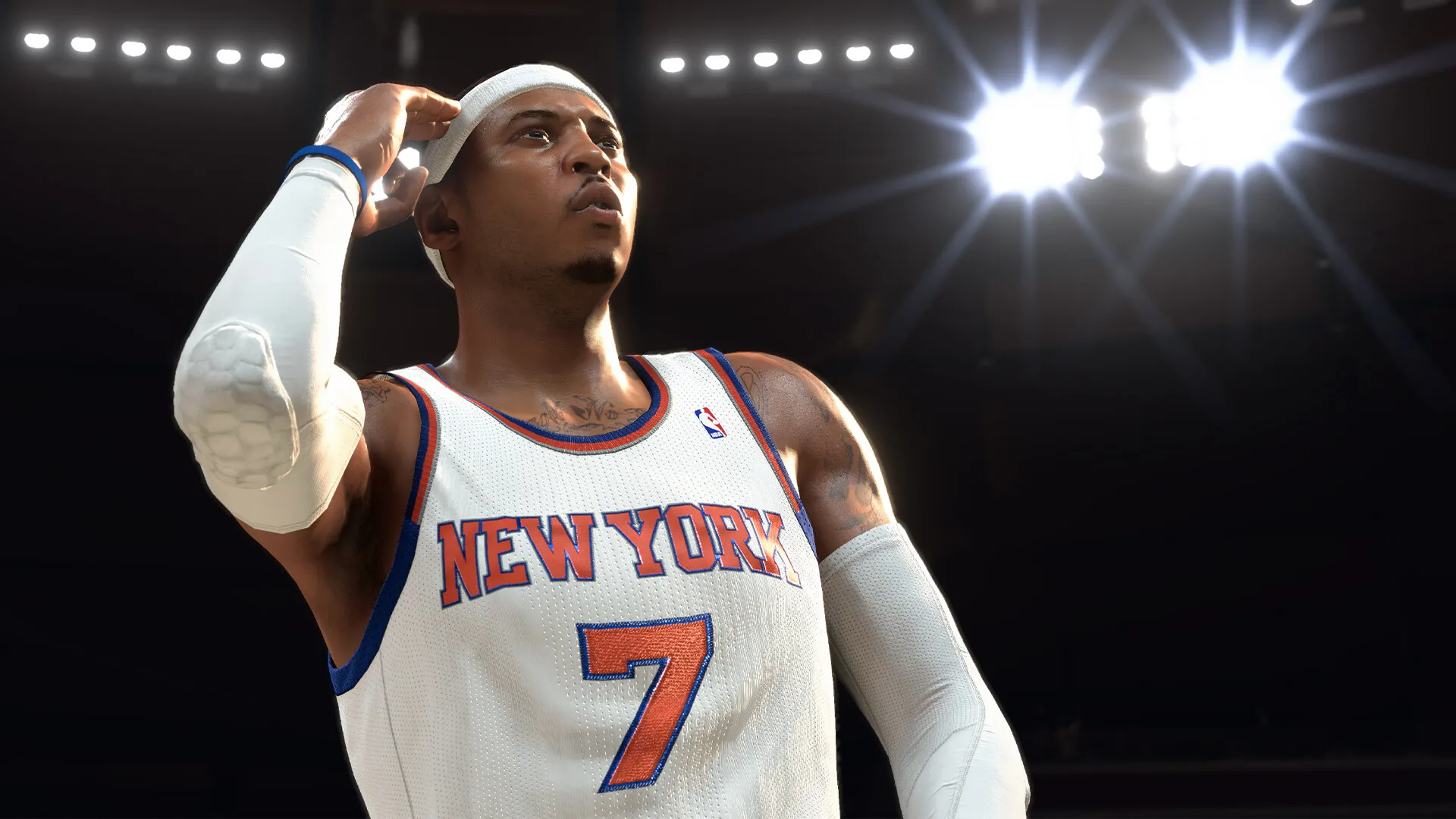
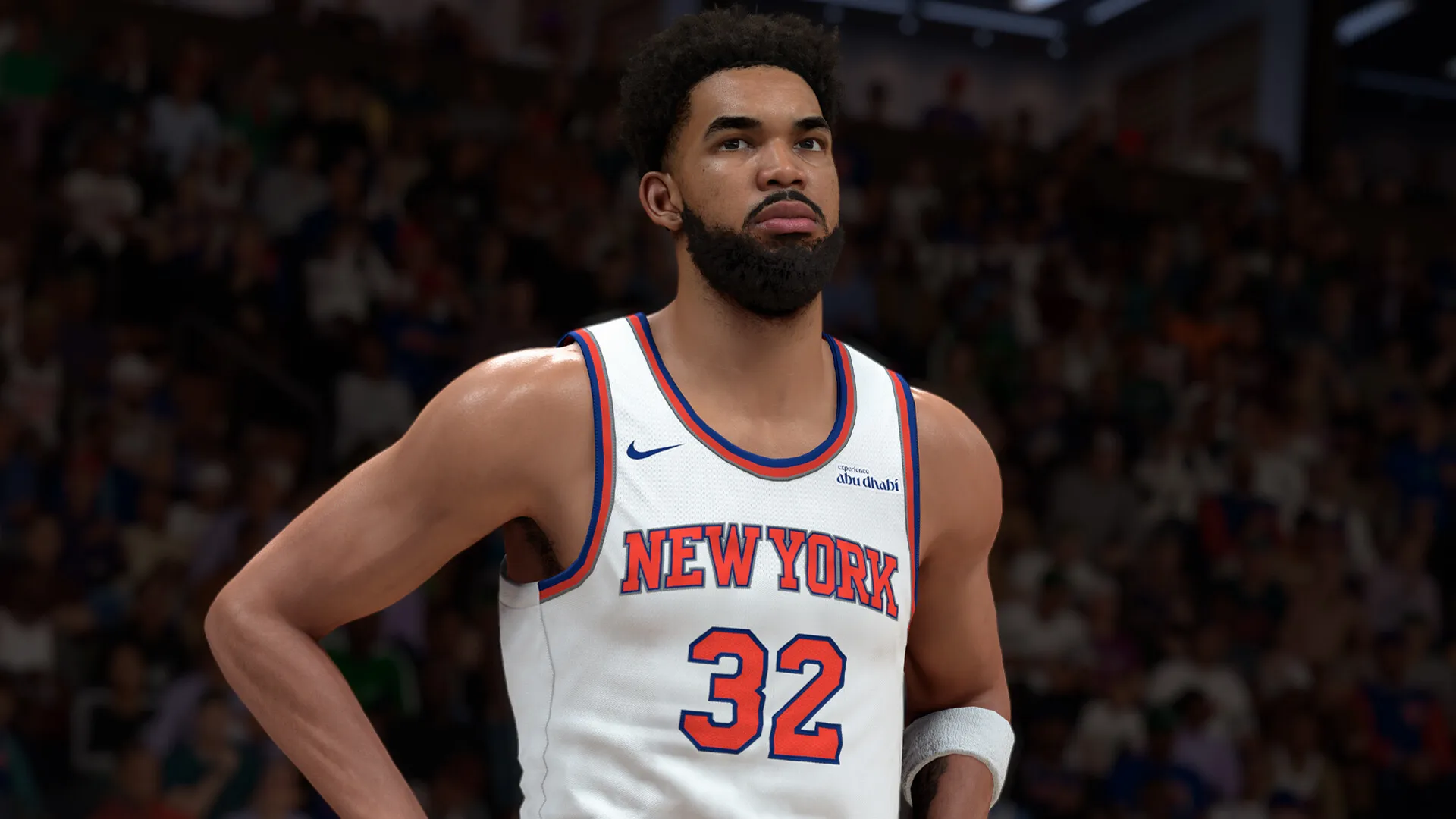
The graphical engine produces startlingly lifelike images, anchored by a sophisticated lighting system that realistically casts shadows and creates accurate reflections on the polished hardwood floors. Each of the league’s 30 arenas is a faithful digital recreation, capturing the unique architecture and lighting of its real-world counterpart.
The level of detail extends to the animated crowds, the dynamic advertisements on the scoreboards, and even the specific textures of the jerseys and court surfaces. The game defaults to camera angles that perfectly mimic a national broadcast, reinforcing the sense that you are controlling a media product, not just a game.
This commitment to atmosphere is what elevates the presentation. The experience is engineered to feel live and dramatic. Player models are exceptionally detailed, from their famous faces down to the way their jerseys move and the sweat that builds on their skin during a game. The emotional element of the sport is captured through hundreds of new animations for celebrations, reactions to calls, and interactions on the bench during timeouts.
The audio design is crucial to this effect. Crowd noise swells and recedes with the momentum of the game, roaring after a highlight play and falling to a murmur during free throws. The squeak of sneakers, the sharp sound of a bounce pass, and the chatter between players all contribute to the soundscape.
The commentary team provides a decent narrative layer to the action, though it can become repetitive over extended play. Every element of the presentation works in concert to replicate the controlled drama and visual language of a professional sports broadcast, transforming each game into a produced event.
The Monomyth of the Modern Athlete
The MyCareer mode has always been the narrative heart of NBA 2K, and this year it leans heavily into a classic storytelling structure: the monomyth. Players guide their custom avatar through the familiar beats of an underdog’s journey to stardom, complete with mentor figures, arrogant rivals, and moments of significant adversity.
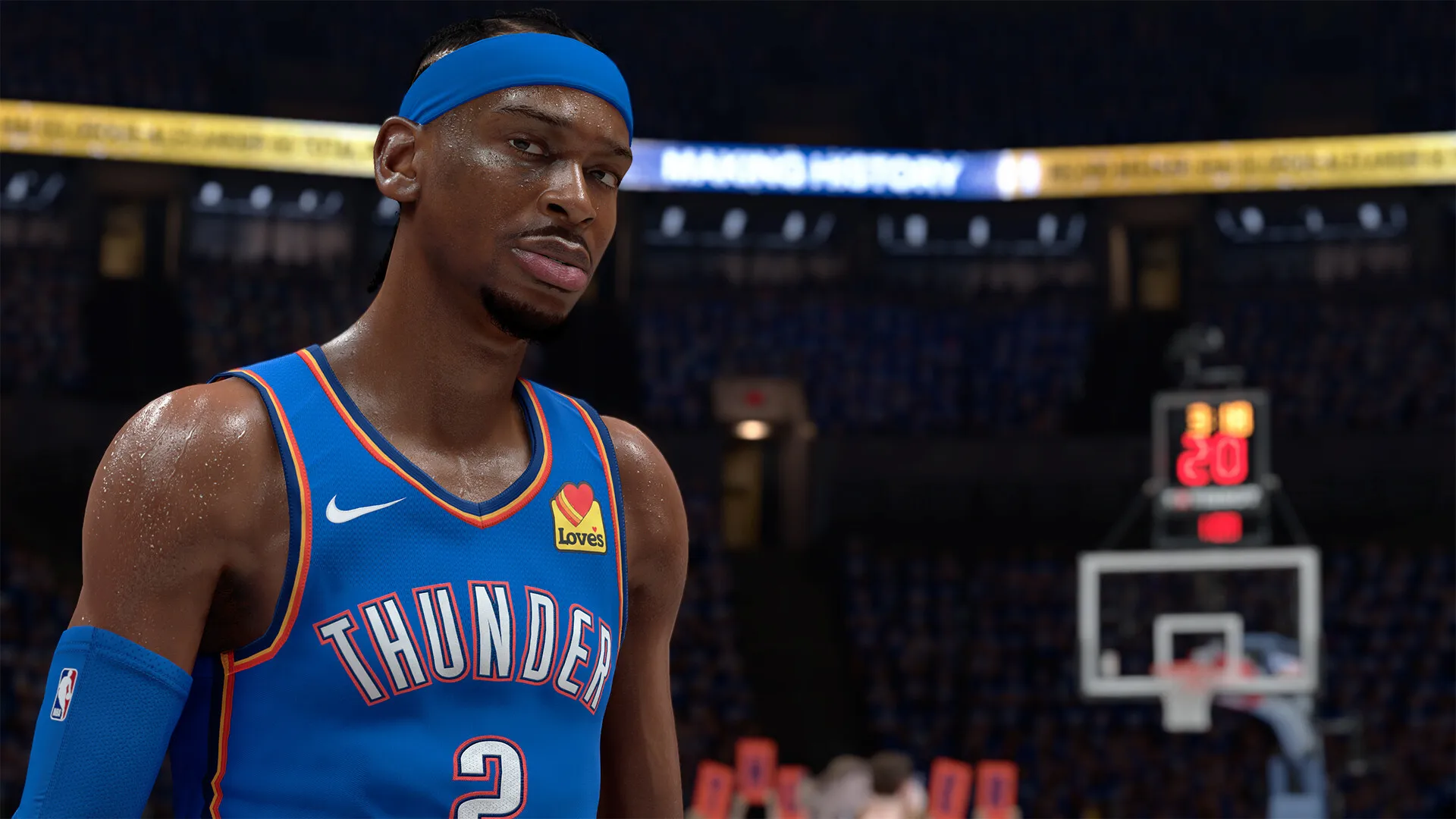
This archetypal story is effective because its themes of struggle and triumph are universally understood, reflecting a deeply ingrained cultural narrative about individual achievement. NBA 2K26 tells this story with more polish than before, featuring improved writing and more cinematic cutscenes. The inclusion of the “Out of Bounds” option is a fascinating narrative device. It gives players the choice to engage with this crafted story or to skip it entirely and jump straight into their NBA career.
This acknowledges the player’s role as a co-author, allowing them to decide if they want a directed experience or a self-defined one. The narrative also thoughtfully incorporates the commercial realities of modern sports, weaving in storylines about endorsements and personal branding, reflecting the athlete’s role as both a competitor and a media entity.
This narrative is supported by a more flexible and rewarding progression system. The old, restrictive archetypes have been replaced with a streamlined system of Mastery and Skill levels. This gives players far more agency in shaping their character’s abilities on the court. Instead of being locked into a predefined role, you can evolve your player organically based on your preferred style of play.
New specialization challenges further encourage this tailored development, rewarding you for completing specific on-court tasks related to your chosen skills. This mechanical design has deep roots in role-playing games, a testament to how the language of RPGs has permeated all genres of gaming. It provides a satisfying feedback loop of effort and measurable growth.
This entire individual journey unfolds within the social space of The City, the game’s massive multiplayer hub. This year, The City has been reorganized with a more intuitive layout, making navigation less of a chore. Technical performance is also improved, resulting in a more stable experience.
It functions as a digital third space where players can show off their custom characters, compete in streetball games, and interact with the community. The renewed focus on seasonal MyPARK events and the return of the “Crews” feature, which allows players to team up for rewards, provide a collectivist counterpoint to MyCareer’s individualistic narrative.
Roster Realities and Managerial Neglect
The game’s team-focused modes present a sharp philosophical divide, one that highlights a conflict between a progressive message and the limitations of its own design. MyTEAM, the popular card-collecting mode, makes a significant statement by fully integrating WNBA players. This allows users to construct fantasy teams featuring stars from both leagues, a narrative choice that champions gender equality and reflects a positive cultural shift in sports.
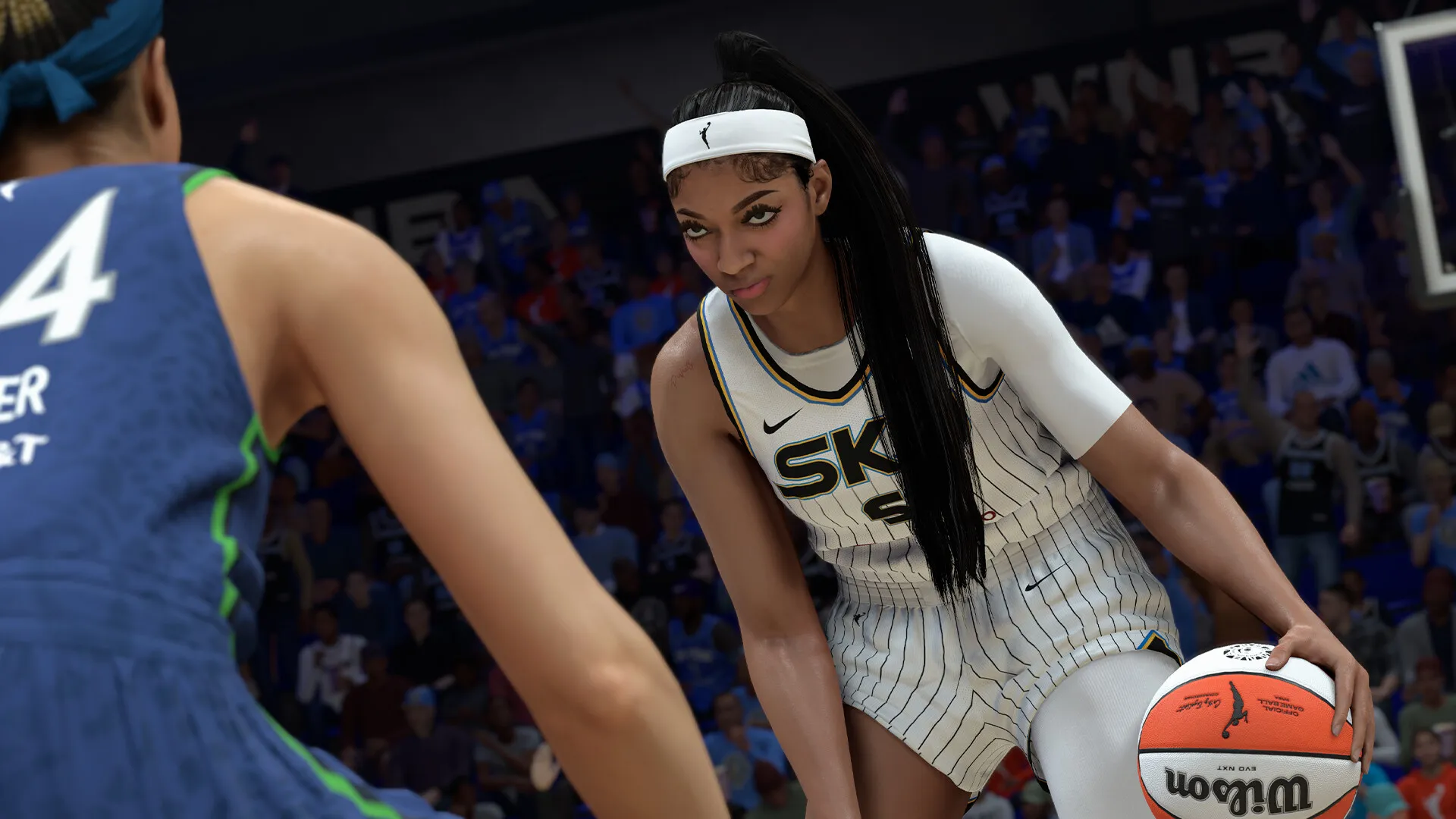
The problem is that the game’s mechanical systems are not equipped to support this narrative. The gameplay engine, which has been tuned for years around the specific physics and body types of NBA athletes, cannot properly account for the physical differences between the players. This leads to severe and unavoidable balancing issues.
When position locks force a 6’4″ WNBA center into a defensive matchup against a 7’3″ NBA giant, the competitive integrity of the mode is broken. This is a profound example of narrative-mechanical dissonance, where the game’s progressive story is undermined by a rigid mechanical framework that was built on a different set of assumptions.
It reveals the difficulty of implementing new ideals onto an old foundation without a fundamental redesign. This mode also incorporates “gacha” style card packs and a marketplace, a monetization model with roots in East Asian mobile games that is built on the psychology of chance and collection.
While MyTEAM grapples with these complex issues, the offline MyNBA and MyGM modes suffer from simple neglect. These modes appeal to a different type of player, one who enjoys the deep, slow-burn strategy of building a franchise over many seasons.
This year, these players will find an experience that is almost identical to last year’s. The most notable new feature is “Offseason Scenarios” for MyGM, a system that provides teams with specific, long-term goals. These scenarios often feel arbitrary and disconnected from the emergent narratives that make franchise modes so engaging.
They feel like a shallow layer of content applied to a mode that craves systemic depth. Minor quality-of-life improvements, like faster menu simulations and the addition of public online leagues, are appreciated but do not compensate for the lack of meaningful innovation. This neglect is indicative of a broader industry trend that prioritizes monetizable online “live service” modes over deep, single-player experiences. It is a business decision that leaves a dedicated portion of the player base feeling ignored.
Widening the Gates
NBA 2K26 makes a clear and admirable effort to be an inclusive and welcoming product, though some of its initiatives are more successful than others. The W, the dedicated WNBA career mode, takes some positive steps forward. Players are now able to create their own athlete, engage in off-court activities like press conferences, and pursue greatness through a series of GOAT challenges.
These additions provide a more robust framework for the mode. However, it still feels underdeveloped when compared to its male counterpart. The W lacks the detailed badge progression system and deep narrative structure that make MyCareer so compelling. This disparity in resources and design focus gives the mode the feeling of an afterthought. It is a form of representation that stops short of true equality, a gesture toward inclusion that remains incomplete.
The game is far more successful in its efforts to lower the barrier to entry for new players. The entire experience is layered with an extensive suite of tutorials and training tools designed to function as a form of cultural translation.
These systems do an excellent job of teaching the complex rules and strategies of basketball to an international audience that may be unfamiliar with the sport. Visual aids highlight open players, diagrams explain advanced plays, and guided drills help players master difficult mechanics.
This commitment to education is essential for a product that enjoys such a massive global footprint. It ensures that the language of the game can be understood and enjoyed by players of all skill levels and cultural backgrounds. Paired with the more intuitive shooting system, these features make NBA 2K26 the most accessible entry in the series in years, successfully widening the gates for a new generation of players.
The Review
NBA 2K26
NBA 2K26 is a meaningful step forward, focusing on refining its on-court feel and widening its appeal. The more fluid player movement and accessible shooting mechanics make for a genuinely better gameplay experience, complemented by stunning broadcast-style presentation. While the improved MyCareer is engaging, the game is held back by the stark neglect of its offline franchise modes and the unresolved balancing issues in MyTEAM's ambitious WNBA integration. It's a strong, polished entry that prioritizes its online community, for better and for worse.
PROS
- More fluid and natural player movement.
- Accessible and intuitive shooting system.
- Superb graphics and broadcast presentation.
- Streamlined and engaging MyCareer progression.
CONS
- Offline modes like MyNBA and MyGM are largely ignored.
- WNBA integration in MyTEAM creates significant balance problems.
- On-ball defense feels loose and less effective than the offense.