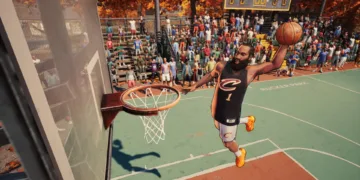

















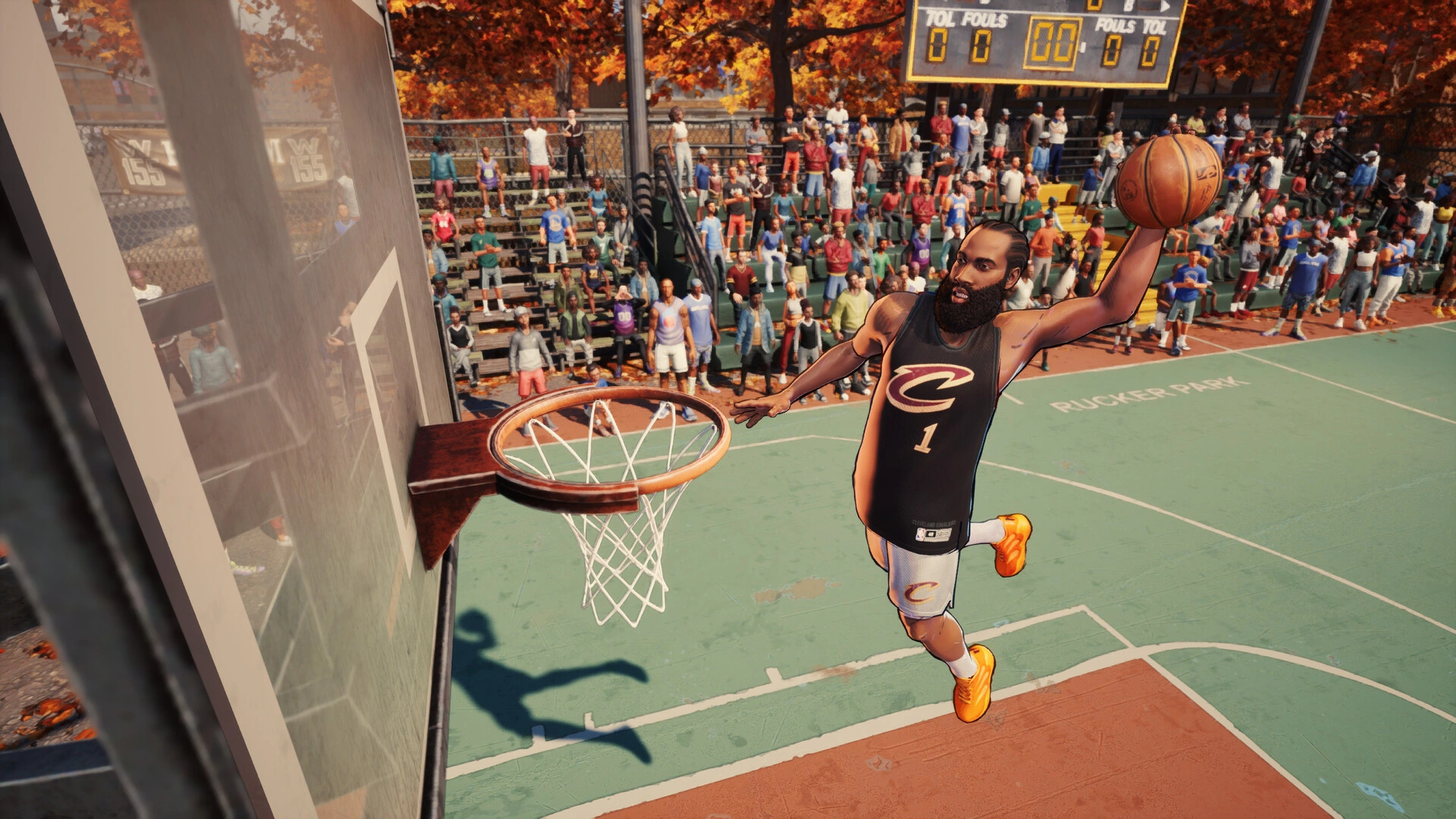

NBA The Run treats basketball as a shared language, one spoken through alley-oops, chasedown blocks, heat-check threes, and the small social contracts of pickup play. Play by Play Studios builds its 3v3 online streetball game as a spiritual cousin to NBA Jam and NBA Street, trading simulation gravity for speed, swagger, and the constant itch to queue for another match.
Its appeal is immediate. Matches are short, stars are recognizable, and every possession carries the possibility of a momentum swing. Victor Wembanyama stretches the court like a myth written in limbs, Stephen Curry bends defensive space from deep, and Ja Morant turns the lane into a launch pad. The game knows the spectacle of modern basketball has become international street theater, shaped by American playground mythology, social media highlights, and courts from Manila to Beijing.
That reach gives NBA The Run a strong identity. Its limits are clear. This is an online-first package with thin solo options, no true couch co-op, and a structure that can feel repetitive after extended play.
Quick Hands, Faster Decisions
The best thing about NBA The Run is how quickly it teaches you to think. A match can end in minutes, so hesitation feels costly. The basic loop is simple: move, pass, shoot, dunk, defend, repeat. Yet the rhythm becomes richer once you start reading bodies rather than buttons. A teammate cutting toward the rim, a defender leaning too hard toward the perimeter, a tired ball handler trying to sprint through contact, these details decide games.
On offense, the game favors expression without giving full license to selfishness. You can dribble into space, pull from distance, trigger a trick move, fire an alley-oop, or attack the rim with a dunk. Individual brilliance produces the highlight reel, but ball movement wins the longer argument. A player who refuses to pass can turn a fast, joyful match into a very small tragedy. Pickup basketball has always carried that tension between personal style and shared rhythm. NBA The Run translates it neatly into mechanics.
Defense has bite. Blocks, steals, rebounds, shoves, contests, and stamina management keep you active when the ball is elsewhere. A clean stop can feel as satisfying as a dunk because it demands timing and restraint. Jump too early and you are punished. Swipe too often and stamina drains. Give a shooter room and the scoreboard makes fun of you.
The “In the Zone” system adds a smart tactical accent. Strong play builds a meter, then lets a star lean harder into a signature skill. A shooter becomes scarier, a defender becomes harder to test, but the boost never feels like a free win. It narrows risk rather than erasing it.
Rotating rules sharpen that design. Some rounds reward dunks, some favor threes, some shorten the target score. This keeps team-building flexible and pushes players away from one-note habits.
Online Pickup, Shared Glory, Thin Solitude
NBA The Run’s mode structure revolves around Knockout play, a tournament format that suits its speed. Knockout Squads is the purest version of the idea. Each player controls one athlete in a three-person lineup, creating the best chance for improvisation, missed signals, sudden chemistry, and the small comedy of strangers trying to become a team in real time. When it works, it captures the park-court high of winning with people you barely know. When it fails, it often fails because someone has confused basketball with a one-man audition tape.
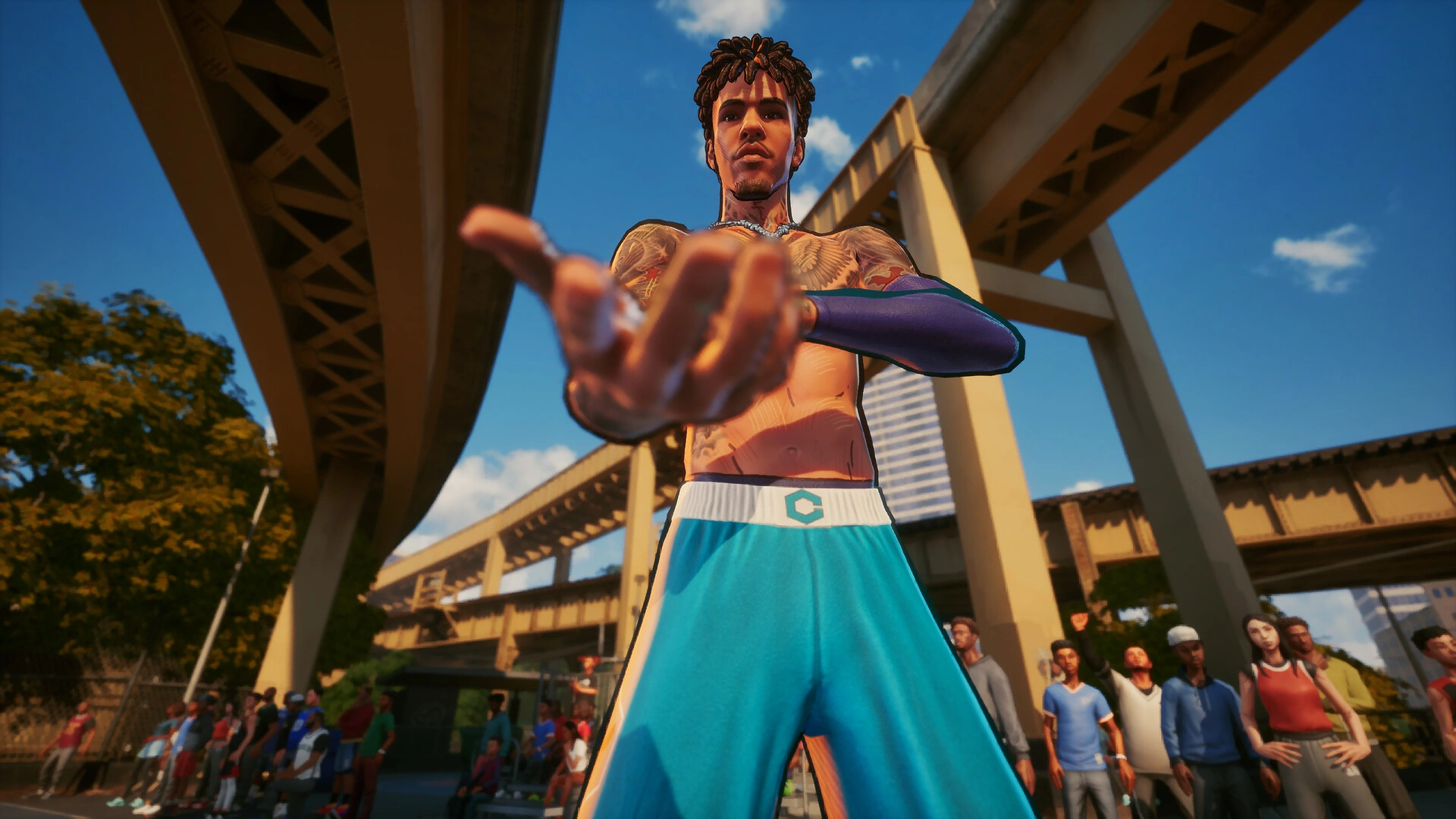
Knockout Solos gives you control of the entire team, which makes strategy cleaner in theory. In practice, the tempo can make player switching feel abrupt. AI teammates usually understand spacing, but they still make odd choices, and those mistakes stand out in matches this brief.
Knockout Friends offers private tournaments, large groups, and AI matches, giving the game a useful social sandbox. Shooting Around exists for basic practice, though it lacks the pressure needed to prepare for real possessions.
The roster gives these modes their texture. NBA The Run includes over 30 NBA players and several street legends, with names such as Wembanyama, Curry, Damian Lillard, Devin Booker, Nikola Jokic, LaMelo Ball, Kyrie Irving, and Morant giving different team compositions a clear purpose.
Signature shooting forms and stat profiles help stars feel connected to their real-life identities. That matters in a game built around basketball as global iconography. Fans from Phoenix, Manila, Belgrade, or Oakland may bring different attachments to these players, and the game lets those affiliations shape team choice.
Progression stays fair. Cred comes from play, then goes toward cosmetics, jerseys, rookie variants, dunks, taunts, banners, badges, and profile items. The absence of pay-to-win pressure is welcome. The grind can feel slow, especially once the early novelty softens.
Courts, Sound, and the Shape of a Living Game
NBA The Run’s presentation understands that streetball is geography with a scoreboard. Its courts are among its strongest features, turning matches into a loose world tour through basketball spaces shaped by local memory. Toronto, Chicago, Philly, Venice, New York, Beijing, and the Philippines give the game a cultural spread that feels intentional rather than decorative.
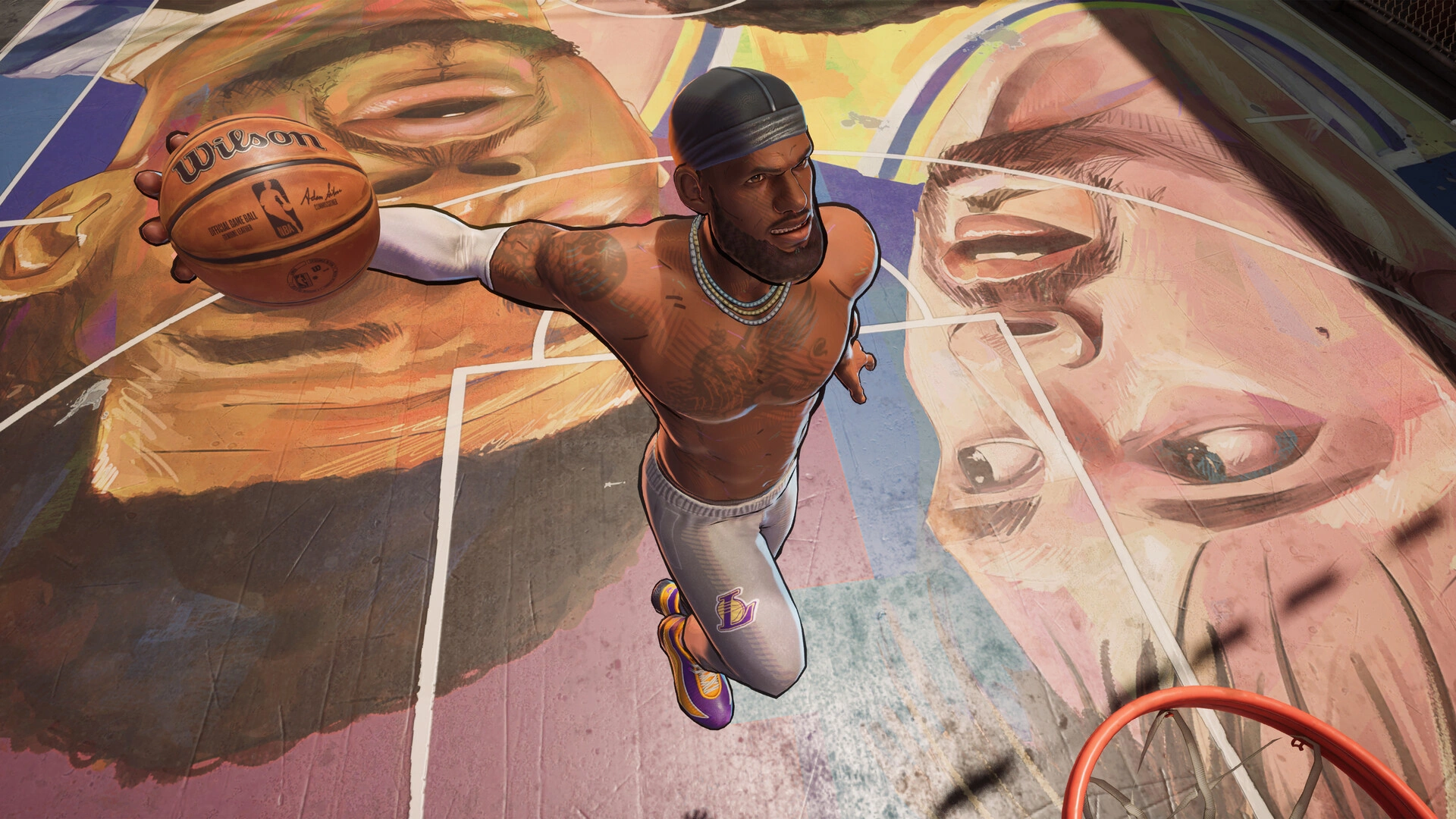
The Tenement in Manila stands out because it captures basketball as public ritual: balconies, spectators, concrete, heat, and the sense that the court belongs to a community before it belongs to a brand. Rucker Park carries its own historical charge, a reminder of how streetball fame often grew through oral legend before clips traveled instantly across the internet.
The visual style sits between comic-book exaggeration and athletic likeness. Players look energetic and readable, with signature releases giving the stars extra personality. Some animations can appear slightly loose or cartoony, yet the snap of the action keeps the game legible. In a title this fast, clarity matters as much as beauty.
Bobbito’s voice gives the matches a streetball pulse, and the sound effects sell the pleasure of blocks, dunks, and contact. The music has energy, but the absence of licensed tracks leaves the audio identity thinner than expected for a game drawing from arcade sports memory.
The bigger issue is longevity. NBA The Run is easy to love in short bursts, and those bursts can stretch into long sessions through pure “one more run” temptation. Still, repeated tournaments begin to blur. Without a true single-player campaign, deeper offline suite, or couch co-op, the game leaves part of its natural audience outside the fence. The foundation is stylish, social, and frequently thrilling. It needs new ways to let that streetball culture breathe.
The Review
NBA THE RUN
NBA The Run is a stylish, fast, and highly playable arcade basketball game with excellent match flow, sharp team play, and strong global streetball energy. Its comic-style visuals, recognizable stars, and varied courts give it real personality, while its lack of story content, couch co-op, and deeper solo modes leaves the package feeling thinner than its gameplay deserves. Best enjoyed in short competitive bursts.
PROS
- Fast, addictive 3v3 gameplay
- Strong roster of NBA stars
- Stylish global streetball courts
- Fair cosmetic progression
- Defense feels active and rewarding
CONS
- No true single-player campaign
- No couch co-op
- Limited mode selection
- Progression can feel slow
- Repetition sets in during long sessions