


















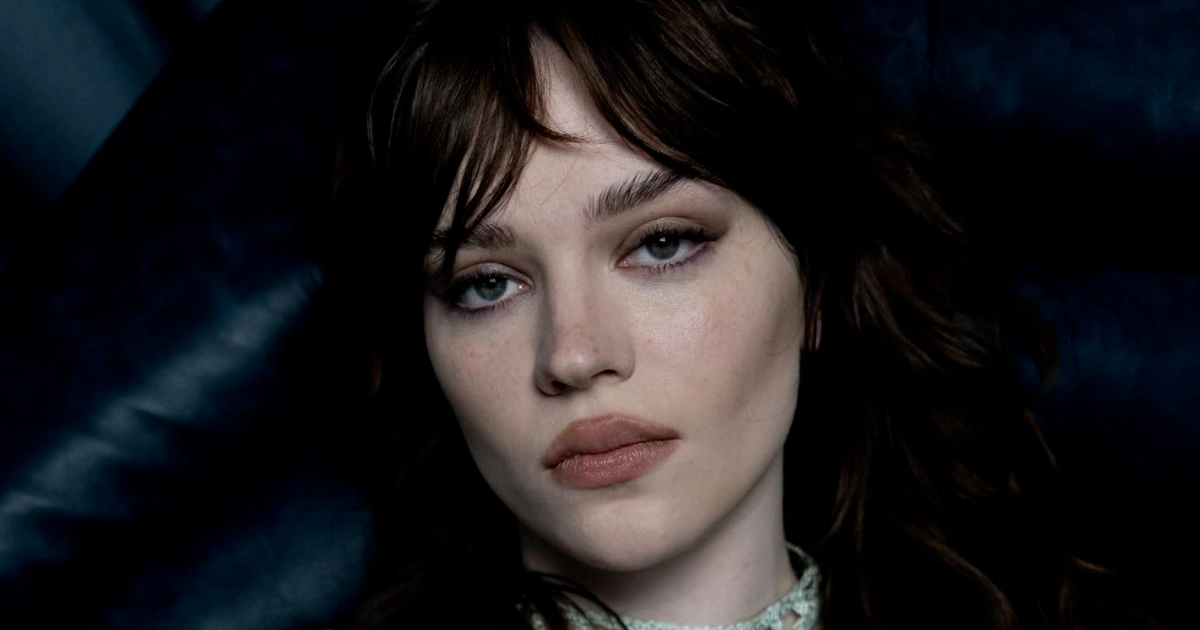

Sophie Thatcher says nearly seven years inside one character has left her craving distance, and she’s counting down to the moment she can set “Yellowjackets” aside for good.
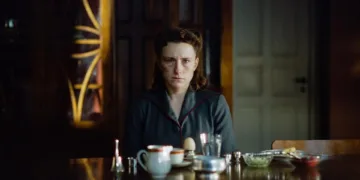
The 28-year-old actress, who plays teenage Natalie Scatorccio opposite Juliette Lewis’s older version of the character, described the role as something that follows her from project to project. She told the outlet that she brings pieces of Natalie into everything else she films, comparing the character to a presence that won’t fully leave. Thatcher said the production itself took a toll, recalling panic attacks tied to recreating a high school environment, down to the fluorescent lighting and dropped-ceiling tiles common to the sets.
The admission lands as the Showtime drama heads into its fourth and final season. Series creators Ashley Lyle and Bart Nickerson announced last October that the story of a stranded girls’ soccer team would close out after four seasons, ending a run that began in 2021. Production started in Vancouver in February, with Hilary Swank returning as an adult survivor and newcomer Molly Ringwald joining the cast. No premiere date has been set, though the show’s earlier seasons suggest a late 2026 launch.
Thatcher called the prospect of stepping away from series television “an era of freedom,” pointing to the grind of long shooting schedules as the main deterrent. She has built a film career alongside the show, breaking out in 2024’s “Heretic” opposite Hugh Grant before taking lead roles in “The Boogeyman” and “Companion.” She named directors Kelly Reichardt and Todd Solondz as future collaborators she’d pursue, along with Lars von Trier if his health allows it, framing the ambition around directors with a distinct creative stamp rather than commercial safety.
Her next release, “Her Private Hell,” reunites her with “Drive” director Nicolas Winding Refn on his first feature in a decade. Thatcher stars as an actress unraveling inside a mist-choked city, in a role critics have singled out even as reviews of the film split sharply after its Cannes premiere.