

























The logic of the squared circle shifts closer to simulation through the introduction of the purple fatigue bar. This exhaustion state appears when a performer is winded, and it forces a tactical slowdown by shutting off runs and reversals. Energy management now matters on a move-by-move basis because careless aggression can leave you fully exposed.
The change addresses the long-standing problem of players controlling matches through endless reversal loops. It follows a cadence similar to Fire Pro Wrestling, where momentum needs careful management. In practice, that can lead to a desperate pin attempt or a stalling submission used to buy time for stamina recovery. The pace that follows feels closer to a televised wrestling match than a standard fighting game.
The wrestlers and the ring itself carry greater weight through revised collision logic. Throws and high-impact bumps have a stronger sense of place, and the environment affects them in visible ways. A wrestler slammed onto the steel steps lands with a harsh metallic crunch. Bodies suplexed near the edge of the ring rebound from the ropes with convincing tension. Interactive weapons such as thumbtacks push the game closer to the hardcore tone seen in AEW: Fight Forever.
The tacks stay lodged in a wrestler’s skin for the rest of the match, creating a visual reminder of the damage. The “bloody explosion” effect tied to major trauma pushes that grit even further. Referee interactions also add strategy. The Bully payback can pressure the official into faster counts, and the Ref Bump opens the door for cheap advantages during a scramble. Taken together, these changes make wrestling feel denser, rougher, and far more deliberate.
Stipulations and the Variety of Violence
The expanded match list builds out a strong collection of classic stipulations with different win conditions. The I Quit match stands out as the most involved addition, replacing standard button mashing with a timing-based mini-game that asks for precision. Damage has a direct effect on that struggle.
As your superstar takes punishment, the success zones on the meter shrink. Opponents can also earn blockers that interfere with your attempts to survive, which gives the whole sequence a fitting sense of panic. It demands a level of concentration that many regular matches never ask for.
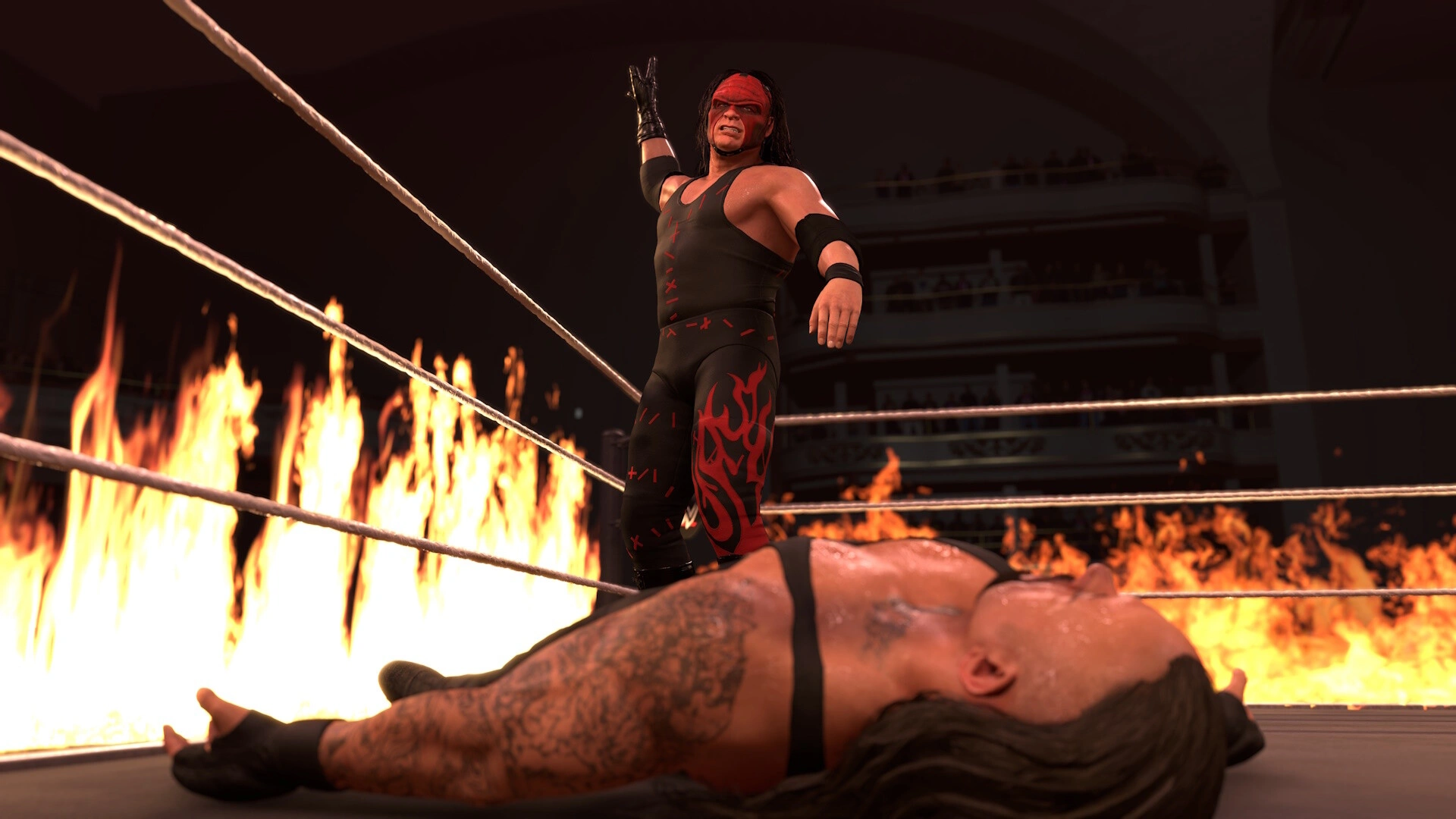
Other additions, including Inferno and Dumpster matches, lean into environmental goals. In an Inferno match, offense builds heat until flames surround the ring, and the final task is forcing your opponent into that danger. Dumpster and Casket matches follow a related structure. You wear an opponent down, control the pace, and then trap them inside the required object. The logic is simple, though the presentation gives each stipulation its own identity.
For players who want a longer feud payoff, Three Stages of Hell returns as one of the strongest rivalry enders in the package. It lets you assemble a custom sequence of three match types inside a two-out-of-three falls setup. That structure gives long-running Universe mode feuds a real sense of escalation. The game also opens up larger gauntlet options, letting you run through multiple opponents in one session.
These additions help break up the repetition that can settle over the standard singles format. The Dumpster and Inferno matches do share some mechanical DNA with the existing Ambulance match, yet their visual hooks line up with the kind of spectacle fans expect from the series license. The result is a stipulation lineup that keeps the series’ toybox appeal firmly in place.
The Punk Narrative and Revisionist History
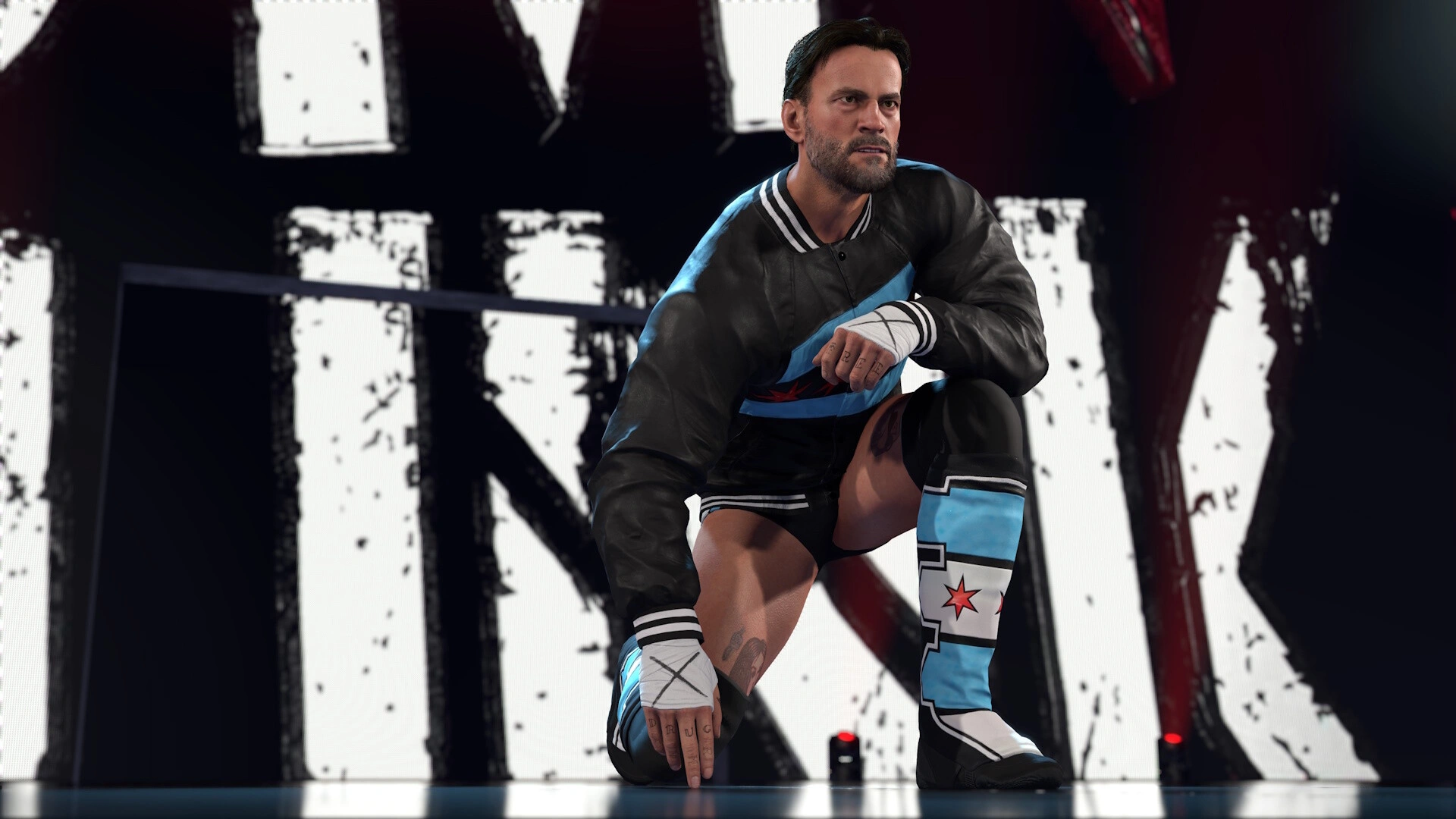
Showcase mode follows the career of CM Punk and uses Slingshot technology to move between gameplay and archival footage. The timeline places most of its attention on the 2013-2014 stretch and his present-day return, which leaves a very visible gap of about a decade. Legal and corporate restrictions shape that absence, and key moments such as the Pipe Bomb promo or matches tied to certain rival stars do not appear.
The mode answers those missing pieces with fantasy booking and “What If” scenarios. You can step in as Bret Hart and stop the Montreal Screwjob, or play through dream matches that never took place. That gives the developers room to play with wrestling history in a way older Showcase modes rarely managed.
The match objectives inside Showcase are also looser this year. Progress asks for fewer exact actions, so the mode spends less time feeling like a rigid checklist. Players who have little patience for historical reenactments can bypass much of that structure through the Showcase Gauntlet.
This single extended challenge asks you to defeat 20 opponents in a row. Clearing it unlocks every reward connected to the mode at once. It is a demanding shortcut, though it does a good job respecting the time of experienced players. Key rivals remain absent, and that absence hangs over the whole feature. Even so, AJ Lee’s inclusion gives long-time fans a meaningful reason to pay attention. The presentation still carries the polish expected from previous entries, from period-accurate arenas to carefully matched ring gear.
Personal Journeys and the Island Factions
MyRise introduces a story called The Archetype, centered on a veteran star chasing a career revival. The campaign runs for six chapters and builds its structure around an alignment system. Your decisions shape the character as either a heroic fan favorite or a cold villain. The plot moves through the betrayals, swerves, and dramatic turns that define wrestling storytelling.
Its biggest pacing issue comes from the star quota system tied to progression. Earning 12 stars across multiple matches is required before the next major story beat opens up. That setup often sends you through a run of side opponents before the main narrative can move forward. The result is a stop-and-start rhythm that turns progression into an obstacle.
The Island serves as a voiced RPG-style hub built to expand the online side of the game. You choose one of three factions led by Cody Rhodes, Rhea Ripley, or CM Punk. Shops and social areas fill out the space, though the new Tower mode gives the hub its real identity. Tower pulls in roguelike ideas by sending you through random opponents and unpredictable stipulations in exchange for experience and currency.
It creates a clear route for leveling a custom superstar outside the core story path. Cosmetic storefronts take up plenty of room, yet full voice acting for the faction leaders gives the setting a stronger sense of life. Some faction quests include sharp difficulty spikes that push players toward upgrading stats. As a full package, the mode feels like a fuller version of last year’s concept and offers a clearly defined progression path.
The Economy of the Ringside Pass
Post-launch content has shifted away from the old DLC-pack model and into the Ringside Pass. This setup runs on 40 reward tiers split across free and premium tracks. Experience comes from any mode, and steady play unlocks wrestlers, championships, and arenas over time.
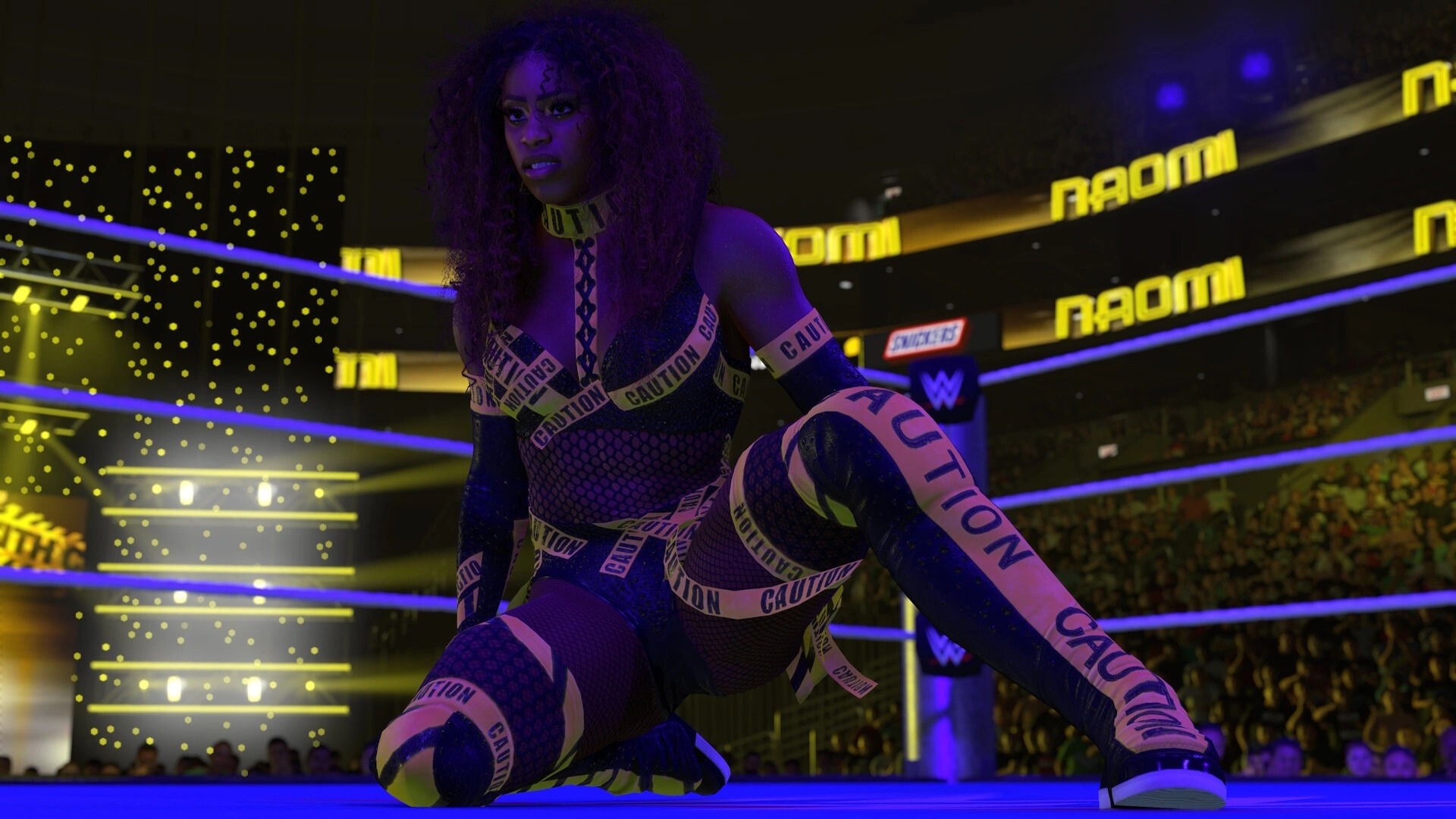
Season 1 puts notable attention on talent from AAA, adding a high-flying flavor to the roster. The strongest part of the system is its lack of expiration. Older passes remain available even for players who start late in the year. That removes the timer pressure attached to many modern battle pass systems.
The economy still leans heavily on Virtual Currency, which feeds stat boosts and cosmetic purchases across MyFaction and The Island. Unlocking those rewards through regular play can be slow. Match wins grant a fixed amount of experience no matter how long the match lasts. That structure rewards short, efficient bouts and gives players little practical reason to chase drawn-out classics if tier progress is the goal.
The reward pool is larger than the old DLC model, yet the hours required to reach it rise sharply. The premium track includes valuable MyFaction cards and legends such as Mr. Perfect. The whole approach lines up with the continuous-engagement model now common across sports games. Players have to decide how much that expanded content pool is worth once the grind sets in.
Visual Spectacle and the Creation Suite
As a current-gen exclusive, the game reaches a new level of visual sharpness. Ring gear textures and skin detail look strikingly realistic, and loading times move with near-instant speed. Most of the roster features the strongest likenesses the series has delivered, though some legends still carry stiff facial animation. Commentary gets a major boost through Wade Barrett and Booker T.
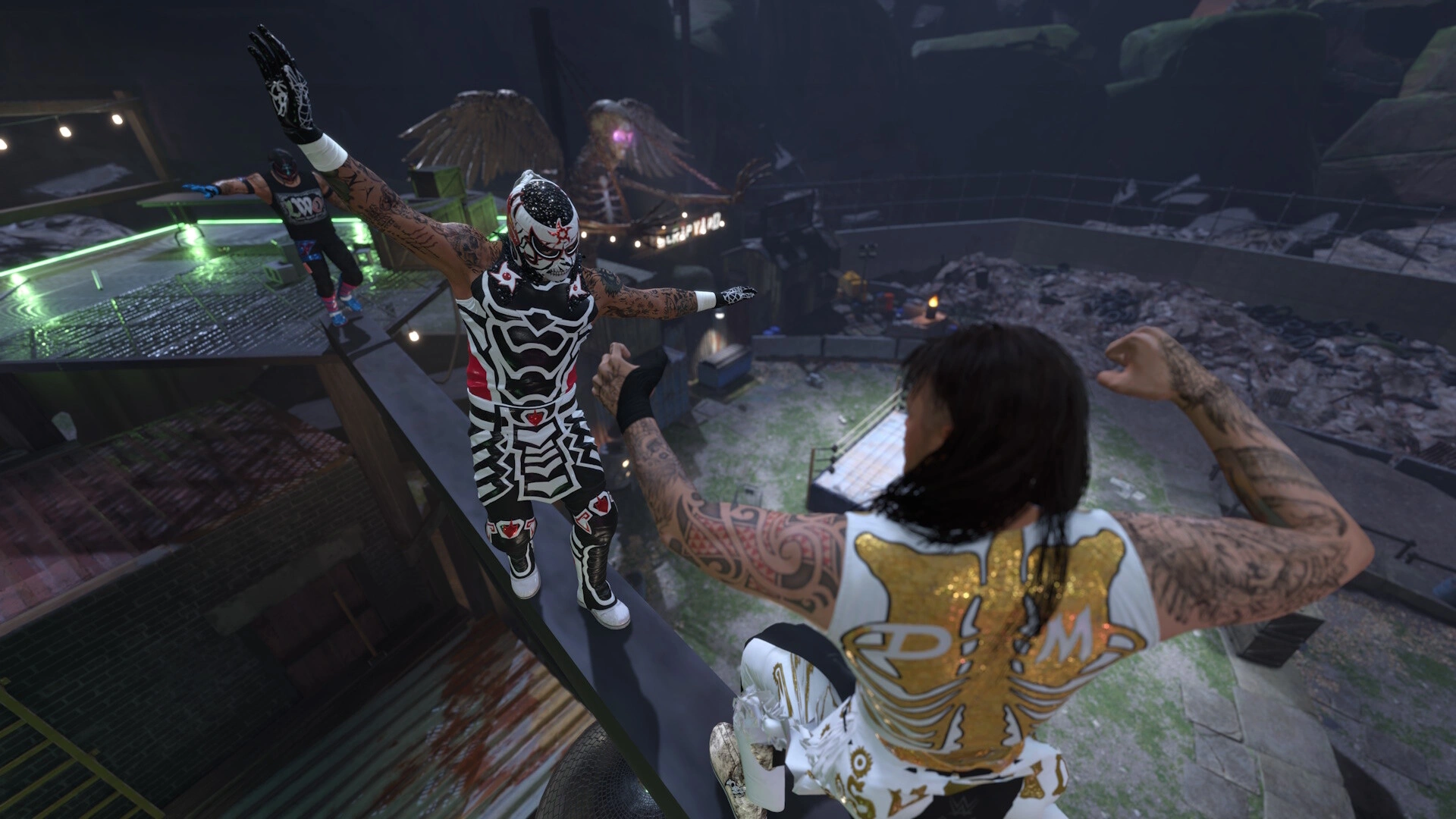
Their chemistry and match-specific banter help break up the stale repetition that marked earlier games. Their calls carry real energy, and that energy gives matches a stronger sense of importance. Interactive entrances add another welcome touch by letting players trigger pyrotechnics and taunts during the walk to the ring. That feature puts more control over the spectacle directly in the player’s hands.
The creation suite remains one of the series’ biggest assets, and it now supports 200 custom superstar slots. Capacity for logos and custom images has doubled, which opens the door for denser and more detailed designs. Players can also pre-program move sequences for AI opponents, giving creators extra control over match behavior. Some older problems still remain. A number of entrance animations have gone untouched for years, and the issue stands out sharply in the case of the cover star.
A handful of launch-day bugs also affect certain match types, including cases where characters cannot be selected in Inferno mode. Technical rough spots continue to follow the franchise. Even with those issues, the game still offers a huge and highly flexible wrestling sandbox for players who enjoy building, editing, and experimenting. The push and pull between fresh features and aging systems shapes the series in its current form.
The Review
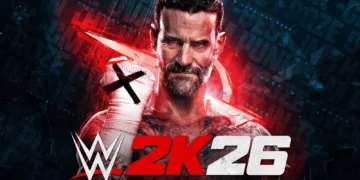
WWE 2K26
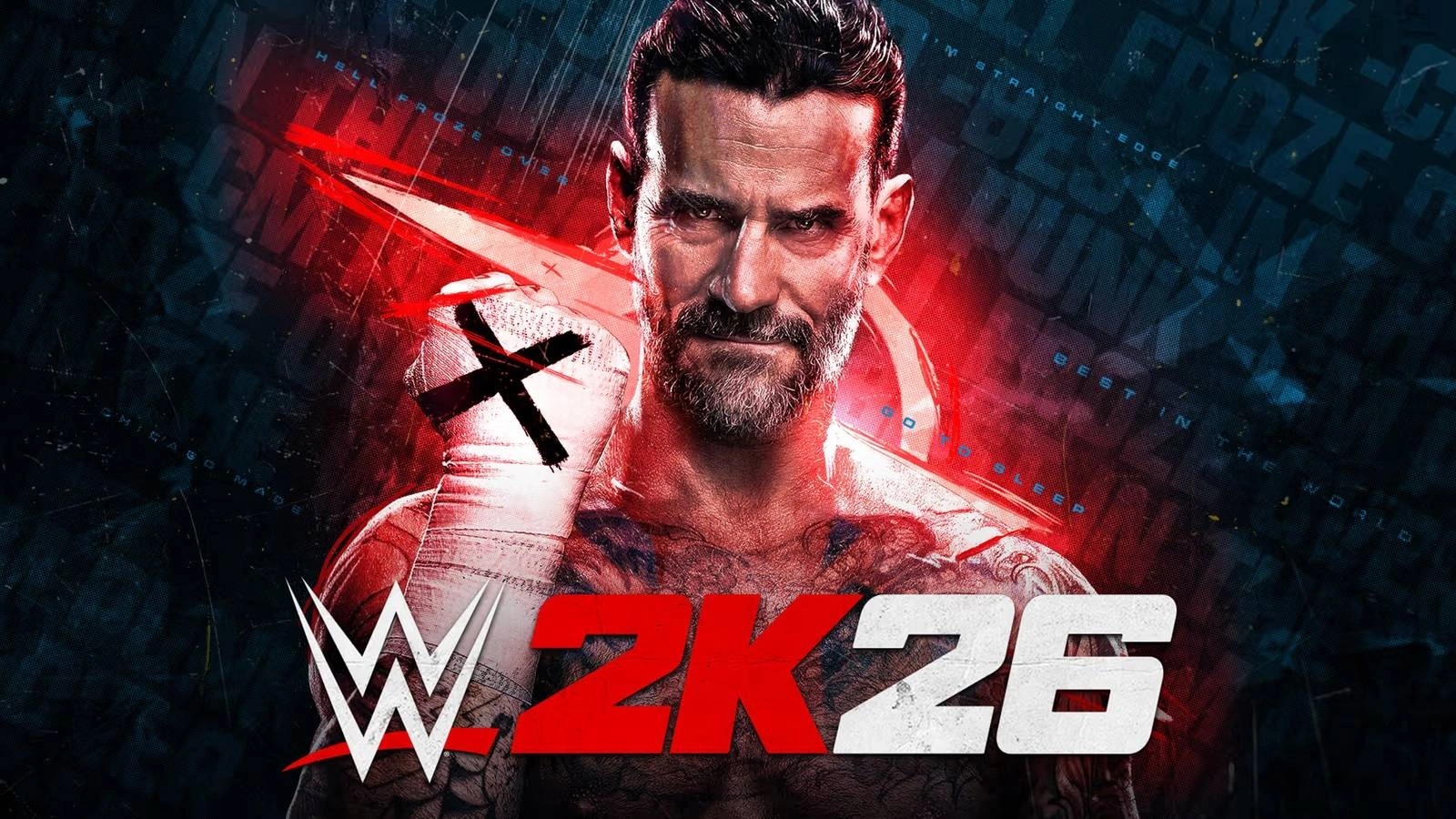
WWE 2K26 succeeds by refining its core mechanics to prioritize strategy over button mashing. The stamina system and improved physics create the most authentic simulation in the series. While the CM Punk Showcase and new match types offer significant value, the experience is hindered by aggressive monetization and repetitive progression in MyRise. It remains a high quality wrestling title that struggles under the weight of its own grind.
PROS
- Strategic stamina and fatigue system adds tactical depth.
- Refined collision physics and environmental interactions.
- Innovative I Quit and Three Stages of Hell match types.
- Entertaining commentary from Wade Barrett and Booker T.
- Non-expiring Ringside Pass content reduces pressure.
CONS
- Heavy grind for rewards and character progression.
- Padding in MyRise through repetitive match quotas.
- Dated animations for veteran superstars.
- Significant technical bugs present at launch.