
























![Kingdom Hearts Collection [I-III] Review](https://gazettely.com/wp-content/uploads/2026/10/Kingdom-Hearts-Collection-I-III-1-360x180.webp "Kingdom Hearts Collection [I-III] Review: KHII Holds Steady as Newer Entries Fluctuate 37")




In the summer of 1996, England is a nation possessed by the fever dream of football, a collective roar aimed at a common goal. Far from the stadiums, in the suffocating quiet of the countryside, another kind of battle unfolds at Stanton Wood.
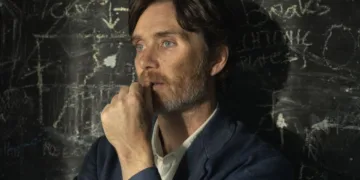
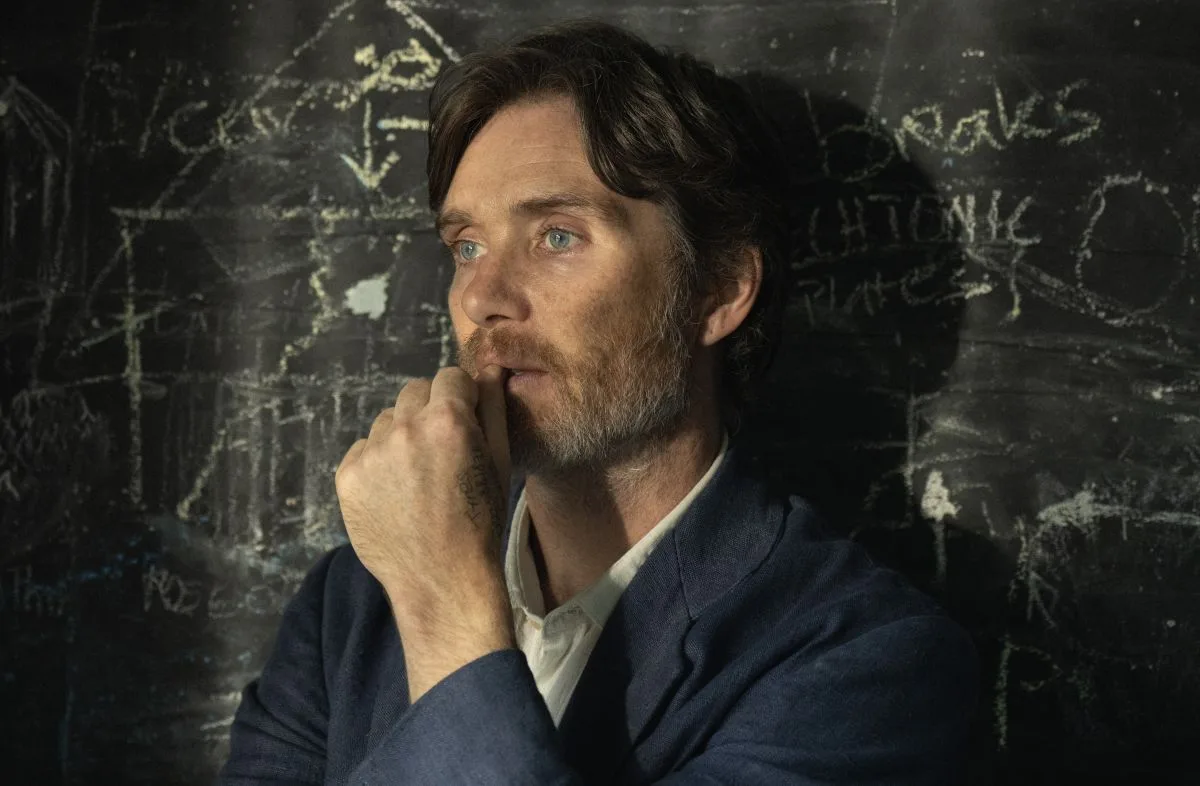
This boarding school for troubled boys exists outside the national mood, a pocket of raw existence where every day is a contained crisis. Into this space walks Steve, the school’s headmaster, a man animated by a purpose that is visibly consuming him. As portrayed by Cillian Murphy, Steve is a figure running on the fumes of his own conviction.
The film compresses his life’s work into the crucible of a single day. A prying television crew, the sudden withdrawal of all funding, and the feral energy of his young wards converge into a perfect storm. We are invited to witness the potential collapse of a man who has built his life on holding others together.
The Atlas of Other Men’s Sorrows
Cillian Murphy carries Steve not as a role, but as a physical burden, an existential weight made manifest. The exhaustion is biblical, etched into the lines around his eyes and the coiled tension in his frame, a geography of worry mapped onto his face. His energy is the frantic, brittle strength of a man who has not slept in years, a spirit running on the pure adrenaline of imminent collapse.
He is a passionate defender of these forgotten boys, yet this dedication has a dark parallel, a shadow self that grows with every act of compassion. His private ritual of alcohol and pills is the tax levied on his sainthood, the price paid for absorbing so much pain without release. Murphy’s performance is a masterful study in naturalism, showing a man whose internal war is waged in the silences between words, in the flicker of an eye that betrays a universe of fatigue. His goodness is not a simple virtue; it is a consuming fire.
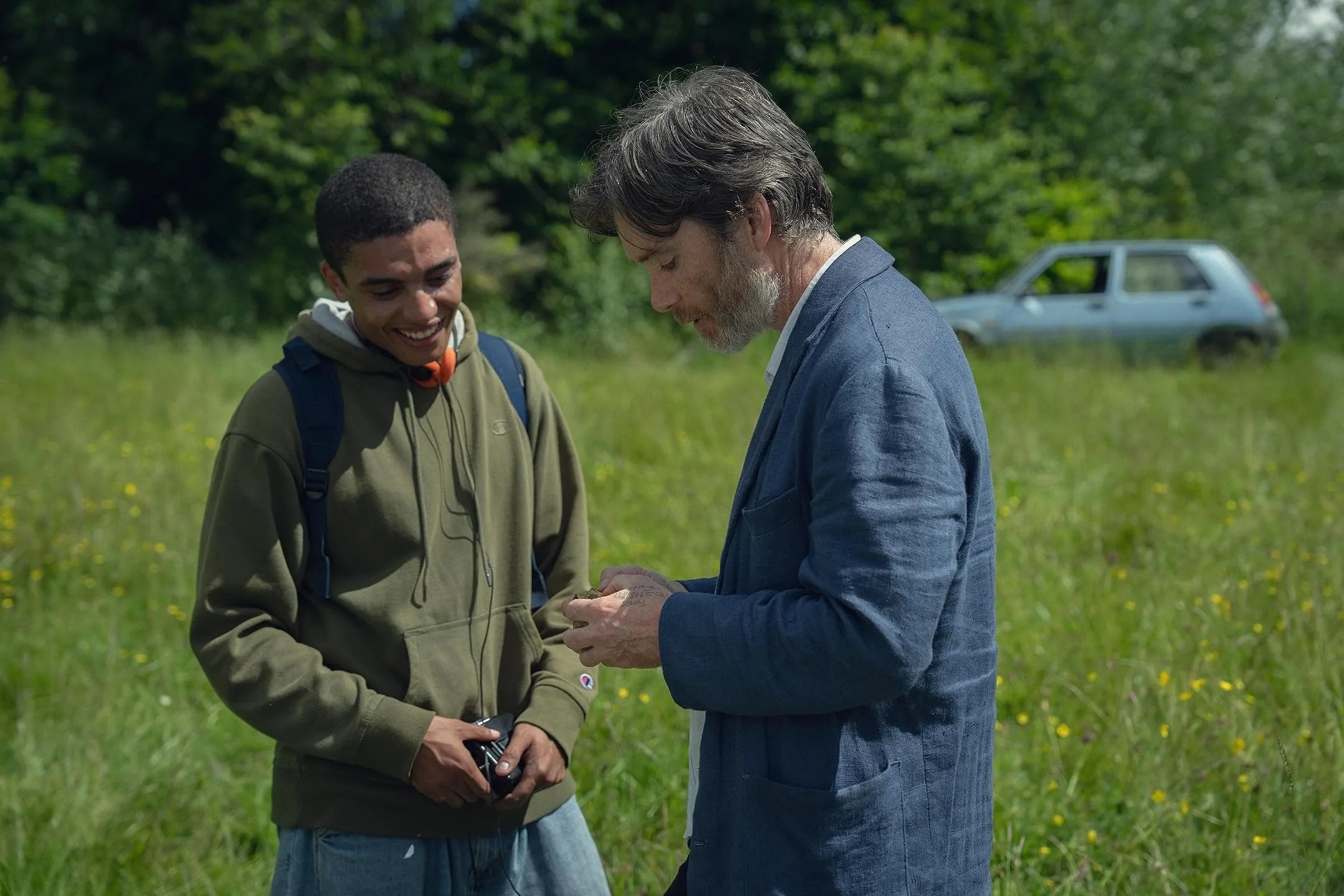
Opposite him is Jay Lycurgo’s Shy, a boy whose cocky swagger is a thin sheet of ice over a deep, cold depression. Lycurgo embodies the violent contradictions of adolescence, a being caught between the performance of strength and the reality of utter fragility. Shy’s armor is the relentless beat of drum and bass blasting from his Walkman, a sonic shield he wields against a world that has already wounded him too deeply.
The music is a self-generated storm, a controlled chaos that feels safer than the unpredictable weather of his own mind. When his mother’s voice on the phone severs their last connection, the ice does not just crack; it shatters. His quiet consideration of self-harm becomes the film’s ticking clock, a silent threat that resonates with Steve’s own unspoken despair, a shared gravitation toward the void.
The small staff provides the film’s grounding in a shared, weary reality, fellow sentinels in this lonely outpost. Tracey Ullman’s Amanda articulates their impossible mission with a grim poetry, describing her job as “part prison guard, part mummy, part battle axe.” She speaks the truth of their daily existence, a philosophy of hardened pragmatism that serves as armor against hopelessness. She is the body of the institution, enduring the blows.
Emily Watson’s Jenny, the school therapist, is its mind, a voice of quiet reason and perception. She is a Cassandra of social work, seeing the patterns of collapse long before they break the surface, understanding the psychological wounds that drive the physical violence. Together, they form a fragile ecosystem of care, a testament to the human will to stand against the tide.
An Orbit of a Single Day
Confining the narrative to twenty-four hours makes the film a relentless exercise in atmospheric compression. This is not a day in the life; it is a life in a day, an entire history of struggle condensed into a singular, representative moment of crisis. Each new conflict, from a playground fight to a devastating board meeting, is another turn of the screw.
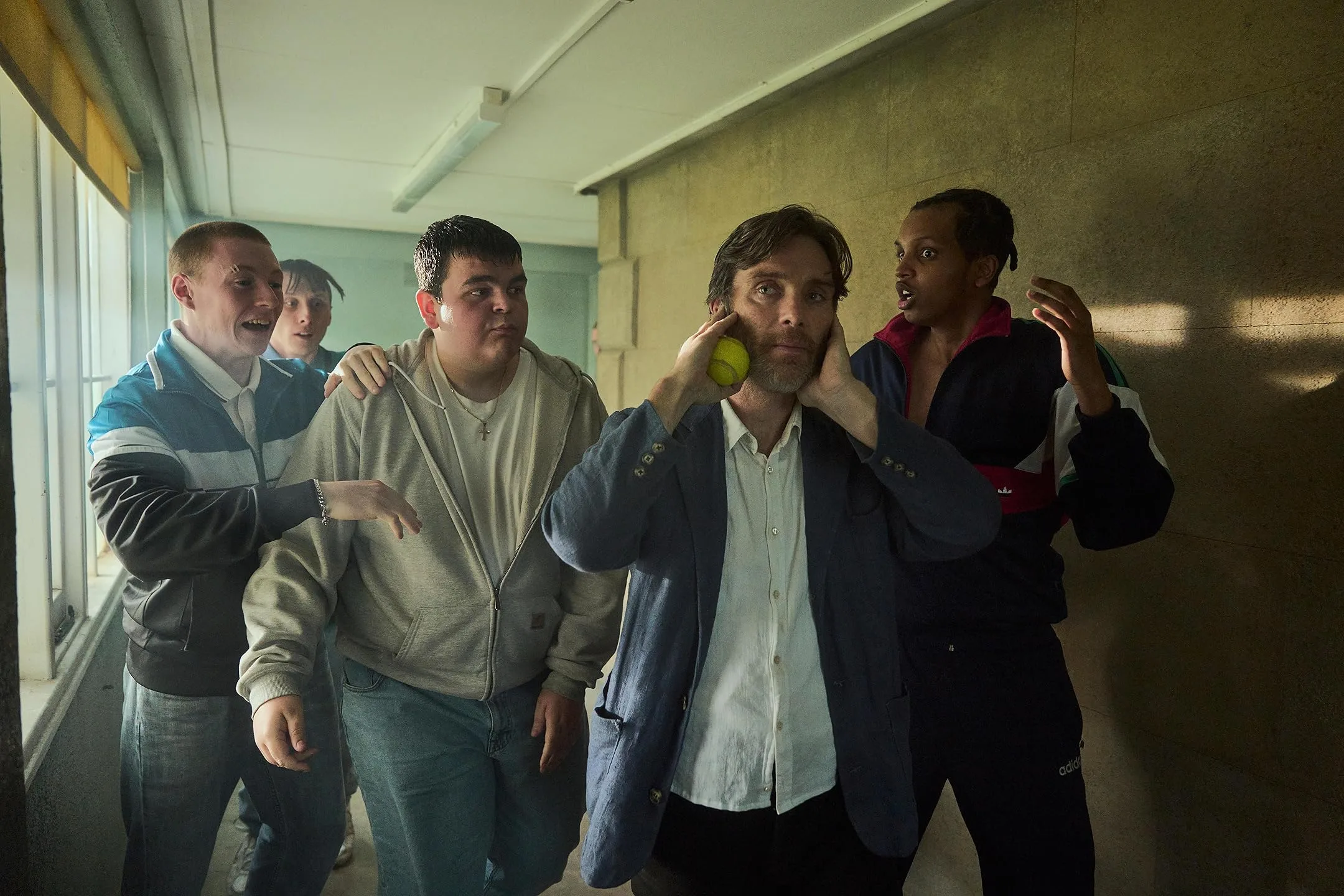
The structure creates a profound claustrophobia, trapping the viewer inside Steve’s accelerating crisis with no hope of escape or relief. The relentless present erases any sense of past or future. There is no tomorrow to offer perspective, only the crushing, unbreathable immediacy of the now.
The film’s genesis as an adaptation of Max Porter’s novella Shy is critical. By shifting the perspective from the troubled student to the weary headmaster, the filmmakers pose a different, perhaps heavier, question. The story ceases to be an interior exploration of adolescent anguish. It becomes an examination of the immense, soul-crushing cost of caregiving.
We are asked to consider the person who stands guard at the edge of the abyss, and what happens when he feels himself begin to slip. This reframing forces a confrontation with the caregiver’s soul, a more weathered and complex subject. It subtly questions whether society is more comfortable analyzing the systems of control than the raw chaos of the individuals within them.
The picture avoids any simple resolution, denying the audience the comfort of catharsis. There is no triumphant salvation for Stanton Wood or its students. It leaves Steve with his struggle, offering a stark meditation on the profound limitations of one man’s sacrifice against an indifferent system. The film does not offer a solution; it offers a diagnosis, leaving a residue of unease that lingers long after the screen goes dark.
A Grammar of Agitation
Director Tim Mielants employs a visual language that is as restless and frayed as his protagonist. The handheld camera trembles with a nervous energy, refusing to settle, mirroring a state of perpetual vigilance. It pushes into claustrophobic close-ups, studying the geography of Cillian Murphy’s face as if searching for an answer he cannot articulate.
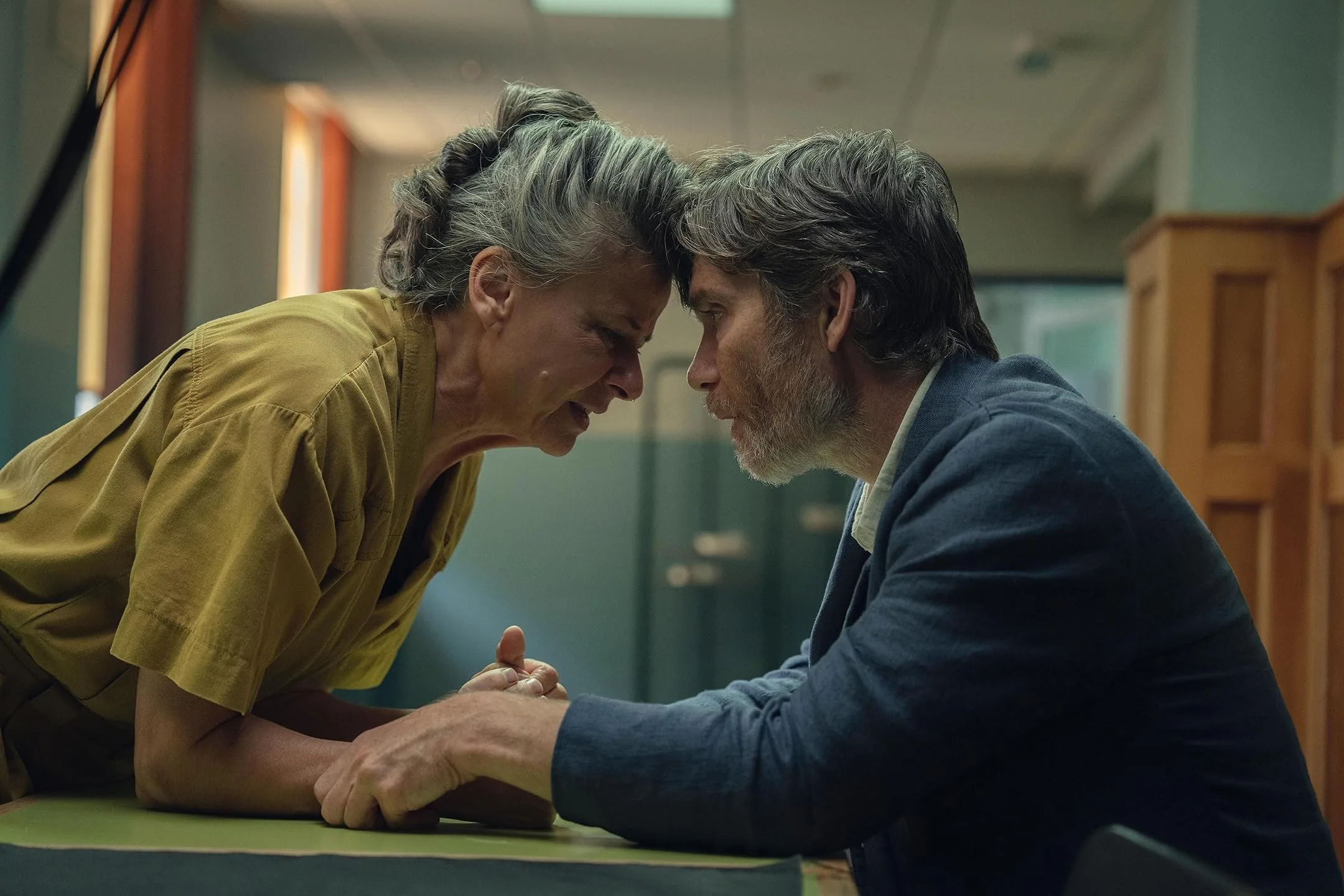
The camera is not a passive observer; it is an active participant, navigating the school’s decaying corridors like a trapped spirit. This approach makes the viewer complicit in the mayhem, denying us the comfort of a stable, objective viewpoint. We are thrown into the chaos alongside the characters, feeling their disorientation in our own bones.
The integration of the news crew’s footage introduces a colder, more clinical gaze. Its grainy, dated video texture feels like a dispatch from a forgotten world, a ghost in the machine. This footage serves to provide context through interviews, but it also functions as a commentary on the voyeurism of the outside world and the eternal problem of representation. It is an attempt to neatly package a pain that is fundamentally wild and uncontainable, highlighting the vast chasm between observing a problem and living within it.
The sound design is a carefully orchestrated assault on the senses. The constant din of the boys’ shouting creates a baseline of ambient anxiety, a soundscape of unprocessed aggression. This is punctuated by the aggressive rhythms of Shy’s drum and bass, a sound that feels both like an escape and a form of self-punishment.
The score by Ben Salisbury and Geoff Barrow mirrors this tension, lurking in the background before swelling into intrusive, frantic tones. Even the rare moments of silence are fraught, heavy with unspoken dread. Sweeping drone shots offer fleeting, god-like perspectives, but these are moments of failed transcendence, a desire to rise above a mess that only serves to emphasize how inescapable it truly is.
The System and the Self: The Cracks in the Vessel
Stanton Wood is more than a school; it is a last refuge, a testament to a social safety net that has been systematically dismantled. The film presents the institution as “spectacularly unsustainable,” a small pocket of radical empathy in a world governed by spreadsheets and bottom lines.
It is a noble, doomed project of resistance against a form of societal entropy. The board’s cold decision to sell the property is the narrative’s inciting incident, yet it feels like an inevitability. It is a quiet confirmation of societal abandonment, a final, bureaucratic act of cruelty against those who are already on the margins.
The film’s most profound inquiry is into the existential cost of altruism. Steve’s arc is a harrowing portrait of burnout, a study of a man whose devotion to others directly fuels his own undoing. His addiction is not a moral failing; it is a symptom of a spirit eroded by the relentless demands of empathy. The film dares to ask what happens when the designated helper has no one to turn to, when the vessel becomes so depleted it begins to crack. It explores the grim mathematics of a purpose-driven life, questioning whether a self can exist when it has been entirely given away.
A haunting resonance exists between Steve’s unspoken history and the raw, present-tense trauma of his students. He seems to recognize a younger, more vulnerable version of himself in Shy. This connection is the source of his fierce dedication, a compulsion to save the boy he once was.
The film suggests that trauma is not a private affliction but a shared atmosphere, a sorrow that passes between the healer and the wounded until the line between them begins to blur. They are two distinct points, yet they are traveling on the same desolate circle of pain, a shared language that may never be unlearned.
Full Credits
Director: Tim Mielants
Writers: Max Porter
Producers: Alan Moloney, Cillian Murphy
Cast: Cillian Murphy, Tracey Ullman, Jay Lycurgo, Simbi Ajikawo, Emily Watson
Director of Photography (Cinematographer): Robrecht Heyvaert
Editors: Danielle Palmer
Composer: Ben Salisbury, Geoff Barrow
The Review
Steve
Steve is a harrowing, claustrophobic experience, anchored by a masterful performance from Cillian Murphy. It is an unflinching meditation on the existential weight of caregiving and the slow erosion of a single soul against a failing system. While its relentless intensity makes it a punishing watch, the film’s formal audacity and profound empathy create a portrait of quiet desperation that is difficult to endure and impossible to forget.
PROS
- A towering, physically immersive lead performance from Cillian Murphy.
- A breakout role for Jay Lycurgo and strong work from a veteran supporting cast.
- Audacious, formally daring direction and cinematography that create a palpable sense of anxiety.
- Deeply resonant thematic exploration of institutional failure and the personal cost of empathy.
- An unsentimental and intellectually honest narrative that avoids easy answers.
CONS
- The relentless, chaotic atmosphere can be an exhausting and punishing viewing experience.
- The narrative shift from the source material arguably makes for a more conventional story.
- Its assertive style may feel overbearing or distracting to some.
- Supporting characters, while well-acted, remain somewhat underdeveloped.