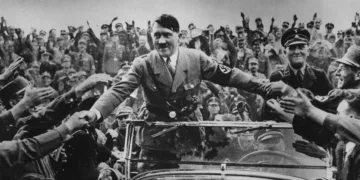

























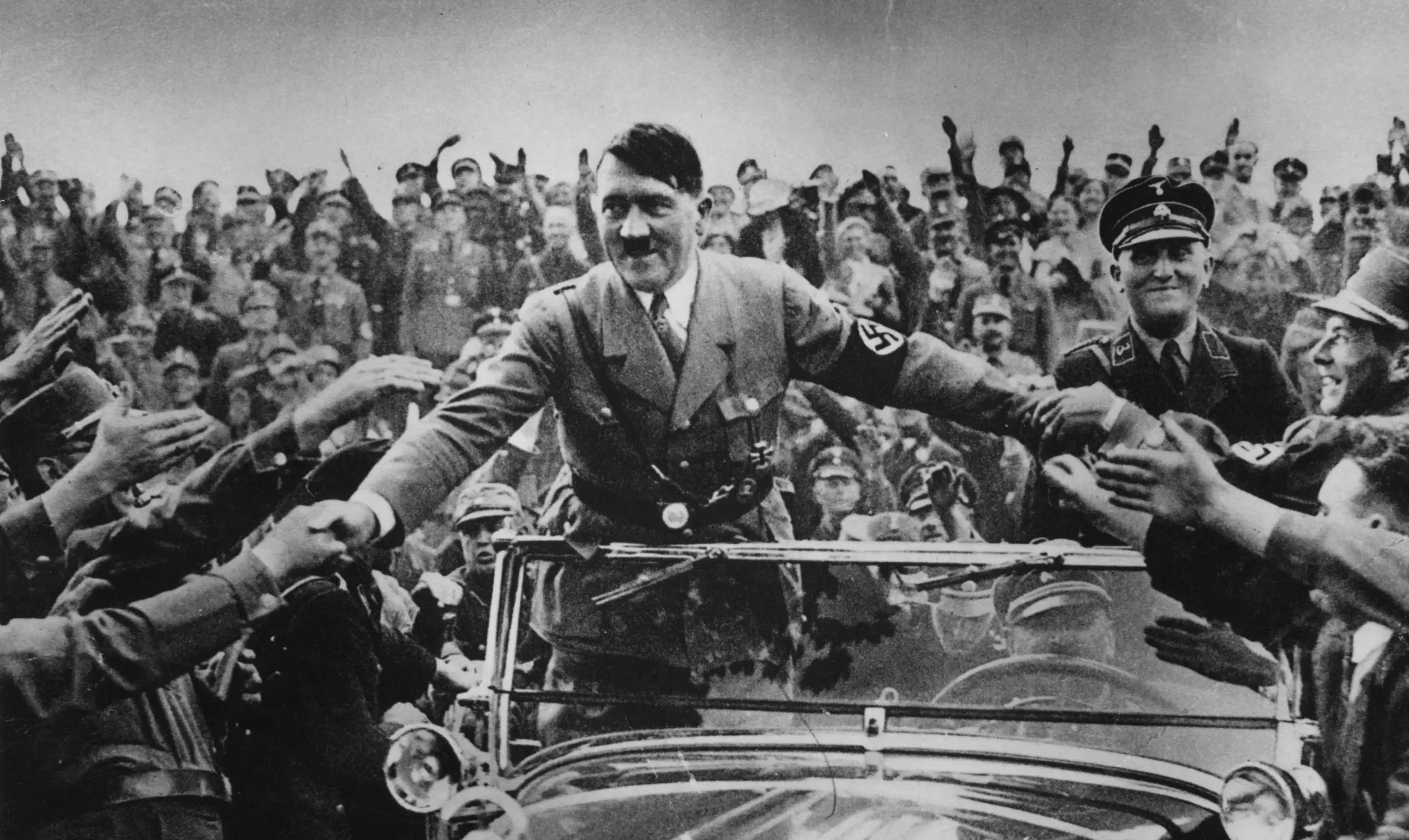

Channel 4 and History have commissioned a new documentary, Hitler’s DNA: Blueprint of a Dictator, that promises to analyze a sample said to belong to Adolf Hitler, with the producer claiming the material has been verified through scientific testing. The film is being made by Blink Films and is billed as likely to produce “surprising results.”
The project revives a question that sits at the intersection of science, history, and public ethics: what, if anything, can genetic data reveal about a dictator’s behavior? The producers say they will subject the sample to testing, but details of chain-of-custody and independent corroboration have not been disclosed publicly. Historians and bioethicists often caution against reading behavioral causation from DNA, given the limits of current science and the risk of feeding deterministic narratives.
The announcement arrives a decade after Channel 4’s earlier foray into testing relics tied to notorious figures, a 2014 series that drew criticism for purchasing a supposed lock of Hitler’s hair from Holocaust denier David Irving; subsequent testing found that sample was not authentic. That episode has since become a touchstone in debates about provenance and editorial judgment, and it sets a high bar for transparency on any new claims.
There is precedent for rigorous forensic work on remains linked to Hitler. In 2018, a team examined teeth and bone fragments long held in Russian archives and reported findings consistent with suicide in Berlin in April 1945, a result widely cited by historians to counter conspiracy theories about his escape. The new film’s makers have not indicated whether their testing will intersect with or compare against those established findings.
Channel 4 has not revealed air dates or the specific laboratories involved. The commissioning suggests both an appetite for high-impact history programming and an awareness that claims of authenticity will be scrutinized by experts and audiences alike. Whether the film advances understanding will depend on documentation of the sample’s origin, the methods used, and how responsibly any genetic data are interpreted alongside the historical record.