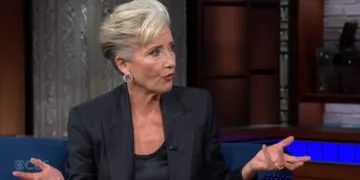







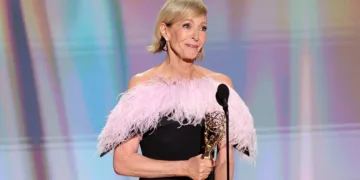


















Emma Thompson used a late night TV appearance to air sharp frustration with artificial intelligence, calling it an intrusive presence in creative work and daily life and saying she feels “intense irritation” about the technology’s spread. She described a preference for writing by hand and rejected suggestions that AI tools meaningfully aid her process, remarks delivered while promoting new projects and quickly amplified online.
Her comments arrive amid accelerating disputes over how performers’ images and voices are captured, replicated, and licensed. The main US actors union has adopted policies that require informed consent and clear disclosure for digital replicas in covered work, while UK performers have pressed for stronger contractual safeguards and warned of large-scale action if likenesses are used without permission. Guidance for actors now urges caution around on-set scanning and contract language covering synthetic use.
In Britain, the policy picture remains unsettled. The government has been consulting on AI and copyright, with working groups convened to balance innovation with creator protections; industry leaders have argued that permissive text-and-data mining proposals risk undermining artists’ rights. Recent warnings from the performing arts and music sectors highlight mounting concern over deepfakes and training use of copyrighted material without compensation.
Thompson’s stance echoes anxiety voiced by many high-profile creatives, but it also underscores a split in practice: studios and vendors increasingly deploy AI for routine tasks such as cleanup, crowd tiling, and localization, even as unions push for bright-line consent standards around identity-based uses. Legal analysts note that the UK still relies on a patchwork of privacy, IP, and online safety rules to address deepfake harms, with new criminal provisions for intimate deepfakes not yet fully in force. That gap has fueled calls for clearer guardrails covering non-consensual replicas in entertainment.
Clips of Thompson’s interview circulated widely, amplifying a message that creative work should remain human-led and that performers should control any digital reproduction of their likeness. The exchange also renewed attention on whether forthcoming contracts and legislation can keep pace with rapid technical change without eroding the bargaining power of individual artists.