











Max Winkler says the new season of Netflix’s true-crime anthology approaches the Ed Gein case as a character study rather than an exercise in shock, arguing that the show’s central question is “who is the monster” in a culture shaped by violent images. In an interview published this week, the director and co-showrunner describes tracing how postwar media — from concentration-camp photographs to pulp and later studio horror — reframed public appetite for transgression, a lineage the series threads through depictions of “Psycho” and “The Texas Chain Saw Massacre.”
The season, which began streaming on October 3, casts Charlie Hunnam as Gein and draws on the known record of grave robberies and two murders while dramatizing contested areas to sustain narrative momentum. Winkler says the writers credited Gein with the disappearance of high-schooler Evelyn Hartley despite authorities ruling him out at the time, citing lie-detector fallibility and limited forensics in the 1950s. They also expand Adeline Watkins, a woman who publicly walked back claims about a relationship with Gein, to give the otherwise isolated protagonist someone to speak to on screen.
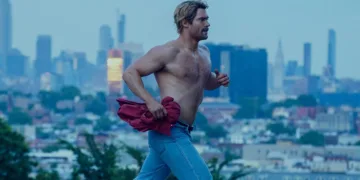
Hunnam’s performance has been framed by collaborators as physically and psychologically demanding, with Winkler praising the actor’s commitment in pre-release conversations. Official materials position the series as an examination of Gein’s upbringing under his domineering mother, his crimes in Plainfield, Wisconsin, and the pop-culture reverberations that followed, including fictional characters modeled on the case.
The show arrives amid renewed debate over the ethics of dramatizing notorious cases. Scholars and critics have questioned whether true-crime storytelling can slip into reproducing a killer’s gaze, reducing victims to clues rather than lives, a concern the new season acknowledges while asking viewers to consider the roles of filmmakers, audiences, and institutions. Winkler says he holds “empathy” for the damaged person Gein was, but “no sympathy” for the acts, and frames the series as an attempt to present the history with “tenderness” while remaining respectful toward victims.