























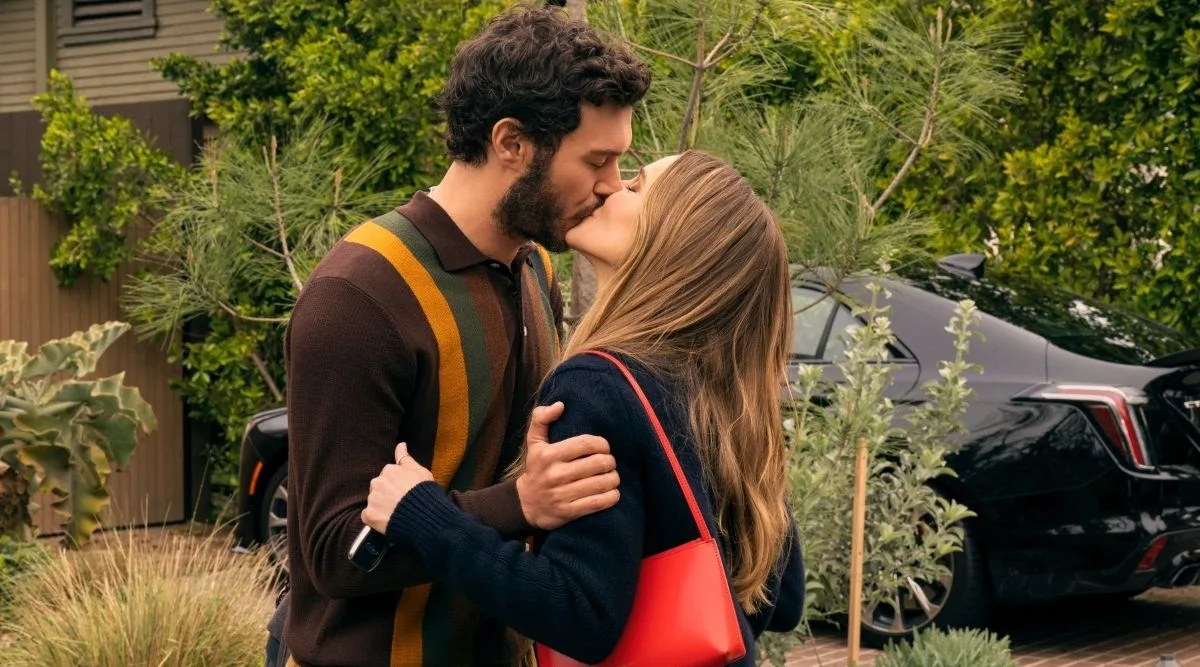

“Noah chased Joanne down after she broke up with him for his benefit. He declared his commitment, choosing her over his work and family.” That climactic pledge closes the first chapter of Netflix’s romantic comedy Nobody Wants This. The show turns on the pairing of Joanne, an agnostic podcaster played by Kristen Bell, and Noah, a devoted rabbi played by Adam Brody. Season 1 made the relationship feel urgent by centering faith as the primary obstacle.
Season 2 begins in the messy, ordinary aftermath of that grand gesture. The series preserves its sharp mix of romance and comedy while shifting focus to the labor of keeping a relationship intact as an unresolved interfaith difference continues to hum under the surface. The scope broadens, and the show proves able to operate beyond the initial, electric clash.
The Crucible of Commitment: Chemistry and Core Conflict
The show’s engine remains the chemistry between Bell and Brody. Their rapport feels immediate and convincing, which makes the couple’s choices carry weight. Brody’s Noah keeps his charismatic, lover-boy appeal but now carries visible professional and relational anxieties. He attempts to present calm as his life begins to splinter. Bell’s Joanne reveals softer layers beneath her sarcasm, trading some of the character’s earlier surface for a firmer emotional honesty.
The early spark of courtship gives way to the slow pressure of long-term commitment. The most persistent source of tension is the conversion question. An opening dinner party establishes their different readings of the Season 1 reunion: Noah still treats conversion as an open option, a goal left hanging, while Joanne treats their status as an interfaith couple as settled, convinced his earlier choice has resolved the matter. That disagreement, often left unspoken, becomes a steady undertow.
The season turns from obstacles to getting together toward the sacrifices required to stay together: merging social circles in an ill-fated joint dinner party; surviving a chaotic Purim celebration; and managing professional consequences tied to their relationship. The show privileges honest communication, showing two adults who try to learn, speak plainly, and grow as people first and partners second, even as domestic details—Noah’s tiny, “minimalist masculine” nightstand or a birthday-party misunderstanding—threaten escalation into major fights.
This deeper character scrutiny carries risk. Bell’s Joanne gains definition through added backstory and reflection, while Noah sometimes slips into tones that some viewers may read as smarm or condescension, especially in moments of professional frustration. He stops being a single-note virtuous rabbi and becomes a more complicated figure, occasionally harder to root for without reservation. Joanne’s history is expanded, with scenes that show the effects of her parents’ divorce and the presence of a middle-school rival, Abby, played by Leighton Meester. Those elements help ground Joanne’s emotional volatility.
When eviction forces the practical question of moving in together, the conversion issue sharpens. Noah’s hesitation, tied to the unresolved religious question, triggers a temporary breakup at Morgan’s engagement party. The rupture forces both characters to confront a deeper anxiety: the fear of losing identity as part of merging lives.
That anxiety extends into Noah’s career. He is overlooked for the head rabbi position because of his relationship with a non-Jewish partner and accepts a lesser post at a more progressive temple. The new posting allows the show to keep faith at the center while pulling back from the intense family drama of Season 1. The progressive temple storyline, which includes guest appearances from Seth Rogen and Kate Berlant, feels underused, serving more as a backdrop for Noah’s wounded ego than a fully realized professional arena.
Joanne’s exploration of Judaism is one of the season’s notable achievements. Her movement toward connection is gradual and modest, not a sudden conversion nor a box to tick. Small moments—attending Shabbat dinners, taking part in a baby naming, and observing Noah’s “leaving it at the tree” ritual before a basketball game—compose a quiet arc of cultural appreciation and belonging. The finale gathers those small shifts into a clearer realization after a conversation with Esther, who helps Joanne recognize that her feelings of belonging and love for the culture function as a form of connection. The season ends with both characters making choices grounded in personal growth.
The Woven World: Ensemble and Expanding Arcs
Season 2 improves how it handles the constellation of characters around the central couple, giving the supporting cast fuller emotional arcs that echo the show’s themes of commitment and identity.
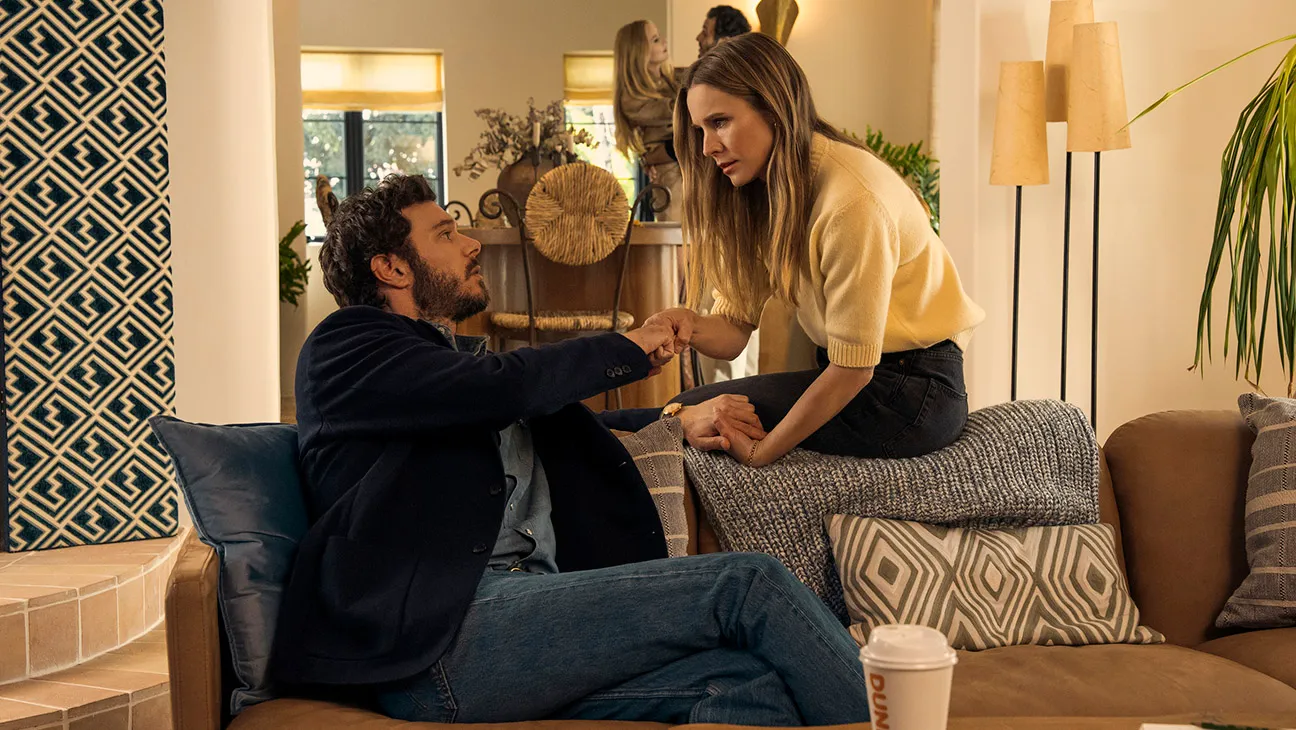
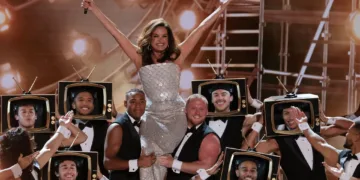
Esther (Jackie Tohn) and Sasha (Timothy Simons), Noah’s sister-in-law and brother, benefit most from the expansion. Esther moves beyond a “no-fun, nagging wife” shorthand to become a woman grappling with marriage and midlife restlessness, signaled by her decision to get bangs. Her warm, unexpected friendship with Joanne becomes one of the season’s richest dynamics, culminating in Esther’s empathetic counsel in the finale. Sasha supplies goofy humor and genuine support; he evolves beyond his role as Noah’s sibling and becomes defined by his own marital friction and by an oddly sincere friendship with Morgan, highlighted by a lavish dance sequence.
Morgan (Justine Lupe) provides the season’s most chaotic thread. Lupe is reliably funny, frequently stealing scenes through comic timing and eccentric costuming. Her rapid courtship with Dr. Andy (Arian Moayed) reads as structurally rushed and serves mainly to create conflict with her sisters and to examine a toxic romantic pattern. Moayed’s character appears thinly drawn and manipulative, especially after it emerges he used material from Morgan’s therapy against her. That betrayal contrasts with the healthy communication modeled by Joanne and Noah.
Morgan’s arc centers on a move toward independence. A fizzled setup with Lenny, who points out her controlling tendencies, prompts her to reflect. She eventually ends her engagement to Dr. Andy, a decisive step toward self-sufficiency and emotional honesty.
The portrayals of the older generation shift as well. Bina (Tovah Feldshuh), Noah’s strict mother, appears less frequently, which reduces a reliance on the Jewish mother stereotype. When she does appear, encounters with Joanne—from a disastrous Shabbat exclusion to a brief meeting in a bathroom—carry more nuance. The show also spends more time with Joanne and Morgan’s parents, Lynn (Stephanie Faracy) and Henry (Michael Hitchcock), creating scenes that explain Joanne’s attachment styles. One sequence, in which Lynn’s lack of a birthday tradition spurs a spontaneous, disastrous party, highlights cultural differences between the families.
Aesthetic and Insight: Style and Substance
Season 2 continues to cultivate a breezy, sunlit Los Angeles gloss. Production design, sets, and costumes favor an aspirational, Nora Ephron-ish domesticity: Joanne’s Spanish-style apartment and the characters’ immaculate styling contribute to that look. Contemporary needle drops from artists such as Chappell Roan and Sabrina Carpenter help the series feel current and light.
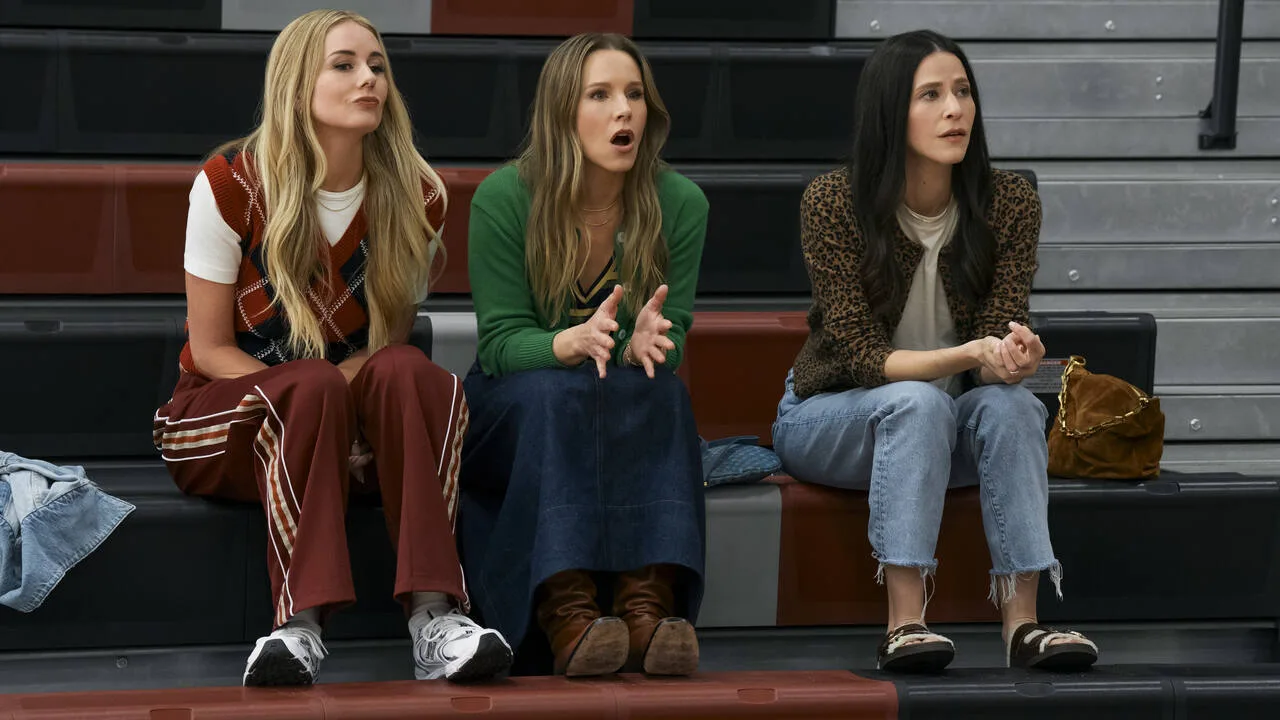
Romance and comedy remain balanced. The humor often arises from cringe and awkwardness when social circles collide or when characters attempt affectations, as in Esther’s efforts to prove she is “fun.” Dialogue lands consistent wisecracks and smirk-inducing turns, and Sasha remains a reliable comic highlight. The writing mines discomfort for laughs while allowing vulnerability to surface. The show treats breakups with plausible reasoning and emotional truth.
Realism is the series’ guiding strength. Characters are flawed and capable of competing truths, which creates space for debate and empathy. The show treats relationship work with seriousness: communication, emotional safety, and sincere connection are presented as the foundations of shared life. From Joanne and Noah’s conversion dilemma to Esther and Sasha’s marital frictions and Morgan’s exposure to manipulative behavior, the plot insists characters choose substance over appearance.
This genuine, human-scale treatment of relationships allows the show to deliver relatable, serious dilemmas packaged in a lighthearted, captivating manner. The show also offers timely messages on modern dating, exemplified through Morgan’s troubles, cautioning against the allure of love-bombing and materialistic safety. The series ultimately argues that facing reality, accepting friction, and choosing commitment based on the full, flawed picture of a person are what truly sustains a connection. The series manages to feel easily digestible while still conveying its profound cultural and personal commentary.
The romantic comedy series Nobody Wants This explores the relationship between Joanne, an agnostic sex and dating podcaster, and Noah, an unconventional rabbi, as they try to navigate their wildly different lives, interfaith challenges, and their meddling families and friends. Season 2 continues the story, focusing on the couple’s attempt to merge their lives and deal with the complexities of commitment and the topic of religious conversion. The series premiered on Netflix with its first season in September 2024, and the second season was released for streaming on October 23, 2025. All episodes are available exclusively on the Netflix platform.
Full Credits
Title: Nobody Wants This Season 2
Distributor: Netflix
Release date: October 23, 2025
Rating: TV-MA
Running time: Approximately 21–31 minutes per episode (10 episodes)
Director: Hannah Fidell, Jesse Peretz, Jamie Babbit, Heather Jack, Richard Shepard
Writers: Erin Foster, Lawrence Dai, Mahtub Zare Mochanloo, Jena Friedman, Ryann Werner, Sarah Heyward, Lindsay Golder, Megan Mazer, Bruce Eric Kaplan, Jenni Konner
Producers and Executive Producers: Erin Foster, Craig DiGregorio, Jack Burditt, Kristen Bell, Oly Obst, Sara Foster, Danielle Stokdyk, Jeff Morton, Greg Mottola, Steven Levitan, Jenni Konner, Bruce Eric Kaplan, Nora Silver
Cast: Kristen Bell, Adam Brody, Justine Lupe, Timothy Simons, Jackie Tohn, Tovah Feldshuh, Paul Ben-Victor, Michael Hitchcock, Stephanie Faracy, Sherry Cola, Leighton Meester, Miles Fowler, Alex Karpovsky, Arian Moayed, Seth Rogen, Kate Berlant
Director of Photography (Cinematographer): Adrian Peng Correia, Wesley Cardino
Editors: Maura Corey, Keenan Hiett, Jen Rosenthal, Catherine Cloutier, Varun Viswanath, David Dean, Taichi Erskine, Michael Scotti Jr.
The Review
Nobody Wants This Season 2
Nobody Wants This Season 2 successfully navigates the transition from dramatic courtship to complicated commitment, proving its longevity. The magnetic chemistry between Kristen Bell and Adam Brody remains the heart of the show, but the real strength lies in the expanded, nuanced arcs of the ensemble—particularly the depth given to Esther and Morgan. The series handles the conversion conflict with honesty, prioritizing communication and emotional safety over easy answers. It’s sharp, funny, and surprisingly profound, cementing its place as a top-tier modern romantic comedy that understands the hard work of love.
PROS
- Bell and Brody's exceptional rapport anchors the central relationship.
- Deep, nuanced arcs for Esther, Sasha, and Morgan move them past Season 1 stereotypes.
- Successfully shifted focus from "getting together" to the practical friction of "staying together" (e.g., merging lives, daily routines).
- Explores identity, faith, and belonging with empathy, avoiding easy answers to the conversion question.
CONS
- Morgan's quick engagement and breakup with Dr. Andy felt structurally rushed.
- The progressive temple and the Rogen/Berlant appearances were surprisingly minimal.
- Noah's struggle with professional jealousy occasionally makes him a less idealistic protagonist.