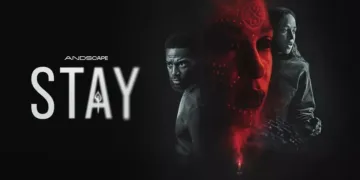




















We often talk about houses having memories, as if the walls themselves are silent witnesses to our lives. I remember packing up my first flat, and the strange feeling that came from the empty rooms, where the echoes of laughter and late-night conversations seemed to cling to the air. The film Stay takes this sentimental idea and twists it into a literal, terrifying reality.
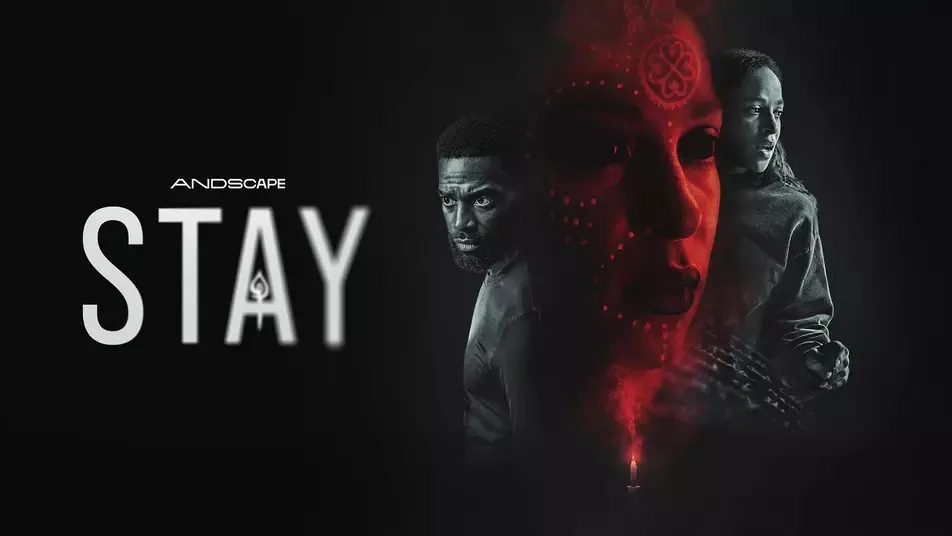
We are introduced to Kiara (Megalyn Echikunwoke) and Miles (Mo McRae) in the final, bitter moments of their life together. They move through their former home, now a maze of cardboard boxes, their silence punctuated by sharp, wounding remarks. The love isn’t just gone; it feels like it has curdled. Then, in a moment of chilling finality, the house refuses to let them go.
The front door slams shut, locks turn on their own, and the windows become unbreakable panes of glass separating them from a world that can no longer see them. They are completely alone, trapped inside the architecture of their own failed relationship. The question that hangs in the suffocating air is what exactly is holding them captive: a spirit with a grudge, or the very essence of their shared history.
The Blueprint of Pain
What elevates Stay beyond a simple genre exercise is how director Jas Summers turns creative constraints into a powerful artistic statement. The choice to set the entire film within a single location is a hallmark of independent cinema, and here it becomes an essential storytelling tool. The house transforms into an emotional pressure cooker, its walls closing in on Kiara and Miles, forcing them to face the issues they have so long avoided.
The film’s visual design is a masterclass in communicating internal states. Summers paints with a deliberate and evocative color palette. The flashbacks to the couple’s happier times are drenched in warm, golden light, creating an almost dreamlike sense of nostalgia for a love that felt perfect. This idyllic warmth makes the present feel even colder, filmed in oppressive, sterile blues and greys that visually represent the emotional frost that has settled over their connection.
It feels like they are living at the bottom of an ocean of grief. The soundscape is just as meticulously crafted. An unnerving, low-frequency buzzing often permeates the scenes, an insect-like hum that seems to emanate from the walls themselves. It is the sound of anxiety, a constant, irritating presence that mirrors the couple’s frayed nerves and signals that they are never truly alone.
A Dialogue Between Worlds
For a film with such a contained focus, its success depends almost entirely on its performers, and both Megalyn Echikunwoke and Mo McRae are simply phenomenal. They carry the immense weight of the story with a grace that is breathtaking to watch. Echikunwoke gives Kiara a profound vulnerability, capturing a woman crumbling under the weight of her own guilt yet clinging to a deep-seated spiritual strength.
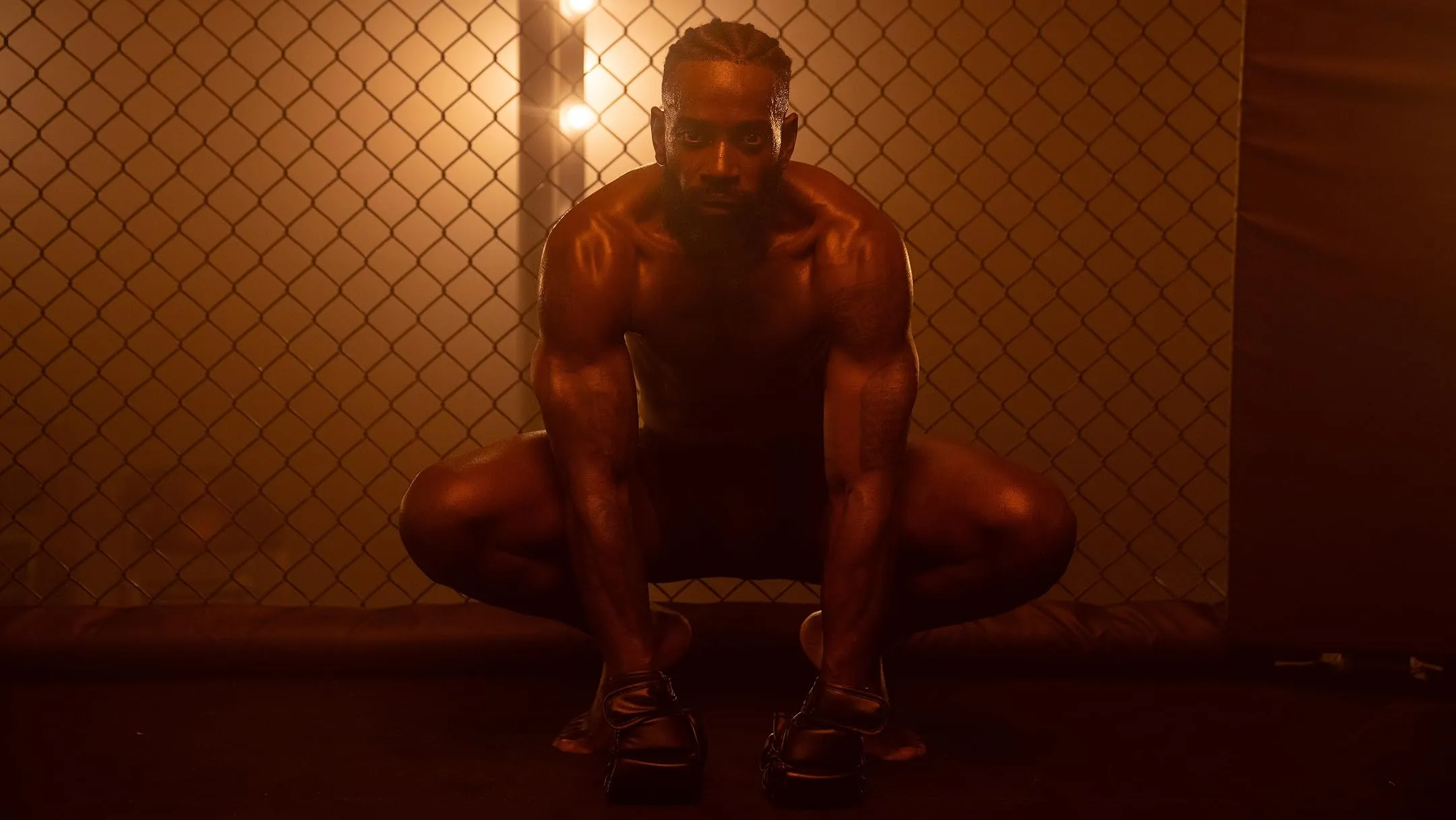
McRae is her perfect counterpart, portraying Miles’s anger and rigid pragmatism as the fragile armor of a man shattered by regret. Their chemistry is electric, not just in the tender moments of their past but in the vicious, intimate cruelty of their present arguments. They know exactly which emotional wounds to press. Their conflict stages a fascinating and timely cultural debate: Kiara, an author steeped in the traditions of her ancestors, turns to African spirituality for answers.
Miles, a former fighter defined by the physical world, views her rituals as a flight from reality. This tension is central to the film, which treats Kiara’s beliefs with the utmost respect. In a welcome shift for the horror genre, Vodún and the powerful deity Ọya are not sensationalized. They are presented as a legitimate and profound source of ancestral wisdom, a pathway toward confronting death to find rebirth.
An Unlocking of the Heart
The film’s powerful third act delivers a revelation that completely reframes the narrative. It’s a beautifully executed turn that subverts our expectations of what a ghost story can be, transforming events that seemed terrifying into acts born from a desperate, profound love. This structural choice makes a powerful statement about the nature of healing.
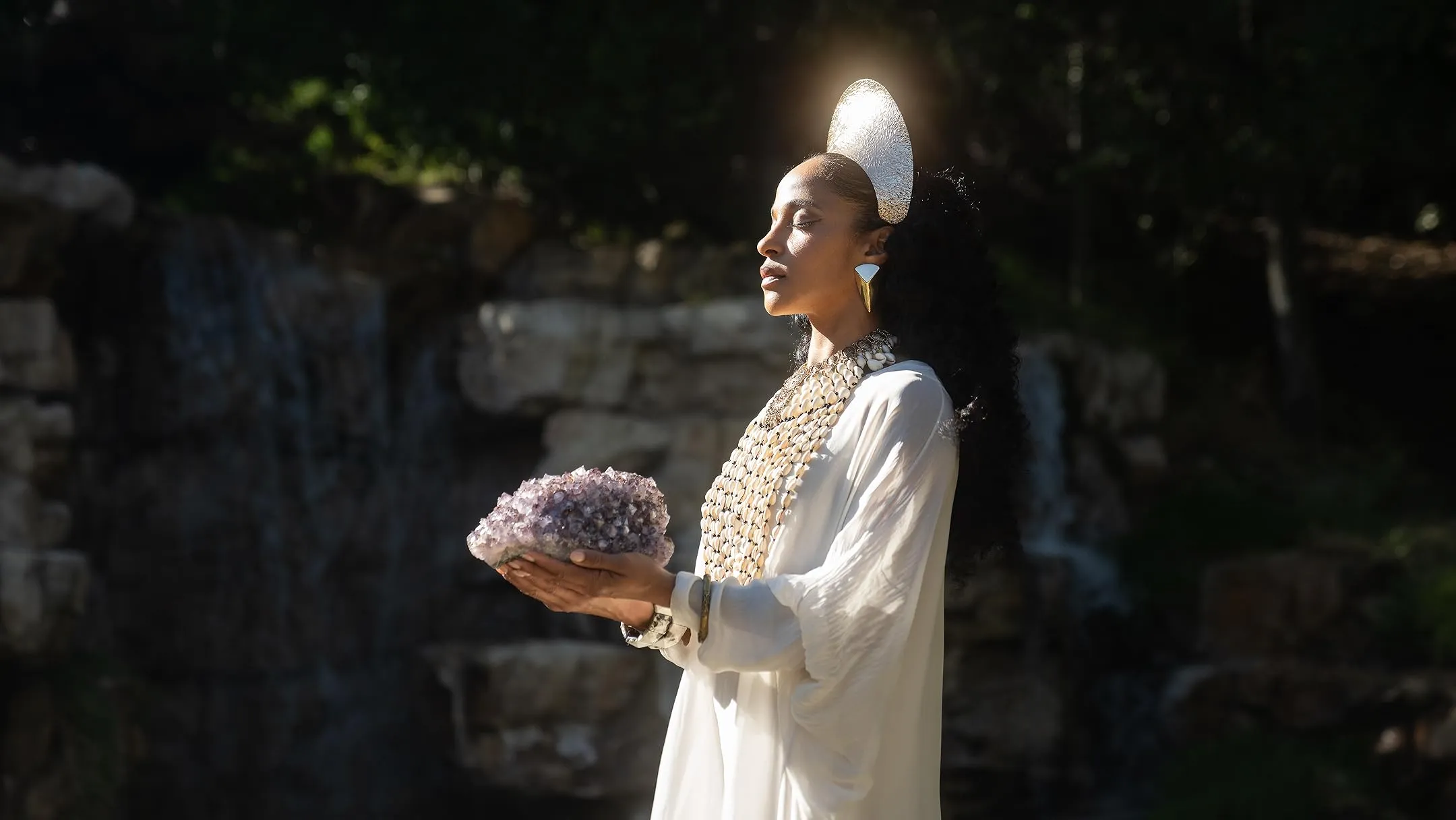
The film argues that we cannot move forward by burying our pain; we must be willing to stay with it, to face it directly, no matter how agonizing it may be. The haunting becomes a form of brutal, necessary therapy, an intervention designed to pull two people back from the brink of self-destruction. The couple’s eventual escape from the house is far more than a physical release. It is a moment of pure emotional and spiritual catharsis.
They walk out into the sunlight not as the two fractured individuals we first met, but as partners who have taken the first, tentative steps toward rebuilding. Stay is a remarkable piece of filmmaking, a movie that uses the familiar language of horror to tell a deeply moving story about grief, forgiveness, and the enduring power of connection in the face of unspeakable loss.
Stay is a supernatural thriller released in 2025, from writer-director Jas Summers. The film follows a married couple, Kiara and Miles, whose already fractured relationship is put to the ultimate test when they are trapped in their home by supernatural forces, forcing them to confront their deepest grief and past traumas. The film premiered on October 8, 2025, and is available for streaming on Hulu and Hulu on Disney+.
Full Credits
The Review
Stay
Stay masterfully uses the haunted house trope as a vessel for a profound and harrowing exploration of grief. Anchored by two stunning lead performances and an intelligent, atmospheric direction, it is less a horror film and more a powerful, cathartic drama about the ghosts we carry within us. It’s a challenging yet deeply rewarding watch that lingers long after the credits roll.
PROS
- Stunning and emotionally raw lead performances from Megalyn Echikunwoke and Mo McRae.
- Intelligent, atmospheric direction that turns the house into a key character.
- A powerful and cathartic story that subverts traditional horror tropes.
- Thoughtful and respectful integration of African spirituality.
CONS
- The deliberate, slow pacing may not appeal to viewers seeking conventional horror thrills.
- Its intense focus on grief makes for a heavy and emotionally demanding viewing experience.
- The narrative relies on a delayed reveal that could frustrate some audience members.