













The global streaming catalogue has become a digital repository for our collective anxieties, a place where the revenge narrative is endlessly repackaged and sold back to us as catharsis. Most iterations offer a simple transaction: a grievous wrong is met with righteous violence, and the audience is granted a clean, satisfying emotional release.
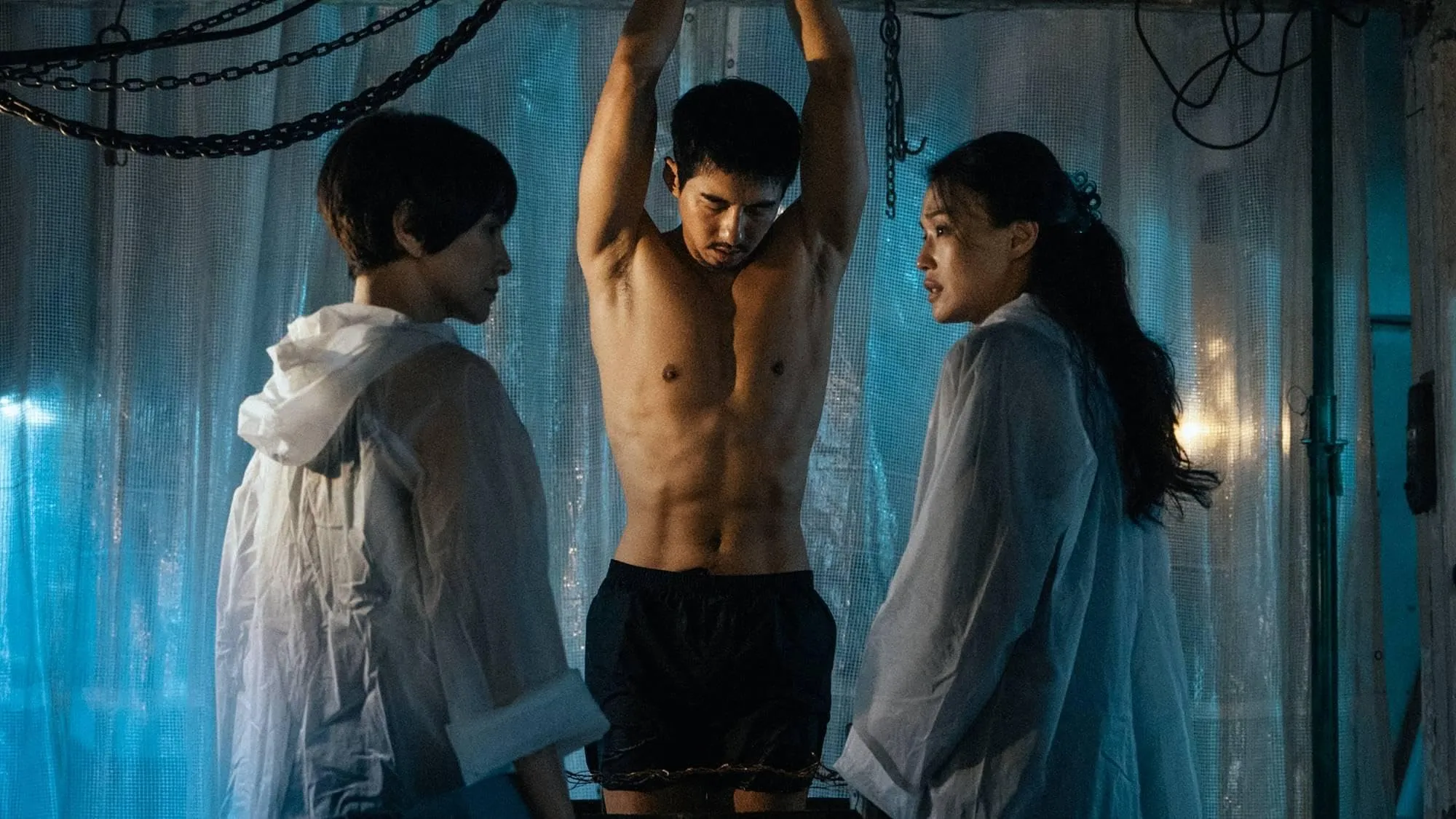
The Taiwanese series The Resurrected arrives as a deliberate disruption of this formula. It takes the familiar architecture of the revenge thriller and subjects it to a brutal moral stress test. The premise is a stark narrative experiment. Two mothers, Hui-chun and Chao Ching, find themselves in the aftermath of a horrific crime that has destroyed their daughters’ lives. When the state-sanctioned execution of the perpetrator, Chang Shih-kai, proves to be a hollow form of justice, they turn to a darker, more primal alternative.
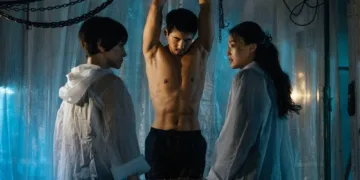
They will use a shamanistic ritual to resurrect him for seven days, seizing control of his fate to administer a punishment of their own design. The series is not asking if they will get their revenge; it poses a far more disquieting question about what happens to the soul when justice is privatized and vengeance becomes a meticulous, hands-on project.
The Anatomy of a Grievance
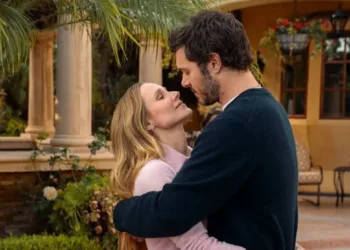
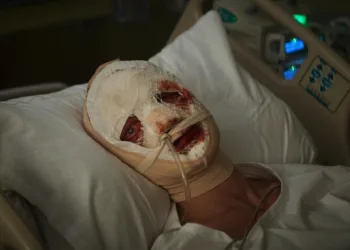
The series dedicates significant narrative space to constructing the architecture of its protagonists’ pain, making their eventual, extreme decision feel less like a plot device and more like a grim inevitability. The specific fates of the two daughters create a powerful dichotomy of grief. Hui-chun’s daughter, Jin Jin, is in a coma, a state of suspended animation that traps her mother in a cycle of perpetual, agonizing hope.
Her daily life becomes a performance of care, fundraising on social media to afford the machinery that keeps her daughter technically alive. This is a distinctly modern form of suffering, where technology sustains a body but offers no true recovery, and a mother’s love is monetized for public consumption. Her grief is an ongoing, high-maintenance vigil.
In contrast, Chao Ching’s daughter, Hsin-yi, was tortured and murdered, her body later cremated. For her, the loss is absolute, an unfillable void. The fact that her daughter’s body is described as “too deconstructed” for the resurrection ritual to work is a brutally physical metaphor for the finality of her death. There is nothing to bring back. Chao Ching’s relentless pursuit of legal justice is her attempt to impose order on this chaos, but the system’s ultimate punishment feels sterile and impersonal.
The mothers’ initial hope to resurrect their own children is a poignant expression of their desire to reverse the irreversible. When this path is blocked, their shared desperation coalesces into a new, terrifying logic. Their plan to resurrect Shih-kai is a radical rejection of societal structures. They are moving their quest for justice out of the brightly lit, procedural world of courtrooms and into the shadowy, ambiguous realm of folk magic, claiming an agency the modern world has denied them.
Portraits in Moral Corrosion
At its center, The Resurrected is a formidable character study, examining how ordinary people are warped under the immense pressure of loss. The series sidesteps the trope of the avenging angel, presenting Hui-chun and Chao Ching as deeply imperfect individuals. Their shared trauma forges a powerful bond, yet it is a connection that enables and escalates their descent.
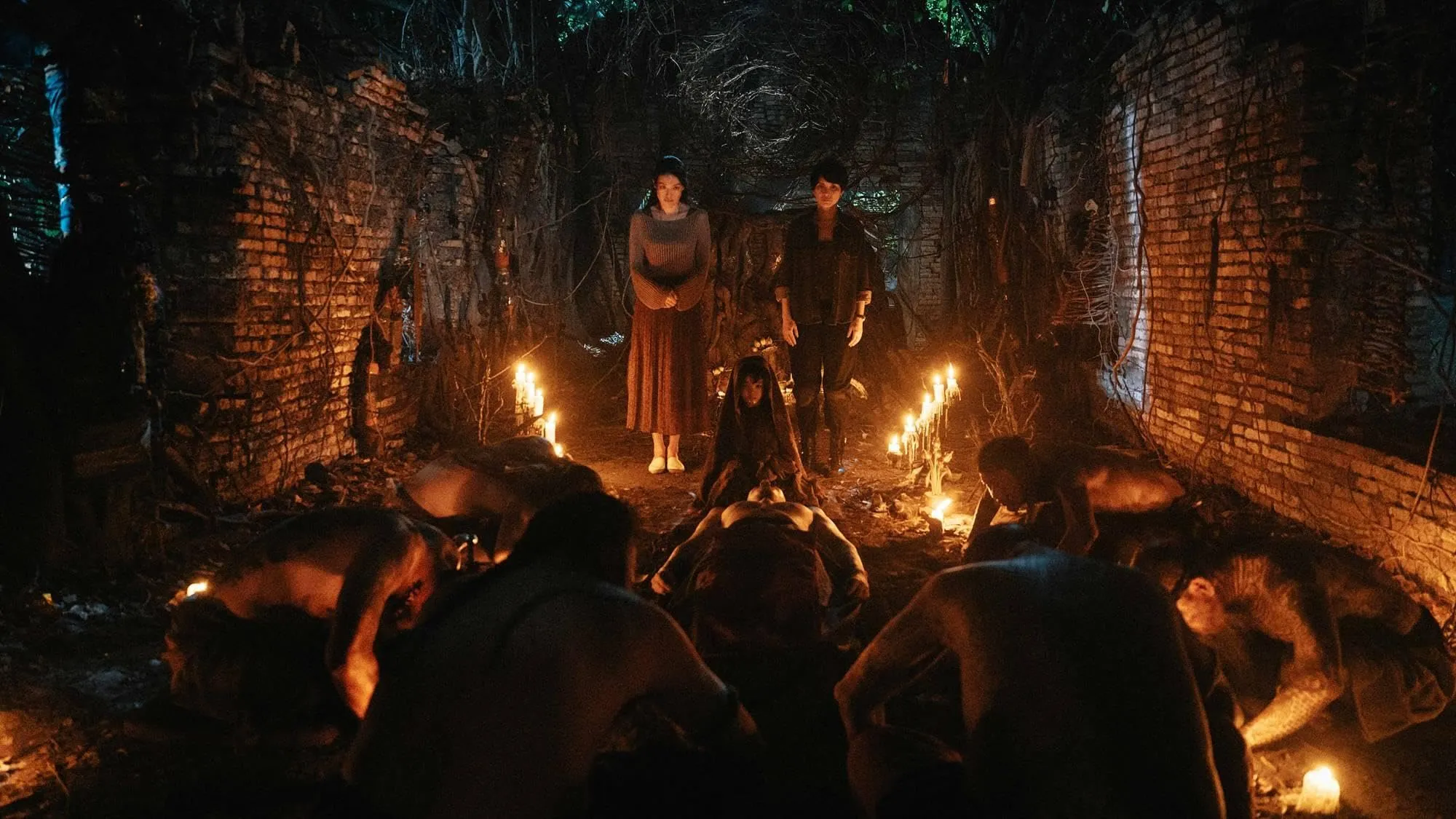
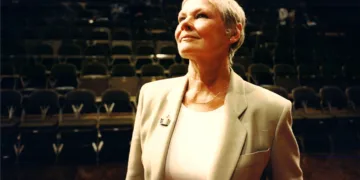
The performances are crucial to this portrayal. Shu Qi, as Hui-chun, wears a fragility that masks a terrifying resolve, her grief manifesting as a quiet, almost brittle intensity. As Chao Ching, Angelica Lee projects a stoic fury, her pain contained behind a wall of controlled anger that threatens to shatter. Together, they create a compelling portrait of a symbiotic relationship built on a dark secret, each woman reflecting and amplifying the other’s obsession.
The script gives them complex histories and personal failings that predate the central tragedy, suggesting that this event did not create their flaws but rather activated them. Their quest is not a clean slate; it is layered over old regrets and simmering resentments. This is a significant representational choice. In a genre space often dominated by male anti-heroes or hyper-capable female assassins, this story centers on the psychological endurance of middle-aged women.
Their power is not derived from physical strength or tactical genius but from an unyielding will born of maternal love and profound rage. The series scrutinizes their transformation, charting the subtle shifts in their morality as they plan and execute an act that will likely consume what remains of their former selves. Their actions become a grim exploration of whether it is possible to reclaim one’s humanity by sacrificing another’s.
Pacing as Philosophy
The series demonstrates a remarkable confidence in its pacing, resisting the frantic rhythm that defines much of today’s binge-watch content. The initial episodes unfold with a deliberate, almost meditative slowness. This is not a flaw but a central part of its thematic design. The unhurried tempo forces the viewer to inhabit the long, agonizing present tense of the characters’ lives.
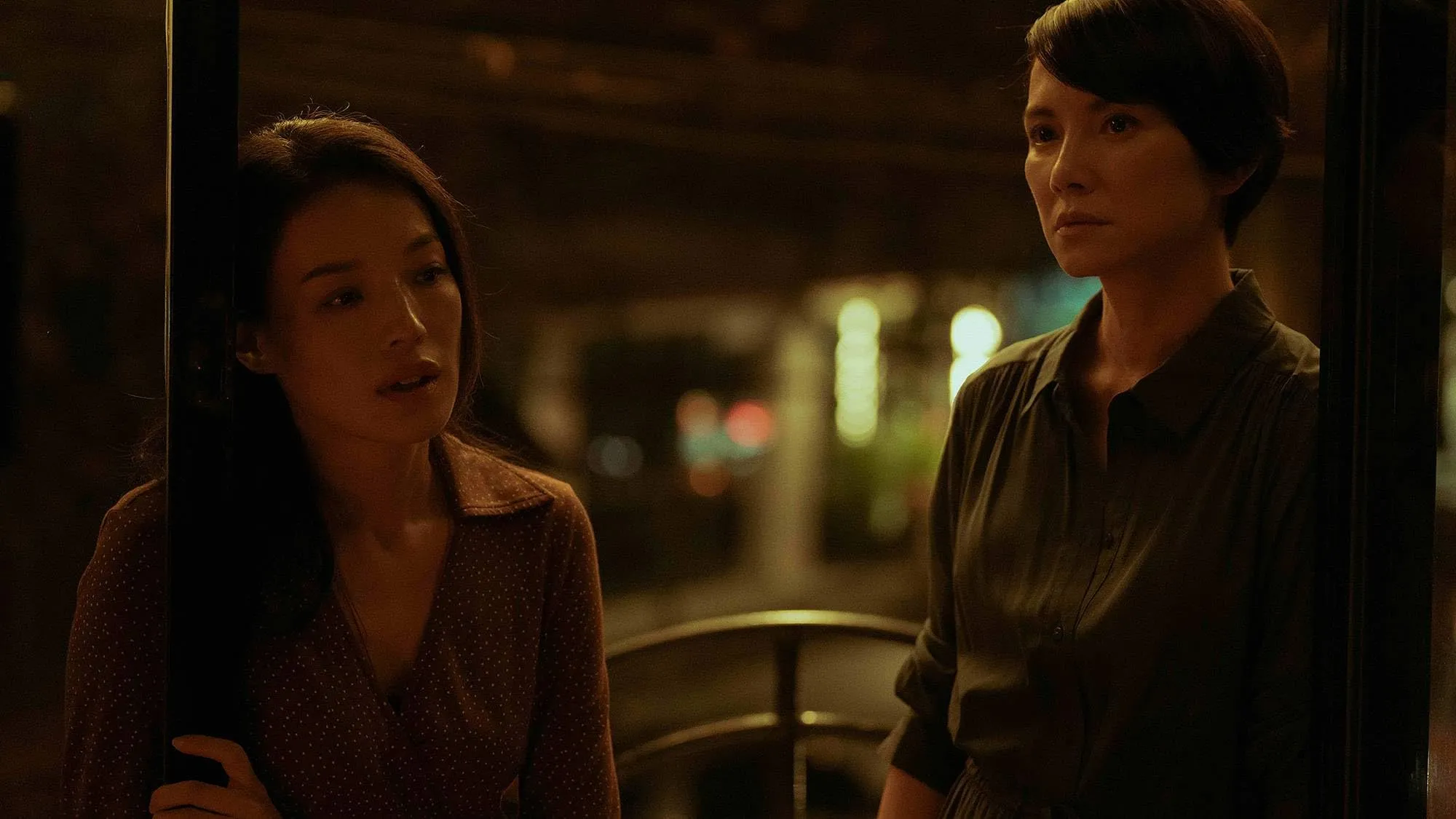
It mirrors the slow, grinding nature of grief itself, a state where time seems to both stand still and stretch on endlessly. This pacing is a philosophical choice, demanding patience and asking the audience to invest in the psychological state of the characters before the plot fully accelerates. By the time the resurrection plan is set in motion, it feels less like a fantastical twist and more like the culmination of a long, painful gestation.
This patient approach allows the show to weave a rich tapestry of realism around its supernatural core. The mundane details are what make the story so unnerving. We witness Hui-chun’s arguments with family members who question the cost of keeping her daughter on life support, a stark commentary on the economic and emotional burdens of modern healthcare.
We see Chao Ching navigate the politics of her professional life, her immense personal trauma an invisible weight she carries into every meeting. These anchors to reality create a powerful sense of verisimilitude. The supernatural element is not an invasion from another world; it feels like a dark secret hidden just beneath the surface of this one, a terrifying option that was always available to those desperate enough to look for it.
The New Moral Labyrinth of Global Television
The Resurrected leaves its audience in a state of profound moral unease, its atmosphere thick with a bleak, questioning tension. The show’s eerie sound design and somber visuals contribute to a world that feels spiritually sick. It refuses to endorse its protagonists’ plan, instead using it as a lens to scrutinize the very concept of justice.
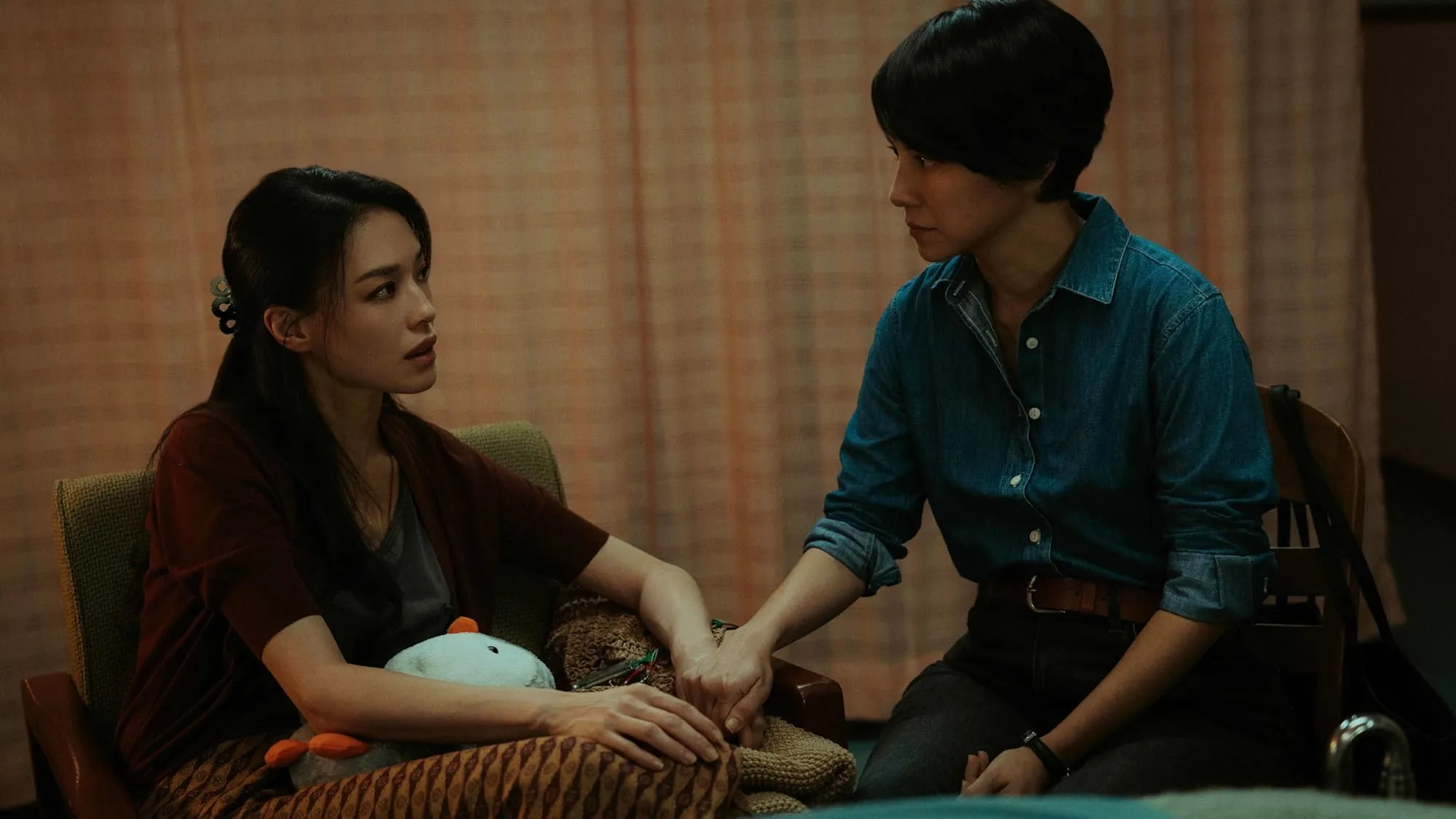
It asks who has the authority to mete out punishment and what the true purpose of that punishment should be: retribution, closure, or something far darker. The narrative does not provide clear signposts for the viewer, presenting the mothers’ quest as both an understandable reaction to systemic failure and a horrifying moral transgression.
This refusal to provide simple answers marks the series as a significant entry in the canon of difficult television. It treats its audience as participants in a moral debate rather than as passive consumers of a revenge fantasy. In doing so, it exemplifies a growing trend in global storytelling, where genre conventions are used to explore complex social and philosophical questions for an international audience.
The show’s potential influence lies in its successful fusion of grounded, character-driven drama with high-concept supernatural horror. It suggests a path forward for stories that use the impossible to say something urgent about the human condition. The Resurrected is a disquieting mirror held up to the limits of grief and the terrifying possibilities that lie beyond the edge of conventional morality.
The Review
The Resurrected
The Resurrected is a formidable and disquieting piece of television, using its supernatural premise not for cheap thrills but as a scalpel to dissect the anatomy of grief. It is a demanding, slow-burn character study that refuses to offer easy moral clarity, instead immersing the viewer in the suffocating logic of its protagonists. While its deliberate pacing may test some, its unflinching examination of what lies beyond conventional justice makes it a powerful and haunting series that lingers long after the credits roll.
PROS
- A deeply psychological and nuanced character study of its two female leads.
- Powerful, raw, and grounded performances from Shu Qi and Angelica Lee.
- Raises profound and challenging moral questions about justice and vengeance.
- Effectively blends stark realism with its supernatural premise.
- Confident, meditative pacing that builds a potent atmosphere of dread.
CONS
- The extremely bleak and somber tone can be emotionally taxing.
- Deliberately slow pacing may not appeal to all viewers.
- Contains graphic scenes that may be disturbing for some.