



















When a follow-up series returns to familiar, cherished lore, success depends on honoring what came before while establishing an independent trajectory. Wizards Beyond Waverly Place handled that balance in its debut by centering Justin Russo’s attempt to build a stable domestic life. That stability ends violently when a magical explosion shatters the household equilibrium.
Season 2 begins in the immediate wake of that rupture. Justin’s effort to maintain a normal, nonmagical household with his wife Giada, his adopted wizard-in-training Billie, and his sons Roman and Milo collapses. Roman and Milo manifest powers unexpectedly, and Justin is drawn back into the role of mentor.
The family dynamic shifts at once. The home becomes a covert training ground for three young wizards who must prepare to face each other under the series’ new rules. The season raises stakes quickly, making magic a source of both comic set pieces and intense emotional friction while preserving the humor and warmth that define the show.
The Competing Stakes of World-Building
This season’s central narrative turn emerges from the New Trio and Training Dynamics. Billie no longer carries the sole burden of magical focus. She must share Justin’s instruction with two cousins who have their own rivalries and expectations. That structural change complicates the household. Justin’s role expands from basic teaching to managing daily crises, mediating sibling hostility, and preserving secrecy.
Billie and Roman’s tension functions as an effective dramatic engine. Roman’s natural aptitude for magic presents an early and urgent threat to Billie’s sense of security. The show resolves this conflict by leaning into the family’s underlying affection, yet the preceding abrasive behavior clarifies how competition corrodes relationships. The wizard competition premise poisons familiar bonds and creates immediate emotional stakes.
The Wizard Competition itself acts as a double-edged narrative mechanism. The plot establishes a brutal rule: only one wizard per generation retains powers into adulthood. That rule creates potent dramatic pressure within the family by imposing a cruel, arbitrary deadline on childhood and forcing potential adversarial roles between relatives. The series uses this rule to generate genuine emotional fallout. The absence of a clear explanation from wizard authorities remains a notable world-building gap, and the show exploits that gap to make the consequences feel unjust and therefore more affecting.
The season finds stronger footing when it lets the competition recede and opts for classic problem-of-the-week episodes. Those contained magical disasters give the comedy room to breathe and allow focused exploration of character choices and magical growth without the constant weight of the competition.
The season also introduces an expanding lore and an overarching threat that ties episodic plots together. A continuous storyline introduces a powerful enemy aimed at Billie and the Russo family. That ongoing antagonist balances the lighter standalone troubles while maintaining narrative momentum. The continuous threat provides a spine for the season and gives lighter episodes added context and consequence.
Performance and Relational Dynamics
Season 2’s success rests on the ensemble and the emotional truth of its relationships. The Three Young Wizards anchor the story, and the actors meet the demands of shifting tone and stakes.
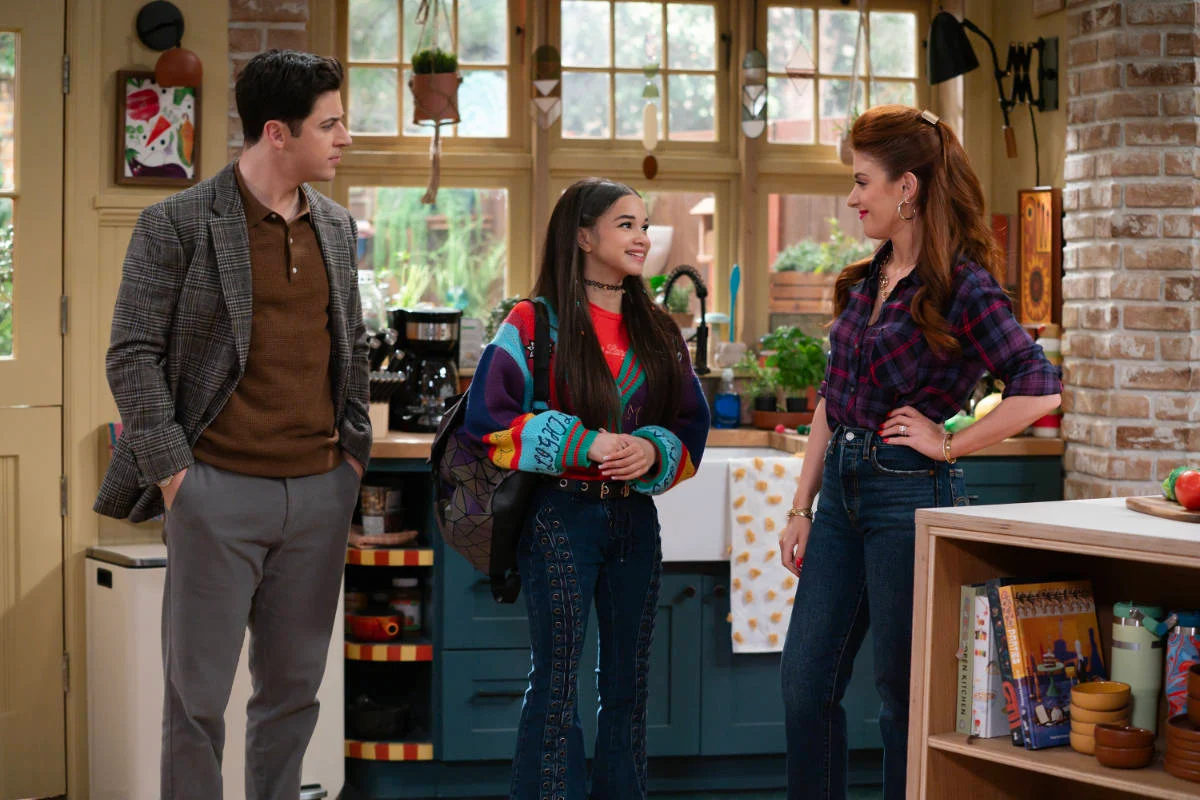
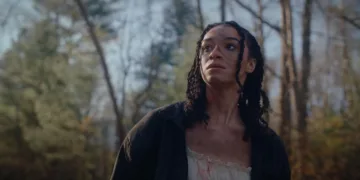
Janice LeAnn Brown plays Billie as the series’ emotional center. Her portrayal blends sassy, chaotic energy with a capacity for heavier feeling. She captures Billie’s adjustment from being the household’s singular magical figure to occupying a suddenly vulnerable position when cousins gain powers. Brown balances teen humor tied to magic with sincere scenes that show a girl fighting for belonging within an adoptive family.
Alkaio Thiele’s Roman provides friction on purpose. Thiele embraces Roman’s smarmy confidence so that the character’s brief, earned moments of warmth land with veracity. Watching Roman work through smugness to reveal genuine feeling gives his arc real weight.
Max Matenko’s Milo contributes steady comic relief. His timing and physical responses are highlights, and moments such as the gummy bear incident showcase his command of reactive comedy. Milo keeps the family’s chaos from tipping into bleakness.
David Henrie anchors the adult side of the cast as Justin. Henrie shifts from his original leading role into an authoritative figure who struggles privately. He negotiates the balance between parental protectiveness and fair mentorship across all three trainees. Giada, portrayed by Mimi Gianopulos, functions as the moral counterpoint and emotional support. She eases Justin’s excesses and preserves a grounded, human perspective inside the family.
Supporting players add texture. Winter, played by Taylor Cora, provides a deadpan foil to the magical chaos. Her subplot with Roman, in which they attempt to repair their friendship after his awakening, brings a believable note of relational maturity. That arc shows how a major life change distorts even longstanding, simple friendships.
New characters arrive as catalysts. Piper, the Oracle played by Freya Skye, brings foresight that complicates the family’s planning. Quinton, introduced as a charming interest for Billie, becomes a source of emotional harm when manipulation reveals a darker role. That turn deepens Billie’s personal jeopardy by showing the enemy’s reach into intimate trust and romantic connection.
Tone, Themes, and Production Quality
The series maintains a steady mixture of humor and emotional weight that suits its Disney Channel format. Humor moves quickly and often relies on slapstick outcomes of failed spells. At the same time, the show includes contemporary commentary, such as the “okay boomer” moment, which helps humor land for a modern audience. The tonal consistency allows serious beats to register with force.
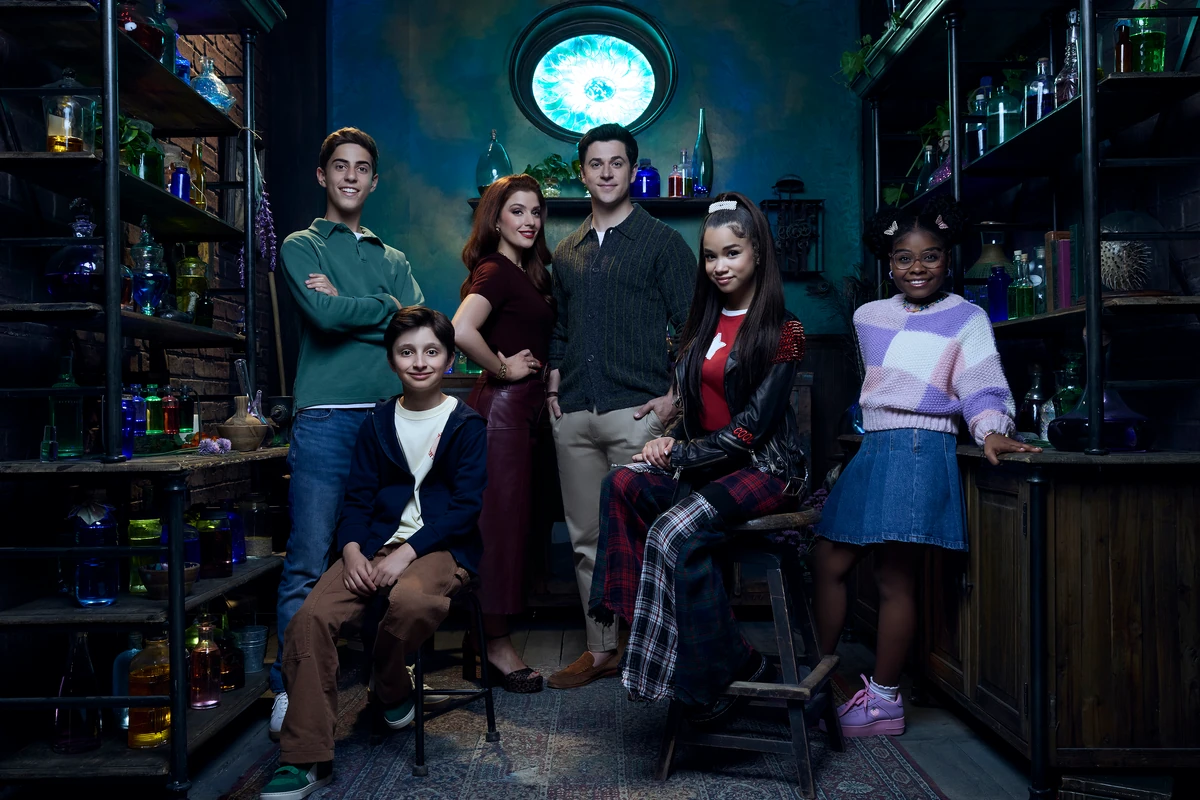
Core themes supply the season’s philosophical anchor. The series repeatedly affirms that family, love, and responsibility provide power that exceeds magical ability. Conflicts resolve through acts of courage, mutual support, and unconditional care rather than by escalating spells. That focus grants each magical setback and triumph emotional weight. The season’s message favors authenticity and mutual support as the way through true danger.
Visuals and magical effects improve noticeably. Familiar sets and the show’s enchanted atmosphere gain enhanced effects and larger-scale sequences. The increased cinematic investment reflects respect for the story’s raised stakes and makes the magical world feel tangible and consequential. The aesthetic choices remain coherent and help preserve a consistent sense of wonder.
Several episodes highlight the season’s pacing and scriptcraft. The two-part finale stands out as a major achievement. Episodes like “Smells Like Halloween Spirit” deliver strong standalone comic energy. The Christmas episode, directed by David Henrie, emphasizes familial warmth before the season’s final escalation. The holiday-themed installment combines emotional grounding with forward plot momentum, demonstrating how the series performs best when its creative elements align.
The Climactic Reveal and Future Imperative
The two-part finale, “Wizard at the End of the World,” delivers the season’s most intense dramatic architecture. It stages the largest confrontation to date and tests the family’s ability to recognize truth under magical subterfuge. Lord Morris undermines trust by presenting himself in Justin’s guise, forcing characters to separate emotional reality from illusion. That setup demands emotional literacy from the cast and produces effective dramatic tension.
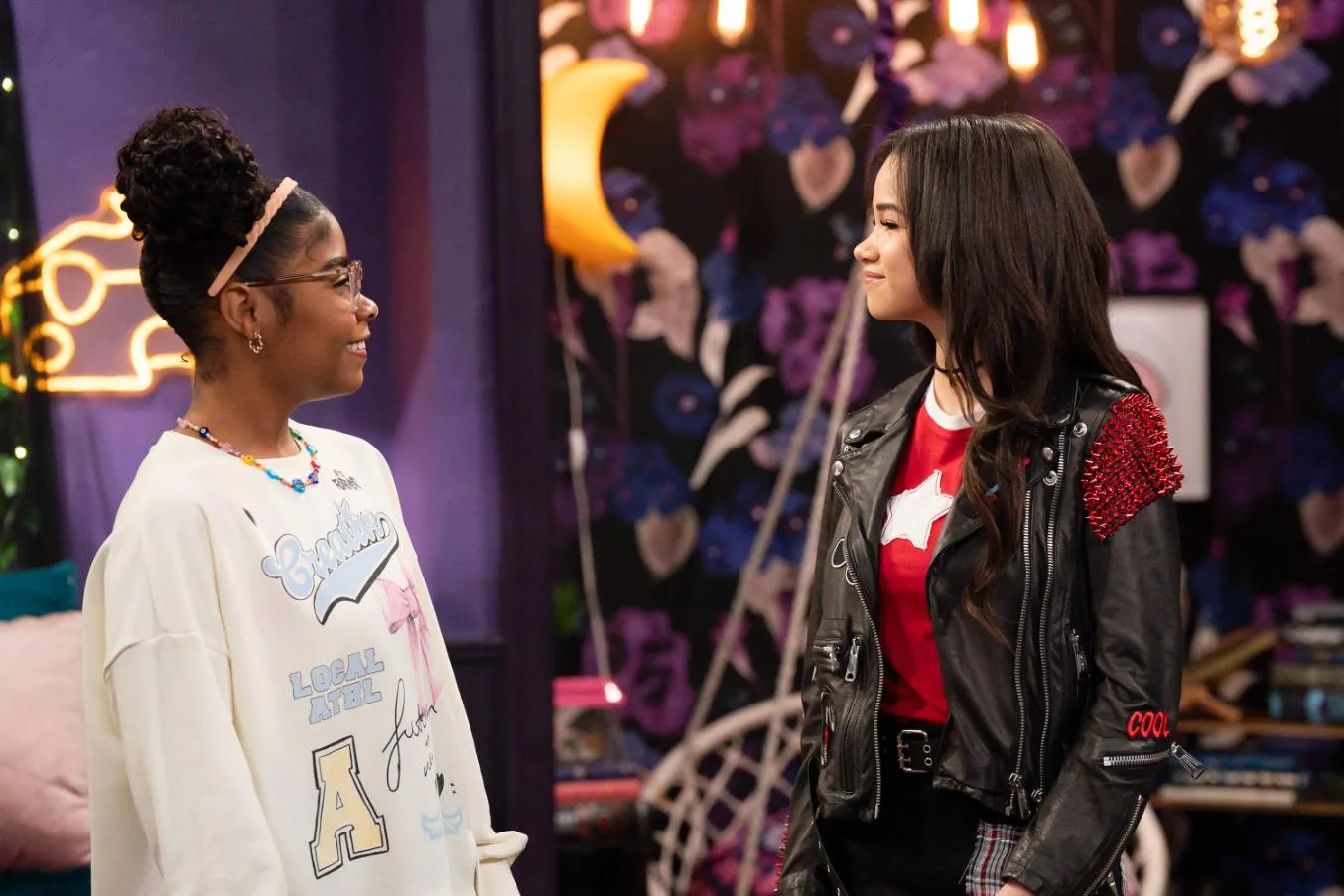
The season’s most devastating revelation arrives when a hidden locket and a memory spell uncover a long-kept secret: Billie is Alex Russo’s daughter. That disclosure reframes Billie’s arc. She stands as a talented adoptee and becomes Justin’s niece and a direct heir to the original family legacy. The twist deepens emotional investment in Billie’s path and binds her fate tightly to the Russo name.
The finale’s culmination centers on Alex’s sacrifice and a cliffhanger that reorients the series’ aims. The antagonist Penwolf emerges, and Alex takes decisive action. To seal a dangerous rift and protect her daughter and family, Alex throws herself through a dimensional opening and closes it from the other side. The moment supplies painful closure to her return while leaving Billie with sudden, severe loss.
That cliffhanger sets a clear mandate for what comes next. The Russo family’s quest for Season 3 becomes urgent and personal: they must marshal every magical skill and emotional resource to retrieve Alex from a dimensional prison. By raising the stakes to a profoundly intimate level, the season ensures that the next chapter will matter to viewers invested in the family’s fate.
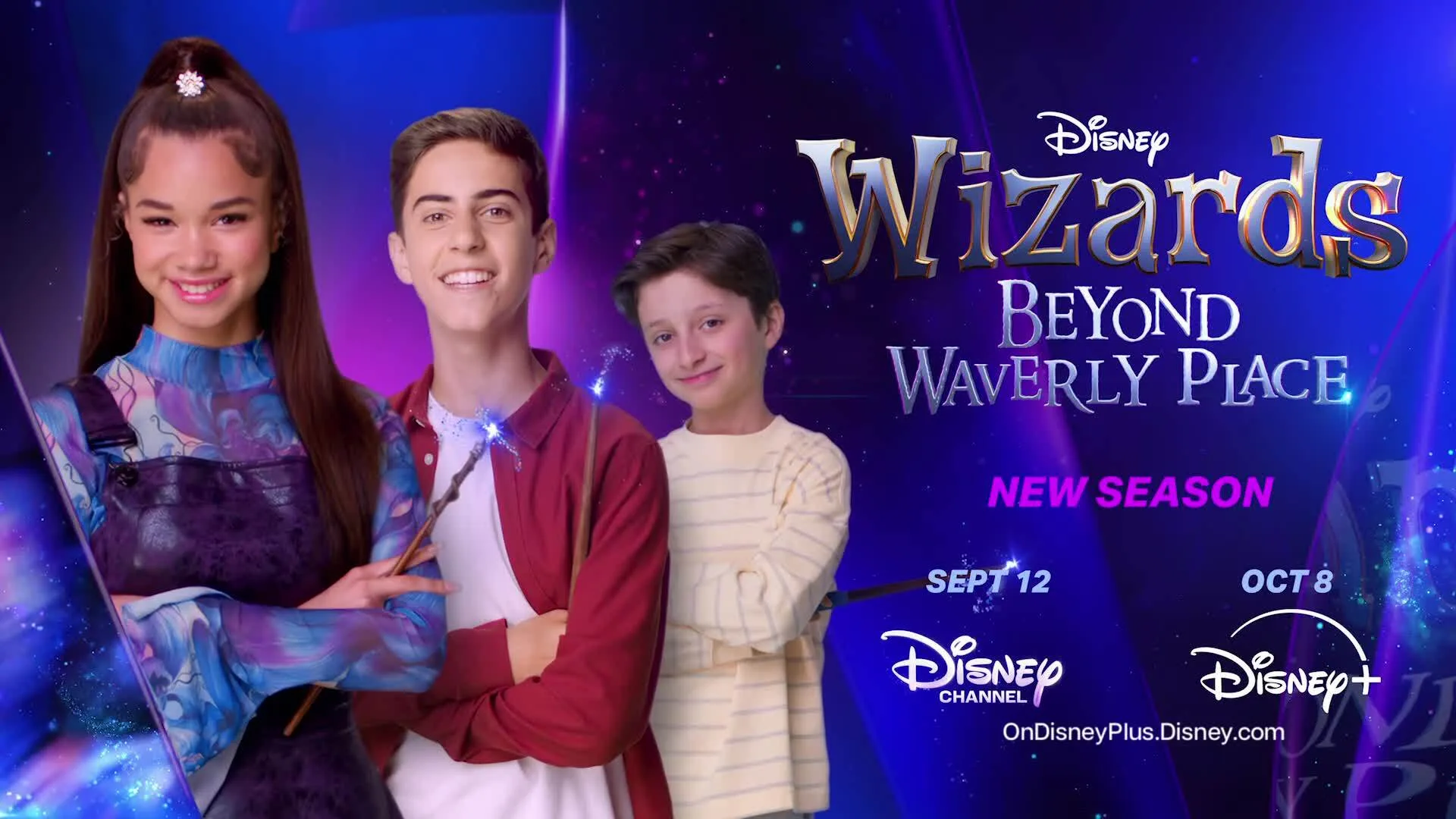
Wizards Beyond Waverly Place Season 2 picks up right after the magical upheaval of the first season. The second season premiered its first two episodes on Friday, September 12, 2025, on the Disney Channel. The entire season became available for streaming on Disney+ in the U.S. and select international markets on Wednesday, October 8, 2025. The show focuses on an adult Justin Russo, who must return to the world of magic to train three young wizards—his adopted niece, Billie, and his two sons, Roman and Milo—for the high-stakes Family Wizard Competition, all while facing a new, mysterious magical threat.
Full Credits
Director: Andy Fickman, Victor González, Jody Margolin Hahn, Bob Koherr, Danielle Fishel, Robbie Countryman, Leonard R. Garner, Jr., Raven-Symoné
Writers: Jed Elinoff, Scott Thomas, Todd J. Greenwald
Producers and Executive Producers: Jed Elinoff, Scott Thomas, Selena Gomez, David Henrie, Gary Marsh, Jonas Agin, Rick Williams, Andy Fickman
Cast: David Henrie, Janice LeAnn Brown, Alkaio Thiele, Max Matenko, Taylor Cora, Mimi Gianopulos, Selena Gomez, Freya Skye, Kirsten Vangsness, Tobias Jelinek, Bill Chott, Sean Whalen
Composer: Zack Ryan
The Review
Wizards Beyond Waverly Place Season 2
Season 2 dramatically escalates the internal conflict by empowering all three young wizards, successfully doubling the comedic and dramatic potential. The series excels by grounding its high-stakes magical plot in sincere emotional strain, showing how the competition rule affects familial love. Despite the wizard lore's continuing inconsistency, the season delivers a deeply compelling narrative. It is capped by a major, shocking family reveal and a powerful, painful sacrifice. The performances, particularly from the younger cast, ensure the emotional gravity of the finale lands with maximum impact, setting a thrilling future for the series.
PROS
- The two-part finale delivers immense emotional stakes and a massive, shocking family secret reveal.
- The young wizards (Brown, Thiele, Matenko) excel in both comedic timing and handling emotional transitions.
- Successfully merges high-stakes serial plot lines with lighthearted, standalone "problem-of-the-week" magical humor.
- The visual effects and production quality see a noticeable improvement, enhancing the magical atmosphere.
- Clearly asserts the core theme that family, love, and responsibility are the true source of power.
CONS
- The foundational "one wizard per family" rule remains an unexplained plot hole, creating tension for viewers invested in the world-building.
- Early reliance on sibling rivalry for plot can lead to moments of nonsensical or deliberately abrasive character behavior.
- Certain supporting character arcs, like that of Quinton, feel underdeveloped despite their pivotal role in the final conflict.