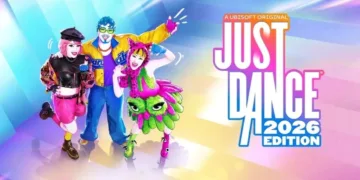
























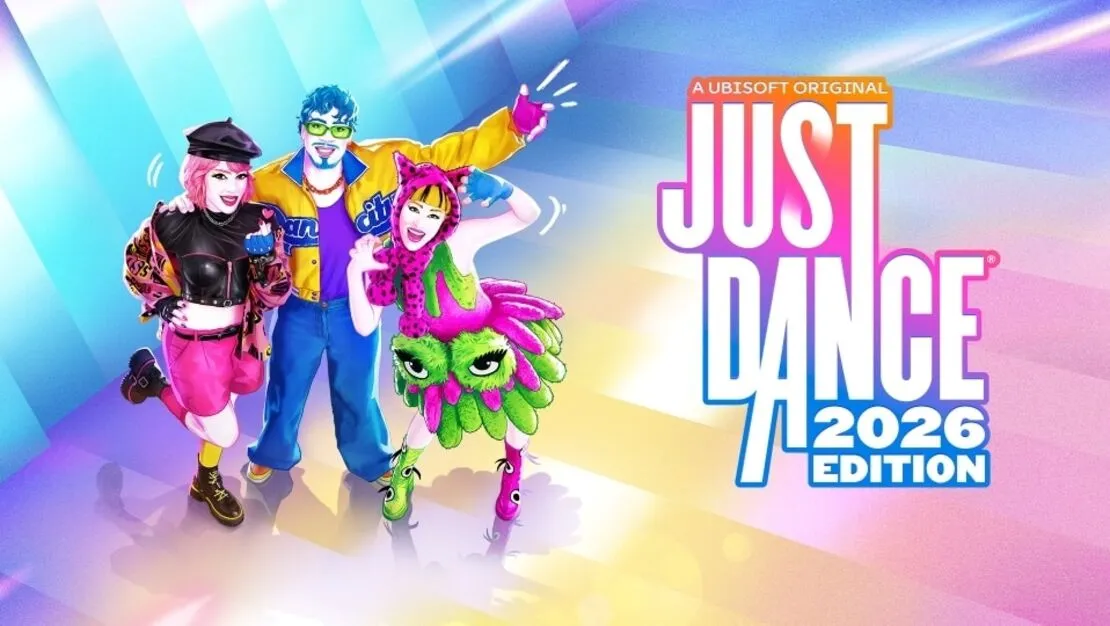

Ubisoft’s Just Dance franchise has become a holiday season ritual, arriving each year like clockwork to transform living rooms into makeshift dance studios. The 2026 Edition maintains this tradition while operating within a framework that might confuse newcomers: this isn’t quite a standalone game anymore. Since 2024, Just Dance has evolved into a platform model, and the 2026 Edition functions as an expansion pack that slots into the existing Just Dance hub alongside previous years’ entries and the Just Dance+ subscription service.
The premise remains beautifully simple. Players hold their phones or controllers and mirror the on-screen choreography of professional dancers, grooving to popular music while the game judges their timing and accuracy. This year’s package adds 40 new songs spanning pop hits, classic tracks, and family-friendly options, each paired with unique choreography and varying difficulty levels. The game runs across Xbox Series consoles and Nintendo Switch, though the experience differs depending on your platform and internet stability.
Viral Hits Meet Timeless Classics
The 40-song tracklist walks a careful line between chasing current trends and honoring the classics that defined dance floors decades ago. “APT.” by ROSÉ and Bruno Mars captures the K-pop crossover phenomenon perfectly, while Chappell Roan’s “Good Luck, Babe!” represents the year’s breakout queer pop moment. Tate McRae’s “It’s ok I’m ok” showcases contemporary pop choreography at its finest, with visual production that transforms the song into something approaching a music video experience.
The classic selections demonstrate range: Madonna’s “Hung Up” and Cyndi Lauper’s “Girls Just Want to Have Fun” bring generational appeal, while Smash Mouth’s “All Star” offers nostalgic comfort food. K-pop expands beyond “APT.” with BABYMONSTER’s “Drip,” acknowledging the genre’s continued dominance in dance game culture. Artists like Sabrina Carpenter, Lady Gaga, OneRepublic, and Lola Young round out a roster that skews heavily toward pop sensibilities. The Bluey medley addresses younger players directly, creating an entry point for families with small children. The seated version of “Feather” pushes accessibility boundaries, recognizing that not every player can or wants to perform standing choreography.
Here’s where the selection reveals its limitations. The genre variety tilts so heavily toward pop that players seeking Latin rhythms, hip-hop depth, rock intensity, or electronic dance music will find slim pickings. The absence of certain 2025 chart-toppers creates noticeable gaps in what should feel like a comprehensive year-in-music snapshot. When “Thrift Shop” by Macklemore and Ryan Lewis appears so heavily censored that it resembles a karaoke backing track, you question whether including it served any purpose beyond name recognition.
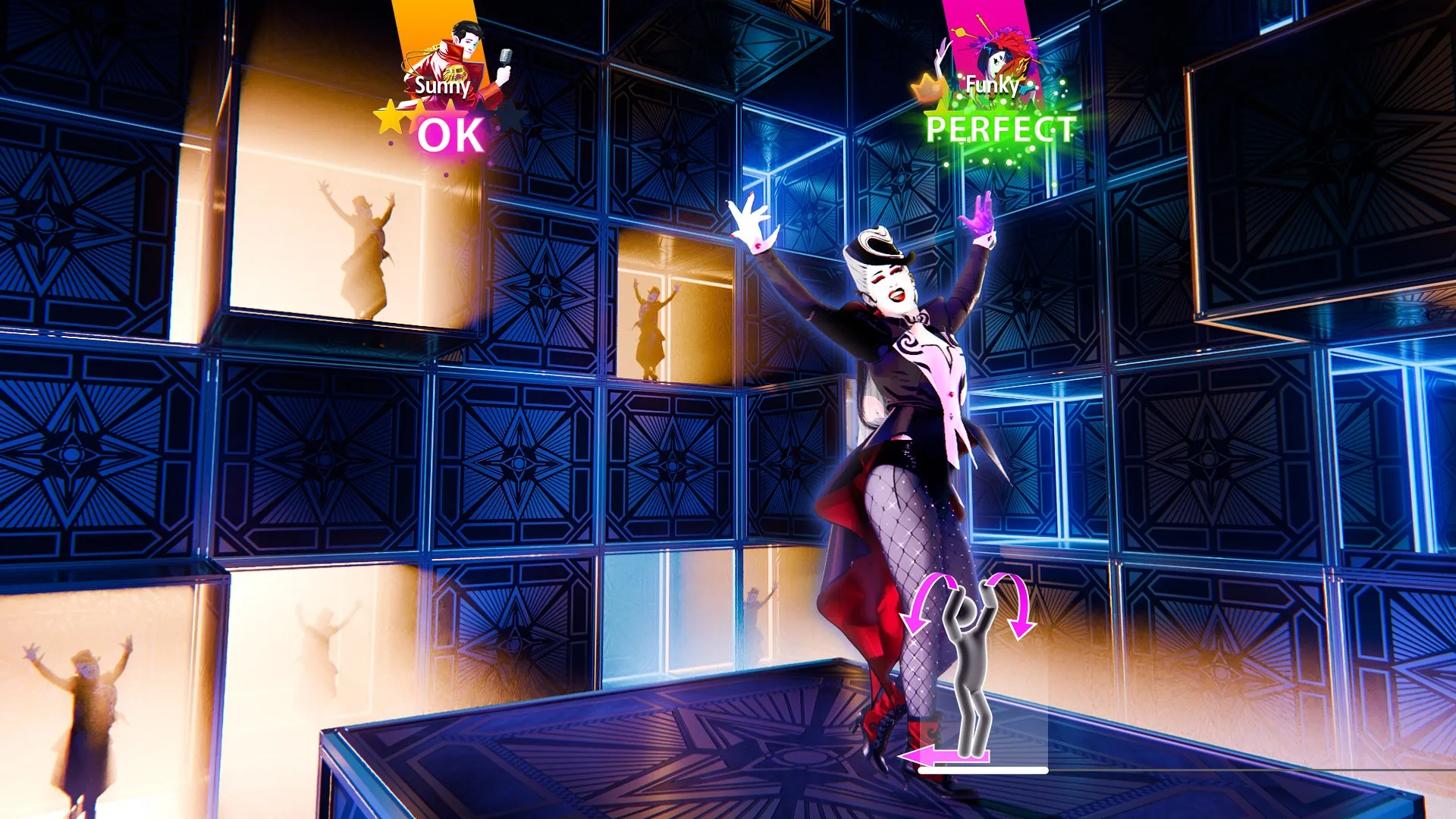
The choreography itself operates on two parallel tracks. Difficulty ratings and intensity ratings function independently, allowing a song to be technically simple while demanding serious cardiovascular effort, or vice versa. The “Extreme” versions of select tracks push skilled dancers toward performance-level execution, transforming casual living room fun into genuine athletic challenge. Production values have climbed noticeably over the series’ history, with elaborate visual scenarios now accompanying each song.
Technical Friction in the Dance Space
The control methods represent Just Dance 2026’s most significant friction point, and the experience varies wildly depending on which option you choose. Phone-as-controller supports up to six simultaneous players, making it the obvious choice for parties and family gatherings. The implementation, however, struggles with precision. The tracking feels approximate rather than accurate, frequently delivering low scores on performances you know you executed correctly. This disconnect between perceived skill and measured results creates frustration that dampens the dopamine hit rhythm games depend on.
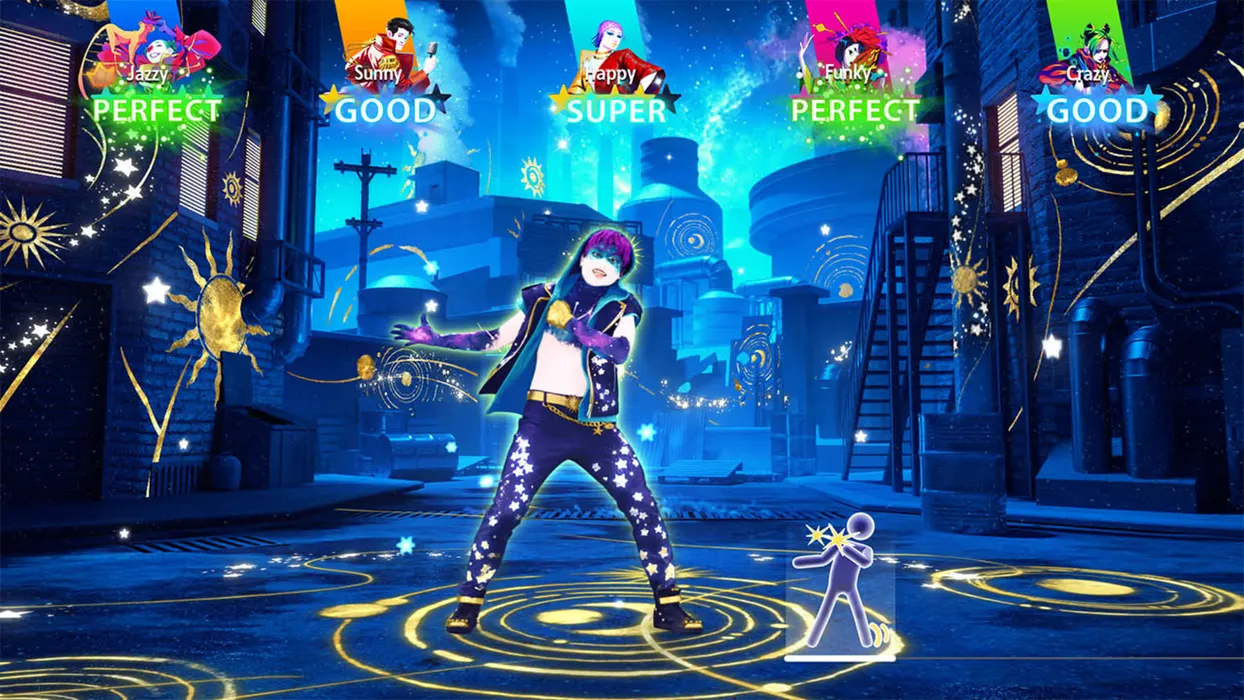
Camera controller mode flips this dynamic. Setting your phone against the TV or a nearby table frees you from clutching expensive hardware while dancing. Testing with both a Galaxy S25 Ultra and an aging iPhone 11 produced surprisingly reliable tracking, suggesting the feature works across device generations. The game reads full-body movement rather than just hand position, creating a more holistic assessment of your dancing. This mode requires at least two meters of clear space, which immediately excludes players in cramped apartments or crowded living rooms. The bigger problem? Only select songs support camera mode, and some high-profile tracks like “APT.” simply refuse to register movement at all.
The complete removal of peripheral support marks a philosophical shift. No Kinect. No PlayStation Eye. No motion controllers. This decision standardizes the experience around smartphone integration, but it eliminates options that many longtime players preferred. The hub application that houses Just Dance 2026 requires phone connection before accessing any content, creating an additional setup barrier.
Party Mode introduces random interruptions mid-song where animated characters demand special actions like jumping or clapping to continue. The mechanic aims for spontaneity and chaos during social play, but it feels more like a distraction than an enhancement. Co-op Party Mode takes a different approach, requiring synchronized movement between players to achieve team goals. Profile customization unlockables reward consistent play with cosmetic options for leaderboard appearances.
The online dance floor mode from previous entries allowed hundreds of players to join rotating global sessions, creating a sense of communal experience even when dancing alone in your living room. Its absence here reduces online functionality to world leaderboards and curated playlists, stripping away the spontaneous social connection that made jumping into random matches feel exciting.
Technical stability depends entirely on your internet infrastructure. Every song video streams rather than runs locally, meaning connection drops halt gameplay completely. Slow connections degrade video quality to distracting levels. Navigation quirks compound these issues: even after connecting your phone, certain functions like song search require grabbing a traditional controller. Loading times remain short when the connection holds, and animations flow smoothly, but these positives only matter if your internet cooperates consistently.
The Platform Economics Question
Just Dance 2026 Edition exists within a subscription ecosystem that fundamentally changes how you evaluate its value. The 40 included songs represent your base purchase, but Just Dance+ adds 400 additional tracks through ongoing updates. The base game includes a one-month trial subscription, which feels less like generosity and more like an acknowledgment that the full experience requires paid ongoing access. The service delivers consistent updates ranging from Eurovision classics to recent hits. Brazilian players recently received “Medicina” by Anitta, demonstrating how regional content gets folded into the broader catalog.
The pricing structure creates tension. The edition itself carries a premium price tag, then the subscription adds significant recurring costs to access the majority of available content. You’re essentially paying full game price for a 40-song starter pack, then subscribing to unlock the real library. This model works if you’re already invested in the Just Dance ecosystem and view 2026 as your annual refresh. For newcomers or casual players, the value proposition looks shakier.
Platform considerations add another layer. The Nintendo Switch version arrives without any Nintendo Switch 2-specific build. Previous Nintendo hardware like the Wii U GamePad integrated photo and video capture features that let players save silly dance moments or share clips. The absence of Switch 2 camera integration represents a missed opportunity to create shareable content during choreography.
Who benefits most from this package? Regular social gatherings justify the investment. Families and friend groups that schedule recurring game nights will extract consistent value from the fresh song list and reliable dance mechanics. The cardio benefits shouldn’t be dismissed either; sustained play delivers genuine physical activity disguised as entertainment. Longtime fans know exactly what they’re getting: a polished, familiar experience with 2025’s soundtrack. New dancers face the gentlest possible learning curve.
Solo players face a different calculation. The removed online dance floor mode eliminates the feature that previously made solo play feel connected to a broader community. The phone-as-controller imprecision makes solo play more frustrating since you can’t rely on a second player’s energy to carry momentum through rough tracking moments. Camera mode works better for solo sessions, but its limited song compatibility restricts your options.
The technical infrastructure requirements can’t be overstated. Stable, fast internet isn’t optional here; it’s foundational to whether the game functions at all. Missing features from previous entries compound the sense that this edition represents lateral movement rather than forward progress. The simple, accessible gameplay remains Just Dance’s enduring strength. Anyone can pick up a phone and start dancing within minutes. Whether that’s enough to justify the price, the subscription model, and the technical compromises depends on how often you plan to use it and how many people you can gather around your TV.
The Review
Just Dance 2026 Edition
Just Dance 2026 Edition delivers exactly what the franchise promises: accessible dance fun with a solid soundtrack of 2025 hits and timeless classics. The camera controller mode works surprisingly well, and the song variety covers mainstream pop admirably. However, the complete reliance on streaming creates technical vulnerabilities, the phone-as-controller tracking remains frustratingly imprecise, and the removal of the online dance floor mode feels like a step backward. The subscription model makes the true cost steep for what amounts to 40 songs. Best for social players with stable internet; solo dancers should think twice.
PROS
- Strong mix of viral 2025 hits and classic tracks
- Camera controller mode offers accurate tracking
- Accessible choreography with difficulty tiers
- Profile customization unlockables
- Excellent for cardio and social gatherings
CONS
- Phone-as-controller tracking feels imprecise
- Complete dependence on stable internet connection
- Missing online dance floor mode from previous entries
- Limited camera mode song compatibility
- Expensive base price plus subscription costs
- Genre variety skews heavily toward pop