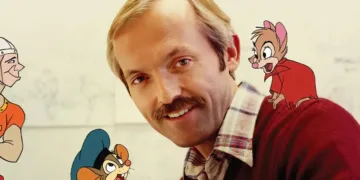








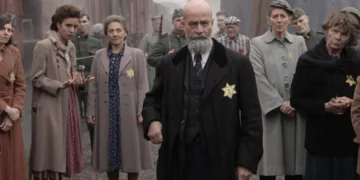





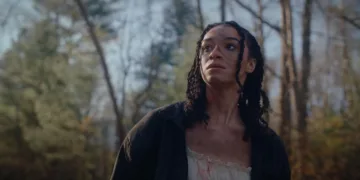

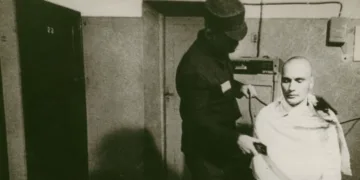









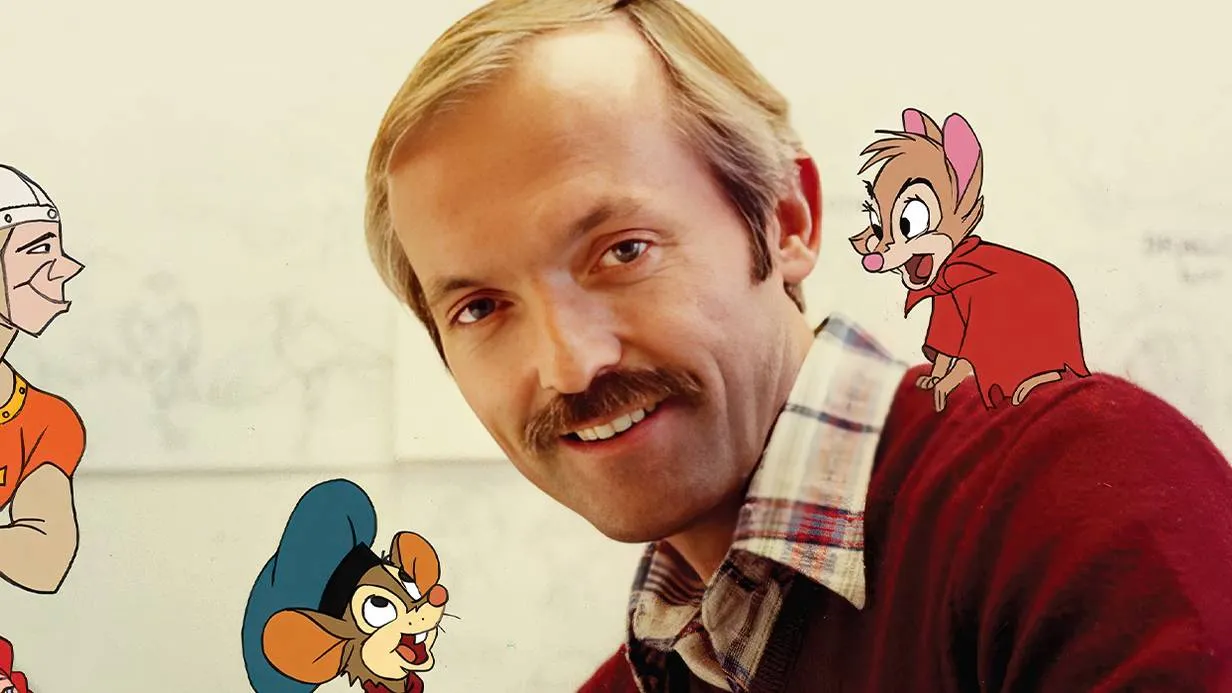

The pencil point glides across the lightbox, mapping sinewy lines that form the body of a ferocious rodent. The hand belongs to Don Bluth, an animator who chose to challenge an established dynasty. Chad N. Walker and Dave LaMattina’s documentary, Don Bluth: Somewhere Out There, traces the career of this industry outlier. The film opens with Bluth’s break from Disney, a decisive move that sets him on a path marked by the demanding work of building his own studio.
Through interviews recorded in his late eighties, the documentary crafts a rare, reflective portrait of his professional life, unafraid of his missteps or his triumphs. From the outset, the film defines its guiding thread: Bluth’s long-standing desire to expand what animation could be as an art form and to stand in direct competition with the studio that once inspired him.
The Duel for the Art of Animation
Bluth first sought the most obvious destination for an ambitious artist and joined Disney. He entered the company during a stretch often described as stagnant, after the death of Walt Disney. The animated films of the 1960s and 70s lacked the energy and consistent standard long associated with the studio.
That sense of disappointment provided the spark for his departure, driven by a wish to keep stretching the possibilities of animation far past the corporate limits he saw around him. He framed the split as a necessary form of competition that could improve the craft across the field, a stance that sidesteps any sense of personal feud. His first independent feature, The Secret of NIMH, stands as clear proof of that commitment.
Created with a much smaller budget, it announces a fierce dedication to richer animation quality and delivers a direct challenge to the dominant studio. The documentary returns to this central tension: an insistence on artistic standards set against the practical demands of commercial survival. High expectations for visual fidelity brought financial strain, and the studio eventually agreed to difficult concessions, including a complicated relocation to Ireland.
Flaws, Faith, and Collaboration
The documentary draws much of its force from the openness of its conversations. Bluth speaks plainly about the weaknesses inside his studio, especially the repeated absence of scripts strong enough to match the intensity of his imagery. The film studies the role of ego in his career, tracking how a fierce urge to measure himself against Disney influenced professional choices.
That drive often intersected in uneasy ways with his deep Mormon faith. The pattern that emerges highlights his most enduring work, An American Tail (with Steven Spielberg) and Anastasia (with Fox), which grew from rich collaborative arrangements, in sharp difference to the difficulties that marked many of his solo projects.
The film uses a loose, partly non-chronological structure, dropping back from mid-career turbulence into childhood memories that reveal his anxiety about failing to meet conventional ideas of masculinity and the early sources of his creative imagination. Running beneath this structure lies a quietly striking thread: Bluth’s knack for sensing shifts in entertainment, visible in his involvement with animated video games like Dragon’s Lair and his awareness of the coming rise of rival studios such as Pixar.
An Introspective Look at a Lasting Impact
After Anastasia, the documentary makes a sudden leap forward in time, omitting the twenty-eight years that separate that film from the present-day interviews. This gap in the personal story remains visible, yet Bluth appears in the current footage as a measured and thoughtful figure, deeply thankful for the path he has taken.
His attention now rests on writing for the stage, an indication of a change in creative focus. The documentary maintains a firmly professional lens, which helps explain its willingness to leave parts of his private life unexplored and produces a sense that some pieces of the story never fully emerge.
His legacy comes through with clarity: a daring voice who stepped away from a giant and insisted on higher expectations for animated work, pressuring Disney and the animation field to raise their standards. That influence continues to matter, since it opened space for new studios and kept the competition for visual and narrative invention alive.
The documentary Don Bluth: Somewhere Out There chronicles the life and career of legendary animator Don Bluth, known for animated classics like An American Tail and The Secret of NIMH. The film explores his formative years at Disney, his radical decision to leave and form a rival studio, and his subsequent career-long battle between artistic integrity and commercial pressures. It features candid, late-career interviews with Bluth himself. The documentary held its world premiere at the SCAD Savannah Film Festival on October 25, 2025. As of today, November 30, 2025, the film is in the midst of its festival run, and a wide theatrical or streaming distributor has not yet been announced for a general audience release.
Full Credits
Title: Don Bluth: Somewhere Out There
Distributor: Copper Pot Pictures (Production Company), Distribution pending as of November 2025
Release date: October 25, 2025 (SCAD Savannah Film Festival Premiere)
Running time: 83 Minutes
Director: Dave LaMattina, Chad N. Walker
Writers: Chad N. Walker, Dave LaMattina
Producers and Executive Producers: Lavalle Lee, Jamie Buckner, Richard S. Kim, Michael D. Smith, Thomas C. Smith, Eric Tipton, Andrew D. Walker, David O. Williams, Chad N. Walker, Dave LaMattina
Cast: Don Bluth, Gary Goldman, John Pomeroy, Steven Spielberg, Lavalle Lee, Fergal Lawler, John T. LaMattina, Steven Weintraub
Director of Photography (Cinematographer): John T. LaMattina
Editors: Chad N. Walker, Dave LaMattina
Composer: Fergal Lawler
The Review
Don Bluth: Somewhere Out There
Don Bluth: Somewhere Out There offers a compelling, honest assessment of a singular figure who forced the animation industry to compete with quality again. While the film’s professional focus occasionally sacrifices personal context—especially regarding the missing twenty-eight years—it succeeds by presenting Bluth’s ambition, flaws, and profound influence. His candid reflections on the struggle between art and commerce confirm the film’s status as essential viewing for admirers of animation history.
PROS
- Features highly candid, introspective interviews with Don Bluth.
- Deeply explores the art-versus-commerce dichotomy in filmmaking.
- Highlights Bluth's role in forcing Disney to improve its animation quality.
- Provides strong evidence of his studio's high technical artistry (e.g., The Secret of NIMH).
- Discusses the importance of collaborative partnerships for Bluth’s most successful films.
CONS
- The structure is sometimes non-chronological and slightly jarring.
- Lack of personal depth regarding Bluth's life outside of work.
- Skips over a 28-year gap in his later life following Anastasia.
- Focuses heavily on the Disney rivalry, sometimes overshadowing Bluth’s independent creative output.







