















Stella Stevens: The Last Starlet reframes the legacy of an actress whose career moved through a pivotal era in Hollywood yet rarely received commensurate credit. Stevens became a notable presence during the studio era, leaving a strong body of work. This feature-length documentary studies her life on and off screen.
Directed by her son, Andrew Stevens, and featuring him on camera, the film sets out to honor her achievements and correct an historical record that often sidelined a determined woman working in a male-dominated system.
Many viewers know her through landmark titles, including the 1960 comedy The Nutty Professor and the 1972 disaster classic The Poseidon Adventure. The film’s tone stays intimate and affectionate, shaped by family memory and archival texture, and offers a timely celebration of a career that deserves careful attention.
The Personal Price of the Starlet Image
The film roots its narrative in Stevens’ beginnings and the resolve that shaped her rise. She grew up in Yazoo City, Mississippi, became a young, single mother, married at 16, and welcomed Andrew soon after. That history frames a fight for independence and professional footing.
The documentary addresses the fraught early relationship between mother and son, including custody battles and a period of estrangement that healed later. Andrew Stevens’ presence gives the film a candid vantage point.
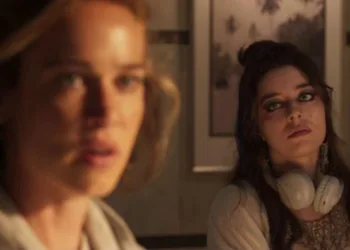
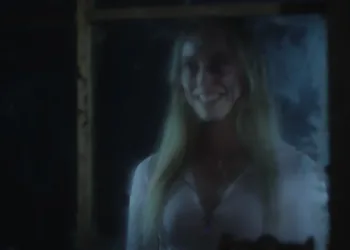
Public branding often clashed with private ambition as the studio machine styled her as the “sexpot.” The Playboy episode captures that pressure: an early shoot for needed income eventually led to a lawsuit. The documentary relies on her recorded interviews and on empathetic reenactments by Lindsie Kongsore, which give Stevens’ own words space to describe exploitation, compromise, and persistence.
Versatility, Talent, and Hollywood’s Roadblocks
Stevens established her range quickly, earning a Golden Globe for Say One for Me, yet casting trends kept steering her toward sensual roles. The documentary assembles clips that underline her dexterity across comedy and drama.

She sparks against Jerry Lewis in The Nutty Professor, and she brings ballast to the ensemble of The Poseidon Adventure. I appreciated the emphasis on her exuberant performance in Sam Peckinpah’s The Ballad of Cable Hogue, a part that radiates craft and confidence. Strong turns did not guarantee momentum within a restrictive system.
An example arrives in The Getaway, where she was replaced by Steve McQueen’s preferred choice. As years passed, opportunities tilted to B-pictures and television movies, a familiar path for actresses over 35 in Hollywood.
The film also points to the significance of her work for Black audiences through the interracial scene with Jim Brown in Slaughter, a moment that signals a push for wider representation on screen. Stevens sought authorship as well, with a directing credit on the indie feature The Ranch and an unreleased feminist documentary titled The American Heroine.
The Passionate Case for Her Legacy
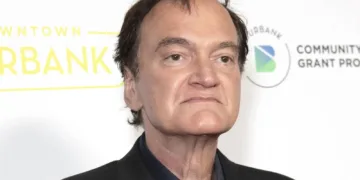
The documentary builds its argument through interviews with figures such as Vivica A. Fox and film historian Leonard Maltin. Quentin Tarantino emerges as the most fervent advocate, speaking with energy and affection about Stevens’ craft and sharing a memory of seeing her in Where Angels Go, Trouble Follows early in his life. The film assembles evidence of institutional neglect: no star on the Walk of Fame and omission from the Academy’s In Memoriam tribute.
This project answers that gap with a personal, carefully argued tribute that foregrounds Stevens’ own voice and her clear-eyed anger toward men who impeded her progress. The result treats her filmography as cultural record and treats her persistence as the through-line, a story of talent shaped by image-making machinery and sustained by will.
Stella Stevens: The Last Starlet is a feature-length documentary that explores the complex personal and professional life of the late actress Stella Stevens, focusing on her remarkable career and the challenges she faced as one of the last “starlets” in the old Hollywood studio system. Directed and written by her son, Andrew Stevens, the film seeks to establish her rightful place in film history while celebrating her advocacy for women’s and human rights. The documentary, with a runtime of 99 minutes, had its digital release on October 3, 2025, distributed by Freestyle Digital Media. It is currently available to watch or rent on various streaming platforms, including Apple TV, Amazon Video, and Hoopla.
Credits
Title: Stella Stevens: The Last Starlet
Distributor: Freestyle Digital Media
Release date: October 3, 2025
Running time: 99 minutes
Director: Andrew Stevens
Writers: Andrew Stevens
Producers and Executive Producers: Andrew Stevens, Rick Moore, Adam Biddle, Hicham Benkirane
Cast: Quentin Tarantino, Vivica A. Fox, Leonard Maltin, Andrew Stevens, Lindsie Kongsore, C. Courtney Joyner, Kin Shriner, Barbara Luna
Director of Photography (Cinematographer): Adam Biddle
Editors: Michael Kuge
Composer: David Wurst, Eric Wurst
The Review
Stella Stevens: The Last Starlet
This is a necessary and moving documentary. Andrew Stevens creates a heartfelt document arguing that his mother's impressive talent was diminished by Hollywood's systemic constraints and demands. The film capably uses archival materials and personal accounts to capture Stevens' full emotional experience, from her struggles as a young mother to her righteous stand against exploitation. Tarantino’s focused appreciation provides the powerful centerpiece, successfully setting the record straight for an actress who warrants proper film history placement.
PROS
- It presents a convincing case for Stella Stevens' underrated talent and historical importance.
- The involvement of her son, Andrew Stevens, allows for a deeply honest, personal, and non-hagiographic account of her life.
- The effective incorporation of her own words via archival interviews and empathetic re-enactments maintains the focus on her perspective.
- Quentin Tarantino's knowledgeable and passionate defense of her filmography significantly elevates the documentary's power.
- The film functions as a sharp examination of the systemic sexism prevalent in the studio era.
CONS
- The device of using an actress for re-enacting personal interviews, though well-intentioned, can feel initially distracting.
- The documentary’s reliance on select celebrity commentary, while effective, might feel unbalanced at times.