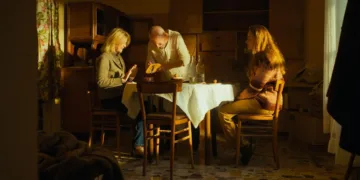












Gabriele Fabbro’s Trifole opens as a quiet study of disappearance. Dalia (Ydalie Turk, who also co-wrote the script) drifts in from her present-day London life to the weight of Italy’s Piedmont past, summoned to look in on her grandfather, Igor (Umberto Orsini). He is an aging truffle hunter, alone in a worn, charming house, his days pressed by spreading vineyards and the threat of eviction.
From its first images, the film leans into languid rural beauty joined with a steady ache of sadness. It sets a family story against a struggle between ancient practices, the secrets the soil still seems to murmur, and the relentless, indifferent logic of economic growth in a world already fading.
The Solitude of the Ancestral Self
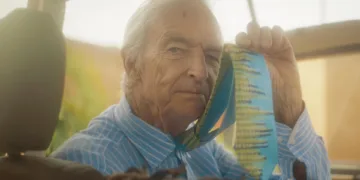
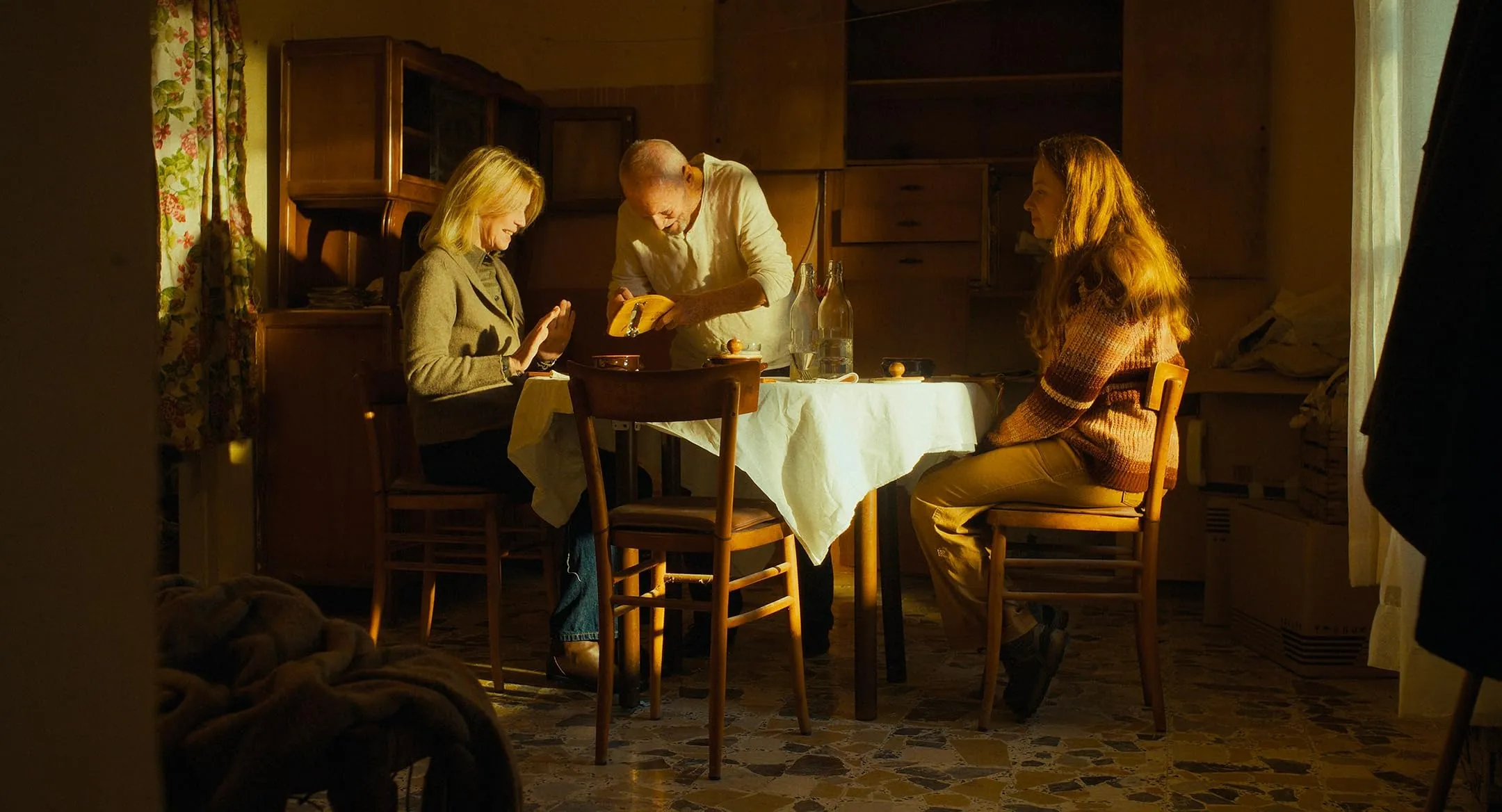
The emotional pull of Trifole lies in the difficult yet shaping bond between Dalia and Igor. Orsini plays Igor with a hard, focused energy, a man whose life is tied to his work and his land. His mind begins to fray, and he often takes Dalia for her mother, Marta.
His devotion to the truffle hunt does not waver. He follows his handwritten maps and trusts in signs from the sky, such as Jupiter’s lightning, with a belief that feels close to ritual. For him, hunting truffles functions as a ceremony that binds him to his ancestors, a way of life that recedes yet still demands loyalty.
Dalia arrives as a “lost” college drop-out and shares a forced proximity with this proud, unyielding man. Over time she starts to register the sacred charge he assigns to his labor and to the struggle to keep his home, slowly absorbing the value he places on that fight.
Between them stands Birba, the expressive dog, a quiet witness to past and present. Birba feels like pure loyalty, perhaps the most unguarded presence in the film. The triangle they form turns into a reflection on broken lines between generations and on the fragile authority of custom. The real conflict plays out on a philosophical plane: a human desire to cling to inherited memory set against the certainty of passing time, erosion, and loss.
The Gentle Rhythm of Loss
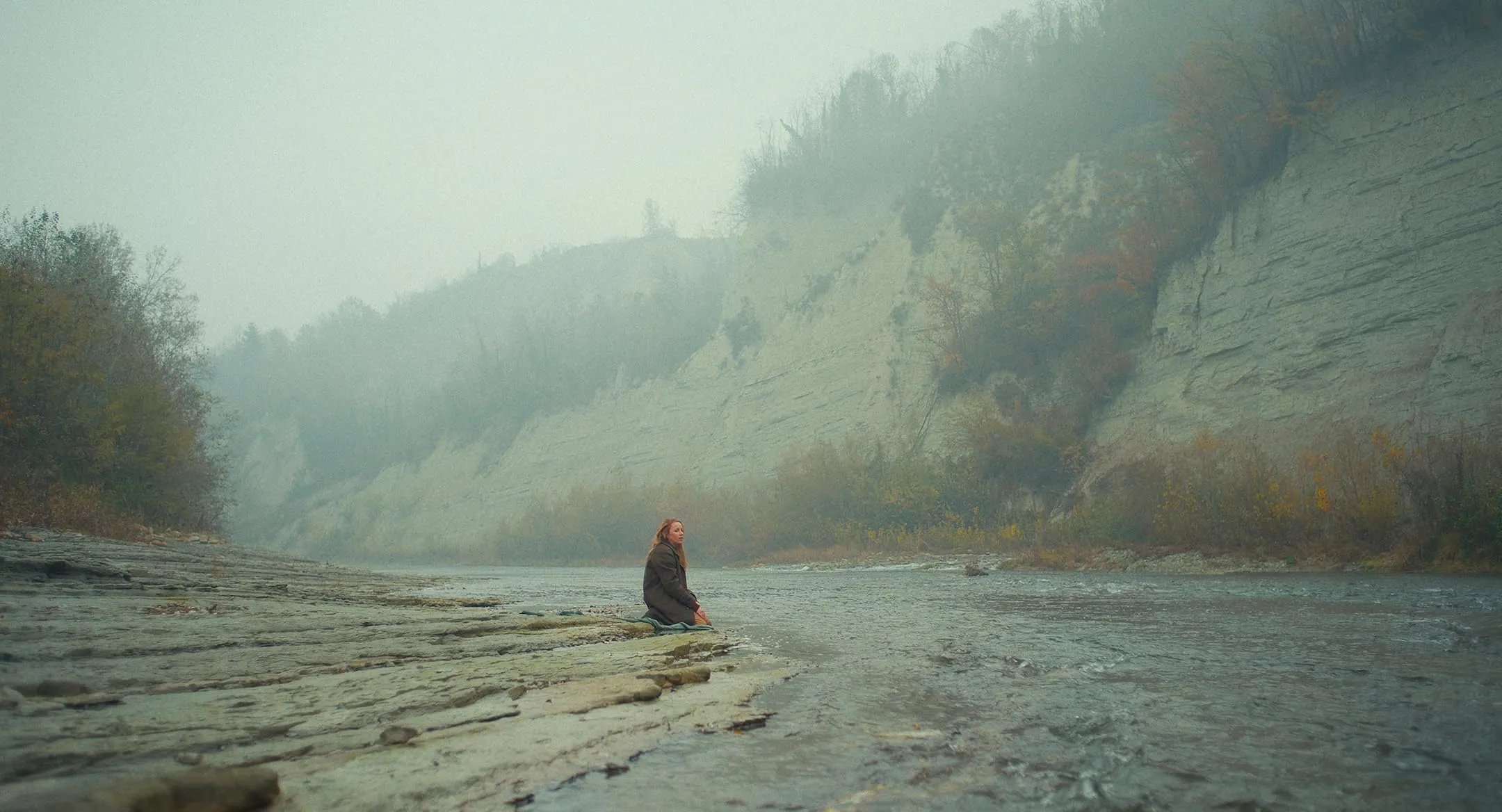
The first half of Trifole unfolds with images that feel carefully measured. Cinematographer Brandon Lattman films the Piedmont hills with close attention to light, especially the way it passes through autumn trees. Rural stillness and richly colored leaves give the landscape a quiet presence.

The setting takes on the role of another participant in the drama and supports the film’s calm, meditative tempo. The slow pacing lets the audience sink into this place and feel the faint sorrow that hangs over it.
Orsini’s performance holds the frame. He plays Igor as a fiercely driven elder with a strong sense of dignity, a man who seems carved by the land he defends. Turk, as Dalia, works as a kind of guide for the viewer; her slight shifts in expression suggest an inward search for meaning inside a family story she only partly understands.
The film reaches a delicate balance here. The visual grace and the measured rhythm create a quiet beauty that carries a constant awareness of coming loss, as if every peaceful image already contains its own disappearance.
The Quest and the Fever Dream
After Igor’s injury, the film makes a sharp and unsettling turn. The accident pushes Dalia into a new role, and her effort to follow his path begins. She sets out to locate the mythic “mother of all truffles” with Igor’s notes in hand and Birba at her side, and the narrative shifts from still, reflective drama to a strange, fable-like quest. The stories Igor once told, tinged with myth and shadow, start to seep into the fabric of the film, and the grounded world tilts toward a sad, dreamlike state.
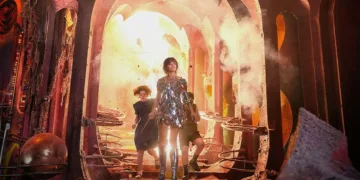
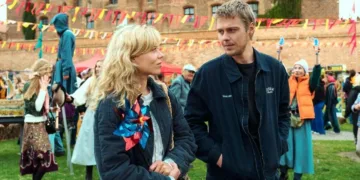
This change reaches its height in the Alba fair sequence. Dalia appears in the outfit of a medieval princess and enters the hectic swirl of a high-end truffle auction. The style of the filmmaking alters sharply. Hand-held camerawork and a faster rhythm replace the earlier quiet composition. Ancient costume and modern media spectacle collide, and the scene points to the way Igor’s sacred field of life becomes a commodity. For many viewers, the structural break feels harsh.
The climax turns chaotic and surreal, and the film risks shattering the spell it shaped in its earlier passages. The leap in tone can blur the finely drawn emotional questions that came before, and it leaves a lingering doubt over the film, as if in searching for a deeper truth, the storytellers themselves began to wander in the woods they had so patiently mapped.
Trifole is an Italian/South African/US co-production that premiered internationally in late 2024, with a planned US limited theatrical release scheduled for November 14, 2025. The film is set in the Langhe region of Italy, the home of the prized Alba White Truffle, following a young woman’s journey to reconnect with her truffle-hunting grandfather. After its initial theatrical run, the film has been made available through streaming platforms and digital rental services in various territories, with platforms like MUBI and Apple TV being mentioned for international viewing.
Credits
Title: Trifole
Distributor: Cohen Media Group (US Limited Release), Officine UBU (Italy)
Release Date: November 14, 2025 (US Limited Release), October 17, 2024 (Italy)
Running time: 100 minutes (1 hour 40 minutes)
Director: Gabriele Fabbro
Writers: Ydalie Turk, Gabriele Fabbro
Producers and Executive Producers: Massimo Fabbro, Casey Diepeveen, Mattia Puleo, John Humber
Cast: Ydalie Turk, Umberto Orsini, Margherita Buy, Enzo Iacchetti, Frances Sholto-Douglas, Birba (The Truffle Hunting Dog)
Director of Photography (Cinematographer): Brandon Lattman
Editors: Gabriele Fabbro
Composer: Alberto Mandarini, Bartolomeo Bruni Symphonic Orchestra
The Review
Trifole
Trifole is a visually stunning exploration of obsolescence, rooted deeply in the Italian landscape and the existential burden of a vanishing tradition. The early scenes between Dalia and Igor achieve a potent, melancholic grace, framing the struggle against modernization with lyrical precision. However, the decision to abruptly pivot into a chaotic, surreal quest fractures the narrative spell. It sacrifices thematic clarity for sudden, disorienting action, ultimately diminishing the powerful, quiet drama at its core. It is a film of two halves, one profound, the other confounding.
PROS
- Gorgeous cinematography captures the light and atmosphere of the Piedmont landscape.
- Offers a powerful meditation on the cost of progress and the passing of tradition.
- Magnetic performance by Umberto Orsini and a poignant grandfather-granddaughter dynamic.
- The truffle dog acts as an expressive, loyal center to the early drama.
CONS
- The sudden pivot to surreal fantasy breaks the established narrative rhythm and tone.
- The chaotic Alba fair and quest sequences feel disconnected and muddle the emotional focus.
- A film of two distinct, unequal halves.