












![Kingdom Hearts Collection [I-III] Review](https://gazettely.com/wp-content/uploads/2026/10/Kingdom-Hearts-Collection-I-III-1-360x180.webp "Kingdom Hearts Collection [I-III] Review: KHII Holds Steady as Newer Entries Fluctuate 37")



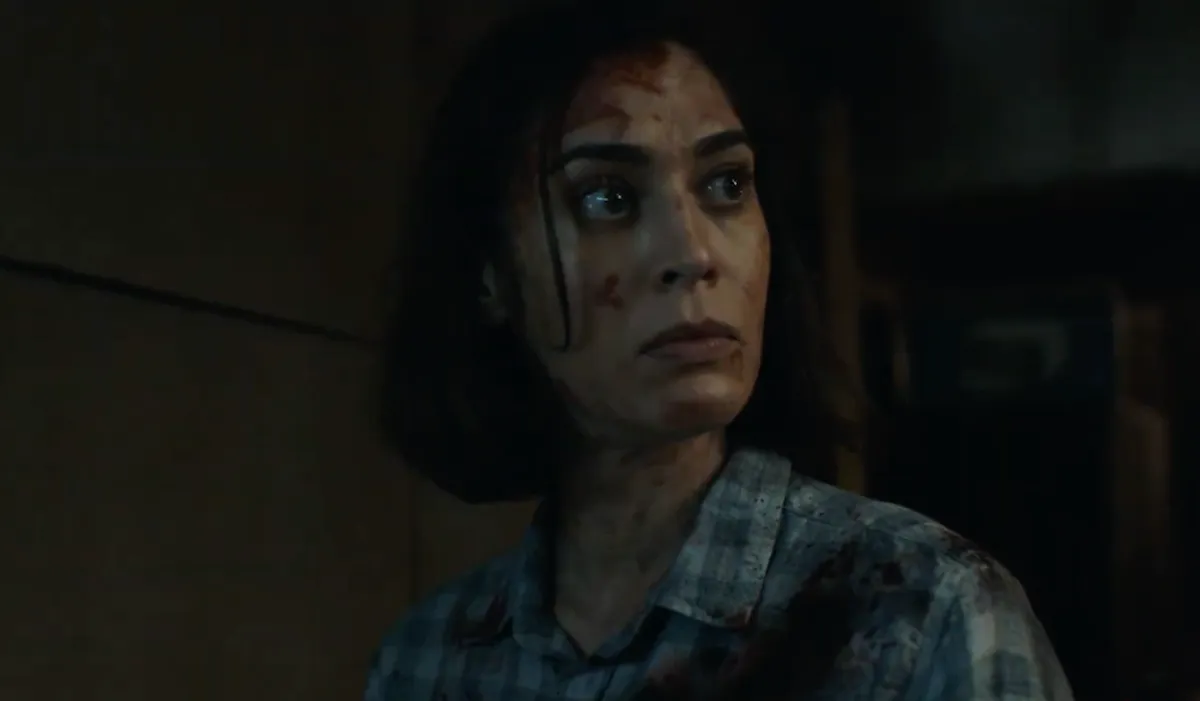

The car flips, mud flies, and a familiar strain of madness skids into the frozen ditches of Maine. Castle Rock comes back for a second run with a new gear: less slow, foggy dread and more teeth-bared horror that bites early and keeps chewing. The season tracks a younger Annie Wilkes, traveling with her teenage daughter, Joy, who both crawl out of a wreck only to land in a town that carries wounds of its own. Season two leaves the first year’s slow, puzzle-box drift behind and leans into confrontation, immediate danger, and pressure that keeps tightening.
This time, the show pulls several threads from the same literary universe into one story, with the Marsten House’s history and Jerusalem’s Lot’s eerie hush taking prime real estate on the screen. The small-town setting plays as physical rot and moral rot in the same breath, and local families get shaken up the moment these unpredictable outsiders arrive. Secrets start creaking up through cheap cabin floors and the fractures of a shaky local economy.
The story builds around a warped mother-daughter bond, with land ownership disputes and a growing supernatural threat pushing everything toward a breaking point. The anthology approach frames the season as an origin story for a fractured mind inside a cursed place.
The Art of the Dirty Bird
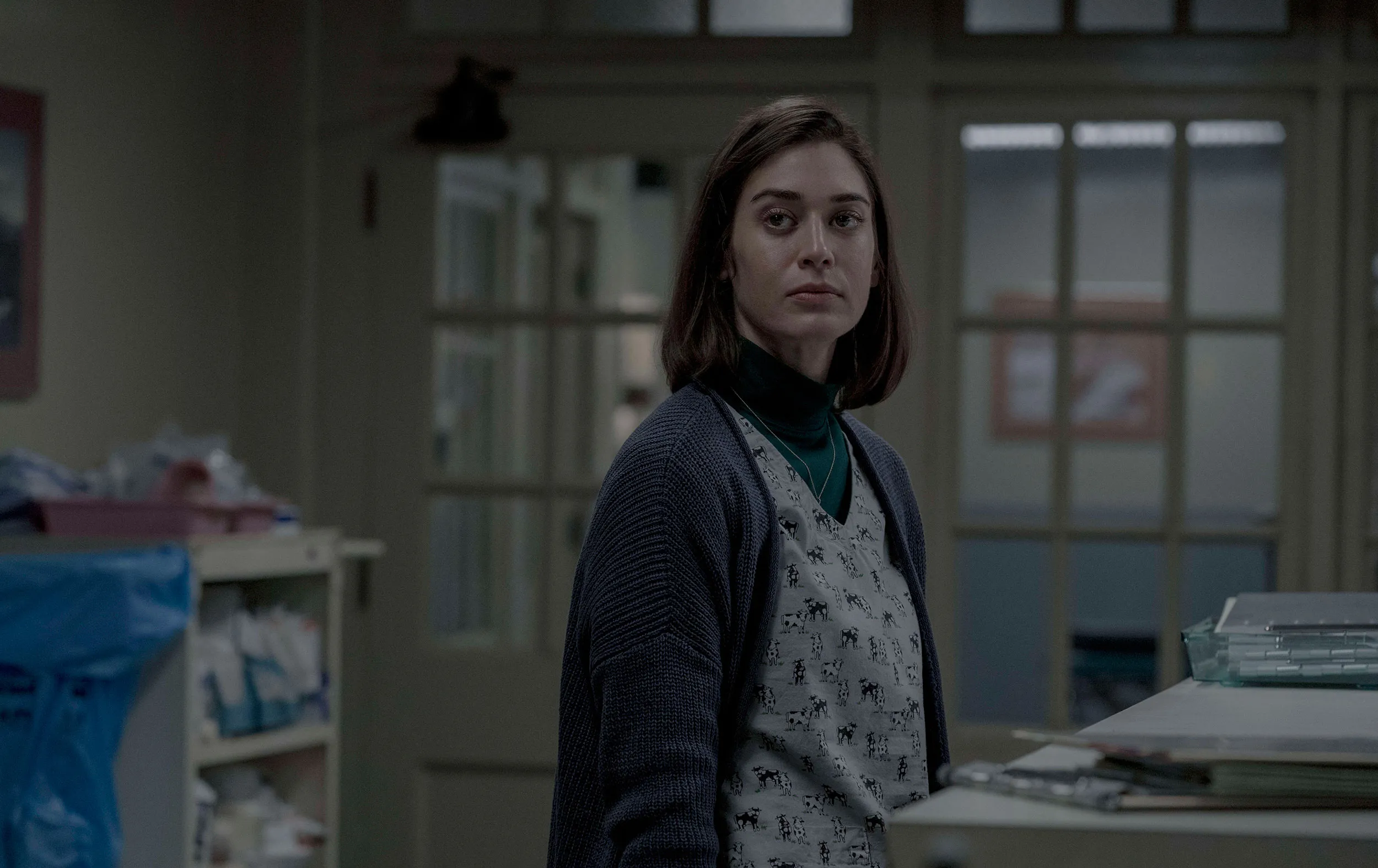
Lizzy Caplan plays Annie Wilkes with a physical commitment that grabs the eye and refuses to let go. The performance is built from precise vocal choices and nervous little bodily habits that make Annie look like someone constantly trying to patch herself together in real time. Her steps land heavy and deliberate. Her eyes stay wide, scanning every corner like trouble owes her money. This is Annie years before a certain mountain cabin, and the show uses that distance to present her as someone fighting to hold her life in place through sheer force.
Annie’s days run on instability, powered by stolen antipsychotic medication and the fear of what happens when the supply runs thin. The series translates her paranoia into visual distortions that give her inner chaos a weight you can almost feel. Her mental state fuels reckless choices, then snaps into sudden violence that she explains through a warped moral logic. Caplan makes that contradiction play cleanly: Annie wants to be a “good” mother, and her own mind keeps picking fights with her.
The season’s emotional engine sits in Annie and Joy’s relationship. Annie’s love shows up as control, tight and suffocating, driven by a need to shield her daughter from a world she sees as dirty and dangerous. They keep moving, hiding from a mysterious past, living out of a car and whatever temporary rental will take them. The writing pushes sympathy toward a figure usually filed under “villain,” because it keeps showing the load Annie carries and the strain of trying to offer stability while her grip slips. The tenderness lands hard because it shares space with the violence that keeps bubbling back up. Annie’s protection becomes its own cage, and Joy is the one stuck inside it.
Teen Spirit in a Ghost Town
Joy Wilkes reads as the fallout of a life spent running. Her arrival in Castle Rock sparks a quiet rebellion, the kind that starts with a teenager wanting a life beyond the backseat and ends with everything catching fire. She starts connecting with local teens like Chance, and those scenes underline how strange her childhood has been. The season drops a classic coming-of-age arc into a horror scenario and lets the genre pressure twist it sharper. Joy starts to see Annie’s “rules” as symptoms, and that shift changes the temperature of every interaction.

The tension spikes once Joy builds a secret social life and the small cabin begins to feel smaller by the hour. She learns the truth about their past, and the emotional blast radius is brutal. Elsie Fisher plays Joy with grounded vulnerability that sells the confusion, the fear, and the anger without turning her into a generic genre victim. She carries a growing defiance that feels earned, like a teenager finally recognizing her parent as a flawed and dangerous person. Fisher and Caplan have chemistry that makes the breakdown feel intimate and ugly, and that erosion becomes one of the season’s real scares.
The “laughing place” works as a repeating symbol for the safety Annie tries to manufacture for Joy. It starts as a mental shelter and shifts into a tool of control, with Annie wielding comfort like a leash. Joy’s isolation leaves her social skills underdeveloped, yet her instincts stay sharp and practical.
She changes from passive passenger to someone actively shaping her own fate. Her push to build an identity outside her mother’s orbit carries as much story weight as the ghosts tied to the Marsten House. Joy is trying to find somewhere to belong in a town with a long appetite for the people who live there.
The Merrill Clan and Local Grudges
The Merrill family supplies the town’s social order, a criminal dynasty decaying from within. Pop Merrill stands at the top as a dying patriarch who has spent decades holding power through intimidation and buried secrets. Tim Robbins plays him with weary, ornery charm that fits the setting like a stained glove. Pop is staring down mortality while trying to mop up old messes that never stay cleaned. He connects the town’s past to its present, and the connection feels poisonous.
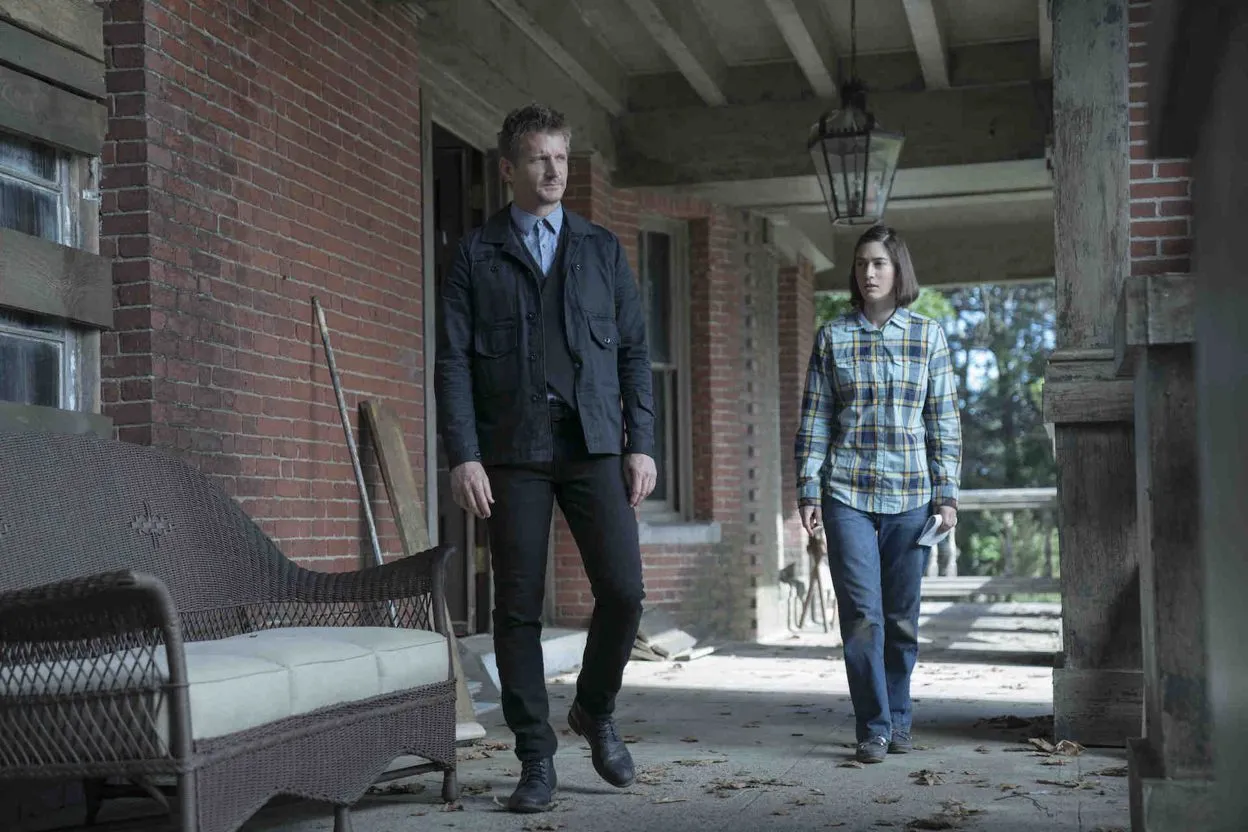
Ace Merrill steps in as the main local threat: a bully, a racist landlord, and a guy who clocks Annie as trouble the second she shows up. Their clash turns violent, and that encounter swings the whole season onto a new track. Ace shifts into a colder, more coordinated kind of monster, and the change turns a common thug into a functioning instrument for something older and far worse. Paul Sparks gives Ace a grimy, unsettling charge that clings to him even after the character’s drastic turn.
The series folds in a Somali refugee community in Jerusalem’s Lot, adding present-day cultural friction to the town’s old grudges. Pop’s adopted children, Abdi and Nadia, sit right in the middle of that thread. Nadia, a doctor, finds evidence that the town’s secrets are written into its residents’ blood.
A fight over land development and the building of a new cultural center becomes the spark point for tensions that were already waiting to ignite. Medical and ethical stakes collide with the supernatural, and the story keeps stressing how the land’s history keeps pressing into everyone’s lives. In Castle Rock, human predators can match the danger of whatever crawls out of the crypts.
Renovating the Marsten House
The Marsten House hangs over the town like a rotting monument to old atrocities. Its renovation for the “New Jerusalem” 400th anniversary celebration kicks the season’s horror into motion. The show treats the house like a legendary location, filming it with reverence and dread that makes each hallway feel watched. The plot follows a process where townspeople get replaced by older entities, and the effect is simple and nasty: familiar faces stop feeling safe. The resurrection angle leans on classic horror machinery to create isolation that keeps widening.
The visual effects emphasize the physical mechanics of transformation, keeping the supernatural tactile and grim. Underground crypts and the mansion’s cold, gray corridors hold the mood in a steady clamp of unease. A standalone episode about Annie’s childhood fills in the background for her present, linking her family history to the area’s larger mythology. The episode points to original settlers and their tie to a current cult, framing it as a cycle of violence that has kept repeating for centuries.
Season two moves fast and hits hard, prioritizing violent set pieces over slow-burn mystery. The cinematography leans into the bleak, freezing look of the Massachusetts locations, and the town registers like something sick and fading. Sound design builds dread through quiet woods and the mechanical rhythm of Annie’s medication routine, turning daily survival into its own horror score. The series keeps coming back to one idea: human nature stays unpredictable, and the land remembers everything, so what hope does anybody have of walking away unchanged?
Castle Rock Season 2 premiered on October 23, 2019, as a standalone psychological horror story within the broader Stephen King multiverse. While the first season explored the mysteries of Shawshank Prison, this second outing serves as a prequel to the classic novel Misery, following a younger, volatile Annie Wilkes as she becomes stranded in the cursed town of Castle Rock. The series was produced by Bad Robot and Warner Bros. Television, and as of today, December 20, 2025, it remains available for streaming on Hulu. The season is widely praised for its high-tension pacing and the chilling performance of Lizzy Caplan, who expertly reimagines one of horror’s most iconic antagonists.
Full Credits
Title: Castle Rock Season 2
Distributor: Hulu
Release date: October 23, 2019
Rating: TV-MA
Running time: 35–60 minutes
Director: Anne Sewitsky, Greg Yaitanes, Craig William Macneill, Lisa Brühlmann, Loni Peristere, Mark Tonderai-Hodges, Phil Abraham
Writers: Dustin Thomason, Sam Shaw, Daria Polatin, Guy Busick, K. Corrine Van Vliet, K’naan Warsame, Michael Olson, Obehi Janice, R. Christopher Murphy, Scott Brown, Vince Calandra
Producers and Executive Producers: Stephen King, J.J. Abrams, Dustin Thomason, Sam Shaw, Vince Calandra, Rachel Rusch, Greg Yaitanes, Ben Stephenson, Mark Lafferty, Liz Glotzer, Trevor Baker, Scott Brown, Daria Polatin
Cast: Lizzy Caplan, Paul Sparks, Barkhad Abdi, Yusra Warsama, Elsie Fisher, Matthew Alan, Tim Robbins, John Hoogenakker, Abby Corrigan, Robin Weigert, Sarah Gadon, Greg Grunberg, Alison Wright
Director of Photography (Cinematographer): Richard Rutkowski, Jeffrey Greeley, David Franco
Editors: Jeffrey Wolf, David Kashevaroff, Matthew Colonna, Tamara Meem, Hibah Frisina, Mark Hartzell
Composer: Thomas Newman, Chris Bacon
The Review
Castle Rock Season 2
The second season of Castle Rock is a sharp, aggressive shift into horror that succeeds because of its massive central performances. It replaces the lingering questions of the first year with a visceral look at the origins of a famous literary monster. While the supernatural plot occasionally feels familiar, the emotional weight of the mother and daughter bond keeps the stakes high. It is a grim, effective celebration of genre history that manages to find new life in old bones.
PROS
- Lizzy Caplan provides a stunning, physical performance as Annie Wilkes.
- The faster pacing creates a consistent sense of dread and urgency.
- Elsie Fisher adds a grounded, vulnerable heart to the chaotic story.
- The integration of the Marsten House mythology is satisfying for long-time fans.
- The standalone flashback episode is a masterclass in character backstory.
CONS
- Certain supernatural elements mirror classic tropes without adding new twists.
- The town conflict involving the Merrill family can occasionally feel crowded.
- Some viewers might miss the slow-burn mystery format of the first season.