










![Kingdom Hearts Collection [I-III] Review](https://gazettely.com/wp-content/uploads/2026/10/Kingdom-Hearts-Collection-I-III-1-360x180.webp "Kingdom Hearts Collection [I-III] Review: KHII Holds Steady as Newer Entries Fluctuate 40")
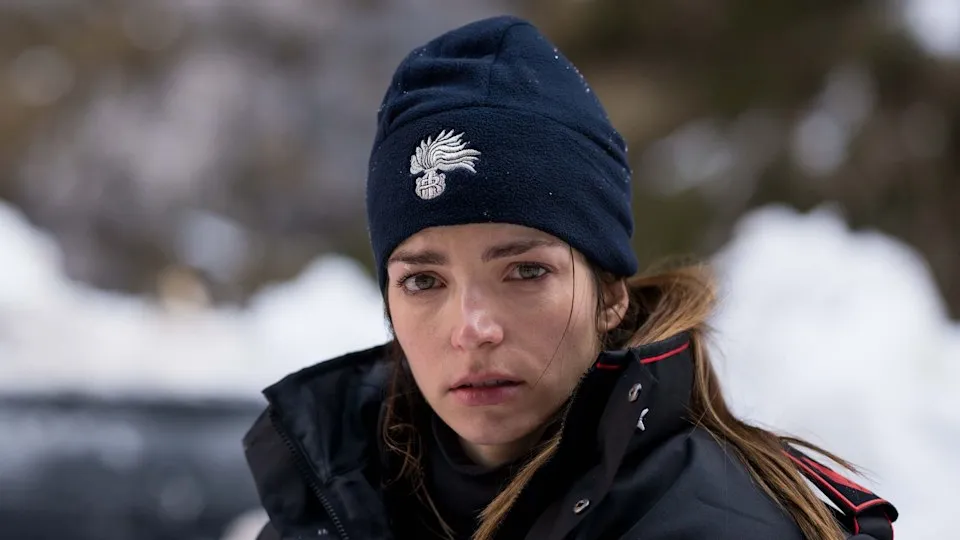
The Italian production Stranded sets up a pressure-cooker premise: wealth, comfort, and a holiday glow slammed into sudden catastrophe. During the Christmas season in the Vanoi Valley, the story plays out inside a four-star spa resort tucked into mountain scenery that sells the fantasy of safety and escape. The opening positions the getaway as postcard-perfect, full of wealthy guests expecting curated relaxation.
Then the series yanks the floor out from under that idea. A massive earthquake triggers an avalanche that cuts the entire valley off from the outside world. Power goes down. The only tunnel linking the village to civilization becomes unusable, and the resort’s polished comforts start to look like props from a previous life.
From there, the show tracks an ensemble of holidaymakers and locals forced to ration warmth, food, and patience. The cold and the shrinking supplies create a constant external threat, yet the series keeps turning the camera back toward the group itself. Old mistakes, buried histories, and private grudges surface as conditions worsen.
Stranded plays two familiar genres in tandem: the ticking tension of a survival thriller and the question-driven pull of a mystery. Released under the Walter Presents label, it leans hard on its setting as a behavioral test. The mountains stay gorgeous, yet the drama is focused on what people do when comfort evaporates and secrets start carrying the same danger as the snow outside.
Shifting Priorities and Narrative Layering
A central line of conflict runs through Giovanni Lo Bianco, a wealthy broker arriving at the resort with his children. His life comes with concealed ties to the Camorra crime family, and his brother holds real power as a boss inside the organization. The personal and the criminal collide the moment Giovanni recognizes another guest, Marco. Marco is the ex-husband of Dr. Claudia Schneider, a key witness in a trial against the Lo Bianco clan.
That chance recognition turns a family holiday into something predatory, shaped by surveillance, suspicion, and the sense that someone in the room already has a plan. Giovanni’s initial intent is clear: he wants Claudia dead to protect his interests and his family’s position. Then the avalanche hits, and the priorities in the valley reorder fast. Staying alive becomes the immediate problem, and every existing agenda has to survive that reality.
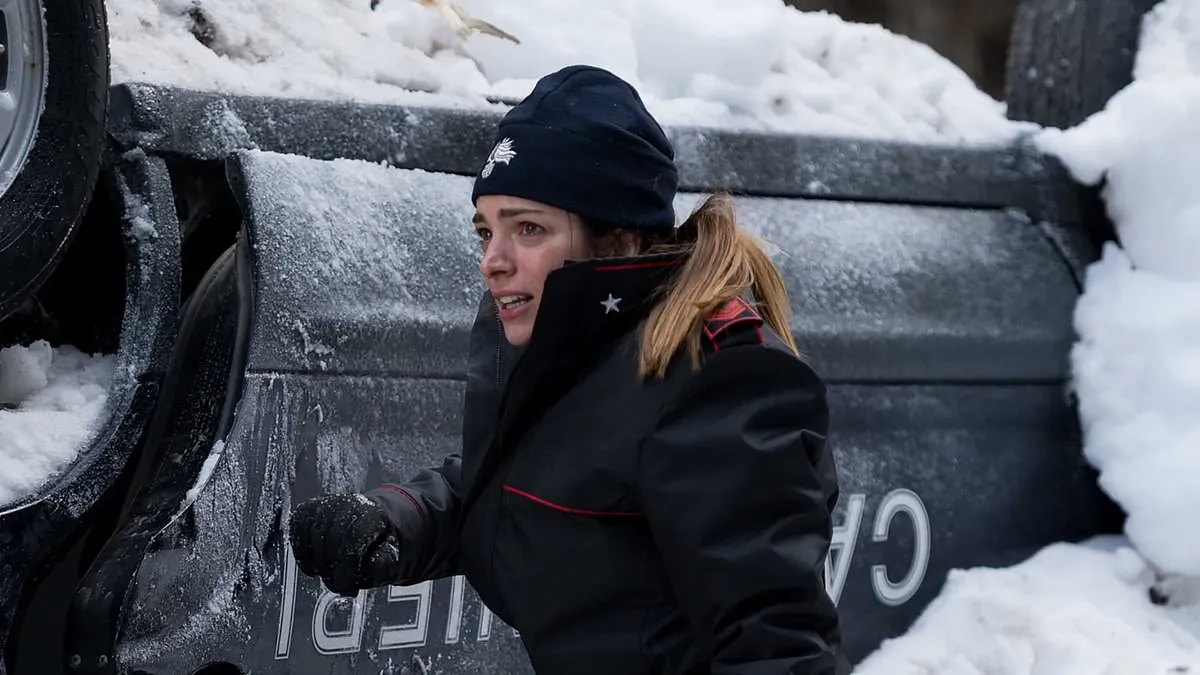
As the days drag on without rescue, the series widens its focus through subplots that deepen the sense of strain. Missing children become a crisis inside the crisis, pushing characters into frantic searches and riskier choices. A female police officer steps into leadership while wrestling with her own insecurities, and the burden of authority starts to show in small decisions that carry big consequences when resources keep dropping.
The discovery of a mysterious child in the woods, a child who does not speak Italian, increases confusion and raises new questions inside a situation already short on clarity. Flashbacks appear frequently, sketching the lives characters lived before they reached the valley. These scenes sharpen motivations, making the present-day desperation feel earned rather than sudden. The show also threads in hints of unusual wildlife activity, details that sit at the edge of the main plot and bring a faintly eerie uncertainty into the survival story.
The Pressure of Hidden Identities
The emotional weight leans most heavily on Giovanni Lo Bianco. He plays as a grieving father trying to hold two lives in the same hands: devotion to his children and the pull of criminal obligation. That internal fight turns concrete when his daughter is injured. Claudia, the same woman he targeted, becomes the one person capable of saving the child.
The power dynamic shifts in a way the show stretches for tension: Giovanni has to rely on the person he came to harm, and Claudia has to do her job knowing exactly who stands in front of her. Claudia is written with a steady resilience. She remains in witness protection and tries to keep a sense of normal life for her daughter, Anita, even as the valley’s isolation presses in. Her role as the primary medical hope places her in a position of leverage, and the series uses that leverage to expose how quickly morality gets negotiated when survival becomes daily work.
Around them, the supporting cast fills out a social map of the hotel and its surrounding community. Marco Rossetti is positioned as the husband trapped between dangerous ties and the fallout they bring. The resort staff and local villagers provide a counterpoint to the wealthy visitors, and that difference matters once the money-and-service structure collapses.
The female police officer functions as the closest thing to formal authority, struggling to keep order while supplies run thin and trust drains out of the room. Suspicion becomes the default language of nearly every relationship. Many characters carry a failure or a crime from the past, and isolation turns those buried details into active threats. As confinement stretches on, the double lives people brought into the resort start peeling away under the blunt pressure of cold, hunger, and fear.
Cinematic Contrast and Icy Atmosphere
The series uses its location as more than scenery, shaping the tension through visuals that keep reminding you how small people look against the mountains. The palette shifts as the story progresses: early scenes lean into the gold warmth of Christmas Eve, then the images drain into a desaturated field of white and blue.
The resort’s size does little to ease the claustrophobia, and the building starts to feel like a sealed container for panic and secrets. Wide shots of the Vanoi Valley underline the scale of the disaster, framing the characters as fragile figures beneath massive peaks. That visual isolation becomes a key part of the suspense, repeating the same message in every angle: escape is not simple, and the valley does not care who anyone was before the avalanche.
Sound design and music push the unease further, leaning into the script’s suspense and keeping scenes tight even when the camera opens up to the landscape. The series carries the polished look of high-end drama, and it commits to gritty survival details as the episodes stack up and the cold takes a visible toll. Filming on location in northern Italy gives the setting a lived-in authenticity, helping the physical stakes feel immediate. It also leaves room for odd disruptions that tilt the mood, like the strange behavior of a stag in the opening episode. Moments like that keep the atmosphere unsettled and make the valley feel like a place with rules that stay partly out of reach.
Stranded is a gripping Italian mystery thriller that first premiered on Italy’s Rai 1 on January 23, 2023, before reaching international audiences via the Walter Presents label on Channel 4. Set against the breathtaking yet treacherous backdrop of the Vanoi Valley in the Italian Alps, the series follows a group of hotel guests who become isolated after a massive avalanche triggered by an earthquake cuts off all access to the outside world. As they struggle for survival in the freezing mountain environment, long-buried secrets and criminal connections begin to surface, turning the luxury resort into a pressure cooker of suspicion and danger. Following the success of the first season, a second season premiered earlier this year on January 14, 2025, continuing the high-stakes drama of the survivors.
Full Credits
Title: Stranded
Distributor: Rai 1, Walter Presents, Channel 4
Release date: January 23, 2023
Rating: TV-MA
Running time: 50 minutes
Director: Riccardo Donna, Fabio Resinaro, Nico Marzano
Writers: Valerio D’Annunzio, Michelangelo La Neve, Peppe Millanta, Michela Straniero
Producers and Executive Producers: Luca Barbareschi, Rai Fiction, Èliseo Entertainment, Trentino Film Commission
Cast: Alessandro Preziosi, Rike Schmid, Marco Rossetti, Aurora Ruffino, Mickaël Lumière, Federico Russo, Riccardo Maria Manera, Juju Di Domenico
Director of Photography (Cinematographer): Gianluca Gallucci
Editors: Alessio Doglione
Composer: Pasquale Catalano
The Review
Stranded
Stranded succeeds as a seasonal thriller by using its striking location to mirror the internal coldness of its characters. While the plot feels thin across eight episodes, the central tension between Giovanni and Claudia provides a strong emotional anchor. The production delivers a polished, suspenseful experience that effectively uses the locked-room mystery trope within a vast, hostile landscape. It serves as a decent choice for those seeking a mix of family drama and criminal intrigue.
PROS
- Stunning Italian Alpine cinematography.
- Strong lead performance by Alessandro Preziosi.
- High-stakes medical and moral tension.
CONS
- Predictable script elements.
- Pacing issues in later episodes.
- Occasionally thin character development for side roles.