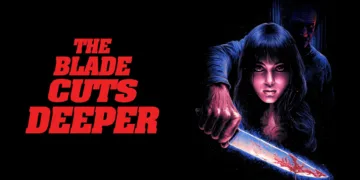













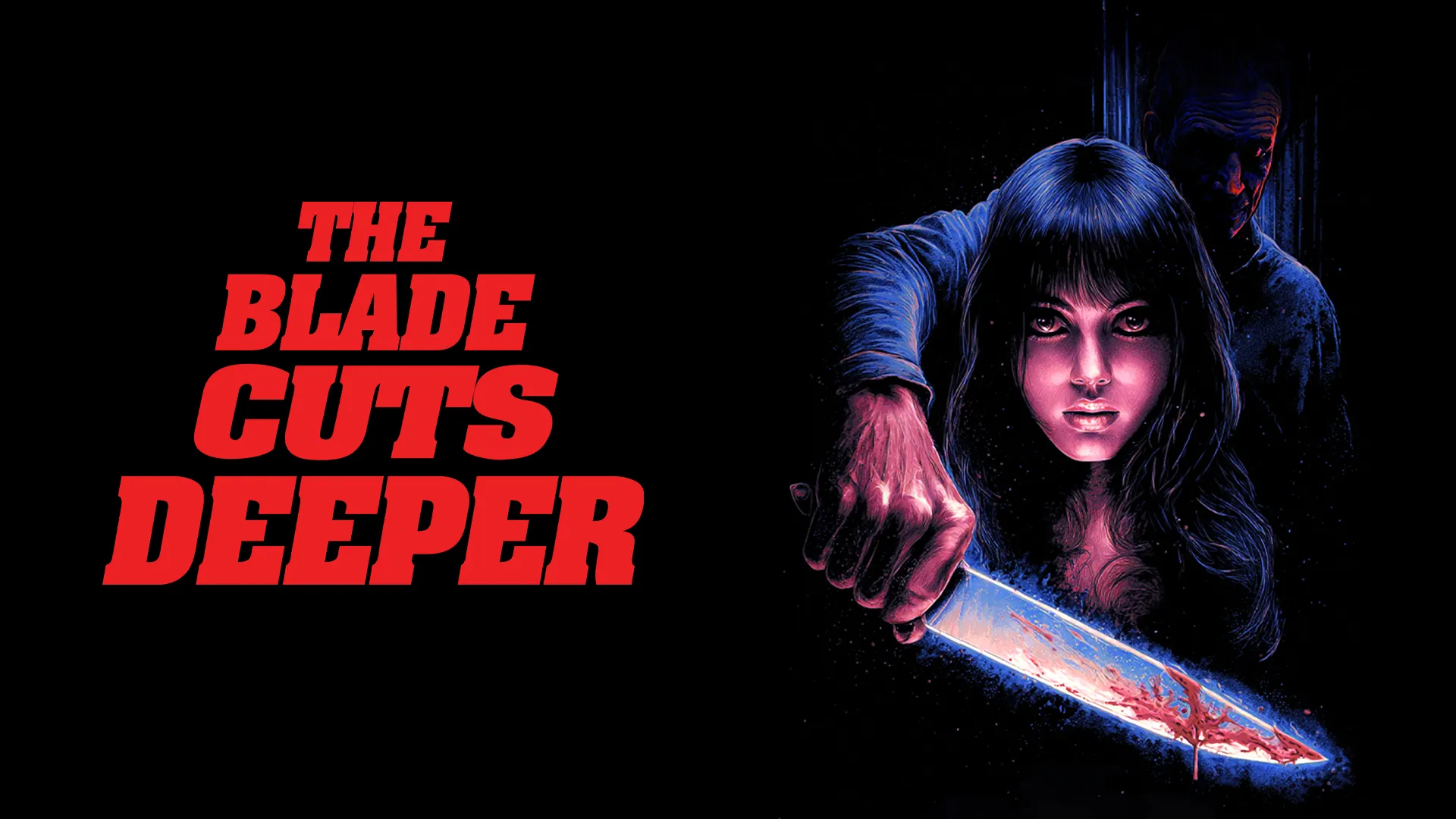

In current genre cinema, many releases lean on quick jolts and surface shock. Gene Dolders’ The Blade Cuts Deeper aims for something sharper, treating horror as a highly stylized thesis on exploitation. The film builds itself around the conventions of the 1970s Giallo subgenre and the visual power of classic slasher thrillers. This British production places itself in conversation with global film history and links that perspective to a contemporary anxiety about the commodification of pain.
The narrative follows John Abbott (John Tueart), the supremely confident and deeply self-involved host of the sensationalist true-crime program Lights, Camera, KILL. His show turns real-life tragedies into lurid entertainment and transforms human suffering into a profitable spectacle. This enterprise places him under the gaze of a vengeful figure, “The Maniac,” whose fury connects to one of the most infamous cases Abbott dramatized, the “Widow Maker” crime. From its first scenes, the film surrounds the viewer with a dense vintage aesthetic that signals a deliberate homage to the genre’s golden age. The Blade Cuts Deeper uses the suspense framework to deliver a pointed meta-commentary on the ethics of the true-crime industrial machine.
Aesthetic Fidelity: The Giallo Inheritance
The film shows meticulous attention to Giallo style, relying on the subgenre’s visual and sonic trademarks to construct a distinct, unnerving world. This design fits into a broader dialogue with international film trends. Where Bollywood often relies on bright color palettes for musical spectacle, Dolders adapts that intensity of color into something more ominous, echoing the European genre’s use of hue to generate dread.
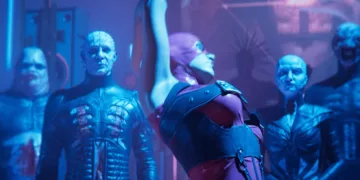
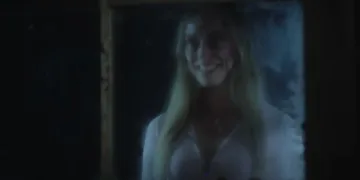
Key visual choices include heavy use of contrasting red and blue lighting, which saturates the frame and intensifies both menace and artificiality. The cinematography and framing feel consistently deliberate and expressive, rejecting naturalism in favor of an elegant, suspense-focused stylization that recalls the work of Mario Bava and Dario Argento. The camera frequently takes on the killer’s point of view, keeping the identity concealed and drawing attention to the black gloves that instantly signal allegiance to Giallo tradition. This simple image carries a dense layer of historical reference for viewers familiar with the form.
“The Maniac” is presented with notable control. The killer communicates through movement and action rather than dialogue, and this absence of speech turns every gesture into a statement about motivation and trauma. The silence invites the audience to project intention onto the escalating violence. Sound design underlines that experience, especially the recurring, invasive heartbeat effect that follows The Maniac. This sonic motif externalizes the killer’s mania and keeps the viewer close to their obsessive focus.
The pacing leans into a deliberate “slow burn,” a recognizable trait of the chosen subgenre. The rhythm feels intentional rather than sluggish, giving tension room to gather. Viewers used to the rapid editing patterns of modern horror may find this tempo demanding, but the film rewards patience with a steady accumulation of psychological unease. That patience aligns with its nostalgia, evoking the texture of 1970s and 1980s horror and thriller cinema.
Early sections feature reenactments that recall the style of old true-crime television like Unsolved Mysteries, which helps fix the project within a particular media era. The film sets this familiar British production environment alongside an elevated, international thriller sensibility, a combination that reflects its global cinematic influences. The rigorous attention to period-specific style creates a sense of cultural authenticity in relation to its chosen reference points.
Thematic Scrutiny: Exploitation and Egotism
The narrative rests on a simple structure that gives the thematic work room to breathe. First, the film establishes the toxic, self-congratulatory atmosphere of Abbott’s show, Lights, Camera, KILL, and foregrounds the emptiness of its host and the cynicism baked into its production. The plot then makes a clear shift, moving from satirical portrait of the program to the methodical revenge campaign carried out by the killer against those involved in dramatizing the crimes. This streamlined approach clears space for the shock and terror of the slasher sequences to define the viewing experience.
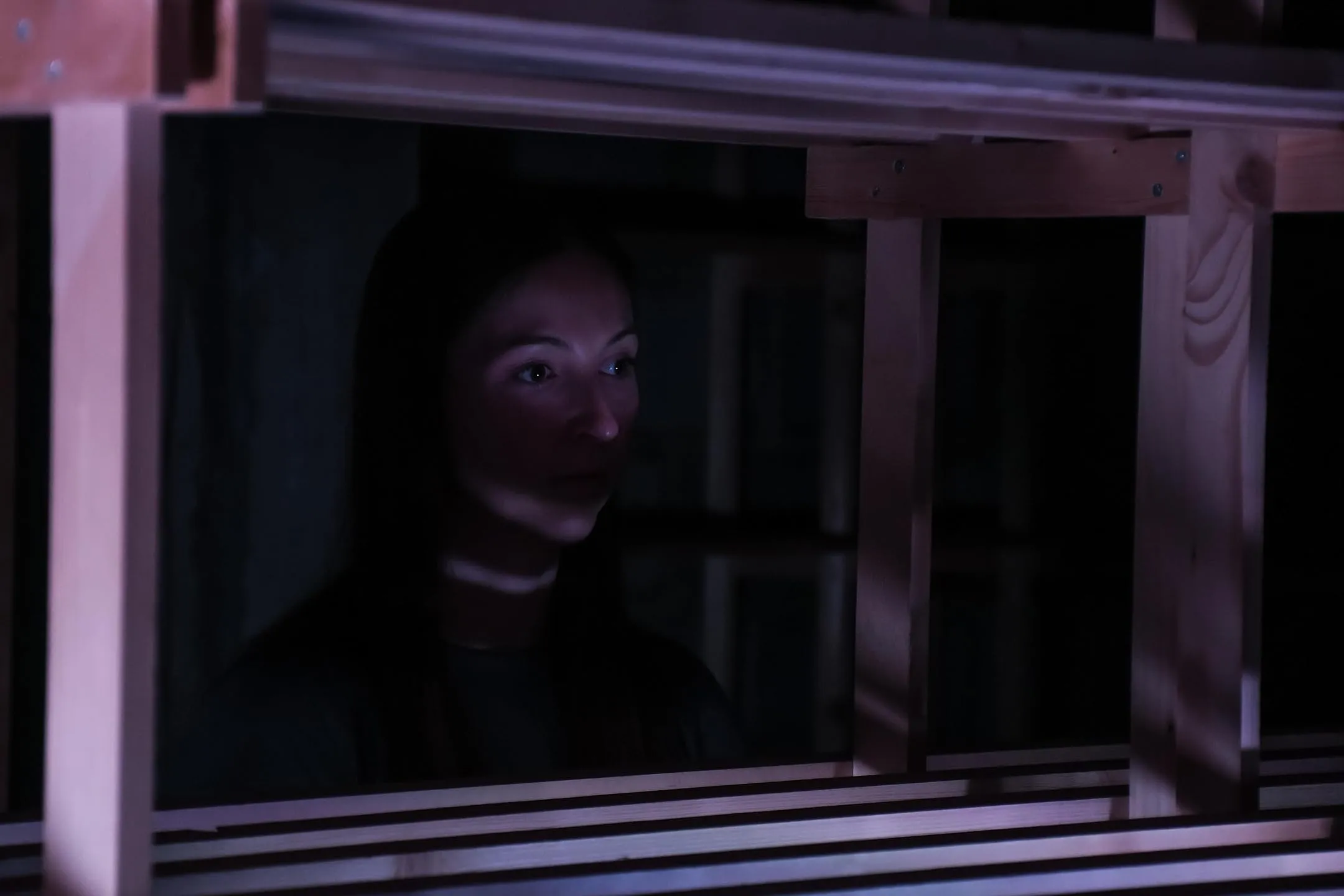
The thematic critique gives the film its sharpest edge. The story insists that content carries consequences. Abbott’s towering narcissism and his willingness to mine profound personal trauma for ratings and profit become the source of his downfall. By transforming grief into spectacle, he creates the conditions for his own destruction. The film frames this as a pointed reflection on contemporary media’s parasitic relationship with suffering and connects it to a vision of corrosive, unchecked capitalism.
John Abbott, played by John Tueart, forms the repulsive core of the story. Tueart commits to the role with a performance that fully embraces Abbott’s lack of redeeming qualities. Abbott treats those around him with arrogance, contempt, and open cruelty, including his production team members Olivia, Nathan, and Rita. His ego dominates every interaction and leaves no room for empathy. He functions as a classic “fall from grace” anti-hero, and his eventual misery feels fitting, even necessary, to complete the film’s thematic design. His self-absorption makes him an ideal target for the killer and sets up a moral question about who feels more monstrous.
Secondary characters play a more functional role and receive limited development. They primarily appear as collateral victims that chart the range of Abbott’s professional and ethical damage. Their relatively shallow portrayals reinforce the central focus on Abbott and The Maniac, turning the supporting players into pieces within a larger revenge scheme. This choice reduces emotional investment in individual arcs but strengthens the argument that Abbott’s selfishness exposes everyone around him to danger. The film connects this thematic throughline with familiar horror mechanisms, creating a project that works at once as a genre exercise and a piece of social critique.
Technical Brilliance and Acting Strength
The film’s technical construction offers a strong case for the crew’s skill. It relies on brutal, impressively staged practical effects and visceral gore. The kill scenes are neither hidden nor rushed; they display detailed craftsmanship and creativity. The effects work delivers the physical shock that defines the slasher tradition and provides the blood-soaked intensity that appeals to gore-focused viewers. The choice to prioritize tangible, practical work over CGI reinforces the vintage aesthetic that the project pursues.
The ensemble cast delivers performances that meet the demands of this complex subgenre. John Tueart serves as the linchpin, embodying Abbott’s repugnance and uncontrolled ego with conviction. His willingness to inhabit such a deeply unpleasant figure holds the film’s thematic weight in place. The supporting performers carry out their duties effectively as targets and victims, sustaining tension throughout the narrative.
The film’s technical polish stands out. It operates within the constraints of an independent budget yet maintains a consistently high visual standard. Sound design remains effective, and the use of filters and lighting techniques preserves the desired vintage look and mood across the runtime. The film never appears cheap; each stylistic choice feels deliberate.
The final act follows established genre tradition and ends with a classic reveal and resolution. Some moments in the closing sequence carry a slight lack of clarity, but the structure still brings the revenge arc to completion. By the end, killer and host trade positions in a dark thematic inversion that completes the sense of poetic justice. The film brings its technical execution and thematic ambition into alignment and finds its strength in that balance.
The movie The Blade Cuts Deeper is a feature-length horror thriller that premiered around late 2024 and early 2025, receiving its North American digital release on November 18, 2025. The film is a clear homage to the Giallo genre of Italian cinema, focusing on a narcissistic true-crime host named John Abbott who becomes the target of a vengeful killer. Directed by Gene Dolders, the film had a limited theatrical run and is available on various digital platforms for rent or purchase, including Amazon Video and Apple TV, and can also be streamed on services like Hoopla. The film has been recognized within the independent horror circuit, having been nominated for Best Thriller at the National Film Awards in London.
Full Credits
Title: The Blade Cuts Deeper
Distributor: Void Signal (Blu-ray, DVD, and Digital, North America), Feisty Films
Release date: November 18, 2025 (North American Digital/Disc)
Running time: 84 minutes (Digital), 1 hour 33 minutes (FilmFreeway source, approximately 93 minutes)
Director: Gene Dolders
Writers: A J Ballard, Gene Dolders
Producers and Executive Producers: A J Ballard, Gene Dolders, Guy Taylor
Cast: John Tueart, Kristin Jaap, James Podmore, Vicki Avery, Peter Durr, Quentin J. Gray, Lucy Renton, Lindsay Bennett-Thompson, Saul Murphy, Jason L. Ricketts
Director of Photography (Cinematographer): Paul Avis
Editors: Gene Dolders (according to Full Credits on IMDb)
Composer: A J Ballard
The Review
The Blade Cuts Deeper
The Blade Cuts Deeper is a stylish and effective Giallo-inspired slasher that excels in aesthetic fidelity and technical execution. The film’s commitment to brutal practical effects and a vintage "slow burn" pacing will appeal directly to fans of 70s and 80s horror. While the story features an unlikable protagonist and some shallow supporting roles, it functions as a sharp, modern critique of media exploitation. It honors its cinematic history while delivering visceral spectacle.
PROS
- Aesthetic Fidelity to Giallo and 70s slashers.
- Impressive Practical Effects and visceral gore sequences.
- Strong Thematic Critique of true-crime media and exploitation.
- Effective Sound Design and stylized lighting.
- John Tueart's committed performance as the narcissistic host.
CONS
- Protagonist (John Abbott) is deeply unlikable.
- Slow Pacing may alienate viewers expecting fast modern horror.
- Supporting Characters are sometimes underdeveloped or thin.
- Final act's Clarity is occasionally uneven.