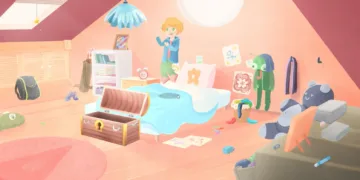




















Asfalia: The Cranky Volcano opens on Charlie, a young boy having what starts out as an ordinary afternoon. The setup stays grounded in a familiar domestic beat: Charlie wants to play with his dog, Baya, and the small rejection of being ignored pushes him into a tantrum. That emotional spike becomes the story’s hinge, carrying him into the magical world of Asfalia with the same storybook logic found in many children’s tales, where a kid’s inner storm becomes a place you can walk through.
Once Charlie arrives, the game makes its core idea immediately readable. His feelings shape the space around him, and the most important landmark is a massive, rumbling volcano that gives physical form to his lingering resentment. The land’s stability rises and falls with his temper, and the constant seismic threat keeps the connection clear: anger here has weight, sound, and consequences that ripple across the environment.
Built for younger players, the experience frames itself like an interactive storybook. It keeps the stakes gentle and uses the adventure structure to introduce complex feelings in a way that stays approachable. The jump from a quiet backyard to a realm of personified emotions sets the tone for the tasks that follow.
Quirky Residents and Lessons in Empathy
The strongest narrative momentum comes from the residents Charlie meets across Asfalia. Each encounter leans into the world’s playful tone, with characters that feel designed to spark curiosity first and problem-solving second. Charlie helps a giant cactus that needs an itch scratched, rescues a “toot bird” stuck inside a toad’s mouth, and spends time with a red-headed hermit dwarf who cannot get a key working. These episodes function like short story chapters: clear problem, clear action, and a small shift in Charlie’s emotional posture once the help is given.
Those interactions also carry the game’s thematic goals in plain language. Kindness and empathy sit at the center of what Charlie is asked to do, and the writing keeps a jolly rhythm that can work for kids while still giving adults something to enjoy through irony and cultural references. The dialogue has an intentional mix of sincerity and wit, and that tone helps the lessons land without turning into a lecture.
Even during the lighter beats, the volcano keeps shaking the ground, threading Charlie’s internal state through every scene. The tremors underline a simple idea: anger affects more than the person feeling it. The story’s emotional message comes through cleanly, even if the wrap-up arrives quickly. It ends on a cliffhanger, leaving Charlie’s emotional arc positioned for expansion in a later installment.
Direct Mechanics and Portable Challenges
Mechanically, Asfalia leans on a traditional point-and-click structure that fits its intended audience. Movement and interaction come through tapping the screen or steering a cursor, with scenes built around spotting objects and triggering simple cause-and-effect solutions. The puzzle design stays direct. Items tend to have obvious uses, and the logic is arranged so children can move forward without repeated trial and error.
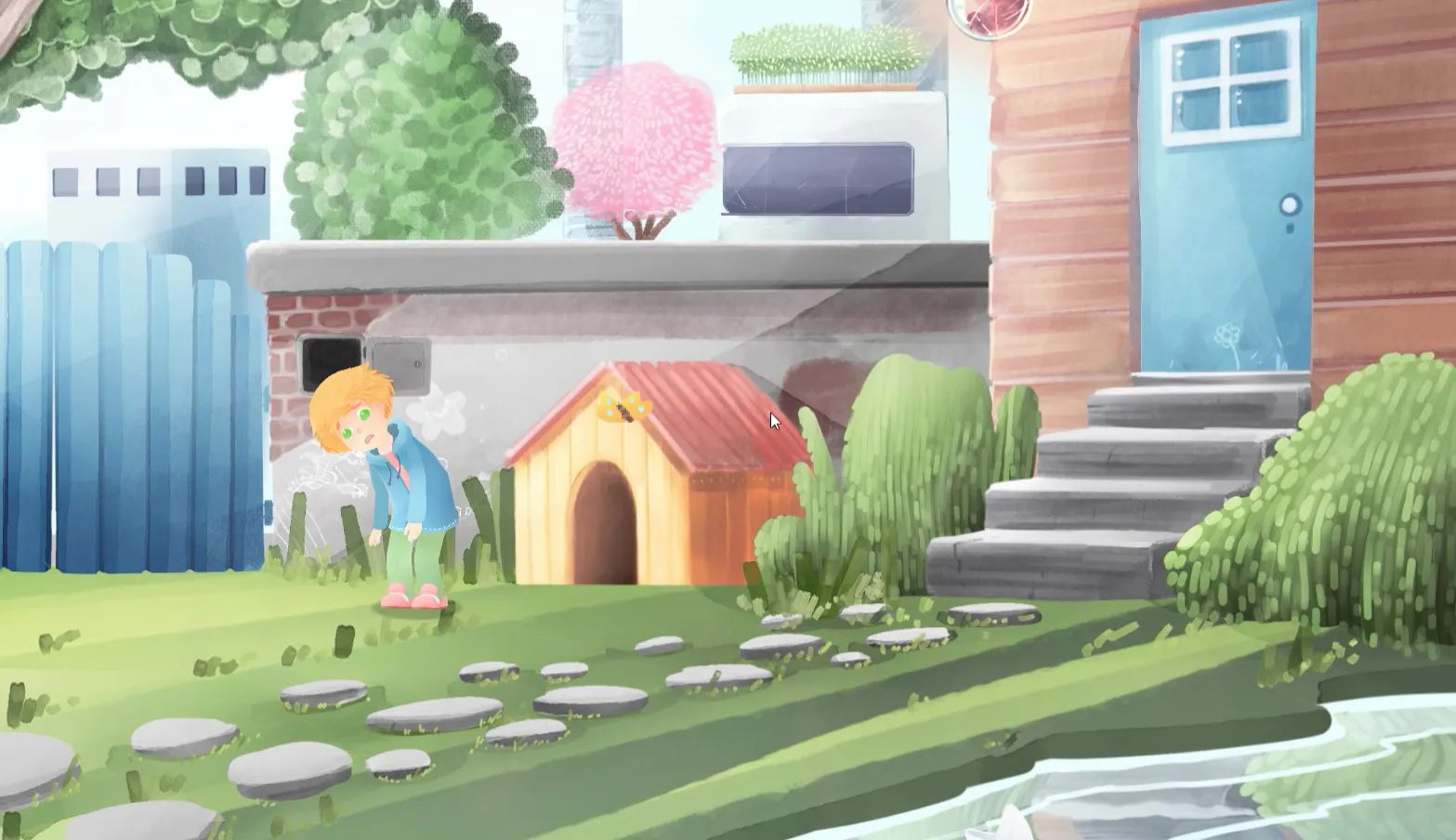
That simplicity becomes clearer when placed next to older genre touchstones like Pajama Sam, where multi-step chains and tighter inventory logic could slow players down. Here, the game keeps the focus on momentum and discovery. Exploration gets an extra nudge through a collectible sticker system, rewarding players who scan every corner of the hand-painted environments.
On Nintendo Switch, touchscreen support makes sense for the format, though the cursor behavior can feel slightly rough. The pointer may snap to objects in unpredictable ways, and it can disappear after certain animations. Those issues stay small in practice, and the pacing remains steady across the game’s short runtime. Many players will finish in under two hours. A chapter select option rounds out the package in a practical way, letting people revisit scenes or hunt missing stickers without replaying the full story.
Storybook Aesthetics and Expressive Audio
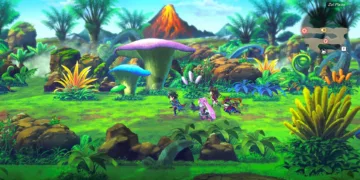
The presentation is where the game leaves its strongest impression. The hand-painted art style calls up the feeling of whimsical children’s literature, built from soft pastel colors and imaginative character designs that create a warm, inviting atmosphere. The mood invites comparison to Alice in Wonderland, especially in how the world treats odd residents and playful logic as normal parts of the landscape. That visual approach aligns neatly with the story’s gentle tone.
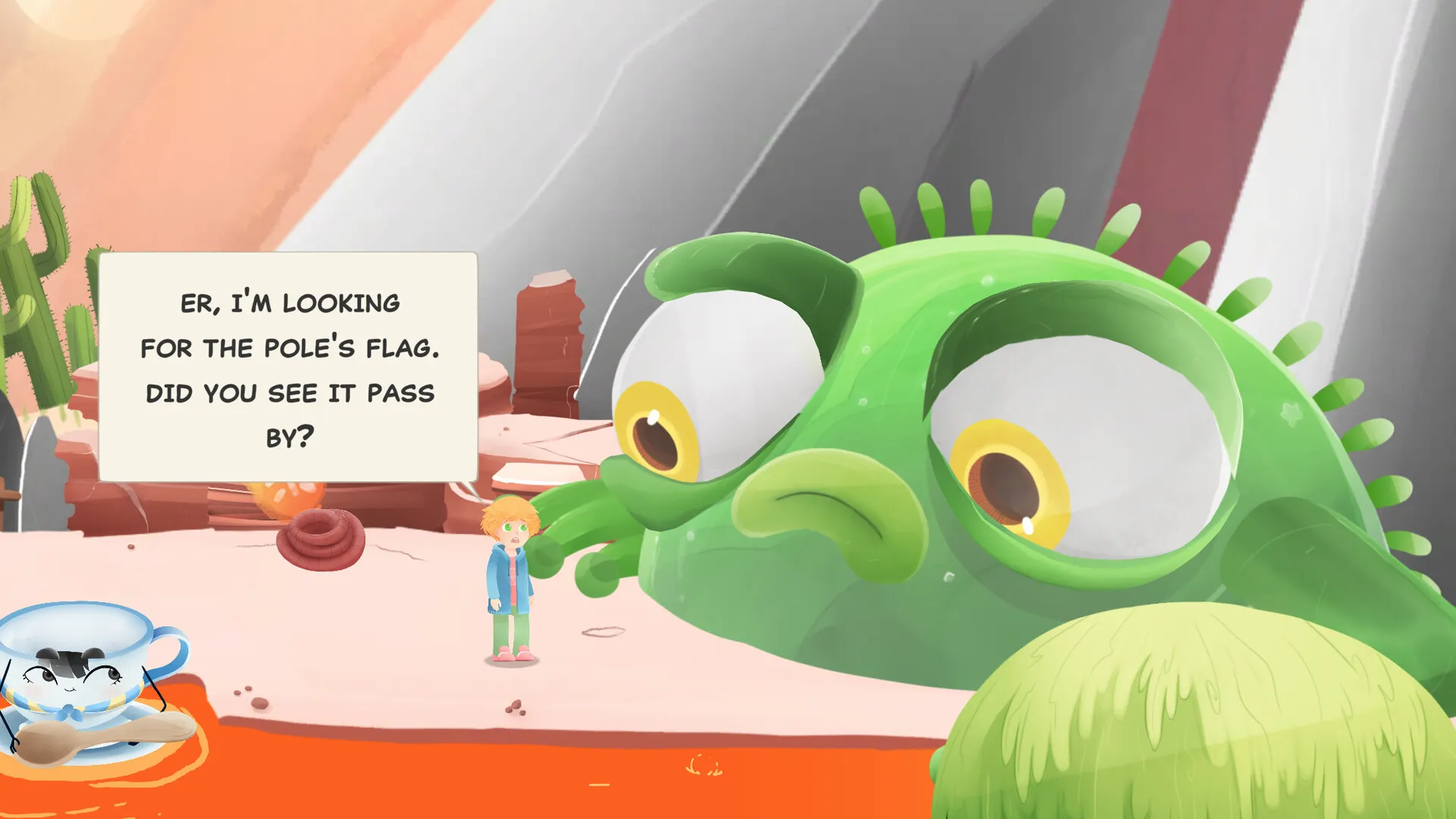
Sound work supports the same goal with polished execution. The voice acting stands out, giving each character a distinct, expressive personality that sells the idea of Asfalia as a lived-in place. The soundtrack carries an adventurous pulse and shifts with what is happening on screen. When the volcano rumbles, audio cues pair with a screen-shaking effect to stress the seismic activity, turning an emotional metaphor into something you can feel through the controller and display.
On the Switch’s handheld screen, the text reads large and clear, and performance stays smooth enough to keep the experience comfortable for family play. Between the vivid artwork and the confident audio work, Asfalia’s world can linger in memory well past its brief play session.
The Review
Asfalia: The Cranky Volcano
Asfalia: The Cranky Volcano is a charming, interactive storybook that excels as an entry point for younger gamers. Its hand-painted art and professional voice acting create an inviting world for exploring complex emotions. While the mechanics are simple and the runtime is brief, the emphasis on empathy provides genuine value for families. The abrupt ending and minor control issues on the Switch detract slightly, but the overall experience remains a sweet, thoughtful adventure. It serves as a solid foundation for its sequel.
PROS
- Beautiful hand-painted visual style.
- High-quality, expressive voice acting.
- Gentle, educational approach to emotional themes.
- Accessible interface for children.
CONS
- Very short total playtime.
- Fickle cursor controls on the Switch.
- Abrupt narrative conclusion.
- Lack of depth for experienced players.