





























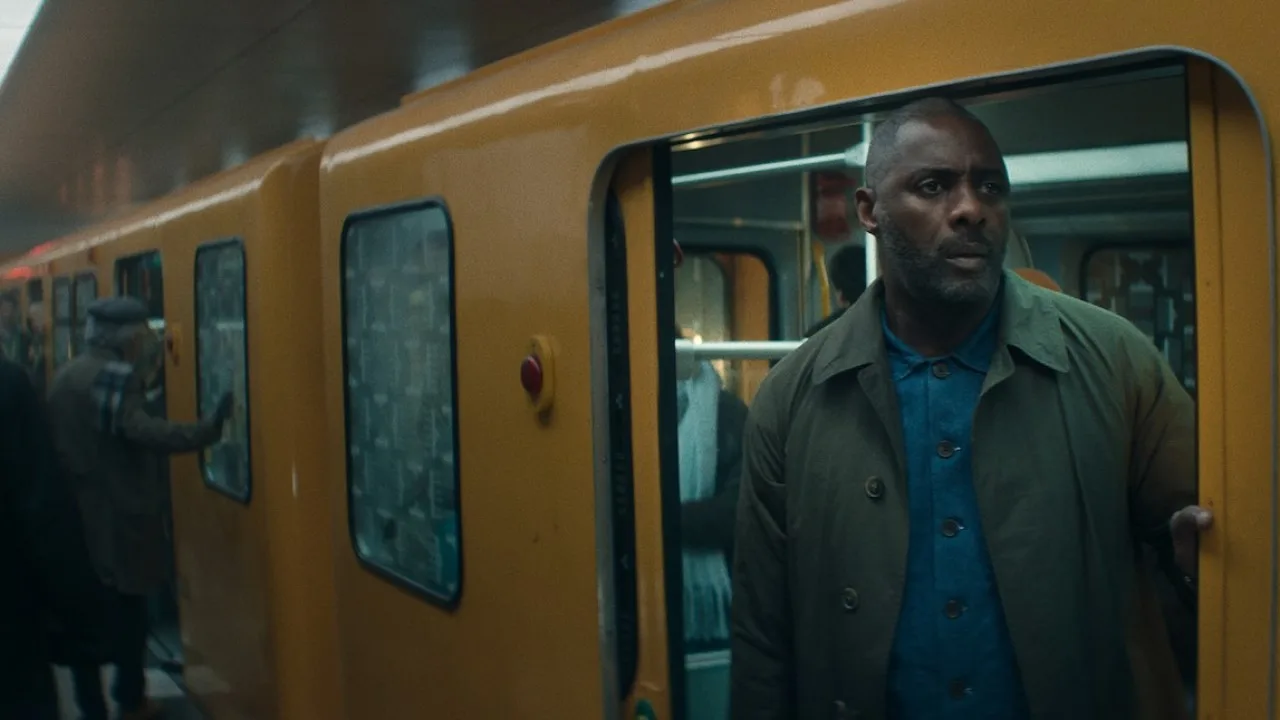
Sam Nelson returns for a second high-stakes crisis. The corporate negotiator leaves the open sky behind and moves into Berlin’s underground. The story opens two years after the Kingdom Airlines incident, with Sam searching for the architects of that original hijacking. His trail leads into the U-Bahn. What begins as a routine commute becomes a planned operation. The change of setting produces a tight, suffocating mood. The subway’s metallic reverberations replace the dull drone of engines.
This season alters Sam’s function: he seems to be the agent provoking the chaos. The plot races forward, concentrating on a single train and the control rooms that watch it. The danger reads as personal; Sam’s family is again swept into the crisis. Berlin brings a cool, European visual tone. The series preserves a near–real-time urgency through sharp editing. The conspiracy widens while the action remains trapped on a moving vessel.
Subterranean Pressure and Tactical Reversals
Moving the action from aircraft to underground shifts how suspense operates. A plane offers open sky but a confined tube. A train runs on fixed rails with no option to change course. The Berlin U-Bahn, named here as the U5 line, supplies a gritty landscape that contrasts with the clinical cabins of season one. Signal and voice contact fades once cars enter deep tunnels. That loss of connection creates acute helplessness for passengers.
The story uses a reverse-hijacker idea to unbalance the viewer. Watching Sam take charge of the lead car is a disorienting pivot. He is pursuing figures from his past, and that pursuit blurs whether he is rescuer or assailant. Tension forms quickly. Technical specifics of the transit network anchor the high-concept premise. The series shows the control-room procedures and the people who run them.
Transit staff and the Berlin police scramble to understand what is unfolding. A detail like using the 700 code for a bathroom break demonstrates how routine protocols can be weaponized. The season highlights how automated systems can fail or be turned against the public. The city’s geography functions as an organizing force. Each station stop reads like a missed escape. The rails set the plot’s trajectory. The steel surroundings reduce options for bargaining.
The Negotiator as an Internal Force
Idris Elba’s performance carries the weight of Sam Nelson’s backstory. He no longer appears as an accidental figure trying to return home. He acts with the concentration of someone pursuing a narrow, urgent aim. Elba takes a brooding, inward approach. He looks worn. His gestures are economical and exact. He transposes negotiation techniques into confrontations that are physical as well as psychological. The negotiator moves with the composure of a seasoned action lead.
Also Read





The Berlin ensemble offsets Sam’s intensity. Christian Näthe’s Otto, the train driver, reads as an anxious intermediary; his fear and remorse are clearly written on his face. Lisa Vicari’s Clara, the control-room operator, functions as the audience’s vantage point. She is a civilian caught in a crisis on her first night shift.
The hostages aboard the train form a mixed cross section: students, teachers and routine commuters. They supply the emotional center; their panic gives the danger immediate human meaning. The show brings back familiar players from London. Archie Panjabi returns as Zahra, linking the Berlin episode to British intelligence.
Max Beesley’s Daniel remains involved and protective of Sam’s family. Those connections keep the stakes international. The chemistry between newcomers and returning characters maintains balance while the scenes probe how people behave under acute pressure.
The Mechanics of the Underground Clock
This season runs eight episodes, which surpasses the first season’s episode count. That expansion permits a wider look at the conspiracy. The real-time device remains central and often rings true. At moments the side plots featuring authorities slow the drive. The writers favor a cliffhanger structure: episodes typically close on a revealing escalation. That pattern encourages rapid, continuous viewing. The series depends on red herrings; many passengers present as possible threats before the plot exposes the true dangers.
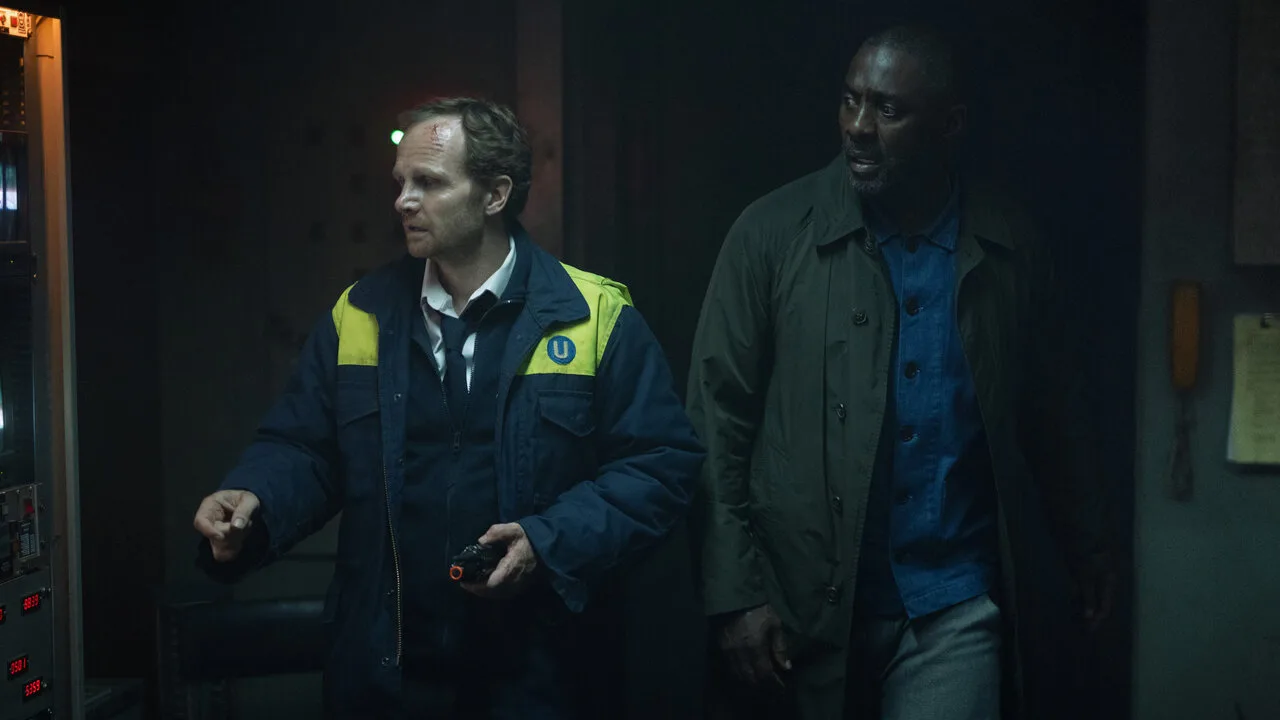
Visually the show is clean and considered. Production contrasts environments sharply. Bright, modern stations read as places of safety; dark, soiled tunnels register as dangerous. The visual choices carry narrative meaning. Sound design contributes heavily: screeches on the rails and muted tunnel noises sustain a low-level panic. Much dialogue is delivered in German; subtitles underline Sam’s outsider status.
He must interpret situations without full command of the language, which complicates his task. Editing alternates between the confined train and the chaotic control rooms, keeping the scope of the emergency visible. The pacing follows the train’s motion: a slow setup that accelerates as the destination approaches. The plot favors binge viewing over spaced-week releases.
Strategic Gambles and Genre Pedigree
The season’s logic grows from the Kingdom Airlines hijacking. It extends that mystery and shows that the original syndicate remains active. The narrative places Sam’s ex-wife Marsha in a remote cabin, creating a parallel survival thread that widens the emotional reach beyond the train. The series examines the fine line between heroic action and private justice. Sam operates as a man who has chosen a mission and accepts heavy risks. He exposes commuters to danger in pursuit of answers.
That choice complicates him. The story implies systemic breakdowns: government and transit officials often find themselves a step behind the criminals. That pattern fits a familiar motif in contemporary thrillers. The series situates itself in a clear storytelling lineage: the subway setting recalls The Taking of Pelham 123, while the premise echoes the right-man-in-the-wrong-place pattern familiar from Die Hard.
Sam stands apart because he elects to occupy the line of fire. He approaches the situation like a card player; he reads tells and plans several moves ahead. His intellectual handling of conflict shapes the series. The finale hinges on his capacity to outthink opponents. The result is a contest of minds staged within a very physical arena.
Hijack Season 2 premiered on January 14, 2026, on the Apple TV+ streaming service. This season moves the suspense from an airplane to the subterranean tunnels of Berlin, where negotiator Sam Nelson faces a fresh hostage crisis on a commuter train. Fans can watch the high-stakes narrative through the Apple TV app on various smart devices. The series delivers eight episodes that release on a weekly basis, maintaining the intense pacing established in its debut year.
Full Credits
Title: Hijack Season 2
Distributor: Apple TV+
Release date: January 14, 2026
Rating: TV-MA
Running time: 45 minutes per episode
Director: Jim Field Smith
Writers: George Kay, Jim Field Smith, Guy Bolton
Producers and Executive Producers: Idris Elba, George Kay, Jim Field Smith, Jamie Laurenson, Hakan Kousetta, Tom Nash, Mat Chaplin
Cast: Idris Elba, Toby Jones, Lisa Vicari, Christiane Paul, Archie Panjabi, Max Beesley, Christine Adams, Albrecht Schuch
Director of Photography (Cinematographer): Ed Moore
Editors: David Webb, Johannes Bock, Carmela Iandoli
Composer: Anne Nikitin
The Review
Hijack Season 2
Sam Nelson’s shift to the Berlin underground provides a tense follow-up to his first crisis. Idris Elba remains a commanding presence. The move from accidental hero to proactive investigator adds depth. This season excels in technical detail and claustrophobic atmosphere. The plot relies on familiar tropes at times. It remains a high-quality thriller for those who enjoy a methodical game of high-stakes poker. The real-time pressure stays high throughout the eight episodes.
PROS
- Idris Elba’s grounded performance anchors the tension.
- The authentic Berlin U-Bahn setting creates a fresh, gritty aesthetic.
- Effective use of the real-time format to maintain anxiety.
- The surprising narrative hook of the "reverse hijacker."
CONS
- The eight-episode length feels slightly long for the central plot.
- Occasional reliance on conventional thriller clichés.
- Some side characters in the train cars lack significant development.