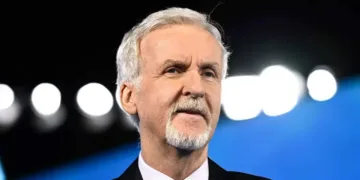































Filmmaker James Cameron said he has little interest in returning to the United States after relocating to New Zealand, arguing that the country has “turned its back on science” and grown so polarized it would struggle in the face of another pandemic. Speaking on the interview program “In Depth with Graham Bensinger,” Cameron contrasted New Zealand’s COVID-19 response with what he described as a fractured U.S. climate, saying he moved “for the sanity,” not the scenery.
Cameron pointed to vaccination uptake as a shorthand for trust in public health and shared purpose. He said New Zealand “eliminated the virus twice” and reached a 98% vaccination rate before a later wave broke through, while he pegged the U.S. at a 62% vaccination rate that, in his telling, was sliding the wrong way. When Bensinger called the U.S. “a fantastic place to live,” Cameron cut in: “Is it?”
The director framed his move as long planned, accelerated by the pandemic and years of splitting time between countries after buying property in New Zealand. Business Insider reported that Cameron was granted New Zealand citizenship in August 2025.
His critique lands in a messier reality. The United States still anchors global research spending: National Science Foundation indicators place U.S. gross domestic R&D at $923 billion in 2022 on internationally comparable measures, the largest national total. Public attitudes also resist a simple “anti-science” label. Pew Research Center found 76% of Americans in 2024 expressed at least a fair amount of confidence in scientists to act in the public’s best interests, while partisan gaps widened sharply compared with early-pandemic levels.
Cameron’s comments, then, read less like a claim that America lacks scientists and more like an indictment of political and cultural incentives that turn expertise into a tribal marker. His warning about “utter disarray” in a future health crisis echoes that point: he’s measuring resilience by cooperation, not lab output.