









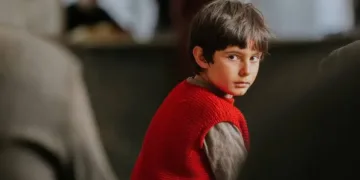
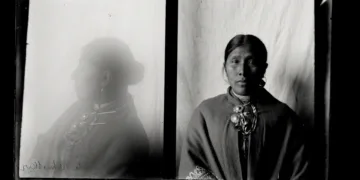









A dusty card bearing a clock face sits beside a man gored by a Spanish bull in the sun-drenched landscape of Ronda. That image opens a three-part adaptation of a lesser-known 1929 novel and signals the interplay of time and violence that follows. Netflix relocates the action to 1925 England, to a country manor where a prank meant for sport turns fatal.
Lady Eileen “Bundle” Brent leads the inquiry into a secretive group called the Seven Dials, a society whose tendrils reach into a high-stakes conspiracy. Chris Chibnall pushes the material away from a tidy drawing-room puzzle and toward a brisk thriller.
The cast mixes established stars and newer faces as the story moves from rolling hills to crowded London streets, following a trail of broken clocks and cryptic notes. The show tries to hold the source’s light touch alongside a substantive examination of personal loss, the shadow of the Great War present in nearly every exchange.
The Weight of Grief and the Modern Flapper
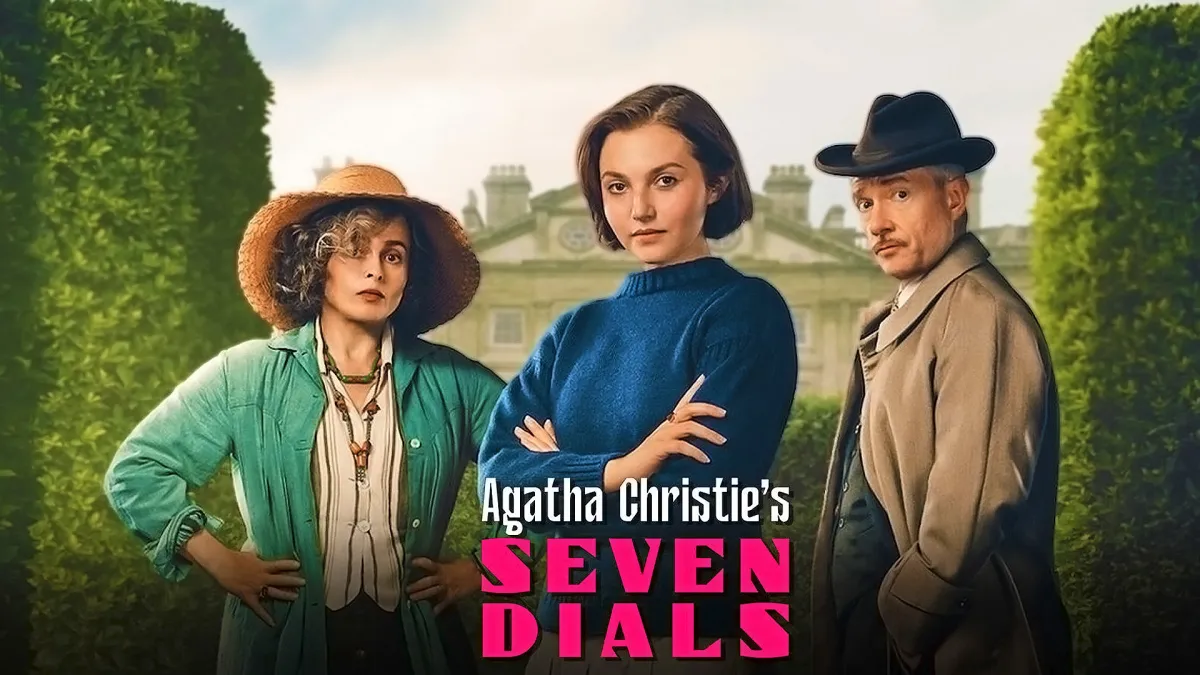
The script roots the mystery in emotional stakes. Bundle Brent joins the investigation because of a close bond with the first victim, Gerry Wade. That alteration stitches grief into her motives and gives her action a moral engine. Mia McKenna-Bruce renders Bundle with a grounded, direct presence.
She channels the energy of a modern flapper while remaining anchored when scenes tilt toward the absurd. Bundle wields her social position with skill; she understands the limits of rank and uses the arrogance of men around her to extract information. She can be brash in public and measured in private, and those private moments of sorrow reveal the cost of amateur detection.
The performance resists simple period stereotype and presents a woman who insists on defining her path. She rejects the quiet domestic life urged by her mother and treats the mystery with the determination of someone pursuing a profession. That focus supplies emotional heft, converting a light caper into an inquiry about agency and consequence. Grief keeps the plot tethered to present feeling and gives Bundle reason to step beyond the social rules of 1920s England.
Gravitas and the Ensemble Balance
Helena Bonham Carter and Martin Freeman add necessary weight to the production. Lady Caterham reads as a world-weary presence who manages financial decline with dry wit. Superintendent Battle functions as a professional center, a steady legal mind in a landscape of disruption. His methodical certainty offsets Bundle’s rapid instincts and lends credibility to the televisual investigation.

Edward Bluemel’s Jimmy Thesiger brings classic charm and serves as an investigative foil who preserves a lighter tone. The chemistry between Jimmy and Bundle propels the narrative and evokes the bright young set of the era. Some players receive limited development; Ronnie Devereux and Bill Eversleigh begin as central participants in the prank and later recede beneath the espionage strand, leaving a perceptible gap.
The production benefits most when veteran actors share screen time with younger performers; those pairings throw class distinctions into relief. Battle’s deliberate stiffness reads as design rather than flaw, a contrast to Bundle’s intuition. When the script flags, the performances keep the engine running. The supporting ensemble creates a field of suspects who often blur into one another, a cinematic suggestion of upper-class sameness that the actors work to complicate. The presence of marquee names helps the series feel substantial.
Sunlight and the Geometry of Suspicion
The 1920s come to life in a bright, yellow-tinted palette. Stately manors and detailed costumes define the period look, a visual choice that offsets the grim business of murder. Production design speaks to era wealth, and the surface cheer of the bright young things sits uneasily beside a spy plot.

The three-episode structure enforces a deliberate pace: the first two parts build the world of the Cootes and the Caterhams while the final part accelerates into action. A shift to a train for the climax increases urgency and supplies a kinetic contrast to the manor’s stillness. Not all visual choices land with equal force; the tactile interiors of country houses feel lived-in and convincing, while some digital backgrounds read as flat and pull attention out of the period immersion.
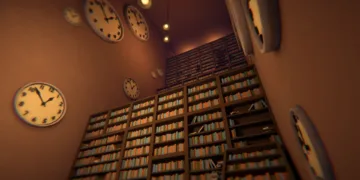
Clocks recur as a visual motif, mechanical reminders of elapsed time and looming danger. Cinematography favors wide frames of the English countryside that underscore upper-class isolation: the world looks elegant and static, the bright light glossing the social rot beneath. Each clock appears carefully staged, part of a map that leads characters toward a plan.
Echoes of the Somme and Colonial Calculations
The Great War’s shadow governs the characters’ motives. Loss presses on their conversations and shapes their view of scientific discovery. References to the Somme surface as a lingering trauma and inform how characters approach progress framed as military advantage.

The tension between the Caterhams and the Cootes exposes a social fault line: old titles carry social cachet without cash while the nouveau riche possess money without inherited manners. That divide steers the politics of the investigation.
A dinner scene with Dr. Cyril Matip provides pointed commentary; he describes the realities of war and imperial control and forces wealthy guests to confront the cost of their global influence and the treatment of occupied peoples. The plot moves from local homicide to international espionage as a search for an indestructible metal ties scientific advancement to military power.
The invention stands presented as a potential end to war, which raises the stakes for the secret society’s aims and frames the conflict between profit and survival. Social rank continues to determine access to information, and Bundle negotiates those layers with an awareness of a shifting world. The narrative suggests an ending to the age of idle aristocracy, as new dangers demand new vigilance.
Mechanics of the Mystery and the Path Ahead
Chris Chibnall writes with a lean ear for fast dialogue and introduces contemporary ideas about emotional health into the historical frame. The script scatters red herrings that send many clues to dead ends, a method that preserves suspense about the Seven Dials’ identity.
The final episode’s reveal offers a clear resolution. Bundle plays an active part in the climax; her role in unmasking the killer departs from the original text and deepens her arc. That alteration proves her competence as a detective and marks a shift from amateur hobby to purposeful vocation.
The closing scenes hint at further cases: the secret society’s meeting implies additional investigations ahead and a possible partnership between Bundle and Battle. The adaptation manages a difficult novel for contemporary viewers by retaining Christie’s spirit while calling attention to her limitations. The final moments project a change in order as the amateur sleuth assumes a professional stance and the story winds toward future opportunity.
Agatha Christie’s Seven Dials is a three-part British miniseries that premiered on Netflix on January 15, 2026. This reimagining of Christie’s 1929 thriller shifts the narrative from a traditional drawing-room mystery into a high-stakes espionage drama set in 1925 England. The story follows the sharp-witted Lady Eileen “Bundle” Brent as she investigates a secret society and a series of murders linked to a revolutionary scientific formula. Viewers can stream the entire limited series exclusively on Netflix, where it has been noted for its cinematic production values and a modern, emotionally resonant take on the classic source material.
Full Credits
Title: Agatha Christie’s Seven Dials
Distributor: Netflix
Release date: January 15, 2026
Rating: TV-MA
Running time: 52–56 minutes per episode
Director: Chris Sweeney
Writers: Chris Chibnall
Producers and Executive Producers: Joanna Crow, Rebecca Roughan, Chris Chibnall, Suzanne Mackie, Chris Sussman, Andy Stebbing, Chris Sweeney, James Prichard
Cast: Mia McKenna-Bruce, Martin Freeman, Helena Bonham Carter, Edward Bluemel, Iain Glen, Corey Mylchreest, Nabhaan Rizwan, Nyasha Hatendi, Alex Macqueen, Hughie O’Donnell, Dorothy Atkinson, Mark Lewis Jones, Tim Preston, Ella-Rae Smith, Guy Siner
Director of Photography (Cinematographer): Luke Bryant
Editors: Emma Oxley
Composer: Anne Nikitin
The Review
Agatha Christie's Seven Dials
Agatha Christie's Seven Dials succeeds by placing a grief-driven heroine at the center of a chaotic espionage plot. While the tonal shifts between lighthearted caper and serious thriller create friction, the performance of Mia McKenna-Bruce provides a steady anchor. The series functions as a visually bright exploration of post-war anxiety and class tension. It moves at a brisk pace, delivering a mystery that feels both familiar and updated for modern sensibilities.
PROS
- A strong, focused lead performance.
- High production value and costume design.
- Meaningful exploration of 1920s social hierarchies.
CONS
- Uneven tone between comedy and tragedy.
- Some supporting characters lack development.
- Inconsistent digital backgrounds.