

























![Kingdom Hearts Collection [I-III] Review](https://gazettely.com/wp-content/uploads/2026/10/Kingdom-Hearts-Collection-I-III-1-360x180.webp "Kingdom Hearts Collection [I-III] Review: KHII Holds Steady as Newer Entries Fluctuate 37")



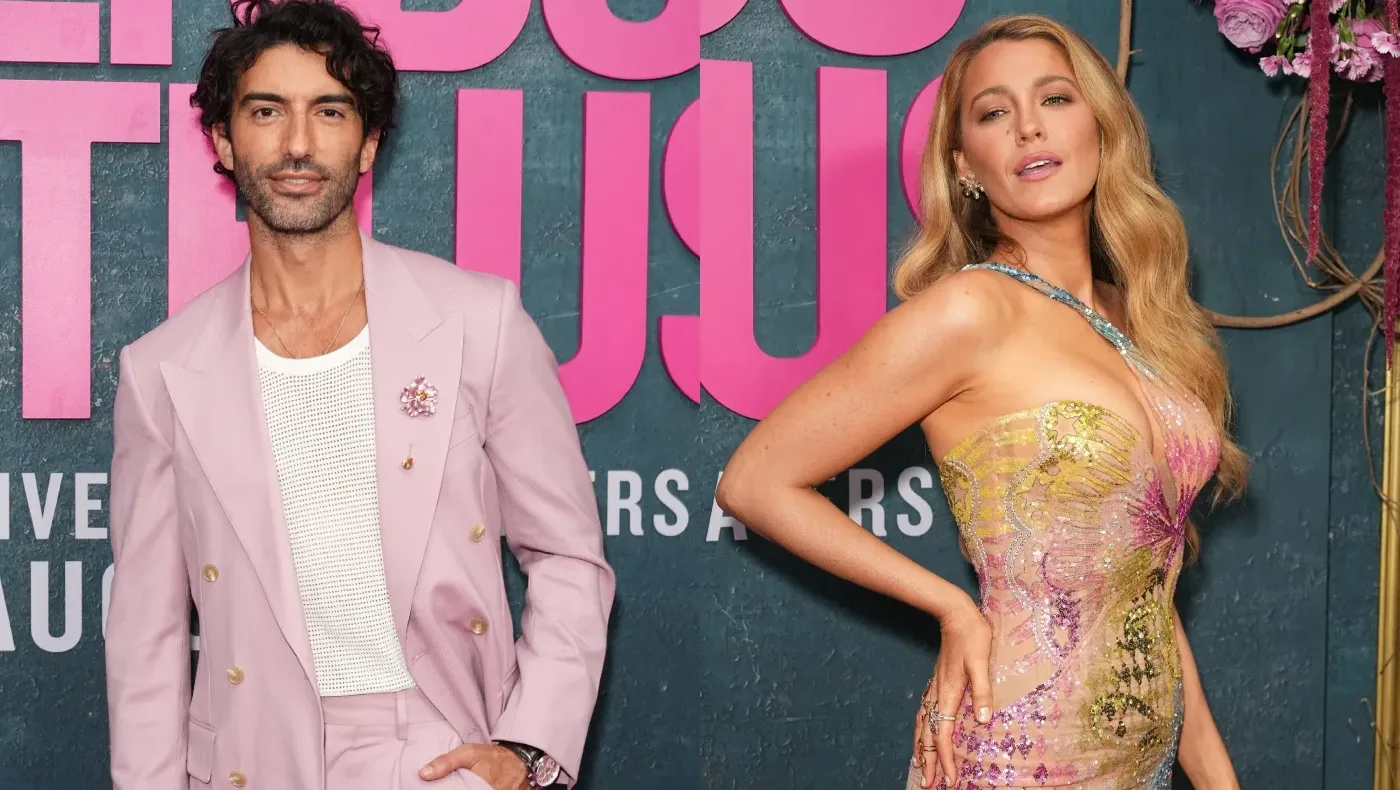

Justin Baldoni asked a federal judge in Manhattan on Jan. 22 to throw out Blake Lively’s sexual-harassment and retaliation lawsuit tied to their 2024 film “It Ends With Us,” with his lawyer framing the on-set dispute as a “heated rivalry” and a clash over creative choices rather than unlawful conduct.
Lively’s complaint accuses Baldoni, who directed and co-starred, and his company Wayfarer Studios of creating a sexually charged workplace and retaliating after she raised concerns. Her claims include allegations that Baldoni pressured her to simulate nudity, crossed physical boundaries during intimate scenes, and later participated in a campaign to damage her reputation; she seeks damages for harassment, defamation, invasion of privacy and civil-rights violations.
Baldoni denies wrongdoing and argues he acted within his rights to defend himself. In court, his attorney called the incidents “small potatoes,” arguing that adult-content discussions and improvised moments were taken out of context and lacked discriminatory intent. Judge Lewis J. Liman pushed back on the notion that smaller episodes cannot add up, signaling skepticism about parts of the defense while stopping short of a ruling.
Lively’s lawyer told the court the conduct went beyond ordinary friction and repeatedly crossed professional lines. Her team also pointed to evidence issues, arguing that auto-deleted Signal messages warrant sanctions, while the court set a separate settlement conference the same day. Liman has not said when he will decide whether the case proceeds.
The fight has played out alongside shifting legal claims. Baldoni’s earlier suits against Lively and The New York Times were dismissed, while Lively’s case remains on track for a May 18 trial date. The film itself became a major commercial success, grossing more than $351 million worldwide, adding public scrutiny to what would otherwise be a standard workplace-dispute docket.
Away from the filings, the case has fed a wider debate about consent protocols on sets. Intimacy coordinators have cited the dispute as a reminder that choreography, clear boundaries and documented consent matter most when a director also acts in the scene.







