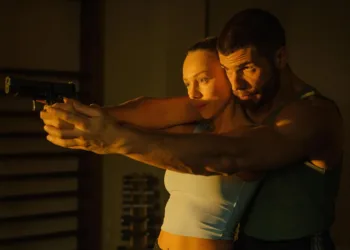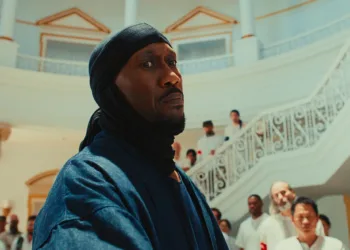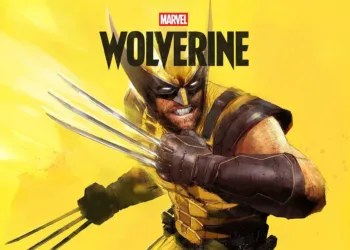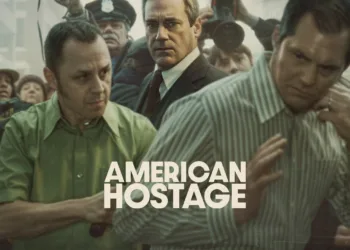















Paramount and Disney have sent cease-and-desist letters to ByteDance, escalating Hollywood’s response to Seedance 2.0, a new generative AI video tool that can produce short, highly realistic clips from text prompts and reference media.
The letters argue that Seedance and a related image model, Seedream, enable unlicensed use of studio-owned characters and scenes, and that the systems were trained or packaged in ways that encourage infringement. In one letter, Disney’s outside counsel David Singer wrote that ByteDance is “hijacking” Disney characters and called the conduct a “virtual smash-and-grab.”
The Motion Picture Association, whose member studios include Paramount Pictures and The Walt Disney Studios, has urged ByteDance to halt the service. In a statement dated Feb. 12, chairman and CEO Charles Rivkin said Seedance “engaged in unauthorized use of U.S. copyrighted works on a massive scale” and criticized the lack of “meaningful safeguards against infringement.”
The backlash has also spread to labor. SAG-AFTRA said the tool enables “blatant infringement,” adding that it includes unauthorized use of performers’ voices and likenesses.
Online, concern sharpened after a viral clip depicting Tom Cruise and Brad Pitt in a fight circulated widely. Writer-producer Rhett Reese warned that a single creator could soon make studio-grade films from a laptop, while UK peer and filmmaker Beeban Kidron called for negotiated deals that pay rightsholders and reduce years of litigation.
ByteDance has promoted Seedance as a major leap in video quality. The company has also said it respects intellectual property and has paused certain features tied to generating avatars of real people, according to reporting in The Wall Street Journal.