




![Kingdom Hearts Collection [I-III] Review](https://gazettely.com/wp-content/uploads/2026/10/Kingdom-Hearts-Collection-I-III-1-360x180.webp "Kingdom Hearts Collection [I-III] Review: KHII Holds Steady as Newer Entries Fluctuate 33")




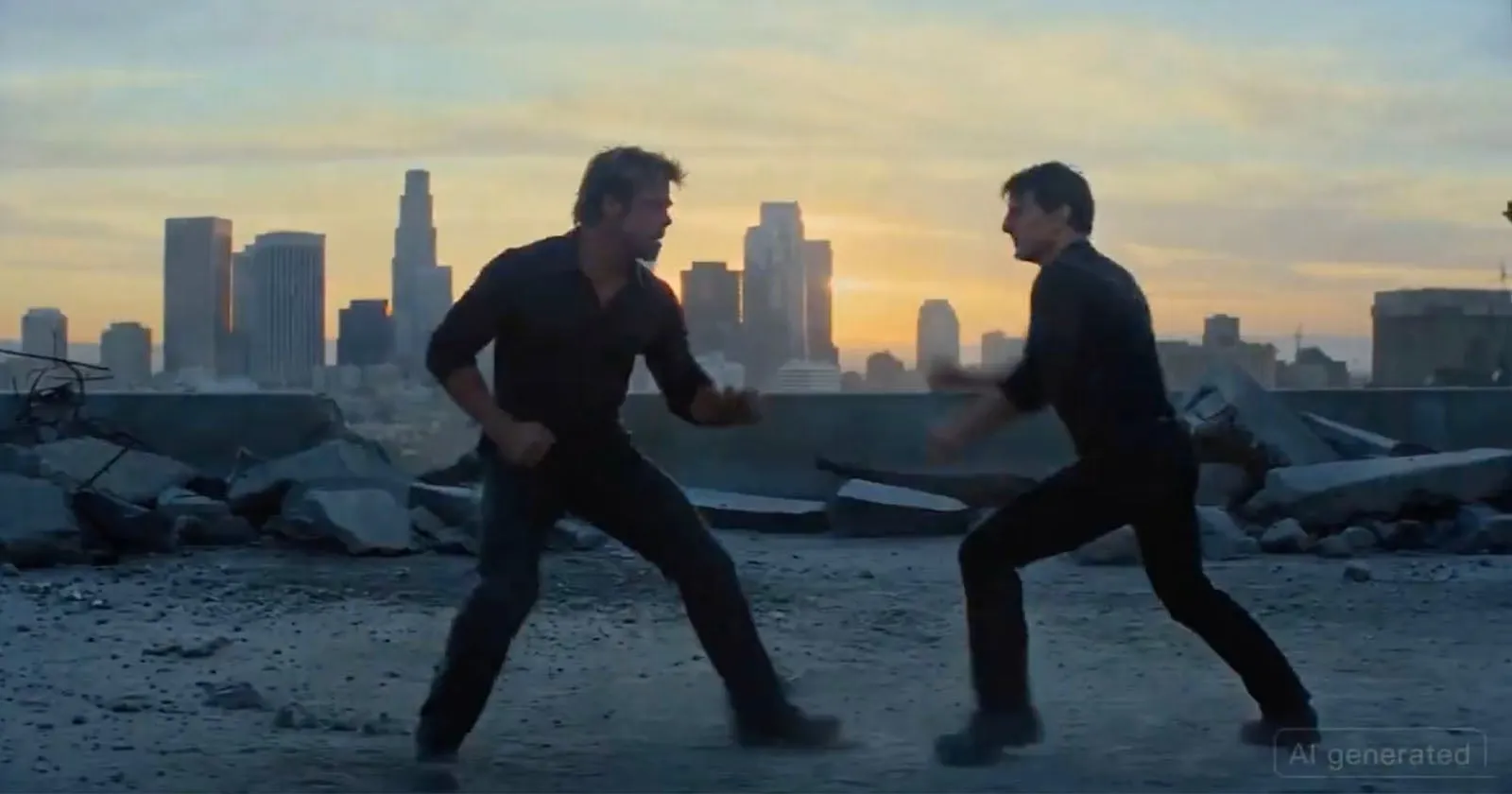

The Motion Picture Association has sent a cease-and-desist letter to ByteDance accusing the TikTok parent of “pervasive and widespread” copyright infringement tied to its new generative video tool, Seedance 2.0, and demanding concrete answers within days about how the company will stop the outputs and purge studio material from its systems. Axios reported it obtained a copy of the letter, addressed to ByteDance global general counsel John Rogovin, that presses for specifics rather than “general statements.”
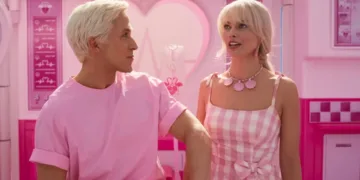
Seedance 2.0 rolled out in China last week and quickly flooded social platforms with short, cinematic clips that users publicly attributed to the model. The trade group says its review has already surfaced examples that “closely replicate” distinctive characters and other protected elements from member-studio works, arguing the pattern points to systemic misuse rather than edge-case prompts. The letter asks ByteDance to confirm, in writing by Feb. 27, what steps it has taken to address the alleged infringement and prevent repeats.
The dispute has widened past the studios. The actors’ union SAG-AFTRA said the clips include unauthorized use of performers’ voices and likenesses and warned that this kind of tool “undercuts” the ability of human talent to earn a living. A separate coalition of creative-industry groups has called the launch an attack on creators and urged firms building generative systems to negotiate fair licensing terms rather than treating copyrighted work as free fuel.
ByteDance has promised changes but has offered few technical details. In a statement carried by news agencies, the company said it respects intellectual property and is strengthening safeguards to prevent users from generating unauthorized content or likenesses. Earlier cease-and-desist letters from individual rights holders have alleged the tool was trained on, or shipped with access to, recognizable characters and franchises; ByteDance has not publicly disclosed its training dataset or how it filters prompts and outputs at scale.
What comes next depends on ByteDance’s response to the Feb. 27 deadline and whether the studios escalate from letters to litigation. The clash is also shaping the policy fight over generative AI, with copyright owners pushing for clear consent and licensing rules while tech firms argue that restrictive training limits would slow innovation.