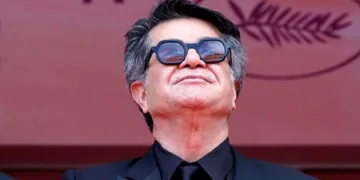










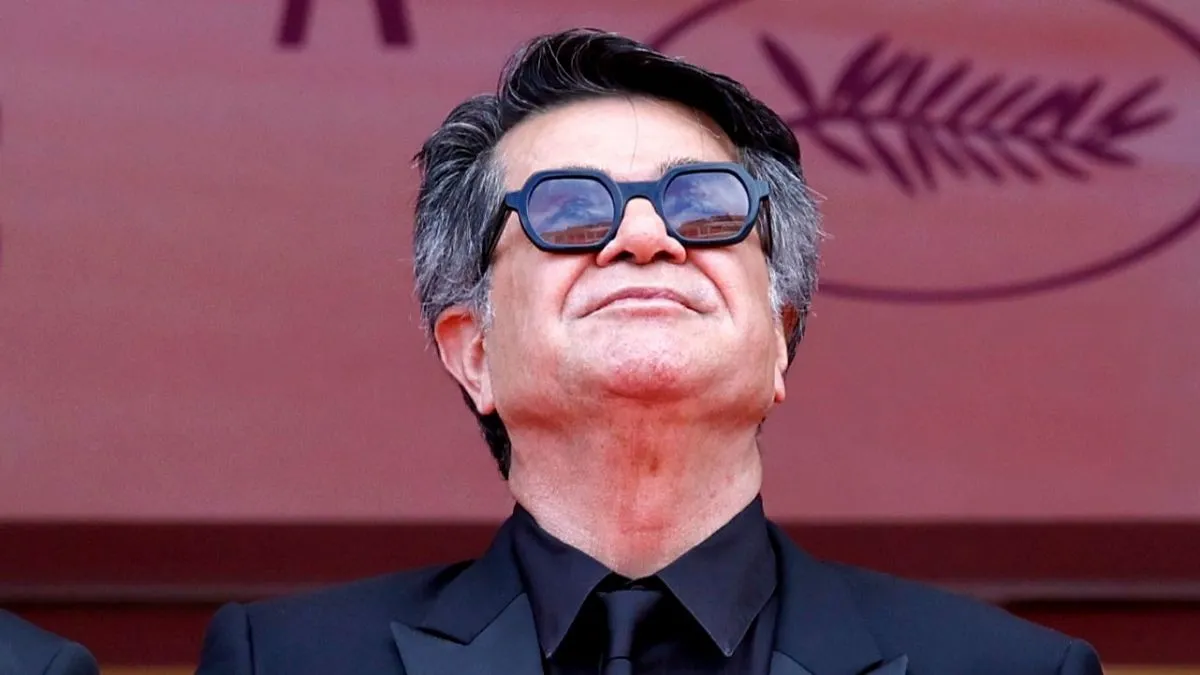

Iranian filmmaker Jafar Panahi and a group of independent directors have issued a fresh public condemnation of what they describe as escalating state violence in Iran, linking the country’s film community to a wider protest movement that has met a lethal security response. In a statement circulated as arrests and interrogations of cultural figures mount, Panahi argued that silence from artists carries moral weight, writing that “when an artist is silent, they are complicit in violence,” according to The Hollywood Reporter.
The filmmakers’ appeal arrives against the backdrop of nationwide unrest that began in late December 2025 and has been followed by mass arrests and an information squeeze that has made casualty figures hard to verify independently. Iranian state media has put the death toll at 3,117, while rights groups and foreign governments cite far higher estimates. In January, Amnesty International reported senior officials branding protesters “rioters” and pledging a “firm” crackdown.
Panahi, long targeted by Iranian authorities, has used public appearances outside Iran to press the point that repression now extends beyond street demonstrations. He has said directors have been summoned and questioned for signing statements condemning state violence, warning that judicial cases are being opened against more cinema professionals. His own legal pressure has continued: a Tehran court sentenced him in absentia to one year in prison on “propaganda” charges and imposed a travel ban, according to his lawyer.
The crackdown has also reached people tied to Panahi’s recent work. Mehdi Mahmoudian, a co-writer of Panahi’s Oscar-nominated film It Was Just an Accident, was arrested after signing a statement blaming Iran’s supreme leader and the state’s repressive structure for killings during the crackdown; he was released on bail this week after 17 days in custody, according to AP.
Speaking in Berlin on Feb. 19, Panahi urged the Berlin film festival to postpone a planned tribute, saying he did not want a celebration while Iranians were marking the 40th day of mourning for those killed. “Right now in Iran, no one asks ‘are you okay?’ because no one is okay,” he said, describing the repression as “mass slaughter.”