
















![Kingdom Hearts Collection [I-III] Review](https://gazettely.com/wp-content/uploads/2026/10/Kingdom-Hearts-Collection-I-III-1-360x180.webp "Kingdom Hearts Collection [I-III] Review: KHII Holds Steady as Newer Entries Fluctuate 37")



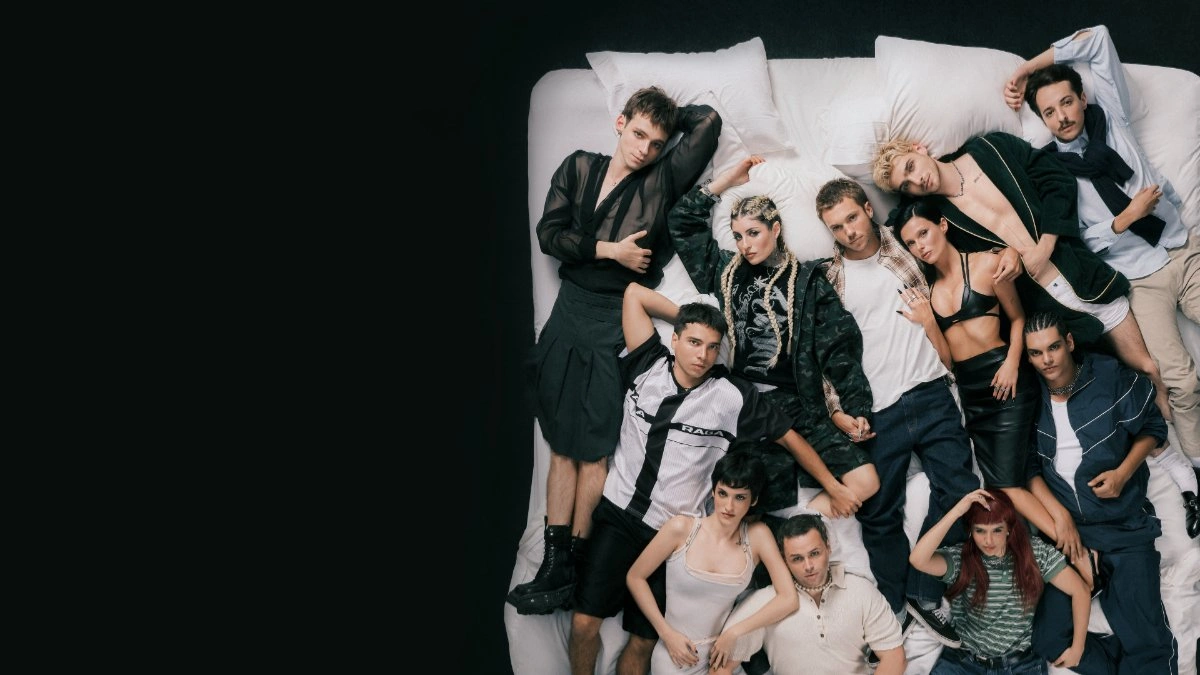

Animal Love (2026) tracks a violent meeting point between two Argentinas. Kaia is a trap artist chasing recognition while carrying the pressures of a working-class life. Nico belongs to the upper class and carries the weight of personal loss and psychiatric distress.
They meet at a high-society gathering where Kaia’s cousin Walter connects these distant social spaces. A brutal motorcycle chase sparks their bond and leads to a double homicide that changes the course of their lives. From there, the story leaves the path of conventional romance and turns into a harsh tale of survival. Modern youth culture shapes the setting through digital fame and substance use.
The material draws on the star-crossed lovers model that has circulated through world cinema, with a harsh social realism that recalls strains of Indian parallel cinema. Class division drives the film’s design from the start, giving the story a desperate pulse. Tatu Glikman and Franco Masini lead the cast and hold together its volatile movement.
Archetypes of Wealth and Working-Class Desperation
Kaia carries the hopes of a generation looking for escape through viral visibility. She cares for her former partner’s child and lives in a neighborhood marked by street slang and the threat of crime. Walter ties her to the underworld and gives the film a concrete sense of place, set against the polished spaces inhabited by the elite. Nico lives in a mansion inside a “found family” organized by Santos. Their wealth creates insulation from pain and from the city outside.
Nico’s emotional life circles around his dead brother, Román, and a past linked to Justina. Kaia and Nico connect through shared trauma, and the writing uses that pain as the basis of intimacy. That choice reflects a familiar movement in international drama, where trauma supplies emotional acceleration. The series keeps the divide between these social groups in clear view. Wealthy characters spend their time around cryptocurrency and finance, while working-class figures face unemployment and bodily danger.
Marqui and Toto bring in the local violence that pushes the leads toward reckless decisions. They function as pressure points within the city and help shape a relationship built in disorder. This treatment of class friction echoes films associated with directors such as Zoya Akhtar, where art, status, and environment shape the people on screen.
Rhythmic Protest and Visual Grime
Trap music gives the production its formal spine. It becomes Kaia’s vehicle for confession and protest. Tatu Glikman performs these moments with a force that feels rooted in local experience. The lyrics carry a distinctly urban sensibility, recalling the rhythmic storytelling found in Mumbai’s street-rap culture.
The visual design separates the film’s worlds with a grim, tactile look. Expansive and expensive interiors stress the loneliness of wealth, while cramped and shadowy spaces define the working-class sections of the city.
The darkness can make some nighttime action hard to read, yet it strengthens the mournful atmosphere. Instagram Live and social media DMs serve as key tools of communication. These details place consumer culture inside the daily habits of contemporary youth. Sex and substance use mark belonging and social entry within this world.
The production sustains a pitch of constant pressure, using abrupt changes in energy to match the instability of its lead characters. That method privileges sensation and creates a city where the signs of privilege and deprivation hit with the same force as the soundtrack. The cinematography keeps returning to distance, making the physical and mental separation between these worlds visible.
Pacing Loops and the Mechanics of Star-Crossed Survival
The series opens with strong momentum and then has trouble carrying the same narrative force across eight episodes. Midway through the season, the core conflict starts repeating itself through emotional explosions and impulsive actions. Many scenes run too long and create a feeling of drift.
Class disparity and toxic attachment remain present across the plot, yet the writing treats them mainly as engines for movement. The first shooting becomes the story’s main source of propulsion and shifts the romance into crime drama.
Kaia and Nico spend large stretches of time running from the police and from criminal revenge. That turn places weight on incident and leaves less room for inward development. The ensemble helps keep events in motion, though many supporting players serve clear structural functions. They keep the plot active without greatly expanding its emotional force.
The chemistry between Glikman and Masini carries much of the burden placed on a familiar setup. Their pairing rests on a star-crossed lovers framework that remains central to global melodrama, including Indian films where social division creates much of the tension. The show leans on that established form and uses it to lead viewers through a world shaped by instability.
Animal Love premiered on Prime Video on March 20, 2026. This Argentinian drama explores the volatile intersection of social classes through a romance between a trap artist and a wealthy young man. Viewers can currently stream all episodes of the first season on the Prime Video platform. The series was filmed across locations in Uruguay and Argentina, highlighting the gritty urban landscapes and active nightlife that define the modern Latin American music scene.
Where to Watch Animal Love Online


Full Credits
Title: Animal Love
Distributor: Prime Video
Release date: March 20, 2026
Rating: TV-MA
Running time: 42 minutes
Director: Paula Hernández, Pablo Fendrik, Guillermo Rocamora
Writers: Silvina Frejdkes, Alejandro Quesada
Producers and Executive Producers: Sebastián Ortega, Pablo Cullel
Cast: Franco Masini, Tatu Glikman, Valentina Zenere, Santiago Achaga, Olivia Nuss, Toto Rovito, Inés Estévez, Antonio Birabent, Juan Sorini, Evitta Luna
Composer: Tatu Glikman
The Review
Animal Love
Animal Love captures the friction between Buenos Aires' elite and its underground music scene with atmospheric aggression. Tatu Glikman anchors the production with rhythmic conviction. The plot often cycles through repetitive trauma and predictable tropes. It provides a stylistic look at urban desperation but lacks the structural weight to provide a deep analysis of its social themes. The series functions as a surface level crime drama that prioritizes immediate impact.
PROS
- Authentic representation of the local trap music scene.
- Strong lead performance by Tatu Glikman.
- Effective use of gritty, neon-soaked aesthetics.
- High energy in the opening episodes.
CONS
- Repetitive narrative loops in the middle section.
- Inconsistent lighting in indoor scenes.
- Lack of emotional development in the central relationship.
- Reliance on familiar social archetypes.