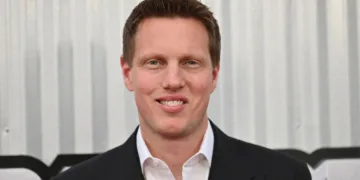






















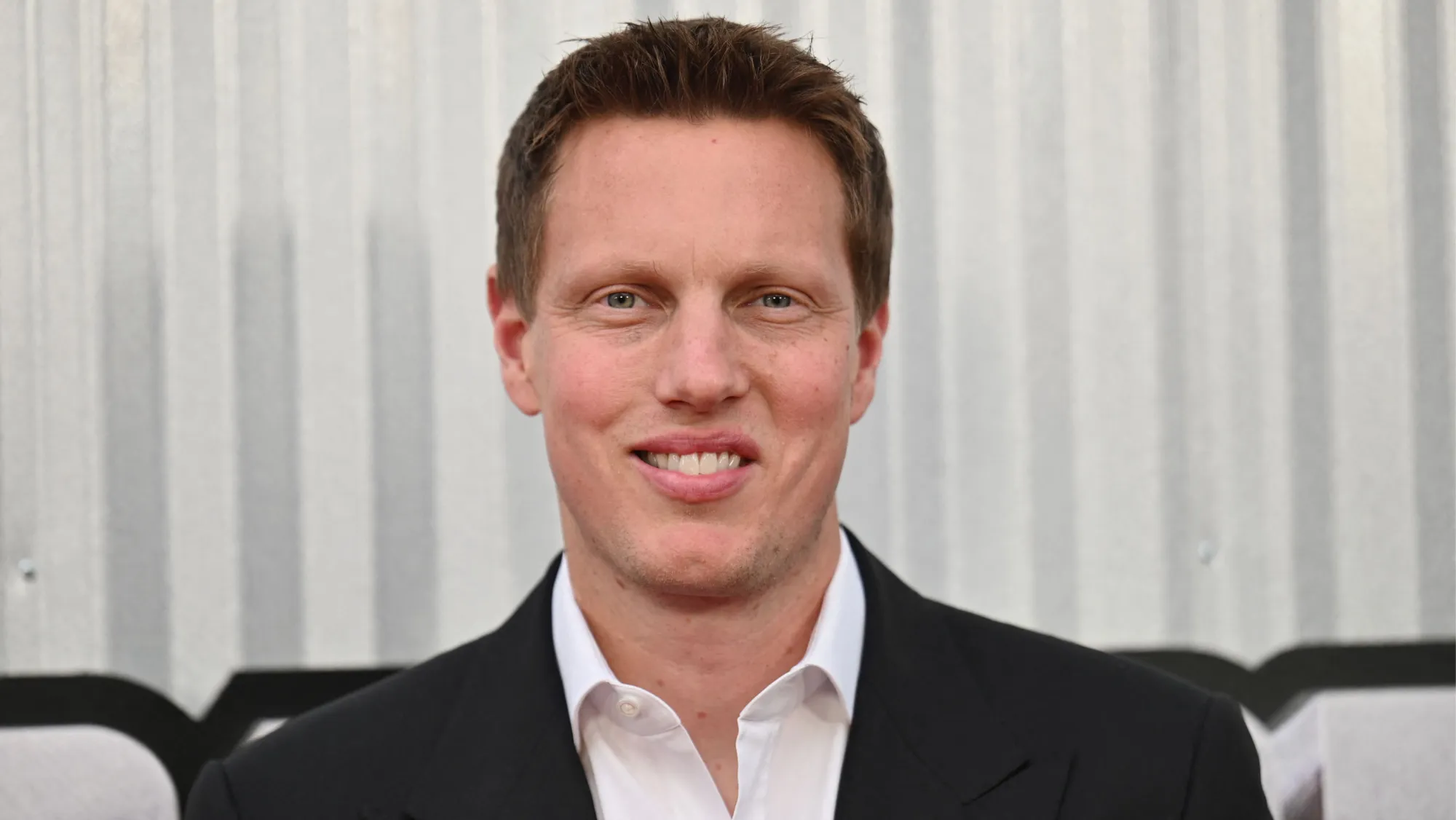

David Ellison stood before a ballroom full of movie theater owners in Las Vegas on Thursday and made a direct personal appeal. “I wanted to look every single one of you in the eye and give you my word,” the Paramount Skydance chief executive told the crowd at CinemaCon, pledging to release at least 30 films a year from a combined Paramount and Warner Bros. Discovery and committing to a 45-day exclusive theatrical window, effective immediately.
The surprise appearance — Ellison had skipped a Senate antitrust hearing in Washington just one day earlier — came at a critical moment for both the executive and the industry. His company’s pending $111 billion acquisition of Warner Bros. Discovery has generated anxiety across Hollywood and the exhibition world. Theater owners, already wary after years of studios shrinking their films’ theatrical runs, were a skeptical audience. Ellison chose to address them head-on.
Ellison told the conference that Paramount has already proved its willingness to increase output, scheduling 15 films for 2026, up from just eight in 2025. After the 45-day exclusive theatrical window, films would then move to streaming platforms within 90 days. The theatrical window has been a raw nerve in the industry since some studios cut it to as little as 17 days during the pandemic. Jeff Shell, Paramount’s president, had previously pushed for a 17-day window himself during his time leading NBCUniversal.
Paramount has argued internally that the Warner deal positions it to compete with larger streaming rivals and gives it access to a vast content library that includes Harry Potter, Superman, and Barbie. The merger still faces significant regulatory hurdles. A shareholder vote is expected later this month, and the U.S. Justice Department has yet to complete its review of the deal.
The political backdrop was charged. The day before Ellison’s CinemaCon speech, Democratic Sen. Cory Booker convened a spotlight hearing in Washington examining the anticompetitive risks of merging two of Hollywood’s big five studios. Ellison had been invited to testify, but a Paramount executive told Booker the CEO could not attend because he was at a family funeral. The timing drew scrutiny after a report surfaced that Ellison had hosted a dinner in Washington that same evening. Booker said the invitation remained open and called on Ellison to “do the right thing and come before Congress.”
Critics at the hearing were pointed. Actor Mark Ruffalo, among the merger’s most vocal opponents, warned that tens of thousands of workers would suffer financially, along with the audiences they serve. Filmmaker David Borenstein raised concerns that further consolidation would narrow the range of stories reaching audiences.
James Cameron offered a contrasting view, calling Ellison a natural-born storyteller who genuinely cares about movies and saying he was unbothered by the prospect of one executive overseeing two major studios. A short film celebrating Paramount’s history, directed by Jon M. Chu and narrated by Tom Cruise, opened Ellison’s CinemaCon presentation — a signal that the new studio boss understands the power of spectacle, even when the stakes are regulatory.