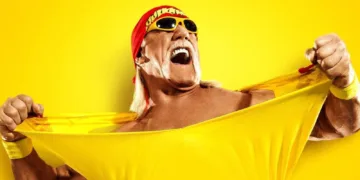


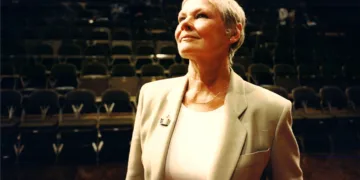



















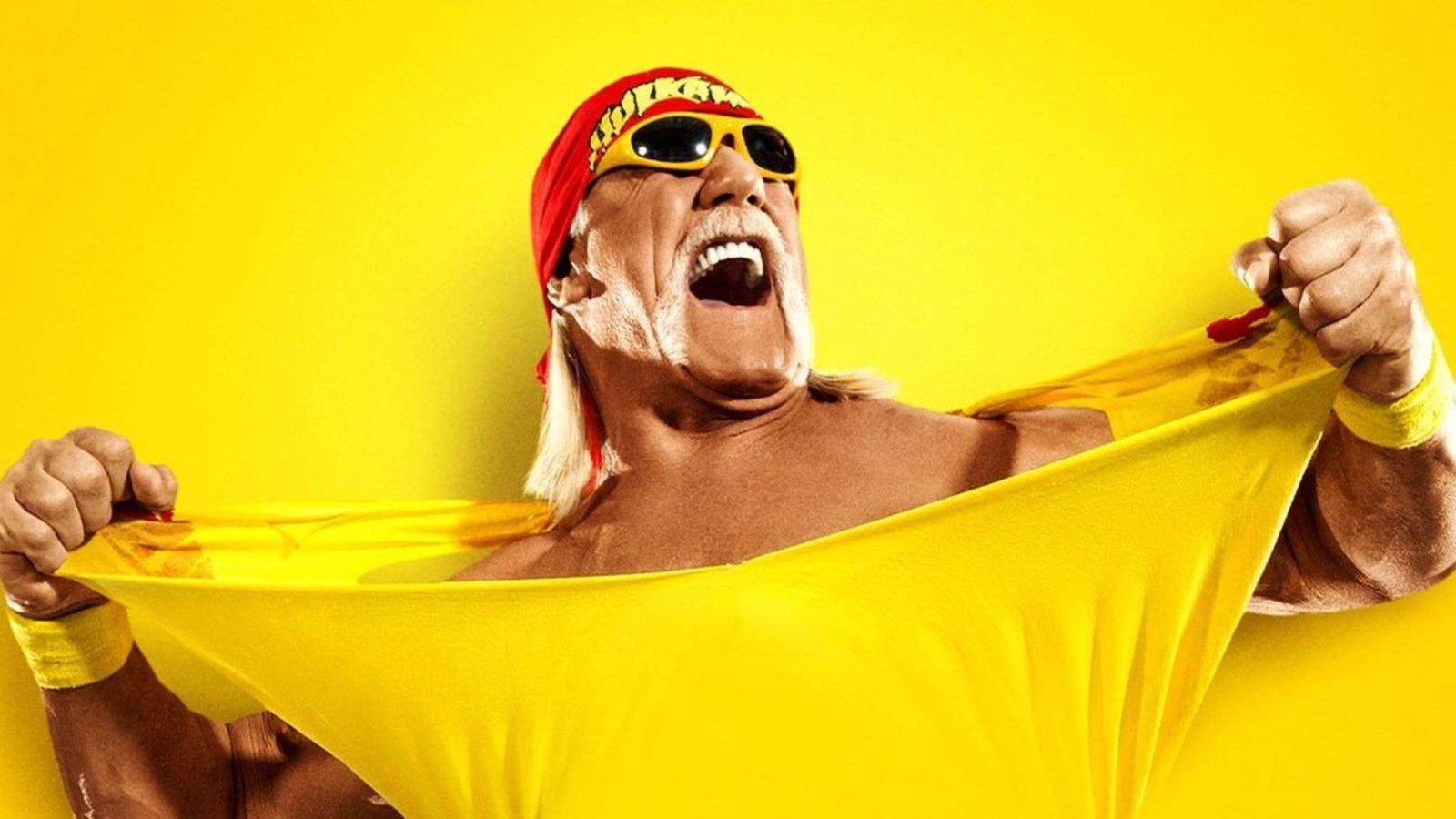

Netflix’s Hulk Hogan: Real American arrives as a four-part study of the man who defined an industry. Directed by Bryan Storkel, the series works to strip away the layers surrounding Terry Bollea. The project carries a sense of finality, built in part from interviews filmed shortly before his death in July 2025.
Produced with WWE Entertainment and bearing a producer credit for Paul “Triple H” Levesque, the series fixes its attention on the tension between the towering wrestling icon and the person beneath the image. It moves across Bollea’s full life, beginning with his childhood in Florida, following his rise in the 1980s, tracing his move to rival promotions, and confronting the scandals that marked his later years.
The material catches his last reflections on a legacy that helped shape pop culture across the world. The question hanging over the series is simple and uneasy: did Terry Bollea ever exist apart from the yellow tights? What emerges is a portrait of a career that changed the scale of celebrity itself.
From Hulkamania to the Heel Turn
The series adopts a chronological four-episode structure to chart a life that rarely sits still. Part one covers Bollea’s early years, with attention paid to a difficult relationship with his father and his first steps in the AWA. Part two moves into the 1980s boom, the peak of Hulkamania in WWE, and lays out his key role in turning WrestleMania into a global attraction. He becomes the face of the sport during this stretch, and the show treats that transformation with the awe such a machine usually demands.
The third episode heads into the 1990s and tracks his jump to WCW, along with the creation of the villainous nWo version of Hogan. It also folds in his 2002 return to WWE at WrestleMania 18, a beat the series presents as part comeback, part self-renewal. The final episode turns to life after the ring. It touches on the Hogan Knows Best years and his divorce from Linda Hogan, then moves into the darker material surrounding his downfall. The Gawker sex tape trial and the racial slur controversy both appear, each tied to his removal from WWE.
The series also gives space to his late political turn, with his support for Donald Trump placed front and center. That link feeds into the hostile response he received at his final WWE appearance in early 2025. By the close, the series shifts to the immediate aftermath of his death and the grief felt across the wrestling fraternity he helped build. The pacing here has a clear tabloid pull, moving from triumph to collapse with the rhythm of an empire story. It keeps the episodes watchable, though it can make whole eras feel like they pass in a single burst of entrance music and public shame.
The Circle of Truth and Grievance
Storkel builds the series around a carefully chosen group of voices, each one adding shape to Bollea’s orbit. Linda Hogan speaks about their years together and the collapse of the marriage. Nick Hogan reflects on his father in a domestic setting, which gives the show some of its few glimpses of ordinary family life.
Brooke Hogan does not appear in new footage, and her role is confined to archival material drawn from the family’s television years. That absence has its own force. In a series concerned with presence and performance, a missing voice can say plenty.
Figures from wrestling fill out the rest of the canvas. Bret Hart brings a sharp assessment of Hogan’s ego. Jimmy Hart, Ted DiBiase, and Cody Rhodes offer familiar thoughts on his influence. Triple H stands in for the corporate perspective, speaking about the business engine behind Hogan’s fame and the logic behind his firing.
Vince McMahon hovers over the documentary without ever fully entering it. He is heard through old audio recordings, never through a fresh interview. For a figure so tied to Hogan’s life, that gap matters. The show feels it, and so does the audience.
Then there is Werner Herzog, whose presence lands like a curveball thrown from another sport. He offers a philosophical riff on truth, performance, and the slipperiness built into pro wrestling. Donald Trump also appears, discussing his long friendship with Hogan.
Put together, this lineup creates a portrait of a man ringed by fans, critics, business partners, and fellow mythmakers. The talking-head format is familiar television grammar, yet the mix of voices gives it a strange charge. One minute it plays like a wrestling memoir, the next like an argument over who gets to author a public life.
The Cyborg Toll and the Living Gimmick
The production gains much of its emotional force from its use of private home movies. Those intimate images sit against the loud, brightly lit archival footage of Hogan performing for stadium crowds, and the contrast sharpens the show’s central ideas without needing to overstate them.
One recurring thread is the physical toll of the career. Photos of surgeries to his back and tailbone are hard to shake. He appears almost mechanical, covered in opened flesh and exposed metal. The image is blunt and ugly, and it lands. Years of dropping that leg had a bill attached.
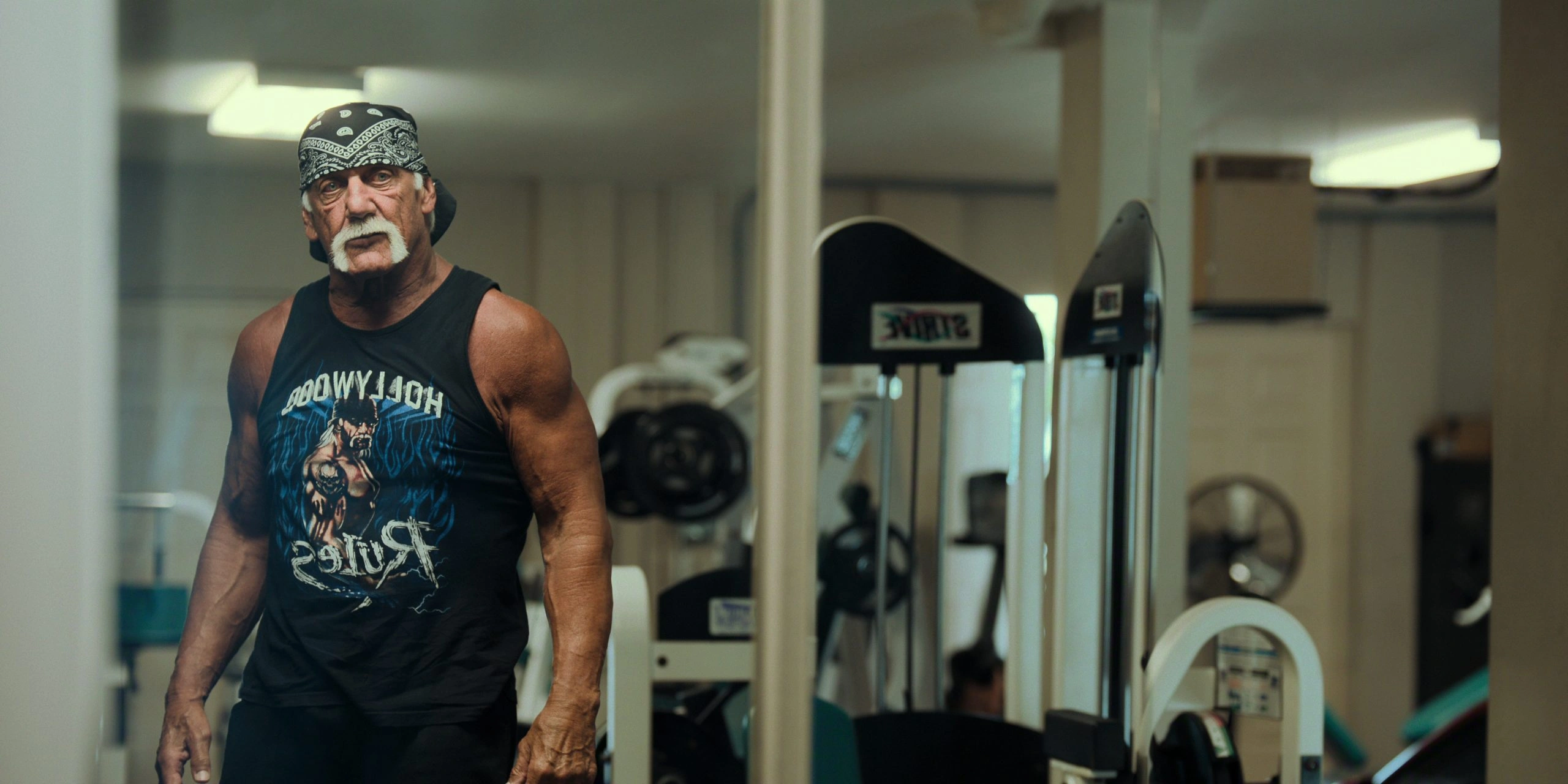
The documentary keeps returning to the idea of living the gimmick. Bollea seems to have been swallowed by Hogan, or at least trapped in permanent negotiation with him. In the interviews, he still carries that high-voltage energy, though his body looks diminished.
He speaks about the career with pride, filtered through a few technical regrets. Those moments are among the show’s most revealing, because the performance never fully switches off. Even near the end, he still sounds like a man cutting one last promo to history.
The series does smooth over some material. The legal fight with Marvel over his name gets brief treatment. The details surrounding his racial slurs are handled lightly. Some viewers may find that treatment too gentle, especially in a documentary that claims to strip things down to the bone. The final stretch settles into reverence, culminating in the wrestling world giving its fallen giant a ten-bell salute.
That choice gives the closing scenes emotional heft, though it also locks the documentary into tribute mode just as the harder questions grow loudest. The show presents a man who became a national symbol and never found a clean exit from the role. By the end, one question keeps rattling around the ropes: was there ever room for Terry Bollea once Hulk Hogan had taken over?
Hulk Hogan: Real American premiered on Netflix on April 22, 2026, serving as a definitive, four-part retrospective on the life and career of Terry Bollea. Released less than a year after his passing in July 2025, the docuseries is built around a series of intimate, final interviews recorded just months before his death. The project explores the meteoric rise of “Hulkamania,” his transition into the “Hollywood” Hogan persona, and the various legal and personal controversies that defined his later years. Viewers can stream the entire series exclusively on Netflix, where it provides an unfiltered look at the man behind the most recognizable character in professional wrestling history.
Where to Watch Hulk Hogan: Real American Online


Full Credits
Title: Hulk Hogan: Real American
Distributor: Netflix
Release date: April 22, 2026
Rating: TV-MA
Running time: 4 episodes, approximately 60 minutes each
Director: Bryan Storkel
Writers: Bryan Storkel
Producers and Executive Producers: Bryan Storkel, Amy Bandlien Storkel, Libby Geist, Connor Schell, Aaron Cohen, Paul Levesque, Lee Fitting, Ben Houser, Marc Pomarico, Nick Eisenberg
Cast: Terry Bollea, Linda Hogan, Nick Hogan, Bret Hart, Jimmy Hart, Cody Rhodes, Paul Levesque, Donald Trump, Werner Herzog, Kevin Nash, Eric Bischoff, Jeremy Borash
Director of Photography (Cinematographer): Rasa Acharya Partin
Editors: Eric Barchie, Forrest Borie, Weston Currie, Jody McVeigh-Schultz, Evan Vetter, Brian Lazarte, Victoria Lesiw, Abhay Sofsky
Composer: Michael James Lee
The Review
Hulk Hogan: Real American
Hulk Hogan: Real American functions as a polished wake for a complicated icon. It provides rare access to Bollea’s final days while avoiding the sharpest edges of his history. The series struggles to separate the man from the myth because the subject himself refused to do so. It feels like a corporate celebration rather than an autopsy of fame. Wrestling fans will value the nostalgia. Seekers of raw truth might find the finish a bit too thick.
PROS
- Rare access to Bollea’s final recorded interviews before his passing.
- Philosophical commentary from Werner Herzog regarding the nature of truth in wrestling.
- Extensive private home movies provide a glimpse into his life away from the cameras.
- Honest documentation of the physical damage caused by decades in the ring.
CONS
- Superficial treatment of the racial slur scandal and the Gawker trial.
- Heavy corporate influence from WWE producers limits the critical scope.
- Notable absence of fresh interviews from Vince McMahon and Brooke Hogan.
- A reverent tone that occasionally feels like damage control.