

























Etrange Overlord opens with the sharp fall of a guillotine blade. Etrange von Rosenburg, a seventeen-year-old noble falsely accused of regicide, meets an abrupt end at Madame Guillotine’s hands. Most souls would greet such a fate with despair, yet Etrange arrives in the underworld entirely unfazed.
Her absolute lack of guilt acts as a supernatural shield, rendering the traditional tortures of Hell as minor inconveniences. She views her damnation as a logistical error and sets about reshaping the afterlife into a personal sanctuary.
This is a quirky power fantasy where the goal is a “happy life” filled with high-quality tea and elaborate desserts. Etrange herself is a refreshing protagonist, embodying the aristocratic villainess archetype with a self-centered confidence that makes her rise to power feel like an inevitable promotion.
Developed through a collaboration between Gemdrops and SuperNiche, the game carries the DNA of legendary creator Sohei Niikawa. Character designs by Shinichiro Otsuka cement this identity, presenting a cast that looks as if they stepped directly out of a high-end anime production.
Rhythms of Infernal Combat
The gameplay marks a significant departure from the grid-based strategy often associated with Niikawa. Combat is a frenetic, real-time affair where players manage a party of four characters. You control one lead hero while the other three act autonomously, with instant swapping available to adapt to shifting battlefield needs.
The core mechanics are intentionally accessible, built around a loop of basic strikes, special attacks, and a vital dash button for evasion. True complexity emerges from the Lane System. These curving musical tracks flow through every arena, functioning as high-speed conveyor belts for tactical power-ups. Players must position themselves to intercept falling icons such as attack boosts, defensive shields, and health-restoring cakes.
This system transforms the battlefield into a dynamic puzzle. In certain stages, lanes deliver specific tools required to progress, including electric bolts to jumpstart dormant machinery or bombs to lob at stubborn bosses. Gimmicks keep the action fresh. One mission might require holding a capture zone against waves of demons, while another places you in an electrified wrestling ring where the items you need only move when you stand on specific floor switches.
Management of a Macaron Monarchy
Between these chaotic skirmishes, play revolves around the Macaron, a specialized ship serving as Etrange’s mobile headquarters. The world map presents missions as looming towers that players can explore on foot or by vehicle as they expand their infernal influence. Progression ties to the Happy Life Level.

By completing primary objectives and hidden sub-tasks, players raise this metric to unlock better shop inventory and character upgrades. The Macaron provides facilities to enhance weapon levels and customize the effectiveness of items appearing in combat lanes. Preparation is also culinary: the maid Sweetia can prepare specific dishes granting passive statistical buffs lasting through the next fight.
Players who enjoy long-term planning will find the dispatch system valuable, allowing idle vassals to be sent into previously conquered regions. These allies gather rare crafting materials and occasionally quell small-scale rebellions, ensuring military strength grows even during periods focused on the main narrative. This loop effectively links small-scale combat successes to the broader goal of building a stable, dessert-filled empire.
Theatricality and Thematic Depth
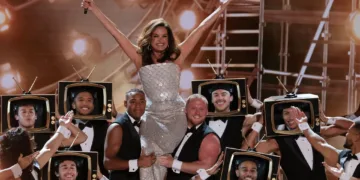
Etrange Overlord bills itself as a musical adventure and uses this element with surprising restraint. Plot milestones often shift into theatrical interludes where the world fades to reveal a spotlight and choreographed dance numbers. These sequences are expository in function and appear selectively, contributing operatic charm to the storytelling.

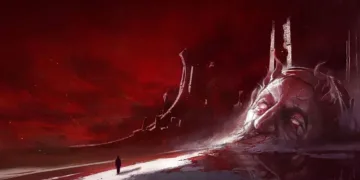
The visual presentation carries an internal tension: the chibi-style 3D character models are expressive and full of life, yet backgrounds frequently consist of barren, repetitive desert landscapes. This technical simplicity is balanced by a narrative tone that manages to be both absurd and thoughtful. The cast is a collection of eccentric characters, including a version of Cerberus rendered as three dessert-obsessed catgirls.
Beneath the jokes about spicy food and aristocratic entitlement, the writing explores serious themes of self-determination. It critiques the idea of a pre-determined fate and questions the nature of divine judgment. These deeper threads are reinforced through side stories and vignettes functioning like character skits, allowing players to witness the personal growth of demon vassals as they find their place in Etrange’s new world order.
The Review
Etrange Overlord
Etrange Overlord is a vibrant, experimental departure from genre norms. It succeeds through a charismatic protagonist and a creative combat system that prioritizes momentum over complexity. While the environmental detail and mechanical depth feel thin compared to its peers, the sharp writing and addictive loop of the Lane System provide a cohesive experience. It is a focused power fantasy that balances absurd humor with a genuine heart.
PROS
- Engaging and unconventional protagonist
- Innovative Lane System adds tactical variety to combat
- Fast-paced, snappy game progression
- Charismatic character designs and witty dialogue
CONS
- Environments lack visual variety and detail
- Basic combat controls can feel repetitive
- Musical elements are too infrequent