

























![Kingdom Hearts Collection [I-III] Review](https://gazettely.com/wp-content/uploads/2026/10/Kingdom-Hearts-Collection-I-III-1-360x180.webp "Kingdom Hearts Collection [I-III] Review: KHII Holds Steady as Newer Entries Fluctuate 37")



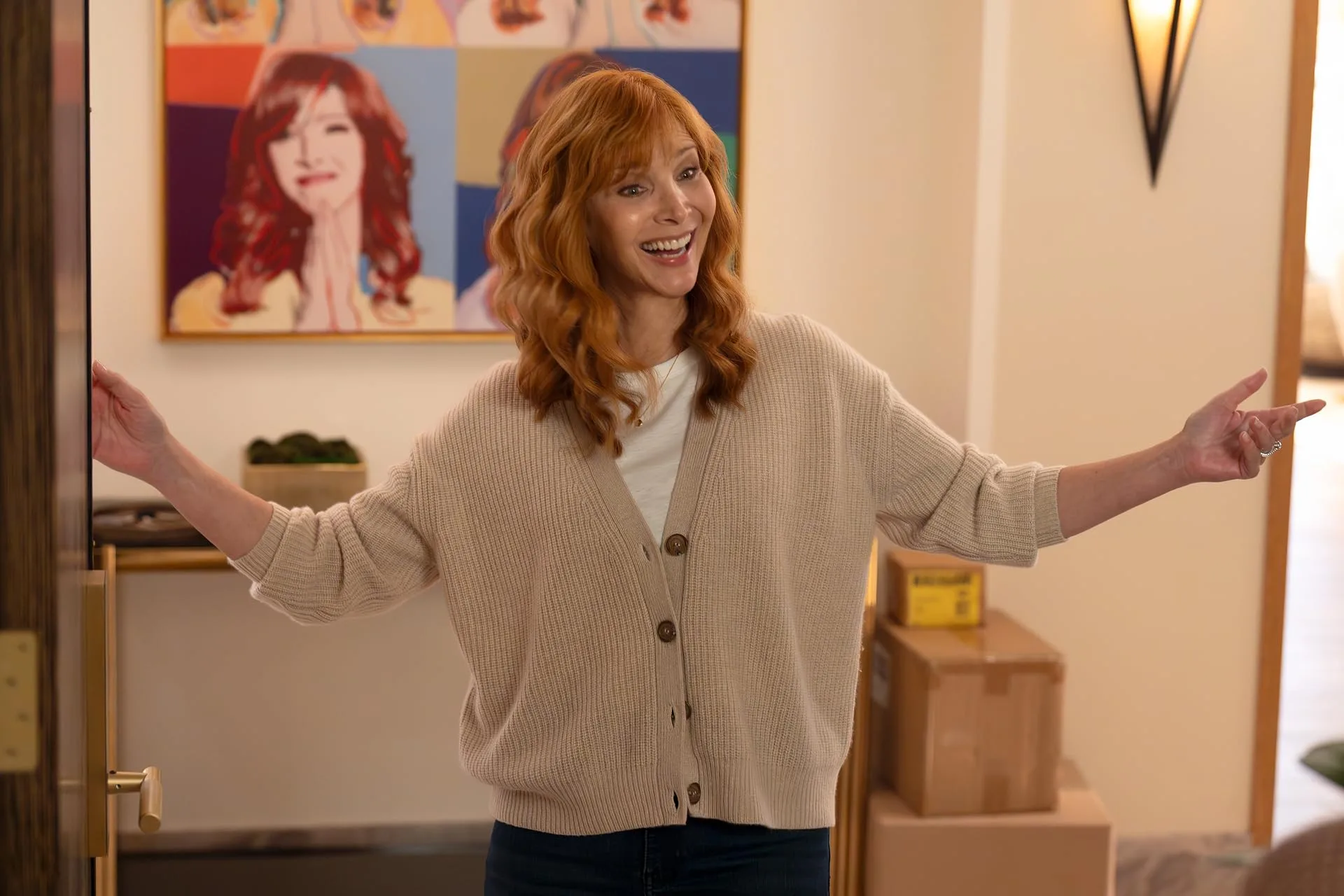

There are very few television series that return after a decade-long absence and feel more essential than they did before. The Comeback manages it twice. Created by Lisa Kudrow and Michael Patrick King, the HBO mockumentary first arrived in 2005, quietly satirizing the reality TV boom it was already predicting. It returned in 2014, sharper and stranger, and now completes its run with a third and final season set in a Hollywood that has never looked more precarious.
The throughline across all three seasons is Valerie Cherish, the aging sitcom star Kudrow plays with surgical precision. The format has shifted around her, the industry has convulsed, and the late Robert Michael Morris, who played her devoted hairdresser Mickey, is gone. Season 3 acknowledges all of it without flinching. Valerie, pushing 60, re-enters the business through a new multi-cam sitcom called “How’s That?” with a secret that would make any WGA member’s blood pressure spike: its scripts are generated by artificial intelligence. The show is funny, bittersweet, and at times genuinely alarming. Welcome back.
Two Decades of “You Know”
In 2005, Valerie Cherish was a woman convinced she still had a seat at the table, despite every piece of evidence suggesting otherwise. She was desperate, deluded, and oddly endearing for it. Season 1 placed her inside the early reality TV machine, fighting for dignity on the set of a cheap sitcom called Room and Bored while a documentary crew captured every excruciating inch of the struggle.
By 2014, the world had caught up to Valerie in the worst possible way. Reality TV had become ubiquitous, which meant her edge was gone. Season 2 found her scraping for relevance in a prestige TV landscape, eventually starring in an HBO dramedy loosely based on her own humiliations. She nearly lost her marriage and her closest friend in the process. The finale, in which she races from the Emmy ceremony to Mickey’s hospital bed and wins the award from a room that finally sees her, remains one of the finest closing scenes in modern television.
Season 3 opens with a brief 2023 detour: Valerie on Broadway, cast as Roxie Hart in a Chicago revival she took primarily because the WGA strike had shuttered everything else. Theater people, it turns out, deliver criticism without the performative warmth she has spent decades cultivating in Hollywood. She retreats. Television is where Valerie belongs, and television is where she returns.
What changes this time is authority. For the first time, Valerie holds genuine executive producer power on “How’s That?”, and she uses it with a seriousness that would have been unrecognizable in earlier seasons. She manages cast tensions, fights for her crew, and delivers pep talks that land because she means them. Her old self-interest has not disappeared, but it now shares space with something that looks a great deal like leadership. Watching Valerie grow into the role she has always believed she deserved is, quietly, the most satisfying arc the series has produced.
The Algorithm Has Notes
NuNet is the kind of TV network that could only exist in 2026: a streaming platform that failed, relaunched on a fraction of its original budget, and is now pitching itself as a home for old-school, multi-cam comfort viewing. The pitch to Valerie is that “what’s old is new again.” The catch, discovered with dawning horror before she decides it might be fine actually, is that “How’s That?” is primarily written by an AI the network calls AL.
Andrew Scott plays NuNet’s CEO with the cheerful vacancy of a man who stopped worrying some time ago. He is perfectly cast, offering just enough charm to make you understand why Valerie signs the contract before the full implications settle. He is the season’s most efficient villain because he does not think of himself as one.
The satire around AL is sharp without tipping into lecture. The AI produces serviceable television, and that is exactly the problem. One script deposits Valerie’s character in prison alongside a video game protagonist. Another recycles a joke already old on Mama’s Family. The comedy of AL’s errors lands well, but the more unsettling observation is that its successes are good enough for nobody to complain, which is precisely the condition that allows it to persist. The writers installed as human fronts, Josh and Mary, are themselves compromised: Mary treats the project as a passive income vehicle, Josh protects his remaining jokes with siege-level stubbornness, and neither is particularly invested in the show being good.
Meanwhile, Hollywood around them is in freefall. Jane the documentary filmmaker is working at Trader Joe’s. A veteran casting director all but begs Valerie for work at dinner. The AI storyline is the diagnosis, and Jimmy Burrows, playing himself with characteristic authority, delivers the show’s clearest argument: only human experience, with all its mess and contradiction, produces comedy that connects people to something real. The season resists the urge to moralize, trusting its audience to locate the gap between what AL generates and what “How’s That?” could have been, and finding its real subject in that gap.
Steady Cam, Unsteady Ground
The Comeback built its identity on visual scrappiness. Season 1 ran with a “raw footage” notice ahead of every episode and a camera that moved like it was trying not to be noticed. The aesthetic was committed and entirely appropriate for a show about someone who could never escape being watched.
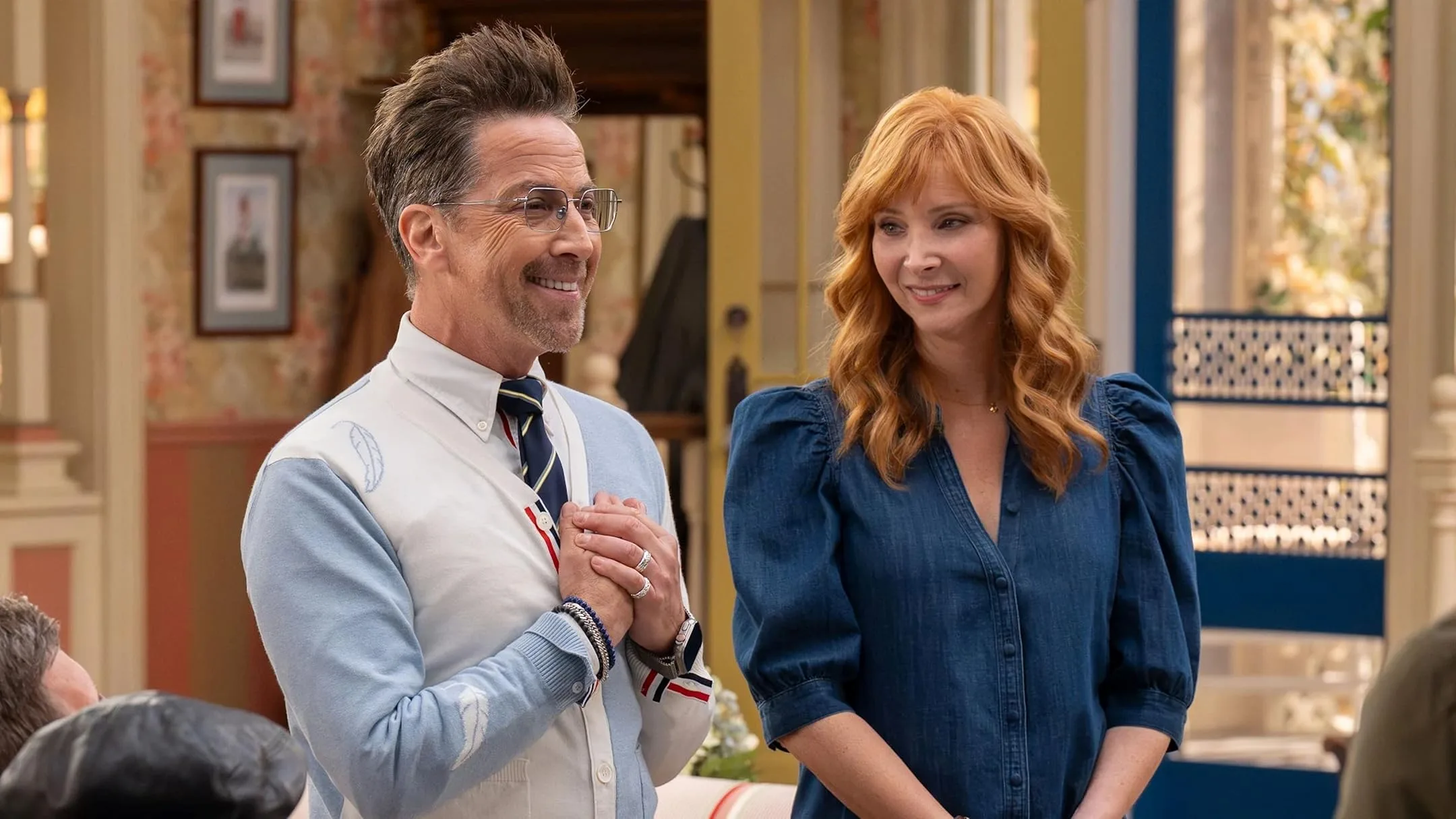
Season 2 loosened the formula without abandoning it, and its finale achieved something genuinely moving by dropping the mockumentary format for its closing scene. Valerie, alone with Mickey and Mark in a hospital room, observed through a static single-camera lens. The break from form had earned its weight.
Season 3 takes a different approach. The found footage and single-camera modes now coexist throughout the season, toggling as the story requires. The logic is sound: Patience, Valerie’s social media manager played by Ella Stiller with an ideal Gen-Z blankness, provides a plausible smartphone-era evolution of the documentary conceit, and freeing the show from full mockumentary constraints allows it to go more places.
The trade-off is real. The in-universe justification for a documentary crew following a middle-aged sitcom actress grows harder to sustain, and mid-scene format switches occasionally read as convenience rather than intention. The show’s glossy high-definition look also does not suit a series that spent its best years in visual discomfort.
The ensemble carries the season well regardless. Scott is a quiet joy in his studied blankness. Bradley Whitford lands the season’s bleakest line with the flat delivery of a man who has simply accepted his circumstances. James Burrows, playing himself, provides warmth and moral weight without overplaying either quality. John Early and Abbi Jacobson make their compromised showrunner roles count. Stiller’s Patience has comedic room the season does not fully use. Dan Bucatinsky’s Billy occupies a space Mickey once filled with effortless heart, and the difference is felt.
The Industry Caught Up to Her
The season’s most pointed observation arrives through accumulation. One by one, the people around Valerie who once regarded her scrambling with mild condescension find themselves scrambling in exactly the same way. Jane shoots footage because she needs the work. Mark does a reality show. A casting director with serious credits intercepts Valerie at dinner with the barely concealed desperation of someone drowning in slow motion. Billy commissions his own project to compete for visibility.
Having a sense of shame, the season suggests, has become a luxury the industry can no longer afford. Valerie never had that luxury, which means she has been training for this moment for two decades.
This is where the show’s affection for the multi-cam format becomes significant. “How’s That?” is generic, unambitious television, and the series does not pretend otherwise. The argument is that there is something worth protecting in the act of making it: writers, directors, actors, and crew in a shared space with a shared purpose. The Warner Bros. lot, visible throughout, carries that argument without stating it aloud. You can feel what is at stake in every shot of that place.
Mickey’s absence is handled without sentimentality. Robert Michael Morris died in 2017, and the show acknowledges his loss through a detail of quiet grace: two photos on Valerie’s dressing room table, Mickey and Lucille Ball side by side. Two people who understood something about making an audience feel seen. Billy cannot replicate what Mickey gave Valerie, and the show does not ask him to. The gap is intentional, and it reads correctly.
Valerie’s arc ends with a happy ending the season has spent considerable time earning the right to offer. The show is clear-eyed about Hollywood’s trajectory. The ending is a fantasy, and the series knows it is a fantasy. That self-awareness is what makes it land.
The Performance of a Career
Kudrow has played Valerie Cherish for over 20 years, and Season 3 makes clear this version of her could only exist now. The forced smile, the verbal tics, the micro-expressions of suppressed panic before composure reasserts itself: all of it has deepened with time, acquiring texture that earlier seasons could not have produced.
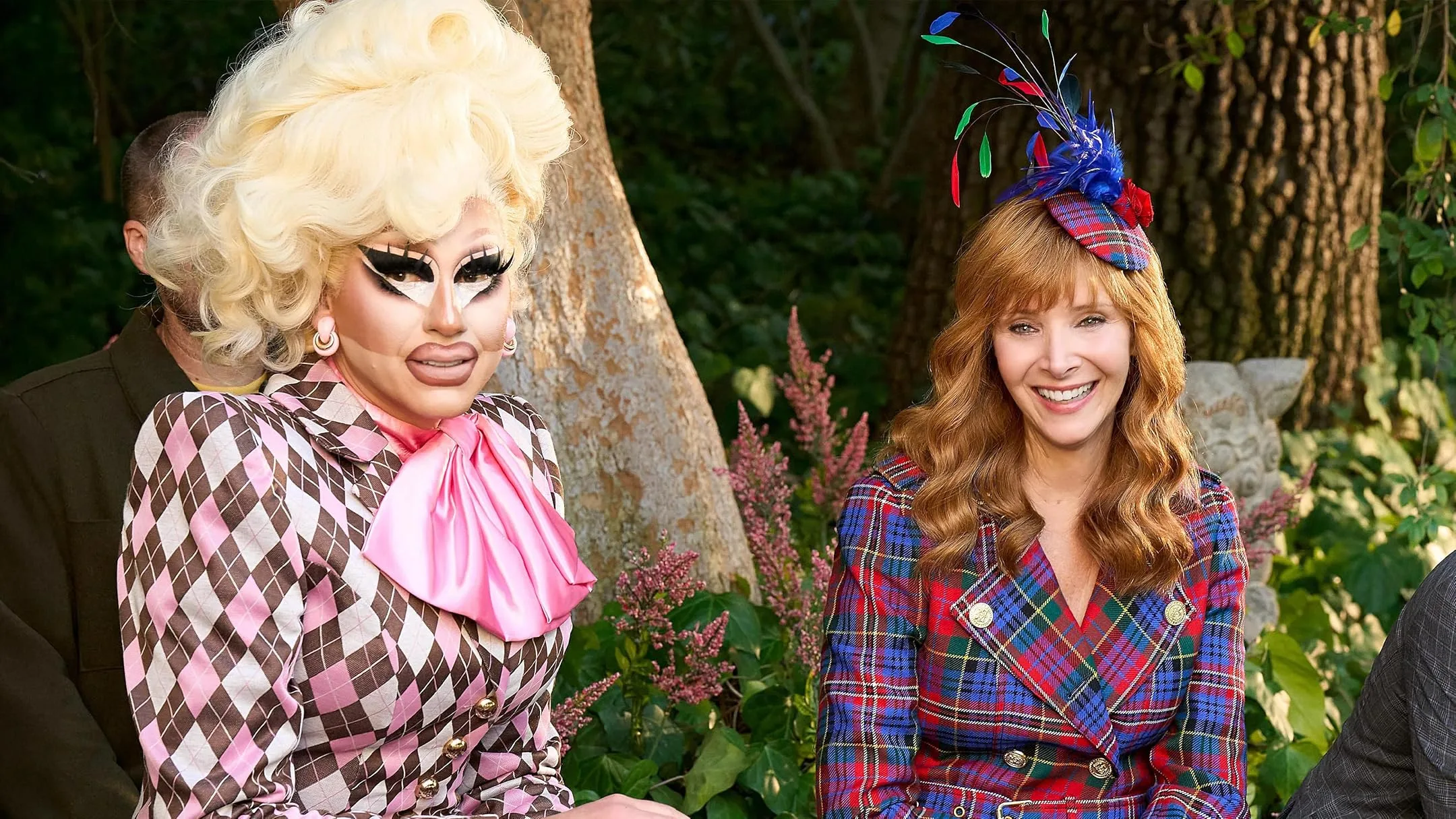
Her greatest technical skill is what she withholds. Kudrow shows Valerie thinking without announcing the thought, processes a setback in the space between words, and carries on. The most interesting moments are consistently the quietest.
The physical comedy remains sharp. A set piece in Episode 4, with Valerie commandeering a golf cart across the Warner Bros. lot while Doechii’s “Anxiety” plays, is among the series’ funniest sequences, landing because Kudrow plays it with the full seriousness of someone who believes the situation genuinely calls for a golf cart.
Season 3 asks her to play a character who has grown without erasing the edges that made Valerie worth watching. The self-involvement is still there. So is the hunger. What’s different is how easily she now holds the room. The open question is if that ease was always latent in Valerie, or if it simply took the world falling apart to finally make space for it.
The Comeback returned for its third and final season on March 22, 2026, on HBO and is available for streaming on Max. This season concludes the meta-narrative of Valerie Cherish, an actress navigating the complexities of the modern entertainment industry. The final eight episodes follow Valerie as she attempts to stay relevant in an era dominated by streaming and artificial intelligence, airing weekly until the series finale on May 10, 2026.
Where to Watch The Comeback Season 3 Online







Full Credits
Title: The Comeback Season 3
Distributor: HBO, Max
Release date: March 22, 2026
Rating: TV-MA
Running time: 30 minutes
Director: Michael Patrick King, Greg Mottola, John Riggi
Writers: Michael Patrick King, Lisa Kudrow, Mike Schur, Amy B. Harris, John Riggi, Linda Wallem
Producers and Executive Producers: Michael Patrick King, Lisa Kudrow, Dan Bucatinsky, John Melfi
Cast: Lisa Kudrow, Damian Young, Laura Silverman, Robert Michael Morris, Malin Akerman, Lance Barber, Dan Bucatinsky, Robert Bagnell
Director of Photography (Cinematographer): Nancy Schreiber, Adrian Peng Correia
Editors: Michael Berenbaum, David Rogers
Composer: Rick Wentworth
The Review
The Comeback Season 3
Season 3 of The Comeback is a triumph of timing, craft, and accumulated trust between creator and character. Lisa Kudrow and Michael Patrick King deliver a finale that honors Valerie Cherish's full arc without softening what made her worth watching in the first place. The AI storyline gives the series genuine cultural weight, and the performances across the board are razor-sharp. A few format inconsistencies and some underused supporting players hold it just short of perfection.
PROS
- Kudrow's performance is the best of her career
- The AI satire is sharp, timely, and genuinely funny
- Valerie's character growth feels earned across three seasons
- The ensemble guest cast is exceptionally well chosen
- Mickey's absence is handled with real grace
- The show balances comedy and pathos without forcing either
CONS
- The mockumentary format feels inconsistently justified in Season 3
- Ella Stiller's Patience is underutilized given her comedic potential
- The high-definition visual polish works against the show's scrappy DNA
- Billy never fills the emotional space Mickey occupied







