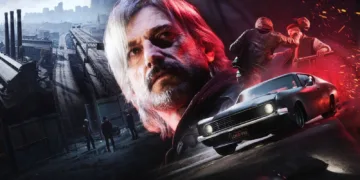



























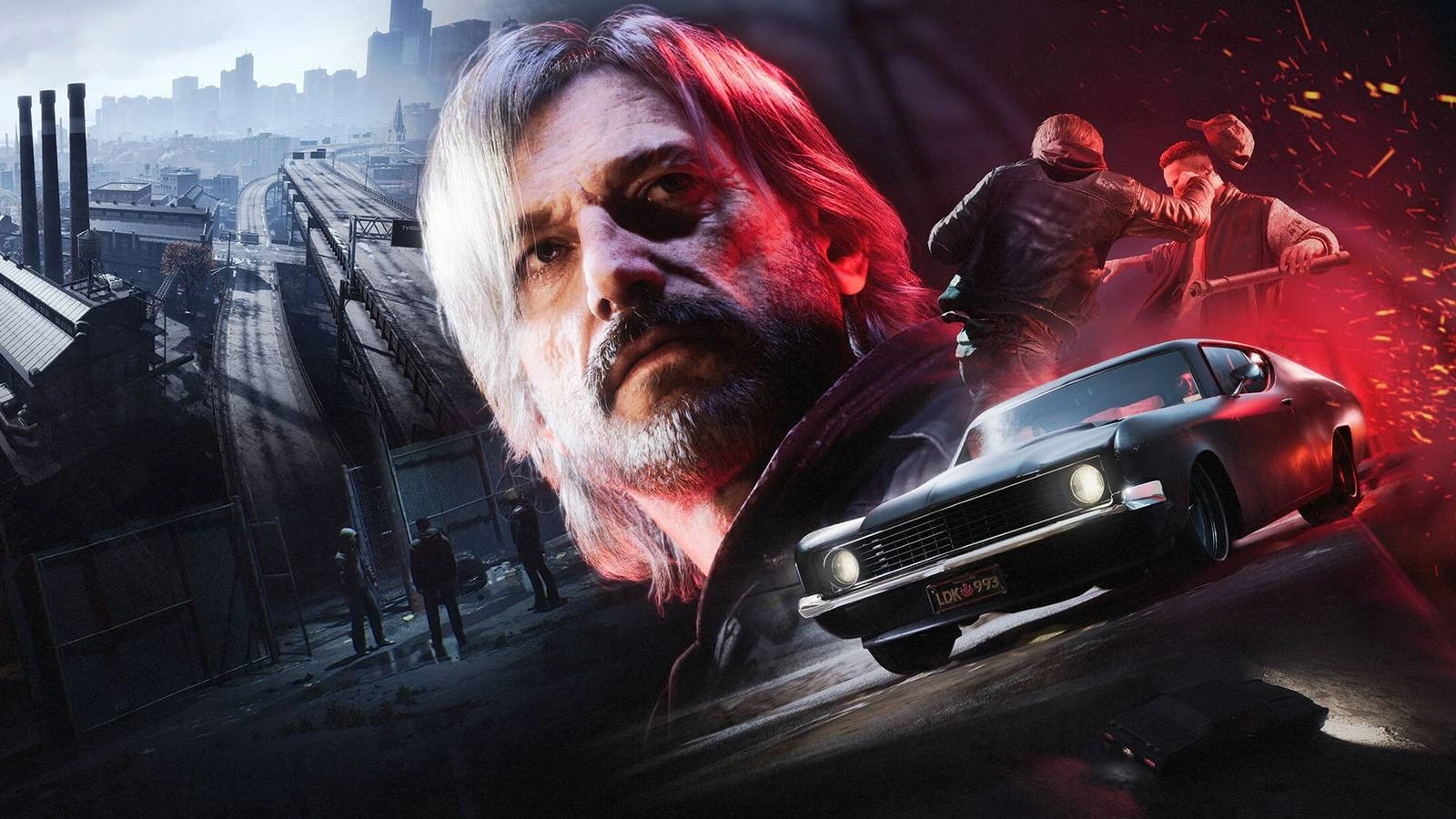

Samson McCray comes back to Tyndalston, a neighborhood marked by crushing density and deep urban decay. This former convict carries the fallout of a failed heist in St. Louis, a mistake that leaves his sister Oonagh trapped under a $100,000 debt. The setting leans into a 1990s noir look, with rain-soaked asphalt and the lonely presence of payphones shaping the mood.
Tyndalston rejects the wide sprawl common to modern open worlds and uses a tight grid of industrial blocks and deteriorating apartments. That scale concentrates the visual detail and gives the area a worn, lived-in history. The story moves through direct conversations and constant phone calls, avoiding the spectacle associated with expensive productions.
That approach gives Samson’s situation a grounded, intimate frame, even if the presentation lacks the finish found in larger international titles. The atmosphere evokes a period in American cinema that treated the city as an active force, hanging over the lead character with a sense of decline that never lifts. By focusing on one neighborhood, the game tries to create a place shaped by the local pressures carried by the people who live there.
The Daily Grind: Systems and Cycles
The experience runs on a strict Action Point system that gives players six points across a three-part day made up of afternoon, evening, and night. Each mission takes two or three points, which makes time and resources a constant concern. That structure mirrors the economic strain found in neo-noir fiction, where the main character lives inside an endless survival pattern.
Samson has to earn enough money to cover daily installments that begin at $3,000 and later rise to $3,400. Missing those payments triggers Strikes, which send hired goons after him the next morning. The result is a loop built on steady pressure, reinforcing how little control Samson truly has over his life.
Players can use an XP system to unlock perks tied to health and power, yet those gains often feel muted because enemies grow stronger alongside the player. Progress starts to resemble a treadmill, presenting growth while holding difficulty at the same level.
Also Read





Samson’s vehicle, the Magnum Opus, stands as a key tool in his criminal work. Its upkeep turns into a recurring financial problem. Repair bills often come close to the money earned from the missions that require the car in the first place, which pushes players toward disposable vehicles taken from the street. That conflict between the story’s attachment to a personalized hero car and the harsh economy weakens the connection the game seems to want between player and machine.
Combat and Motorized Action
Combat in Tyndalston moves away from standard shooter design and centers on melee brawling. The over-the-shoulder view gives each fight a sense of bodily force, drawing from hand-to-hand action traditions seen across world cinema. Samson uses light and heavy attacks, along with dodges and finishers, to deal with groups of enemies.
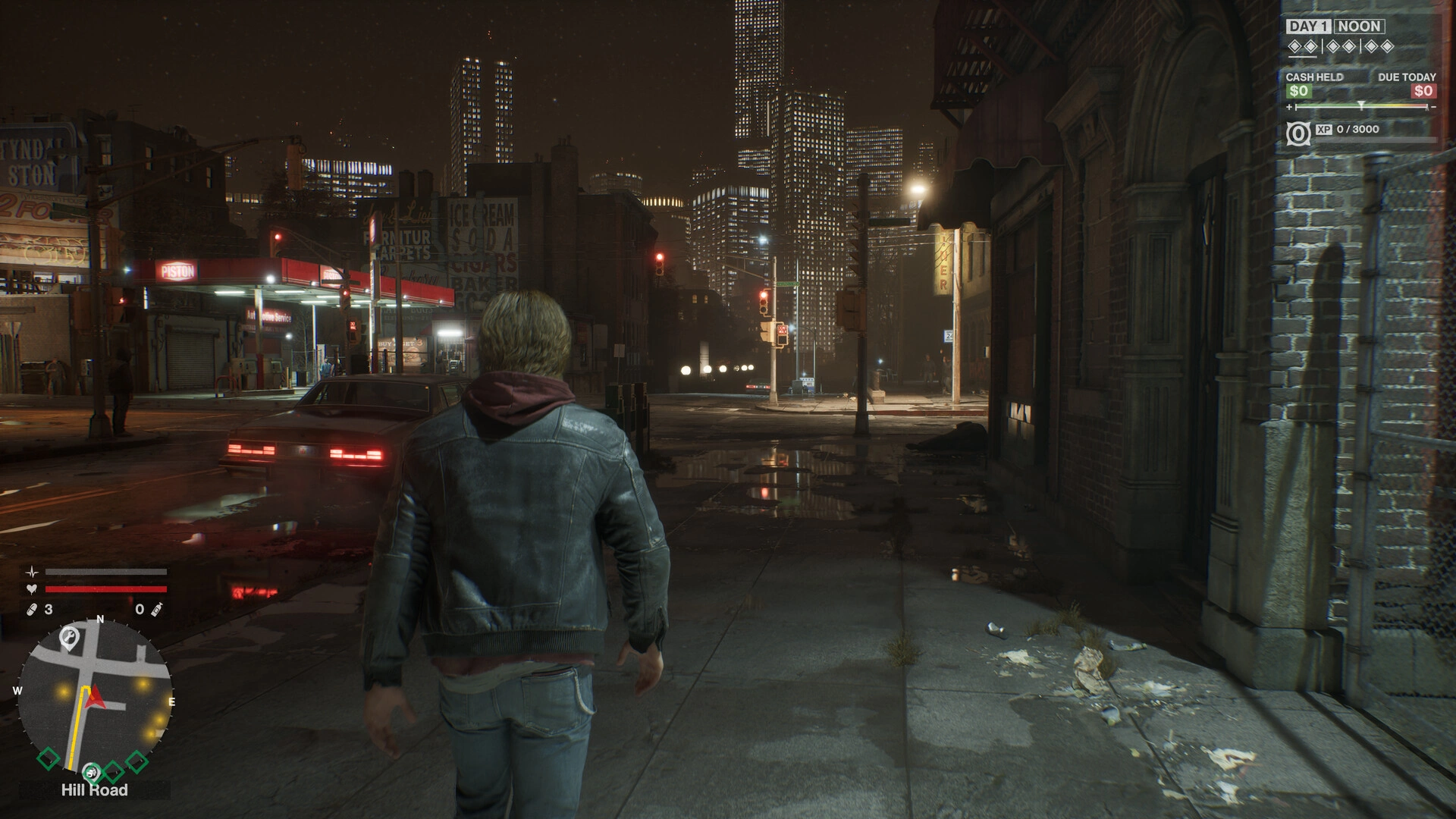
Players can also use the environment for tactical benefit, such as pinning opponents in narrow doorways or using street objects to shift the flow of a fight. This emphasis on close-quarters violence gives the game a character distinct from many Western action titles built around firearms.
The driving physics support that tactile design through a heavy, deliberate feel in every turn. Mission variety stays narrow and falls into a small set of categories. Takedowns ask players to ram rival cars until they are disabled. Street Trials focus on precision-based time challenges. Jack missions involve item collection during combat, and Shadow missions revolve around stealthy pursuit.
Beatdowns function as the standard combat events, throwing Samson against waves of thugs. Even with this focus on vehicular crime, the game places a strange limit on player freedom. Samson can steal empty cars at the curb, yet he cannot pull drivers from occupied vehicles. That rule creates a break in a world built around lawlessness. The weighty driving and harsh fistfights point toward a setting full of violent possibility, yet the systems keep blocking full engagement with that chaos.
Technical Faults and Structural Issues
Technical instability and repeated design choices drag the experience down. The campaign relies on eight core job types that return again and again, creating fatigue over time. Players repeat the same Takedowns and Beatdowns with very little change in framing or challenge. That repetition exposes the limits of the AI, which often struggles to move through the world in a convincing way.
Enemies freeze during chases or circle the neighborhood in obvious loops, breaking the illusion created by the 90s noir setting. Serious bugs deepen the problem, from physics errors that fling characters into the air to frame rate drops that make combat stutter badly. These problems go past surface-level messiness. Progression blockers can keep story missions from appearing at all, producing soft-locked save files that stop the narrative before it reaches the finish.
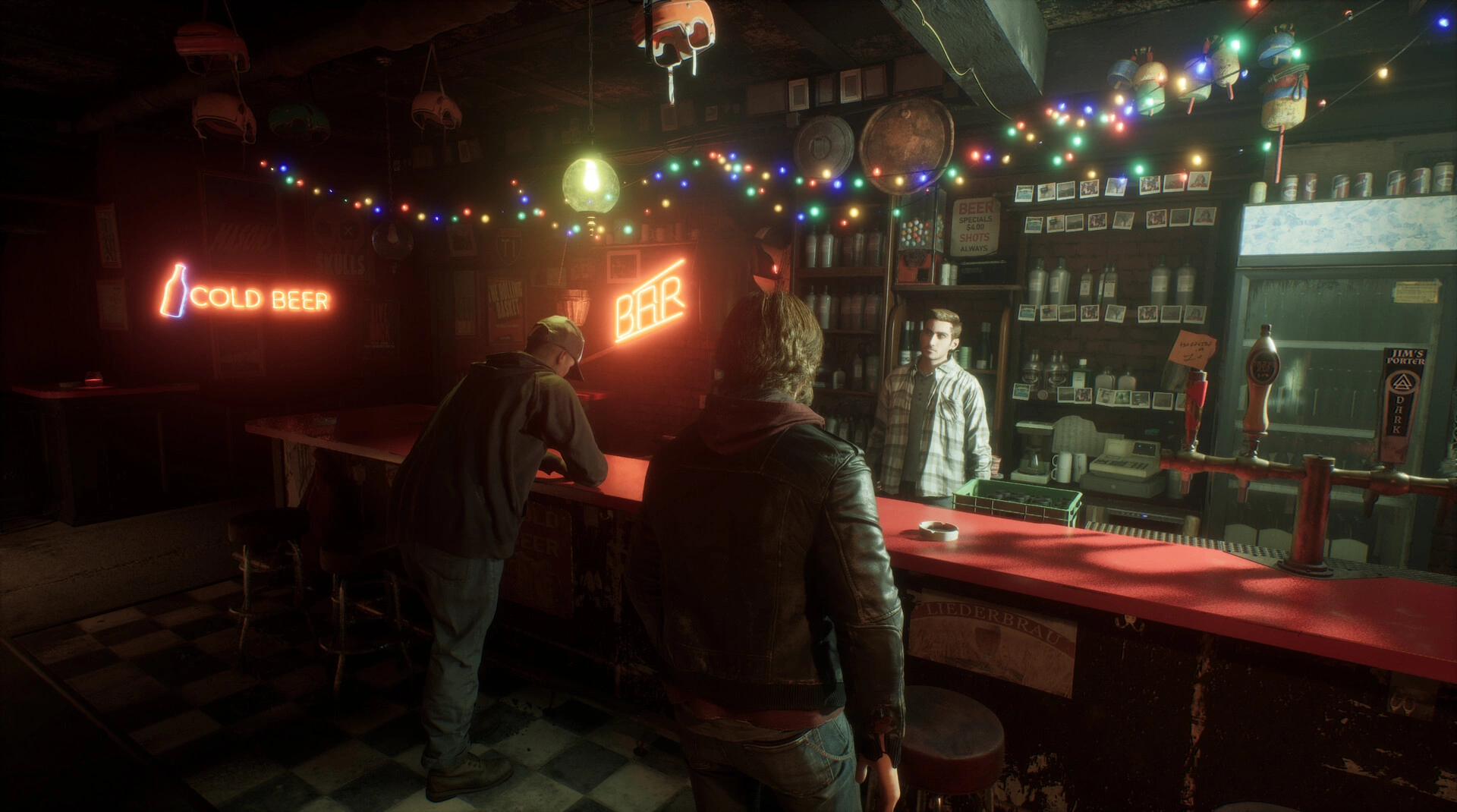
The writing also lacks the depth needed to keep Samson’s struggle engaging. Dialogue leans on generic crime clichés and gives the characters little identity or motive. NPCs drift through the world like hollow figures with blank expressions, which leaves the streets feeling empty.
That lack of character detail and technical polish makes the whole setting feel incomplete. Tyndalston has strong visual foundations and a clear atmospheric aim, yet the broken systems and thin narrative keep it from forming a unified identity. What remains is an urban crime simulation that captures the grime of the genre without the structure needed to carry its ambitions.
The Review
Samson
Samson presents a visually striking neighborhood that captures the essence of 90s urban noir. Its atmosphere and specific mechanical focus on melee combat offer a refreshing change from typical shooters. The experience collapses under the weight of repetitive mission design and severe technical instability. Frequent bugs and a lack of narrative depth prevent the game from reaching its potential. The economic systems feel unnecessarily punishing. This turns what should be a gritty survival story into a tedious grind. It remains a work of interesting ideas hindered by poor execution.
PROS
- Strong 1990s noir aesthetic.
- Detailed and dense urban environment.
- Weighty and satisfying driving physics.
CONS
- Critical technical bugs and soft-locks.
- Highly repetitive mission cycles.
- Clunky and unresponsive melee combat.
- Flat characters and cliché-heavy writing.