
























![Kingdom Hearts Collection [I-III] Review](https://gazettely.com/wp-content/uploads/2026/10/Kingdom-Hearts-Collection-I-III-1-360x180.webp "Kingdom Hearts Collection [I-III] Review: KHII Holds Steady as Newer Entries Fluctuate 37")



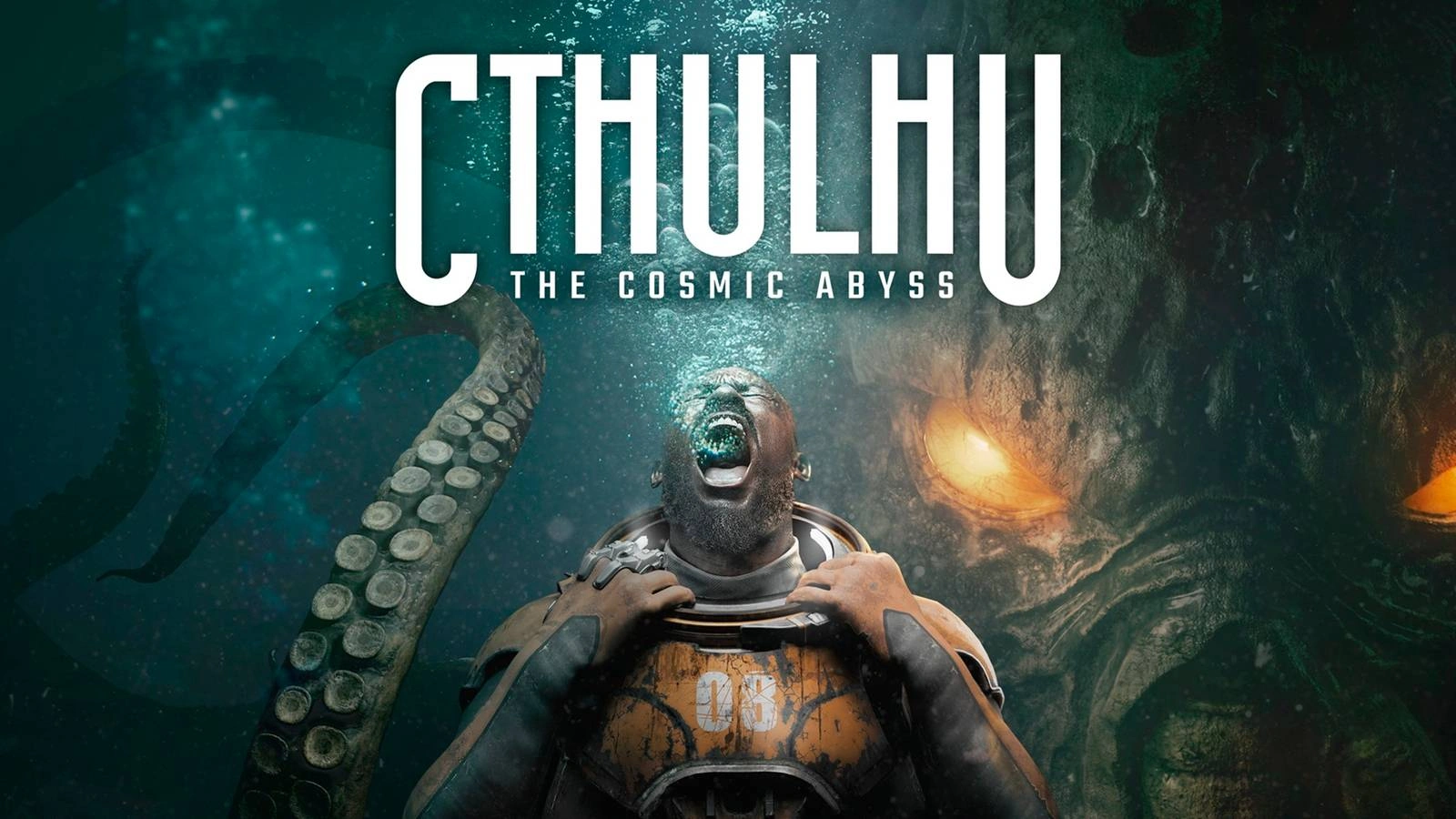

Cthulhu: The Cosmic Abyss immerses players in a chilling undersea world where survival hinges on perception and observation. In 2053, corporate entities like Ocean-I exploit the Pacific Abyss as Earth’s surface has become devoid of value. As an agent for Ancile, Noah Williams arrives at a silent mining facility, tasked with locating a missing CEO and a colleague.
The setting fuses industrial technology with remnants of an ancient, submerged city. Throughout the investigation, Noah is assisted by Key, an AI embedded in his mind. The focus shifts from reflex-based gameplay to logical deduction, as Noah faces both the crew’s madness and his own troubled past. Departing from traditional horror mechanics, the game emphasizes the suffocating reality of the ocean depths.
The Ghost in the Machine
Noah Williams carries the weight of childhood trauma tied to a deadly ritual. Ancile leverages his occult connections to handle cases too unusual for regular Interpol agents. The story unfolds against the cold backdrop of 2053, where terror arises from a mix of corporate greed and ancient, primal forces. Key, initially a synthetic voice providing data and menus, evolves as the narrative progresses.
As her personality develops, she adopts a warmer tone, expressing genuine concern for Noah’s safety. This change enhances her role, transforming her into a true partner. The game’s focus is on the quiet dialogue between Noah and Key, avoiding the frenetic pace of traditional action titles. Andrew Marsh, the CEO, embodies the modern cult leader, spreading his devotion to Cthulhu via digital networks. The horror feels grounded in this futuristic context.
A central theme is whether a digital consciousness can possess a soul, leaving the player to decide how to view Key as the environment grows more hostile. Her presence offers a human touch in a world of cold metal and dark stone, heightening the stakes even in the absence of enemies.
Traces of the Unseen
The gameplay loop revolves around slow, deliberate observation. As Noah, players navigate the research station from a first-person perspective, interacting with discarded tools and trash to uncover hidden clues. Items can be rotated to reveal engravings or bloodstains, while digital logs and notes provide essential information such as passwords and ritual hints.
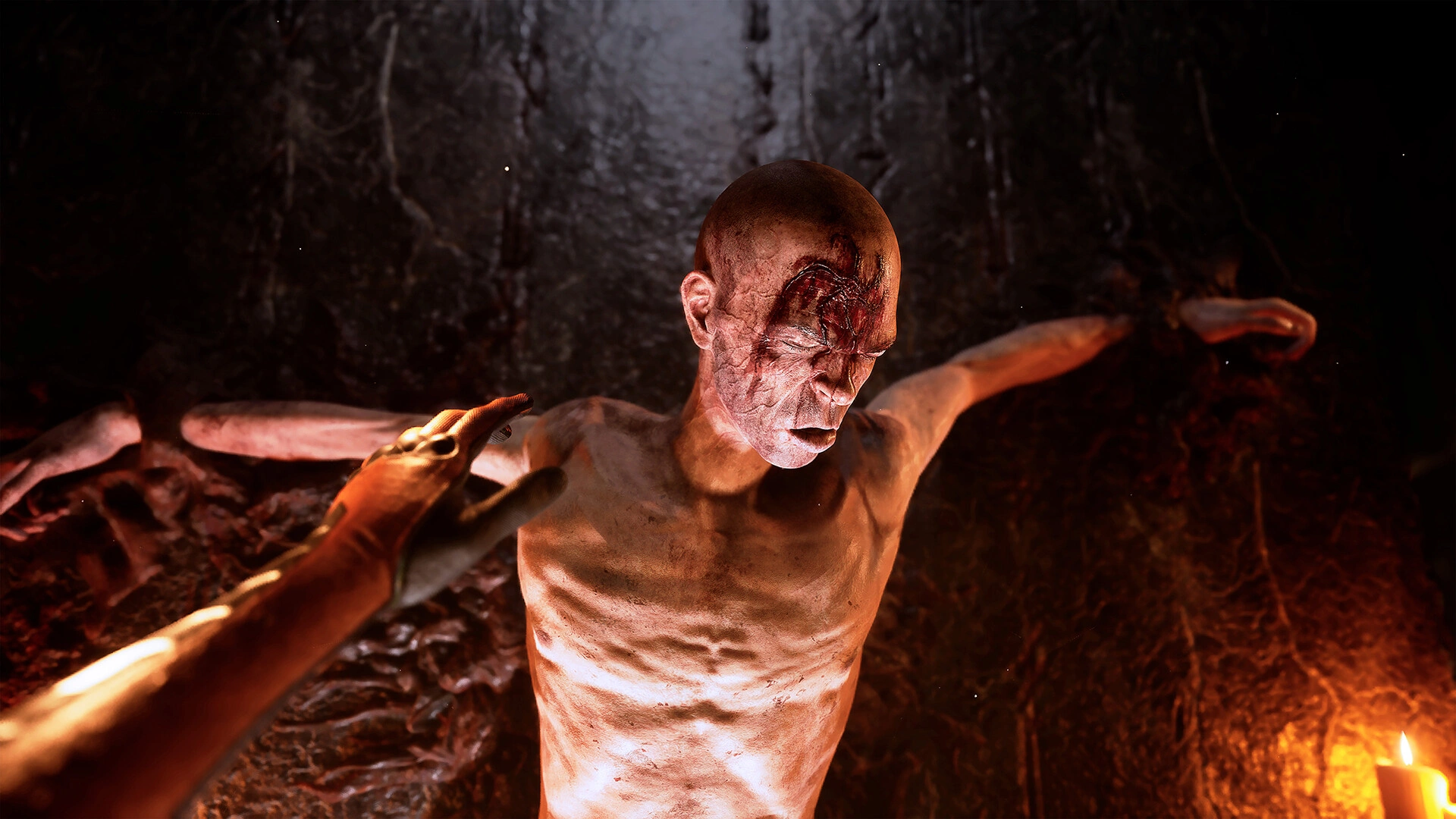
This manual interaction strengthens the player’s connection to the environment. The Vault serves as the central hub for investigation, functioning similarly to the mind palace concept from the Sherlock Holmes games. Here, players organize evidence to draw logical conclusions, unlocking new locations or story details. While this system offers a satisfying sense of accomplishment, it can become cluttered. The Vault retains every minor clue even after puzzles are solved, leading to an overwhelming workspace as the game progresses.
The game trusts players to chart their own course without the aid of glowing markers or arrowed maps. Instead, they must rely on wall layouts and Key’s observations. Pinning relevant documents to the screen helps with organization, making the detective work feel authentic and challenging, forcing players to think like an investigator rather than a passive observer.
Echoes in the Dark
Technology meets ancient biology through the Sonar system. Key enables Noah to scan his surroundings for hidden signatures. To use the Sonar, players must first find a physical sample, such as a mineral or strange fluid, then record its properties. The Sonar highlights matching objects in the environment, and as the game progresses, players learn to combine three signatures at once, adding complexity to later puzzles.
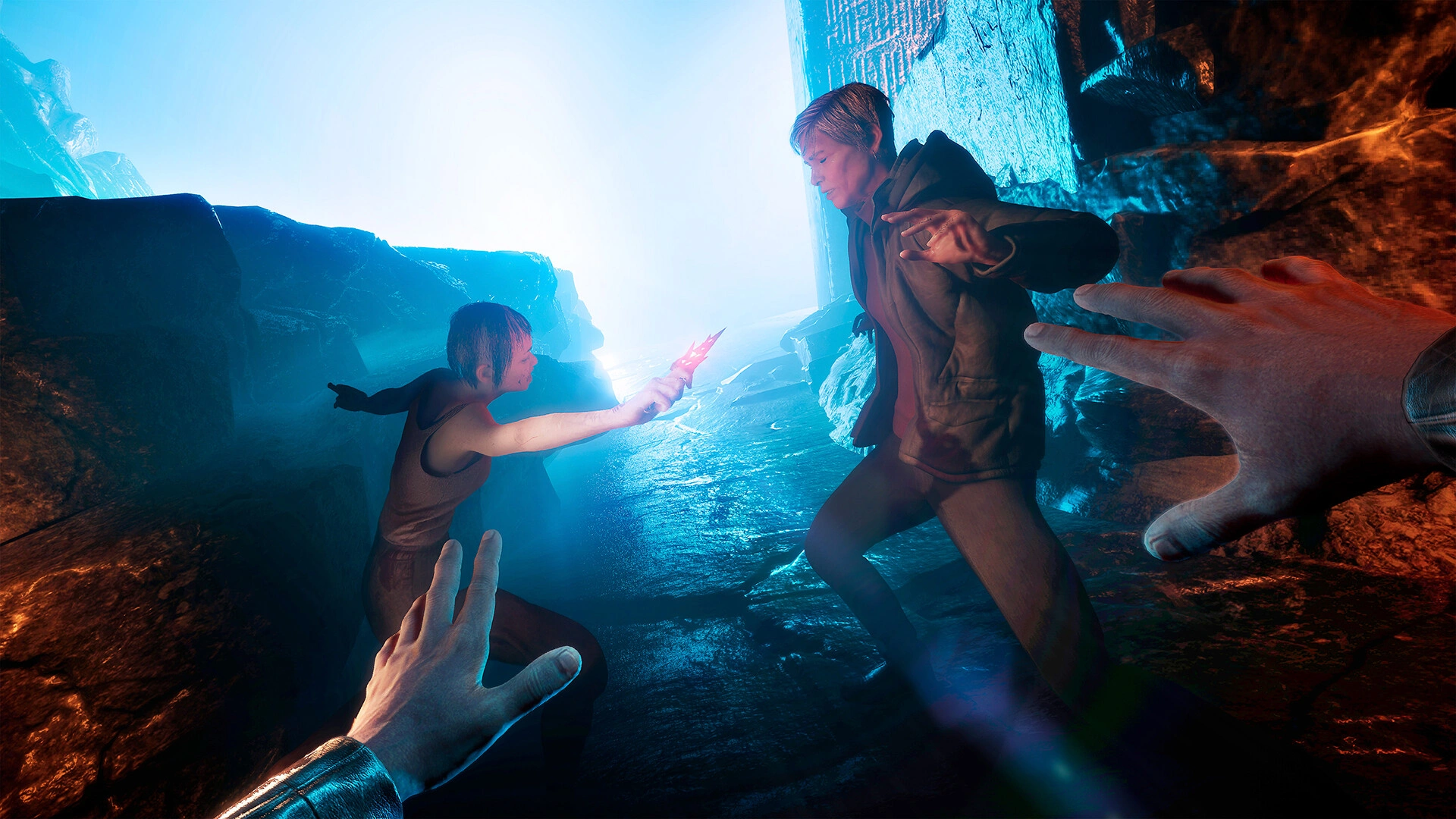 This mechanic relies on an Energy Bar that depletes with each scan, requiring players to find specific orange fungus growing on the facility walls to recharge. Injecting this bio matter is crucial for maintaining the functionality of the tools. The progression system, called evolutions, introduces light strategy to the exploration.
Players can select perks to increase the range of pings or reduce scan energy costs, allowing for personalized investigative approaches. For those focused on the story, the game offers options to disable energy drains or set Key to provide more frequent hints, ensuring the mystery remains the primary focus.
The balance between scanning and searching builds tension, as players must constantly decide whether the energy cost of a scan is worth uncovering the truth. This resource management introduces a survival aspect without the need for traditional combat.
The Weight of the Abyss
Noah’s choices are weighed by the Corruption system, which tracks his sanity as he interacts with objects linked to the Old Ones. Major investigations often present moral dilemmas—taking the easier, selfish path to solve puzzles leads to higher corruption, while the more difficult, righteous solutions require more effort but help preserve his sanity.
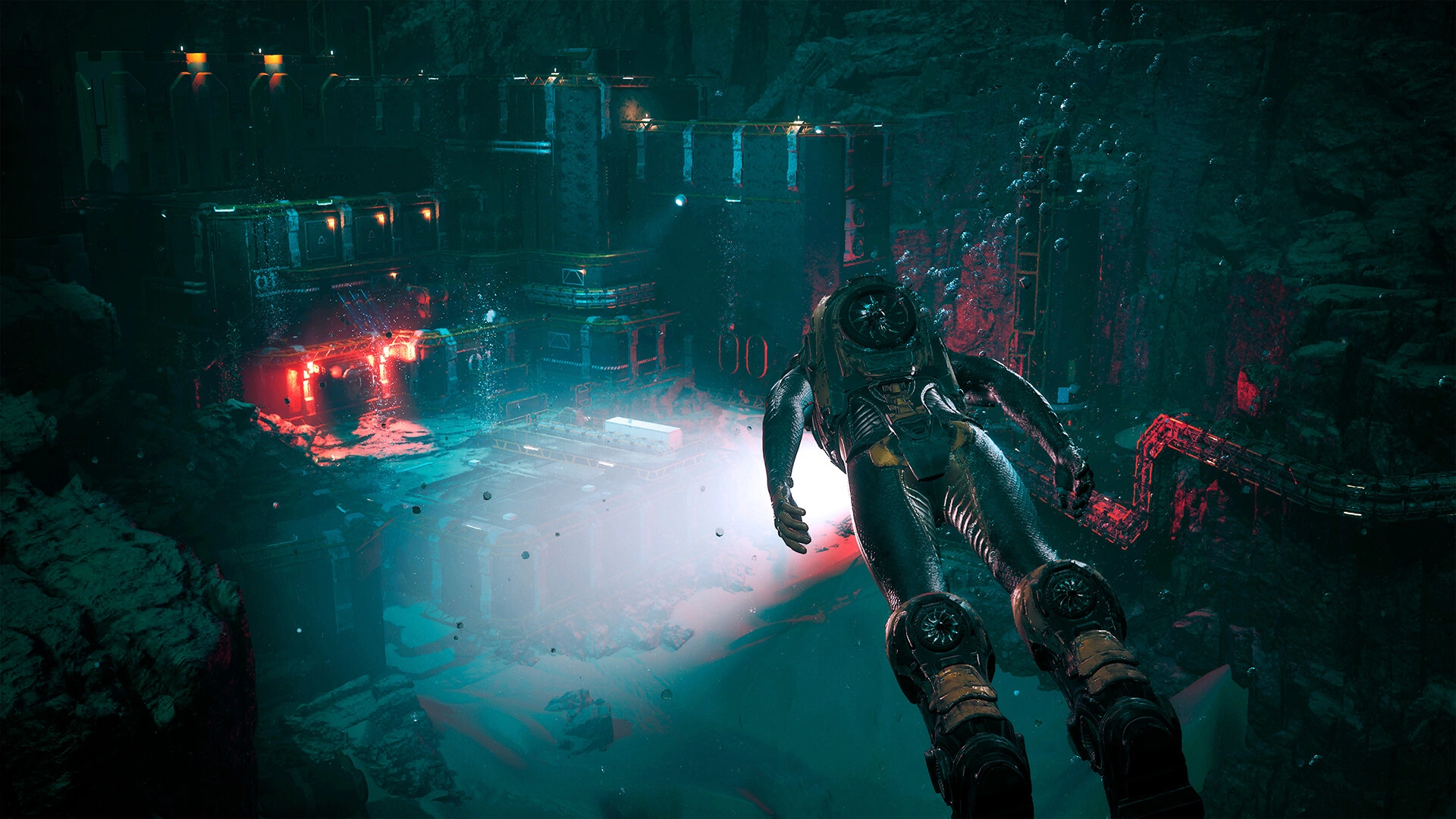
High corruption levels distort his perception, introducing hallucinations like moving shadows and static in his neural link, akin to the sanity effects in Eternal Darkness. These choices influence the story’s endings, encouraging multiple playthroughs. Visually, the game uses Unreal Engine 5 to bring the dark, dripping world to life, with creature shrines designed to impress.
However, technical issues persist, including frame rate drops when the Sonar is active, crashes, and a bug causing autosave failures. The final puzzle, which involves operating heavy machinery while Cthulhu’s presence looms, rewards the player for their methodical approach, culminating in a bold conclusion to a slow-burn horror experience.
The Review
Cthulhu: The Cosmic Abyss
Cthulhu: The Cosmic Abyss provides a methodical investigation that respects the player. The partnership between Noah and Key gives the plot a strong emotional anchor. The corruption system forces difficult moral choices with tangible consequences. The technical performance blocks the immersion. Frequent crashes and frame rate drops during sonar pings ruin the polish. If you value atmosphere and complex logic over action, this title is a fine experience. The marriage of futuristic technology and ancient horror creates a specific tension that remains strong even with the hardware struggles.
PROS
- Heavy atmosphere
- Clever investigation tools
- Excellent AI writing
- Real story choices
CONS
- Frequent performance drops
- Late game UI mess
- Occasional game crashes







