


















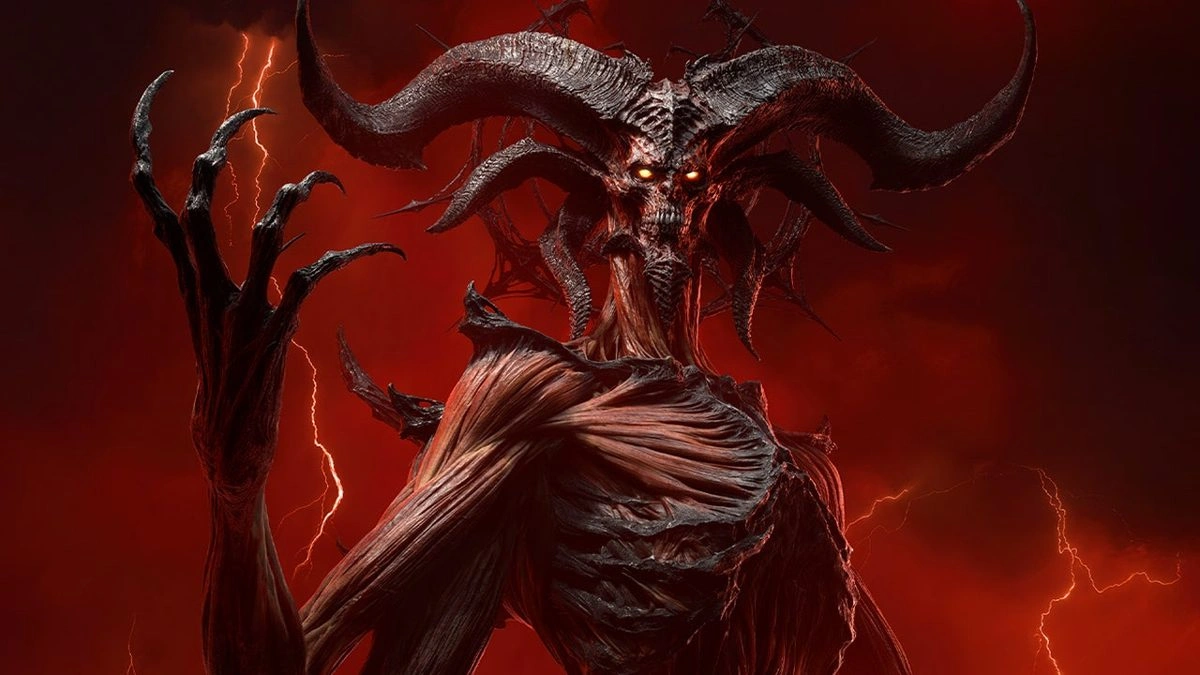

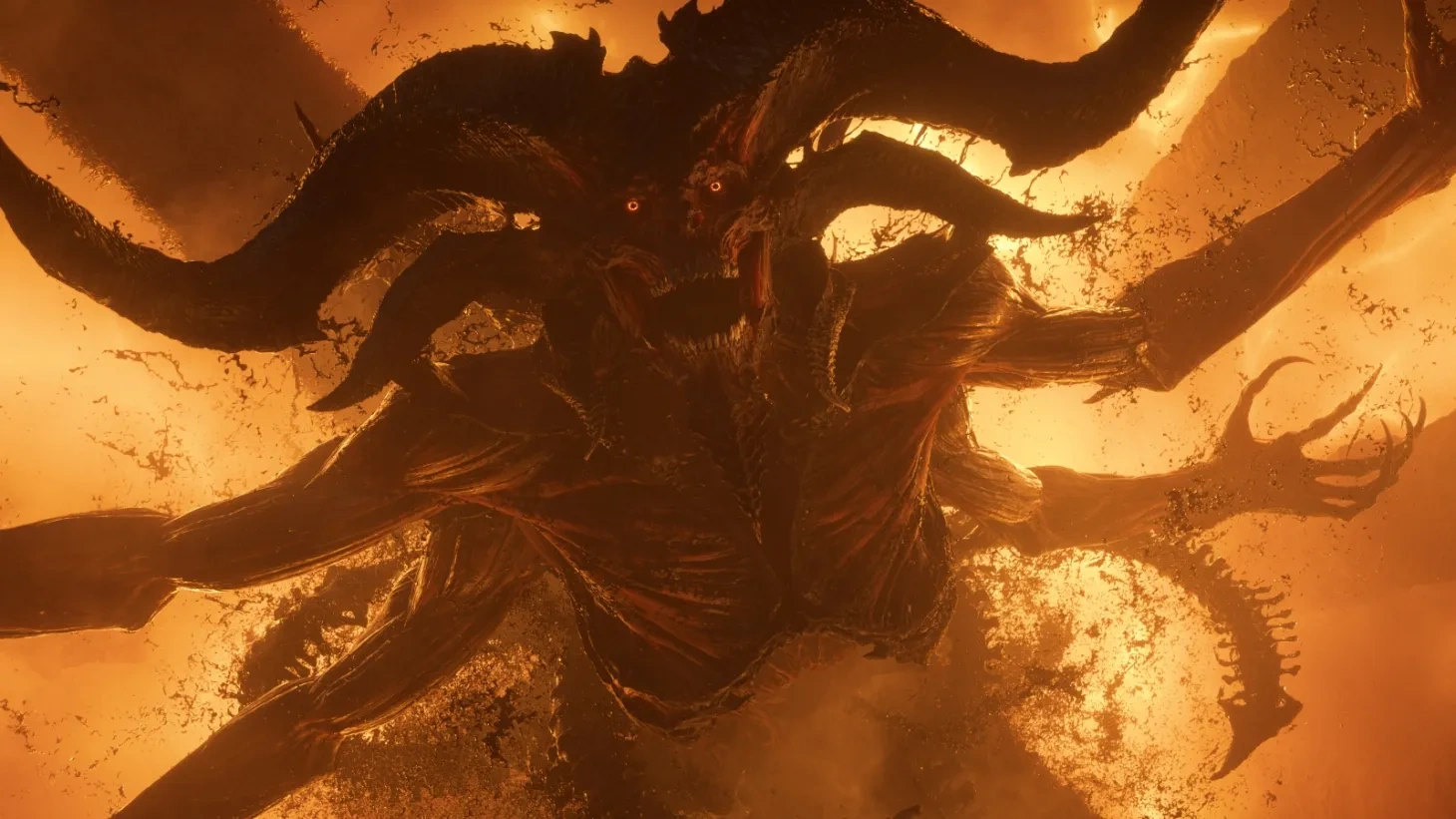
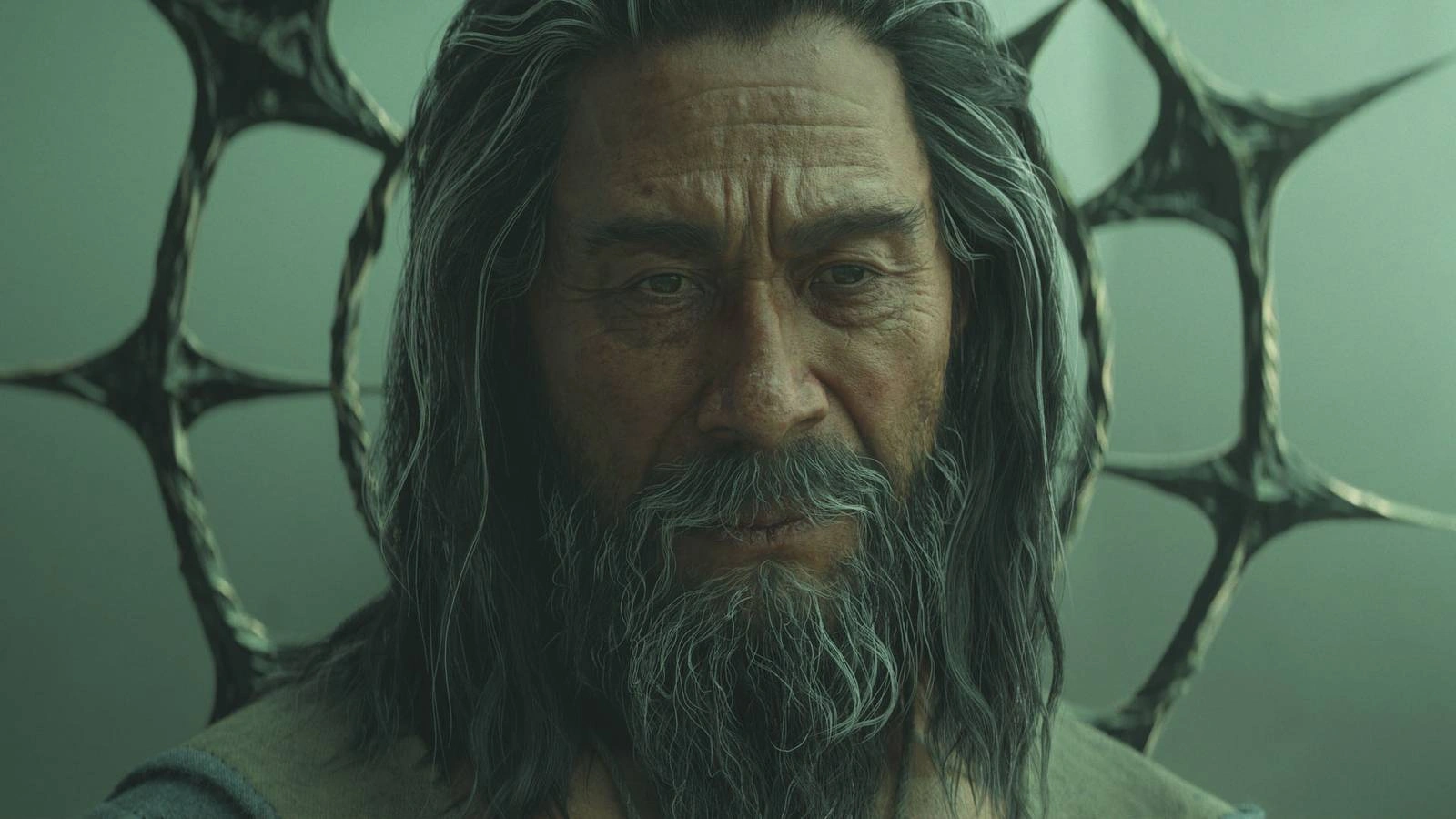
Skovos presents warmth with a knife hidden under the cloak. Its bright shores and marble pillars give the player a visual break from the mud and ruin of the mainland, yet that beauty becomes cover for the Lord of Hatred. Mephisto enters through faith, comfort, and false salvation. He wears the role of prophet, guiding the damaged people of Sanctuary toward a peace built on lies. That tonal move changes the campaign’s pressure. The story looks closely at people, belief, and the slow rot that spreads when hope becomes a weapon.
Lorath Nahr returns as a tired witness to that manipulation, giving the campaign a worn, human perspective on a war that keeps repeating. The eclipse remains a constant visual threat, a reminder that Skovos’ Mediterranean beauty sits under gathering darkness.
The narrative stays tight and character-driven, with cutscenes and dialogue shaped around the personal cost of the conflict. That focus gives the arc a sense of closure after years of buildup. Earlier expansions sometimes drifted, yet this campaign keeps Mephisto in view. The islands feel like the remains of an old civilization, turning each fight into an act that disturbs human history.
The Scions of Skovos
The Paladin and the Warlock reshape the game’s tactical identity. The Paladin returns as the defensive anchor, built around survivability, direct physical impact, and team protection. Its core mechanical identity sits in the Juggernaut style, which rewards players who stay close to danger. Every shield slam carries weight. Holy energy creates a protective zone around the character, giving the class a clear role in both solo and group play.
Auras define the Paladin’s toolkit. They provide constant utility through damage bonuses or defensive buffs for allies in range. That design lets the class affect a fight during every moment, including the spaces between direct attacks.
Fans of the old Hammerdin style get a familiar rhythm through the spinning hammers, now with extra interaction. A hammer striking a specific target can trigger explosions of light, changing a passive damage pattern into a more active combat choice. The Paladin feels like a wall that moves with purpose. It holds the team together and creates safety inside chaotic encounters.
The Warlock works from a very different fantasy. It occupies a space between the Necromancer and the Sorcerer, using abyssal power to control the battlefield. The Abyss and Occult specialization emphasizes movement, misdirection, and pressure. Shadowform stands out as the central mechanic. It transforms the player into a wraith, allowing smooth movement through enemies and stackable stealth that makes the character harder to hit. This creates a satisfying loop: slip in, land a strike, disappear before enemies can answer.
That mobility changes how large monster groups feel. Standing still becomes a poor use of the class’s strengths. The Warlock cuts through crowds, leaves dark energy behind, and plays with space in a way few classes can match. It gives the player a stronger sense of momentum than most builds in the game.
The Demonology and Summoning tree brings in the Rampage mechanic. This separates the Warlock from the Necromancer. The class summons a single huge demon in place of managing a small skeleton army. The demon functions like an extension of the player’s own build. It responds to the magic you cast. A dark spell might give it a shadow aura. A fire spell might cause its attacks to leave lava pools across the ground. The player and summon feed into each other, creating a clean mechanical relationship.
Rampage sends the demon into a frenzy. It tears through enemy lines and deals heavy physical damage. The result feels powerful, messy, and aggressive. The summon does not feel like a background pet. It becomes a directed force, tied to the player’s rhythm and choices.
Players who prefer direct damage get the Hellfire discipline, which uses dark flames to burn through heavy armor. Together, the Paladin and Warlock offer two clear power fantasies. They stand apart from the original classes through interaction and tactical feedback. Co-op makes their strengths clearer.
A Paladin can buff a Warlock’s demon with auras, turning it into a near-unstoppable presence. The Warlock can scout ahead with Shadowform and pull enemies into a Paladin’s trap. These systems make group play feel coordinated. The classes create teamwork through mechanics, giving combat a stronger sense of shared intention.
A Foundation Rebuilt for Choice
Progression has changed in a major way. Blizzard removed prerequisite nodes from the skill trees, freeing players from spending points on unwanted skills to reach deeper abilities. Level progression now controls access. This makes experimentation much easier. You can choose a powerful ability as soon as your level allows it.
The level cap has climbed to 70, giving characters extra room to grow. Skill ranks now reach 15, allowing deeper specialization in selected abilities. Those added ranks matter. A rank 15 skill feels dramatically different from its rank 5 version, giving progression a stronger sense of impact.
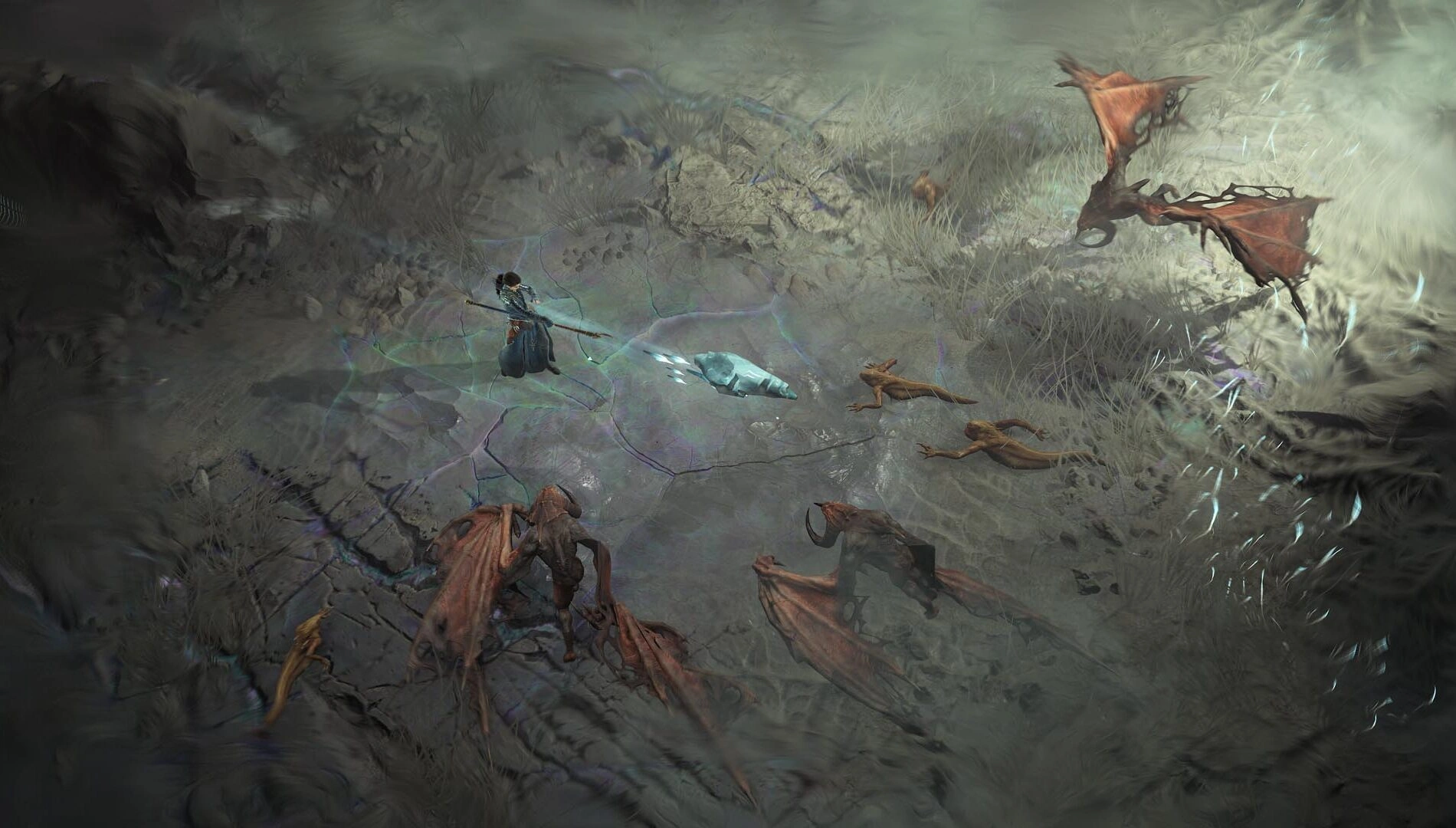
The skill tree now leans away from passive stat bumps. Most nodes offer choices that alter how a skill works. The Sorceress gives a clear example. A traditional fire ability can be modified to deal cold damage. That opens flexible build design. You can create a themed character around one element across the whole kit, or combine different elemental effects to find new synergies.
These augments change both function and presentation. A fire bolt can become an ice spear that pierces several targets. That kind of customization makes each character feel personal. The build choices affect every encounter, giving the player ownership over the combat language of the character.
The Seals and Talisman system expands that customization. It works through a separate loadout menu where Charms fit into specific Seals. The system provides set-building bonuses outside normal equipment. That matters because players can keep their strongest legendary or mythic armor without giving up set effects. Charms become a dedicated chase tied to playstyle.
Some Charms provide defense. Others support heavy damage spikes. The strategy comes from deciding which Charms deserve priority. A player might choose a Seal focused on critical hits, then fill it with Charms that trigger from critical strikes. This gives high-level players a clear optimization path. It also gives hardcore players another reason to keep hunting for the right drop.
The Horadric Cube returns as the main hub for endgame crafting. It upgrades gear, forges new items, and can turn common items into unique equipment. That change gives value to drops that players might have ignored before. Common loot can become the base for a powerful craft, so every item has potential use.
The Cube also lets players refine specific gear stats. If a piece of armor has one weak affix, the Cube can reroll it into something better. That reduces the frustration of finding an item that is close to perfect. The loot loop becomes more active because players are always looking for materials to support crafting. Farming and refining form a steady cycle. The Cube turns gear hunting into a deliberate construction process.
The Geography of Despair
The Isles of Skovos give these new systems a haunting stage. The region is split into distinct zones, with Lycander standing out. Its autumnal look is striking. Orange leaves cover the ground, and the light has a soft glow. The beauty hides decay. Lycander’s trees are turning to stone, and that petrification spreads through the forest.
The wildlife has vanished. In its place are creatures made from coiled brambles. They crack and splinter under attack. The sound design sells the setting. The dry snap of wood during combat makes the world feel brittle, as if the environment itself is close to breaking.
Dungeon design leans toward surreal horror. Many areas feel like sealed pieces of hell, filled with grotesque imagery. Ribcages form archways. Chains suspend demon corpses over fire pits. These underground spaces clash sharply with the bright surface world, reminding the player what sits beneath Skovos’ beauty. Moving from a sunlit beach into a blood-soaked cathedral feels jarring in a way that suits the campaign’s theme. Lighting gives even the prettiest spaces an uneasy edge, with shadows that seem too heavy.
Strongholds remain one of the world map’s best features. They work as combat-driven mini-narratives. Clearing one feels meaningful because the map changes afterward, sometimes opening vendors or waypoints. That gives the player visible impact. You are reclaiming land from hatred, and the game lets you see that effort take shape. The map itself feels larger and more varied than the regions from the base game.
The fishing minigame is strange, yet welcome. It gives players a pause inside a violent world. Fishing spots appear across the islands, and each region has its own fish to catch. The activity does not provide major power upgrades, but it gives collectors another pursuit. It also encourages players to slow down and take in the environment.
The mechanic is simple and calm. It suggests that Sanctuary still has ordinary life inside its darkness. Placing such a cozy activity inside a grim RPG creates a useful tonal break. It reminds the player that the fight is tied to a world worth saving.
The Infinite Grind and its Friction
The endgame has been rebuilt for easier access. War Plans sit at the center of that effort. The system works like a playlist for favorite activities. Players can select up to five tasks, such as clearing a dungeon or fighting a boss. Once the run begins, the game guides you from one objective to the next.
Teleportation is the strongest part of the system. You can jump straight to the next activity without crossing the map. That removes downtime between fights and keeps the pace moving. Each War Plan activity also has its own perk tree. Completing objectives earns points for those trees, letting players shape the rewards they receive. You can push for extra gold or better equipment from a chosen activity. The grind feels clearer because progress connects to a specific target.
Echoing Hatred gives high-level builds a serious test. It is a wave-based survival mode that begins at a manageable pace and scales until monsters become nearly impossible to kill. It works as a benchmark for character strength, showing exactly how far a build can go. Entry depends on a rare consumable, which gives each run weight. You want to prepare before spending that access. The expanded difficulty range, now reaching 12 Torment tiers, creates a long path for progression. A harder challenge always waits ahead.
The loot chase also benefits from the Loot Filter. Players have wanted this feature for a long time. It lets you create rules that hide items outside your needs. After a boss fight, you no longer need to sort through piles of junk. You see the items that matter, which speeds up the loop. Combat takes up more of your time, and inventory cleanup takes less.
Boss Lairs have been cleaned up too. Lair Keys now grant access to these fights, replacing the complex material requirements from previous seasons. The system is much cleaner. It lets players focus on combat and build testing, with less attention spent on material logistics.
The War Plans system has one major social flaw. In group play, progress applies to the party leader’s playlist. Other players receive rewards and experience, yet their own War Plan does not move forward. That makes followers feel secondary. Playing with friends becomes inefficient because players must choose between helping someone else and working on their own goals.
That design feels strange in a game built around co-op. It creates friction inside a system meant to make endgame play smoother. Leaders may feel guilty for using everyone’s time. Followers may feel left behind. This issue weakens an excellent idea and needs shared progress to work properly in multiplayer. Without that fix, War Plans feel like a solo structure placed inside a multiplayer game.
Even with that flaw, this expansion delivers the most polished endgame version the game has had so far. It offers a large amount of content, clearer growth, and better quality-of-life support. The new mechanics connect well with the campaign’s stronger focus, giving players a satisfying story payoff and enough build depth to keep the hunt alive.
The Review
Diablo IV: Lord of Hatred
This expansion provides a definitive closure to the Mephisto arc while revitalizing the fundamental systems of the experience. The addition of the Paladin and Warlock offers substantial variety in combat styles. The Horadric Cube and skill tree modifications grant players the freedom to build characters with precision. The technical improvements and aesthetic shift make this a necessary chapter for fans. The cooperative progression for War Plans needs adjustment. It brings a sense of cohesion to the game that feels earned.
PROS
- Clear narrative closure for the Mephisto storyline.
- Powerful new classes with the Paladin and Warlock.
- Useful quality of life additions like the loot filter.
- Return of the Horadric Cube for deep crafting.
- Beautiful and haunting art design in the Isles of Skovos.
CONS
- Poor cooperative progression in the War Plans system.
- Smaller landmass compared to the base game world.
- Occasional performance hitches in the new region.