



























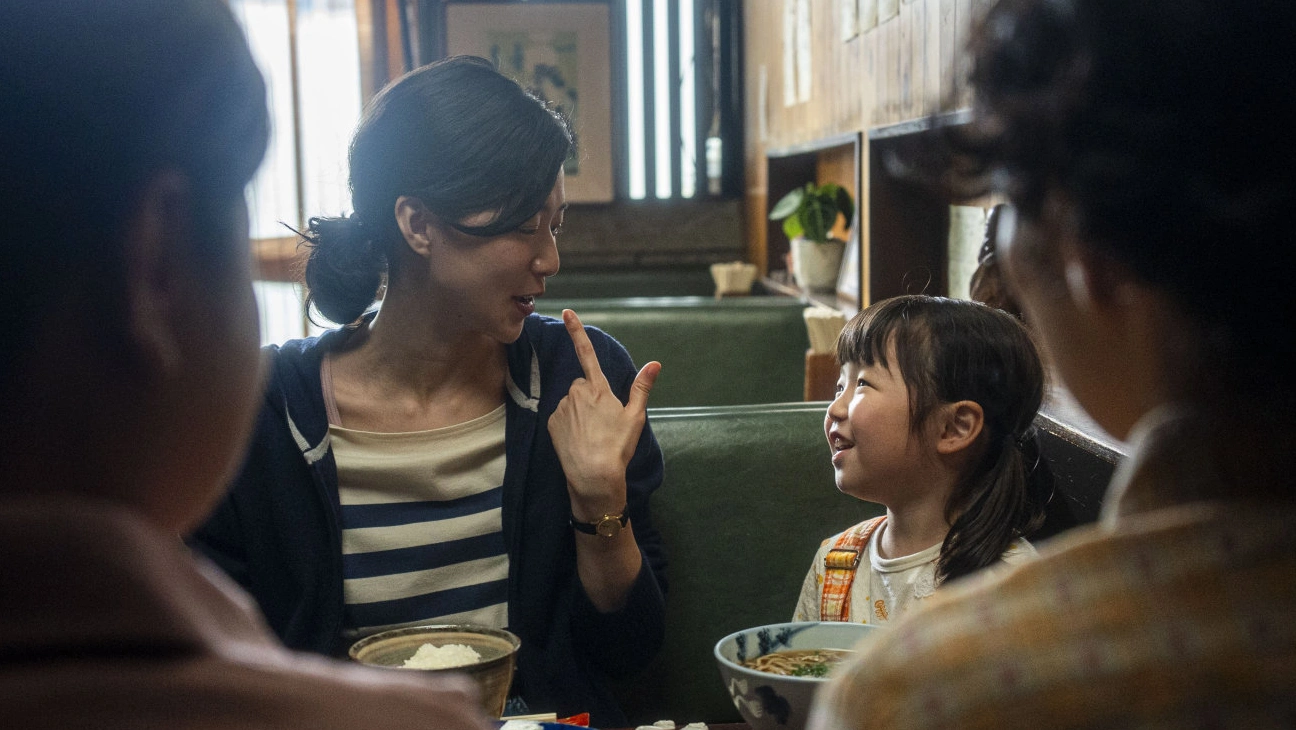

Taichi Kimura’s Fujiko won the Golden Mulberry Audience Award at the 28th Far East Film Festival in Udine, Italy, capping a nine-day edition that drew 70,000 spectators and placed Asian popular cinema’s social pulse in sharp focus. The Japanese world premiere scored a 4.38 average from audience voters, ahead of South Korea’s The Seoul Guardians and a four-title tie for third place.
Fujiko, a 95-minute comedy-drama starring Katayama Yuki, follows a single mother fighting for work, dignity and self-rule in late-1970s and early-1980s Japan. The festival catalogue frames the film through an era often remembered for economic energy and pop-cultural invention, then cuts against that nostalgia by stressing the harsh limits placed on independent women. Kimura, born in Tokyo in 1987, previously built a career across music videos and shorts before moving into features.
Political urgency shaped the runner-up result. The Seoul Guardians, directed by Kim Jong-woo, Kim Shin-wan and Cho Chul-young, won the Silver Mulberry and shared the Black Dragon Audience Award with Fujiko. The 72-minute documentary chronicles South Korea’s Dec. 3, 2024 martial-law declaration from inside the National Assembly, where citizens, journalists and lawmakers moved to defend constitutional order. Its reception gained extra force after an appeals court on April 29 sentenced former President Yoon Suk Yeol to seven years in prison on charges tied to the martial-law attempt.
The third-place Crystal Mulberry went to four films: Yuen Woo-ping’s Blades of the Guardians: Wind Rises in the Desert, Chung Ji-young’s My Name, Bui Thac Chuyen’s Tunnels: Sun in the Dark and Chang Hang-jun’s The King’s Warden. The screenplay prize went to Tunnels, with a special mention for Anthony Chen’s We Are All Strangers. Hong Kong’s Unidentified Murder won the White Mulberry for first-time directors.
Festival heads Sabrina Baracetti and Thomas Bertacche said the edition reached a mature balance among film quality, public participation and local impact. The industry section echoed that growth: Focus Asia drew over 200 participants from 40 territories, nearly 250 one-to-one meetings and winning projects from Chinese-American and Malaysian-Singaporean filmmakers.