





















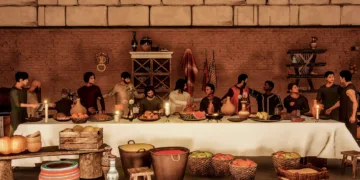


The second season of this adaptation returns to scorched earth and inherited suffocation. Set against the Mexican Revolution, the story draws its pulse from the strain between private will and ancestral command. Tita, played by Azul Guaita with haunted fragility, carries emotions that her world tries to smother. Her relationship with Pedro lingers like an unquiet ghost, fastened to years of silent longing.
This final six-episode movement follows her escape from the severe repression of her youth. The De la Garza ranch and the asylum at Eagle Pass give physical shape to her psychic imprisonment. Cooking becomes her essential vernacular. Flavor bears the weight of truths that speech cannot hold. In this world, a recipe becomes an uprising, and a meal becomes confession.
The Architecture of Recovery and Ruin
Tita enters this chapter inside the hollow hush of an asylum, her mind broken by the perceived death of her lover and the cruelty of her mother. Her recovery under Dr. John Brown shifts the season’s philosophy from chaos toward measured tenderness. John offers the image of the inner matchbox, a metaphor for the sleeping ember of the human spirit, waiting for air.
He represents a quiet life, restorative and steady, built around patience rather than fever. That fragile peace meets its trial through Pedro’s return. He has survived a firing squad and the brutal terrors of the revolutionary front. Pedro carries a harsher fire. He embodies desire in its most dangerous form, a force that disregards the safety of the hearth.
As Tita searches for self-governance, Mama Elena’s specter persists. Her body lies paralyzed after a brutal raid, yet her bitterness remains undiminished. She denies Tita the mercy of maternal love through her final breath. That domestic tyranny finds its echo in the war outside, especially through Gertrudis.
Her pregnancy amid the revolution’s skirmishes gives the ideological struggle a bodily cost. The series asks if healing can survive in soil drenched with the blood of family and country. Tita’s choice between John and Pedro becomes a choice between warmth that steadies the soul and flame that devours it.
The Alchemy of Unseen Forces
Magical realism works here as a necessary bending of reality, a way to reveal the soul’s gravity. Tita’s inner life refuses containment within the body. It spills into the material world. When her spirit withers, the air in her room freezes.
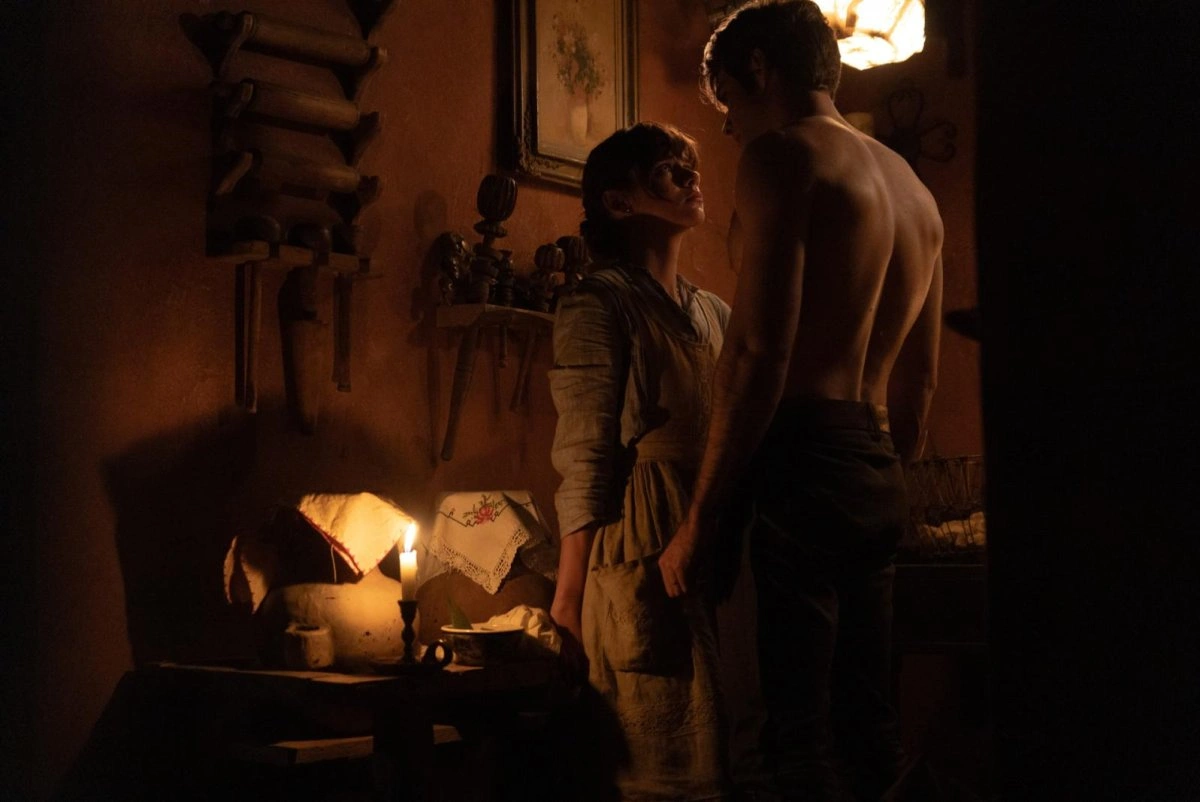
When she stands near Pedro, heat rises from her skin, a bodily map of desire buried for too long. The kitchen turns into a site of metaphysical combat. In preparing a medicinal broth for her dying mother, Tita pours sympathy and care into the liquid itself.
Consumption compels the characters to reflect her emotional condition. Fina experiences a sudden and startling sense of worth through the taste of Tita’s grace. This conversion of feeling into matter reaches its peak through the recurring image of the matches. Each person carries a private box of light.
The danger lives in timing. A single match can offer clarity. The entire box can create a radiance inseparable from destruction. Tita’s cookbook survives the eventual ruin. It becomes the physical legacy of a woman who resisted erasure. It preserves a life experienced through the senses inside a culture that demanded their suppression.
The Aesthetics of the Final Flame
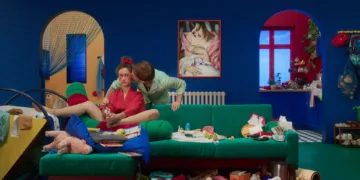
The season’s visual language is built from stillness, restraint, and carefully arranged composition. Each shot feels like a painting made to hold the texture of a vanishing era. The production lingers on the rough weave of fabrics and the dust that seems to cover every surface of the Mexican plains.
This choice roots the surreal elements in a tactile, earthbound reality. The soundscape deepens that immersion through the haunted voices of Natalia Lafourcade and Lila Downs. Their music gives weight to grief that the characters often carry in silence.
The final resolution arrives years later at Esperanza’s wedding. Tita secures a deal with Rosaura, ensuring the oppressive family traditions end with their generation. This act of protection opens a brief peace denied across decades. The final union between Tita and Pedro unfolds with terminal intensity.
Their long-deferred intimacy ignites their metaphorical matchboxes at the same instant. The fire that follows feels quiet, fated, almost serene in its devastation. It consumes the physical structures of their lives and suggests a spiritual continuity beyond them. They leave the world of flesh and pass into pure, unmediated connection. Their tragedy becomes metamorphosis. They burn through the limits of the body and remain as a memory of passion.
The TV series Like Water for Chocolate (Como Agua para Chocolate) is a lush, sensual adaptation of Laura Esquivel’s celebrated 1989 novel, reimagining the classic tale of magical realism for a modern audience. The series first premiered on Max on November 3, 2024, and concluded its narrative arc with a second and final season that debuted on February 15, 2026. Set against the turbulent backdrop of the Mexican Revolution, the story follows Tita De la Garza as she navigates a forbidden love with Pedro, a relationship thwarted by an oppressive family tradition. As of May 2026, the complete series is available for streaming on Max, offering a visually breathtaking exploration of passion, heritage, and the transformative power of the kitchen.
Where to Watch Like Water for Chocolate Season 2 Online






Full Credits
Title: Like Water for Chocolate
Distributor: Max, Warner Bros. Discovery
Release date: November 3, 2024 (Season 1), February 15, 2026 (Season 2)
Rating: TV-MA
Running time: 50–60 minutes per episode
Director: Julián de Tavira, Ana Lorena Pérez Ríos
Writers: Curro Royo, Silvia Ortega Vettoretti, Maria Jaén, Jerry Rodriguez Burckle, Jimena Gallardo, Check Cinco, Cynthia Fernández Trejo, Luis Javier Sánchez, Laura Esquivel
Producers and Executive Producers: Salma Hayek Pinault, Jose Tamez, Siobhan Flynn, Sharon Levy, Lisa Fahrenholt, Jerry Rodriguez Burckle, Flavio Morales, Alejandro Rincon, Jorge Tijerina, Manuel Vargas, Eugenio Caracoche
Cast: Azul Guaita, Andrés Baida, Irene Azuela, Ana Valeria Becerril, Andrea Chaparro, Ángeles Cruz, Mauricio García Lozano, Ari Brickman, Louis David Horné, Francisco Angelini, Lesslie Apodaca
Director of Photography (Cinematographer): Ximena Amann, Diego Tenorio
Editors: Luciana Jauffred Gorostiza, Gabriel Diazmercado, Martha Poly Vil, Sergio Castro, Julia Carral
Composer: Dario González Valderrama
The Review
Like Water for Chocolate Season 2
Like Water for Chocolate provides a meditation on the cost of emotional liberation. It captures the jagged edge of tradition meeting the soft, dangerous heat of autonomy. The narrative remains anchored in the sensory world, treating magical realism as a survival mechanism rather than a whim. While the pacing occasionally stutters in its translation of period politics, the emotional weight of Tita’s struggle offers a profound look at the human spirit. It is a work that accepts destruction as the final price for truth.
PROS
- Stunning visual composition reminiscent of classical paintings.
- Profound use of magical realism to externalize internal trauma.
- Strong performances that ground the surreal narrative in emotional reality.
CONS
- Slow pacing that may test the patience of viewers seeking narrative momentum.
- The brutal portrayal of family trauma can feel suffocatingly grim.