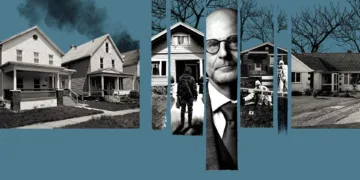











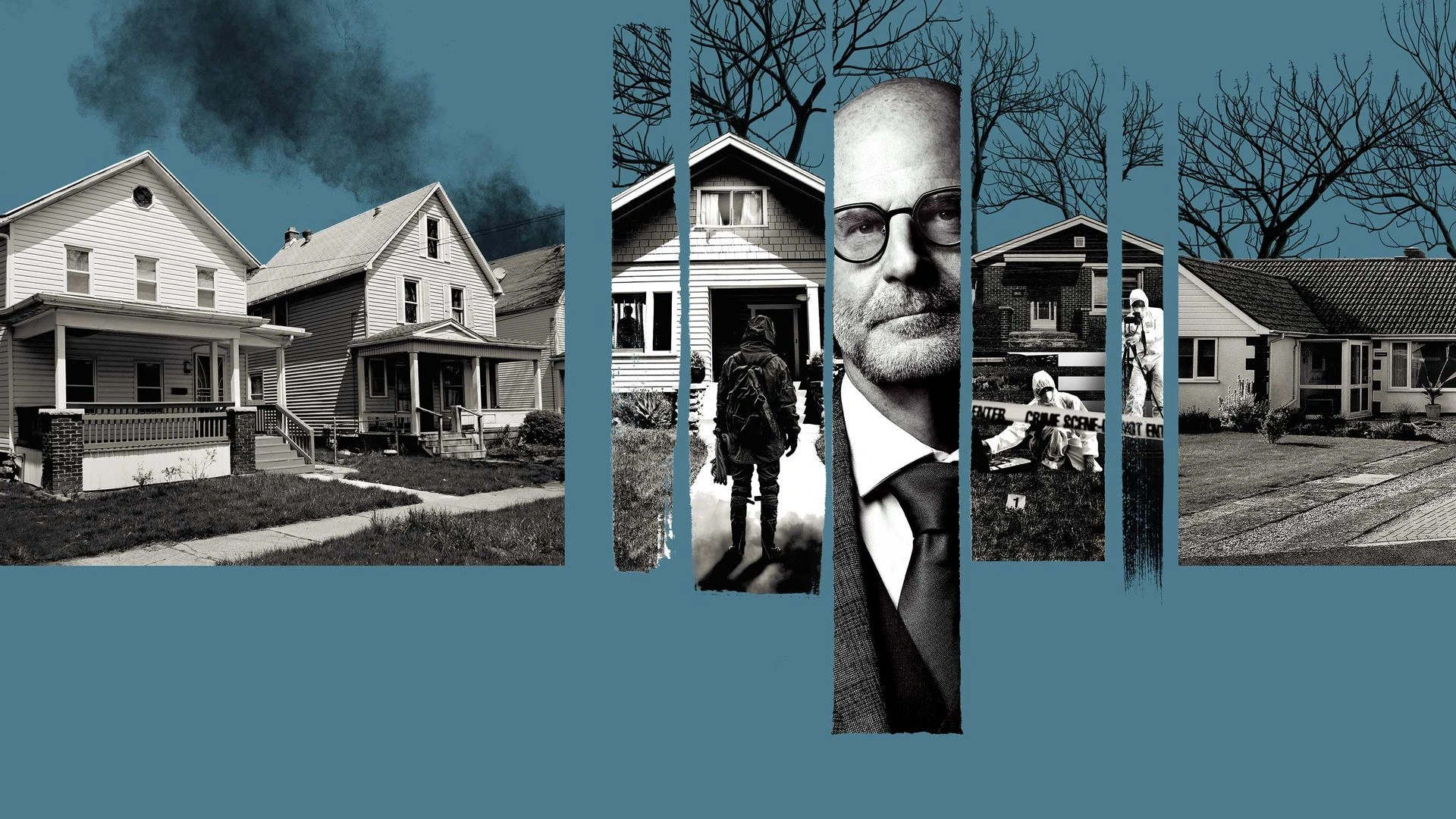

The suburban landscape sells a well-arranged fiction. We raise fences to organize private life, then act surprised when those same fences preserve the things we fear. Harlan Coben, after decades of building domestic dread on the page, shifts his attention to real pavement, real front doors, real blood.
Harlan Coben’s Final Twist is a six-episode CBS anthology that treats reality with the scalpel logic of a bestseller. Each 42-minute episode studies a real criminal case in the United States. The cases become entries in a “Narrative Archive” (my term for the grim American habit of turning grief into scheduled viewing).
The series runs on the expectation of a structural swerve. The title’s “Final Twist” proposes truth as an unfinished draft waiting for a late revelation. By choosing cases shaped like thrillers, the show creates a tone of clinical scrutiny fused with “Domestic Existentialism” (the fear that the neighborly smile conceals a stranger). Ordinary life develops teeth. The viewer becomes a proofreader of human collapse, marking the places where trust, family, and civic normalcy all suffered a fatal typo. Grim, yes. Also very CBS.
The Architect of Anxiety as Host
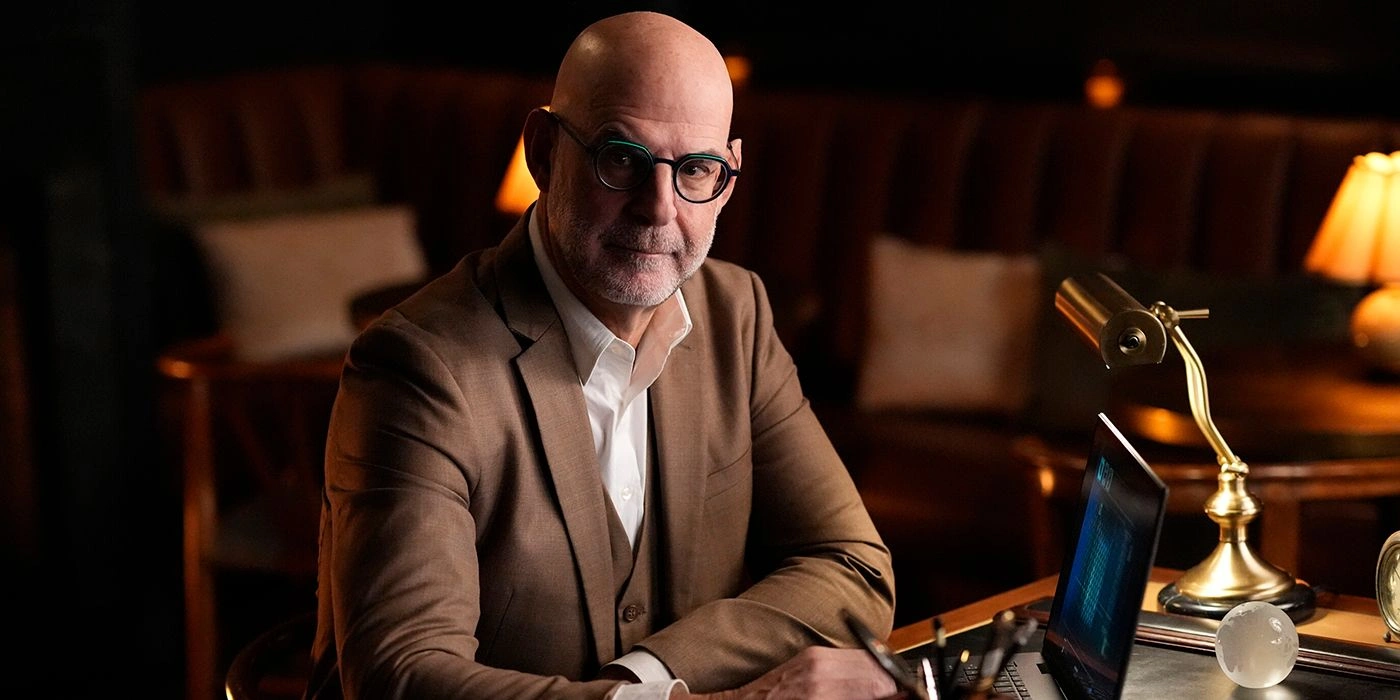
Coben works here as a “Narrative Anchor.” He is an executive producer and the primary narrator. He appears in stylized segments, moving through quiet neighborhoods or standing in filtered light. His presence supplies “Authorial Oversight.” He offers wide observations about deception and the psychology of secrecy. He avoids the suspect-facing chair. He remains outside the raw emotional pressure of the interview room. The distance feels deliberate. He curates the “Suburban Gothic.”
The show uses an “Interstitial Bridge” (my term for the brief philosophical pauses that stitch the hour together). Coben’s narration links evidence to the episode’s social and symbolic concerns. His delivery has a “Polished Stiffness.” He sounds like a man reading a manuscript while tragedy cools in the next room. That separation between host and subject becomes part of the design. He can seem like a “Ghost-Host” (a presence that haunts the crime scene while leaving the evidence untouched).
His commentary studies the “Logic of the Lie.” He examines the upkeep of secrets inside the social fabric of the American middle class. The show searches for “Plot Symmetry” inside the disorder of real police files. It casts these crimes as puzzles requiring a fiction specialist’s interpretive hand. Coben’s role becomes a bridge between the human appetite for order and the world’s rude, unhousebroken mess.
The Ghost in the Router: A Tennessee Tragedy
The premiere episode examines the 2012 murders of Billy Payne and Billie Jean Hayworth in Tennessee. They were found in their home. The killing carried a cold, mechanical efficiency. Their infant son was found alive in his mother’s arms, covered in blood and physically unharmed. The investigation stalled at first because the victims were well-liked. They appeared to have no enemies in the physical world. The answer waited in the “Digital Undergrowth.”
The case exposes an intense social media feud involving Jenelle Potter, a woman isolated by her overprotective parents, Buddy and Barbara Potter. This was “Algorithm-Assisted Homicide.” The episode’s “Final Twist” involves “Chris,” a supposed CIA operative who sent messages to Buddy Potter and Jamie Curd, Billy’s cousin. Chris claimed the couple threatened Jenelle. He granted permission for violence.
Chris was a digital phantom, a mask Jenelle used to manipulate her family into murder. The case becomes a study in “Cyber-Tribalism.” Isolation turns the computer screen into a portal for madness. The family unit collapses into a sealed loop of paranoia, a “Deception Echo-Chamber” (my term for a state where trusted voices certify lies). The tragedy lands with a hideous modern irony: the family treated the “CIA agent” as real while the human beings down the street receded into targets.
The Aesthetics of the Prime-Time Procedural
Jeff Zimbalist, the showrunner, brings a professional sheen to the production. The series follows a “Documentary-Plus” format. It relies on traditional interviews with investigators such as Special Agent Mike Hannon and Prosecutor Dennis Brooks. These figures provide the “Authorized Perspective.” They represent the institutional labor of finding truth. The show resists “Visual Sensationalism.” Its re-enactments are restrained and respectful. Actors recreate the “Temporal Gaps” in the evidence.
The visual style combines suburban imagery with tech-focused graphics. The overlays represent the “Digital Deception” defining many of the cases. The pacing suits the network viewer. It is a “Rapid-Cycle Narrative,” compressing complex legal battles and police work into a tight schedule. It provides “Synthetic Closure.” The audience receives a beginning, a middle, and a shocking end within an hour.
This format is a “Comfort-Crime” ritual (my phrase for network television’s method of making horror digestible). It offers a world where the twist always gets explained. It suggests that chaotic violence can be shaped into narrative purpose. The production is clean. It is efficient. It mirrors the suburban order that the crimes disturb. It turns the viewer into a “Post-Mortem Critic” of the American Dream.
Harlan Coben’s Final Twist premiered on January 7, 2026, on CBS. This documentary series follows the renowned mystery author as he examines real-life criminal cases with unexpected outcomes. As of May 2026, viewers can stream the episodes on Paramount+. The show has been renewed for a second season following its successful mid-season run.
Where to Watch Harlan Coben’s Final Twist Online










Full Credits
Title: Harlan Coben’s Final Twist
Distributor: CBS, Paramount+
Release date: January 7, 2026
Rating: TV-14
Running time: 42–60 minutes
Director: Jeff Zimbalist
Writers: Harlan Coben
Producers and Executive Producers: Harlan Coben, Ben Coben, Jeff Zimbalist, Stu Schreiberg, Susan Zirinsky, Terence Wrong, Jess Philipps
Cast: Harlan Coben, Mike Hannon, Dennis Brooks, Cameron Hyder, Evan Feist, Peter Luecke, Jennifer Peckham-Arundale
Director of Photography (Cinematographer): Adam Booher, Ben Fredman, Yuki Noguchi, James Peterson
Editors: Mark Imgrund, David E. Miller
The Review
Harlan Coben's Final Twist
The series functions as a 'Symmetric Simulation' of the host's fiction. It provides a polished gateway into human darkness for those who prefer their tragedy with a clear beginning and a sharp end. While the host feels like a 'Narrative Ghost' (distant and detached), the cases are chilling artifacts of digital isolation. It serves its purpose as a network procedural. It delivers comfort through a controlled dose of discomfort. For the viewer seeking the raw messiness of actual life, it feels a bit too tidy.
PROS
- The structural hook of the "Final Twist" keeps the viewer engaged throughout the episode.
- Professional network aesthetics ensure the show is accessible for a wide audience.
- The choice of cases provides a sharp look at modern "Cyber-Tribalism."
CONS
- The host maintains a distant, detached presence that limits the emotional impact.
- The formulaic procedural approach limits the depth of the analysis.
- Some observations about criminal nature feel a bit generic.