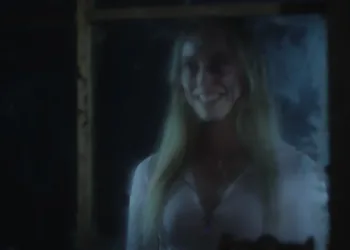


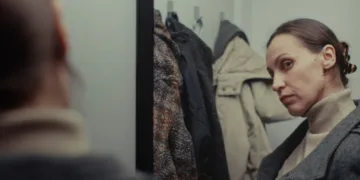




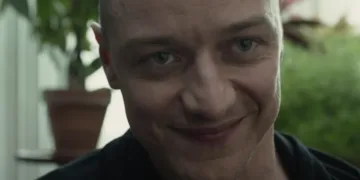





















The Florida Keys offer a humid backdrop where a story opens with crocodiles and closes with a mounting body count. Etta Tiger Jonze spends her days guiding tourists through the wetlands. This twenty-one-year-old protagonist operates under the shadow of a family business handling far more than swamp tours.
Her parents facilitate narcotics shipments for the Rojas cartel. The dynamic shifts violently when human trafficking enters the ledger. A massacre follows. Etta survives through luck and a case of mistaken identity, pivoting from guide to survivor armed with an eidetic memory.
Her twelve-person kill list sets her path forward. The show balances the sun-drenched aesthetic of Key Largo with the sharp edge of a revenge thriller. Etta manages the cold logistics of survival while hunting those who upended her world, moving the plot from quiet marshes to the high-stakes danger of urban Miami. This setup examines the weight of legacy and traces how a naive guide becomes a calculated figure in a criminal underworld.
The Logistics of Vengeance
M.I.A. grounds itself in the specific cognitive architecture of its lead. Etta’s eidetic memory functions as her primary weapon. She recalls blueprints and details with a precision that lets her outclass seasoned criminals who underestimate her youth. The show operates as a gritty fantasy rooted in the logistics of a one-woman war, emphasizing the methodical work required for vengeance: securing funds, tracking targets, sustaining effort.
The creative DNA reflects the structural complexity of a prestige crime drama while maintaining the accessibility of a pulpy thriller. Etta enters the sophisticated world of the Rojas family as a fish out of water. The narrative moves between two distinct atmospheres, the intense world of the cartel on one side, the lighter texture of her new life on the other, and these styles meet in frequent clashes.
The writing sidesteps many standard genre traps. Characters make logical choices rooted in genuine need. Hero and villains alike show an intelligence that raises the stakes. Mistakes arise from emotional volatility, and the audience sees a clear chain of events where every action triggers a reaction.
This world-building effort extends past the central plot, creating a criminal ecosystem of shifting loyalties. The story focuses on how a person of kind nature turns cold after tragedy, examining the cost of a life built on violence. Etta’s transformation follows the arc of classic spy fiction: a calculated avenger who masters her environment. The series suggests that revenge is a full-time job with terrible benefits.
Found Families and Cartel Scions
Shannon Gisela carries the series with a performance that shifts between vulnerability and resolve, making Etta’s transition feel earned. The supporting cast provides necessary grounding. Stanley and Lovely are Haitian siblings who become Etta’s closest allies.

Stanley is neurodivergent and finds peace through a specific yacht rock playlist, those songs helping him maintain composure under stress. Lovely offers necessary pushback, questioning the moral price of Etta’s mission. They represent a found family that stands apart from the biological one Etta lost.
The Rojas cartel serves as the primary opposition, their family dynamic thick with tension. Mateo, the eldest son, is petty and insecure. Samuel, the middle brother, takes a level-headed approach. Their sister Caroline manages the finances, laundering money through Miami real estate with an eye toward legitimizing the family name. Elias, a cartel fixer and outsider, brings a cold presence that makes him a formidable threat.
Secondary characters add texture. Danay Garcia plays Leah, Etta’s mother, central to several narrative twists. David Denman plays Daniel, the father whose side business starts the tragedy. Cary Elwes appears as Kincaid, a private detective with an odd personality who wears cabana shirts and a ridiculous hat while speaking with a unique accent.
Tovah Feldshuh portrays Lena, a motel owner with a significant secret who wears a bright orange wig, her presence signaling a shift toward high-energy storytelling. Mike Colter and Edward James Olmos add weight as a councilman and a patriarch. The chemistry between the core trio sustains the drama across the slower episodes.
Neon Shadows and Soft Rock
The visual presentation plays the two worlds against each other. Cinematography captures the natural light of the coast and the artificial neon of Miami. Lighting in the club scenes generates a sense of danger, while natural lighting in the Keys highlights the marina’s isolation.
Action scenes show flawless choreography. Fight sequences feel grounded, maintaining tension without resorting to unrealistic spectacle. Camera movement during suspenseful moments builds anticipation. The production looks polished and expensive.
Sound design and music carry thematic weight. The soundtrack draws on yacht rock tracks from the late seventies, with songs like “Ride Like the Wind” appearing during unexpected moments to calm Stanley and deliver a sharp jolt against the surrounding violence. This use of adult contemporary music gives the series a personality that sets it apart from other thrillers. The music choices are deliberate and integrated directly into the character work.
Production design defines social tiers with equal care. The gap between the sun-bleached motel and the sleek cartel offices reads immediately. The show captures local South Florida details, including specific food and diverse communities, building a believable setting for the story. The aesthetic choices make the point that even in the brightest sunshine, the shadows run pitch black.
The Long Game of the Queenpin
The season features a significant shift in momentum. Early episodes focus on the inciting incident. The middle portion slows to examine mission logistics as Etta builds her network with deliberate patience, generating a narrative slack that some may find taxing.
The pace favors a realistic rhythm over quick entertainment. The third act accelerates. The final three episodes raise the stakes, push the body count higher, and move the story into darker territory.
Tonal shifts occur as drama meets high-energy pulp. Some scenes tip toward the absurd. A moment involving a coffin keeps the narrative unpredictable. A late flashback episode fills in the gaps about the past. The finale lands on a cliffhanger, leaving the story open and establishing the trajectory of a rising criminal figure.
The final episodes confirm the production can deliver high-octane thrills. One question hangs in the thick Florida air: does Etta actually want justice, or has she simply become the newest predator in the swamp?
M.I.A. makes its debut tomorrow, May 7, 2026, as a nine-episode binge release on Peacock. This revenge-focused crime drama follows a woman from the Florida Keys who enters the dangerous world of the Miami narcotics trade after a family tragedy. While the series remains a streaming original, NBC will broadcast the pilot episode as a special television event on May 14. Viewers can access the full season immediately upon its release to follow the transformation of Etta Tiger Jonze from a local guide into a significant player in the South Florida criminal landscape.
Where To Watch M.I.A. Online


Full Credits
Title: M.I.A.
Distributor: Peacock, NBC, Paramount Global Content Distribution
Release date: May 7, 2026
Rating: TV-MA
Running time: 60 minutes
Director: Alethea Jones, Gwyneth Horder-Payton, Marizee Almas, Ben Semanoff, John Dahl
Writers: Bill Dubuque, Karen Campbell
Producers and Executive Producers: Bill Dubuque, Karen Campbell, Alethea Jones
Cast: Shannon Gisela, Cary Elwes, Danay Garcia, Brittany Adebumola, Dylan T. Jackson, Alberto Guerra, Maurice Compte, Gerardo Celasco, Marta Milans, Edward James Olmos, David Denman, Billy Burke, Sonia Braga, Loretta Devine, Tovah Feldshuh, Tyler Tomás Perez, Paul Ben-Victor
Director of Photography (Cinematographer): Robert Humphreys
Editors: Vikram Gokhale, Cindy Mollo
Composer: Anne Chmelewsky
The Review
M.I.A.
M.I.A. operates as a technically proficient thriller with a sharp understanding of criminal world-building. It occasionally trades its early momentum for a commitment to realism. This results in a slower mid-season stretch. However, the final episodes deliver the tension and stakes promised by the pilot. Shannon Gisela carries the series through her intelligent portrayal of Etta. The show offers enough pulpy fun to satisfy genre enthusiasts despite some tonal shifts. It establishes a strong foundation for future seasons.
PROS
- Shannon Gisela delivers a magnetic and intelligent lead performance as Etta.
- The technical direction and action choreography are polished and grounded.
- A unique soundtrack featuring yacht rock creates a memorable, dissonant atmosphere.
- Logical character motivations ensure the stakes feel earned rather than forced.
- The final episodes provide a thrilling payoff that justifies the slow-burn approach.
CONS
- Narrative pacing slows significantly during the middle of the season.
- Tonal shifts between gritty realism and pulpy absurdity can feel jarring.
- Certain supporting roles, particularly Cary Elwes as Kincaid, feel underutilized.
- A heavy focus on logistics occasionally comes at the expense of immediate entertainment.