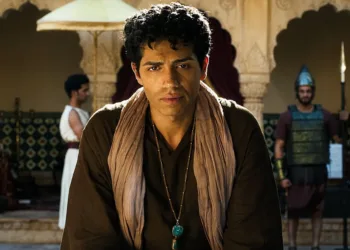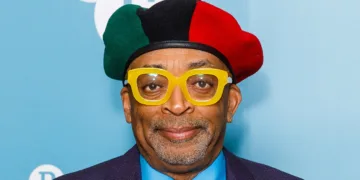

























Spike Lee stepped into the controversy surrounding the Michael Jackson biopic Michael this week, pushing back against critics who have faulted the film for sidestepping Jackson’s child sexual abuse allegations. His defense, however, glosses over a complicated backstory that goes well beyond artistic choice.
Speaking in a CNN interview, Lee — who saw the film twice and described himself as loving it — argued that critics demanding the allegations be included were misreading the film’s scope. “If you’re a movie critic, and you’re complaining about the stuff — all this other stuff — but the movie ends at ’88,” he said. “The stuff you’re talking about, accusations, happen later. So you’re critiquing the film on something that you want in, but it doesn’t work in the timeline of the film.”
Lee’s remarks carry personal weight. He and Jackson were longtime friends and collaborators; Lee directed Jackson’s 1996 music video “They Don’t Care About Us” and later helmed two documentaries about the singer’s life and career: 2012’s “Bad 25” and 2016’s “Michael Jackson’s Journey from Motown to Off the Wall.”
What Lee did not address is why the film ends where it does. Director Antoine Fuqua’s original version opened in medias res in 1993, with the first allegations as both the film’s framing device and the focus of its entire third act. Fuqua even shot a full action sequence recreating the infamous raid on Neverland Ranch. That material never made it to theaters.
Attorneys for the Jackson estate — which served as a producer — discovered a clause in the $20 million settlement with accuser Jordan Chandler that barred his depiction or mention in any film project. Jordan Chandler’s lawyer Larry Feldman, who negotiated the original settlement, confirmed the terms forbade either side from “publicizing or communicating what occurred” and said the original Fuqua version was “exactly what they couldn’t do.”
The cast reassembled for 22 days of reshoots last June, and the production’s budget climbed to an estimated $165 to $200 million. The final film concludes with Jackson performing during the Bad tour in 1988 — before any allegations surfaced publicly.
Critics have largely panned the film for smoothing over the darker chapters of Jackson’s life, though audience response has been enthusiastic. Michael opened to $97.5 million domestically and has since reached $183.8 million in North America and $423 million globally across two weekends.
The film faces additional off-screen turbulence. Actress Nia Long, who plays Katherine Jackson, is reportedly threatening to take Lionsgate to mediation after learning that co-stars Colman Domingo and Miles Teller were paid more than she was — a disparity compounded by the reshoots, which significantly reduced her original role.