

























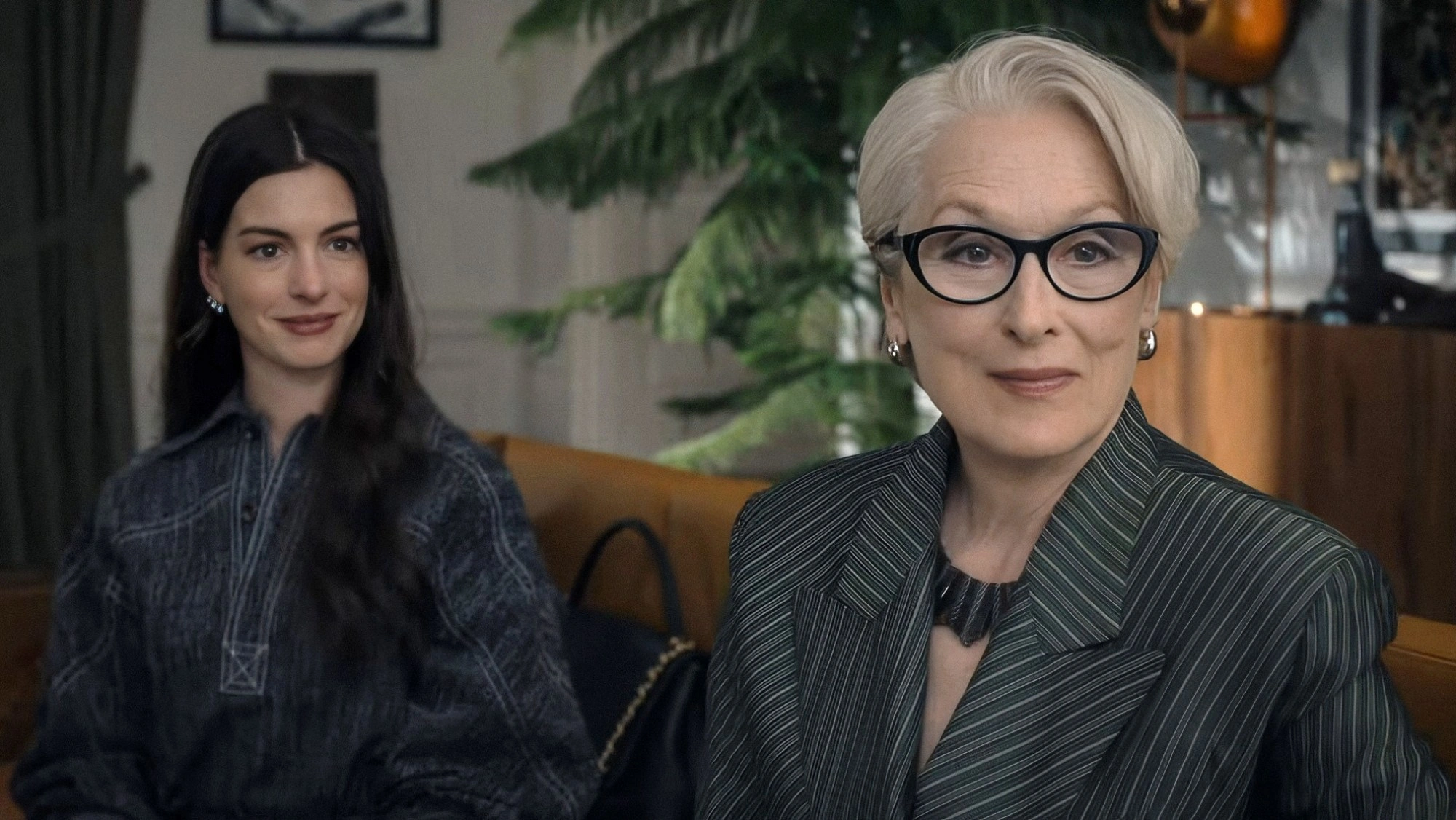

Twenty years after Miranda Priestly first sneered her way into cinema history, The Devil Wears Prada 2 arrived in theaters this weekend and delivered a result the industry will be discussing for months. The 20th Century Studios/Disney sequel grossed $77 million domestically and $233.6 million worldwide in its opening frame — the second-best global launch of 2026 for any Hollywood title, and the first time a female-led property has kicked off the summer box office season in the modern era.
The $77 million domestic debut towers above the original 2006 film’s $27.5 million opening weekend. Friday’s single-day haul of $32.5 million — which included $10 million in Thursday previews alone — already exceeded the first film’s entire opening weekend, not adjusted for inflation.
The sequel reunites Meryl Streep, Anne Hathaway, Emily Blunt and Stanley Tucci in their original roles, with the story picking up two decades later as Hathaway’s Andy Sachs returns to Runway magazine as features editor while Blunt’s Emily Charlton, now a senior Dior executive, becomes a rival competing for advertising dollars in a shrinking print media landscape. Director David Frankel and screenwriter Aline Brosh McKenna both returned from the original.
Italy, where much of the sequel is set, was the top international market with a $16.6 million opening, followed by Brazil at $12.6 million, the United Kingdom at $12 million and Mexico at $11.7 million.
The film is a vital reminder of the buying power of women at the box office, a fact Hollywood executives are quick to forget. Audiences skewed 76% female with 58% over the age of 35, and the film earned an A- CinemaScore — higher than the original’s B — alongside a 77% critics score and 87% audience score on Rotten Tomatoes.
The strongest demographic on opening day was the 25-to-34 age group, a mix of Gen Zers and younger millennials who inherited the original as a cultural touchstone. Social media analytics firm RelishMix tracked over half a billion engagements pre-release, with audience sentiment treating the sequel as a cultural reunion rather than a cash grab, drawing comparisons to Top Gun: Maverick in terms of long-gestating follow-ups that actually deliver.
The film needs roughly $535 million globally to surpass the inflation-adjusted theatrical run of the original, which earned $326.5 million before adjustment. At its current pace, that threshold looks very reachable. Premium large-format screens are already driving a third of domestic revenue, and the film’s legs look strong — its release calendar faces no direct competition for the female audience until late in the summer.