
























![Kingdom Hearts Collection [I-III] Review](https://gazettely.com/wp-content/uploads/2026/10/Kingdom-Hearts-Collection-I-III-1-360x180.webp "Kingdom Hearts Collection [I-III] Review: KHII Holds Steady as Newer Entries Fluctuate 37")



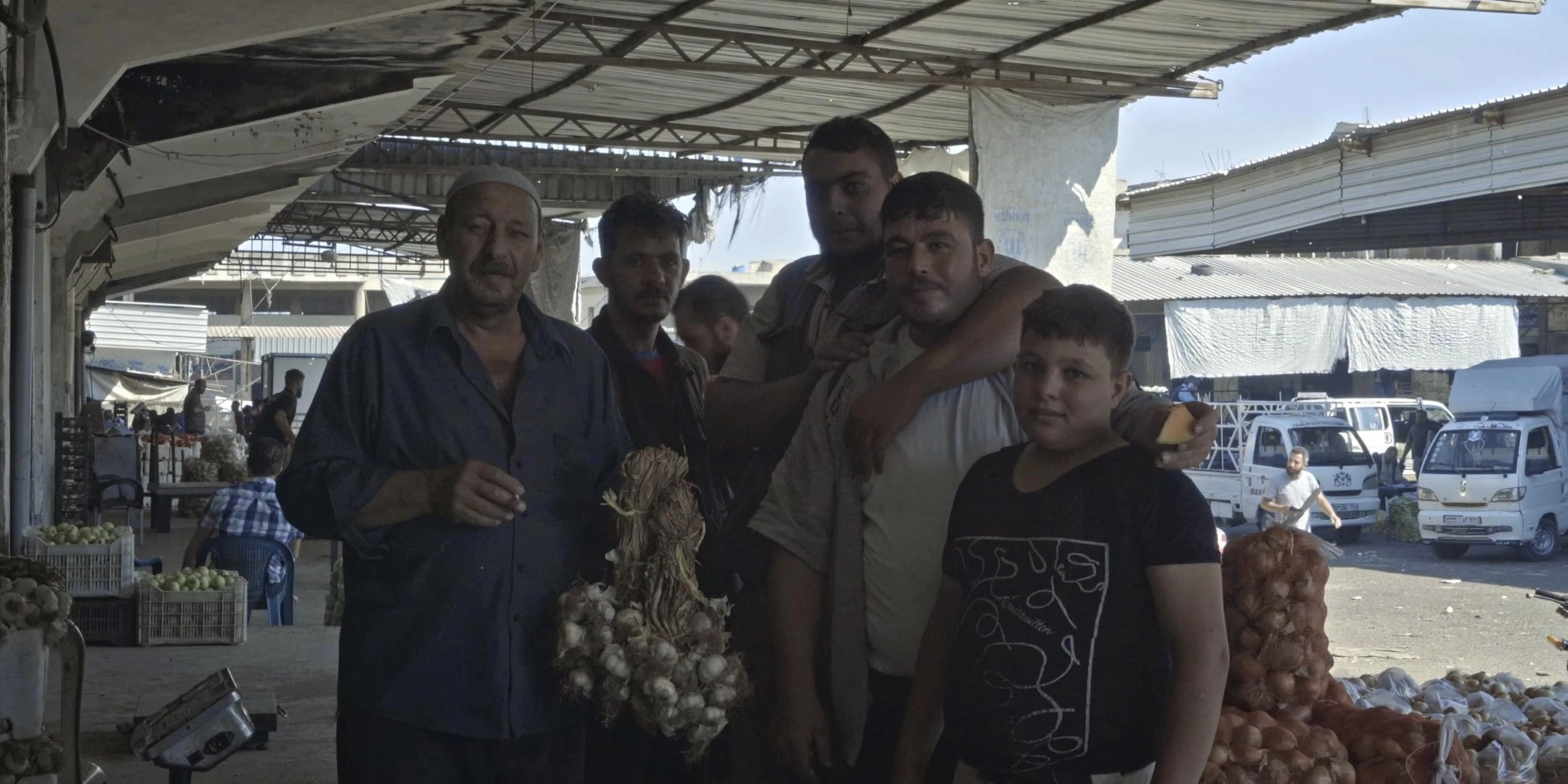

My Memory Is Full of Ghosts looks at Homs through the kind of silence that follows catastrophe, when the world has moved its attention elsewhere and the people left behind must keep living inside the damage. Directed by Palestinian-born, Syria-based filmmaker Anas Zawahri, the documentary returns to Syria’s third-largest city after the siege and civil war violence that scarred it between 2011 and 2014. Filmed in 2023, the film is set in a period where the shooting has stopped, yet peace feels too fragile to trust.
Zawahri does not approach Homs through dates, diagrams, or political exposition. He studies what remains: bombed buildings, shattered streets, reopened shops, sparse cafes, and residents who carry the city in memory while standing inside its wreckage.
Homs becomes a place caught between survival and haunting, where daily routines continue because life has a stubborn instinct for motion. The film is patient, sorrowful, and deeply human, shaped by unfinished grief and the painful loyalty people feel toward a home that has become almost unbearable to inhabit.
Stillness as Witness
Zawahri’s method is simple on the surface, yet emotionally precise. The film relies on long, measured shots of ruined buildings, empty streets, damaged interiors, workshops, cafes, alleys, and half-functioning public spaces. The camera rarely pushes for drama. It watches.
That choice gives the viewer time to sit with the physical scale of destruction, almost like moving through an open-world environment after the central quest has ended and only environmental storytelling remains. Every wall has history written across it. Every collapsed facade feels like a save file corrupted by violence.
That connection between space and memory gives the documentary its power. In games, a ruined city often becomes a playground for exploration or combat. Here, ruins have no fantasy attached to them. Bullet holes, skeletal buildings, drained canals, and broken rooms operate as evidence. They show how war changes the function of a city, turning homes into markers of absence and public streets into reminders of fear.
The voices are mostly heard off-camera, which creates a spectral bond between testimony and place. Residents do not sit for conventional talking-head interviews. Their words drift over images of shops, streets, rubble, and people trying to resume ordinary life. At times, groups pose as if for still photographs, looking into the lens or sharing brief moments of banter. Those small pauses feel valuable because the film is otherwise so heavy with sorrow.
The ambient sound matters as much as the images. Street noise, silence, and songs of lamentation carry the emotional load without pushing the viewer toward a prepackaged response. The static rhythm may challenge viewers used to faster documentary pacing, but that slowness allows each voice to remain in the air long enough to hurt.
Fear, Loss, and Disorientation
The film’s emotional structure comes from multiple testimonies rather than a single central figure. Men and women of different ages speak about Homs as a shared wound, each voice adding another fragment to a communal portrait. Zawahri builds the film like a memory system under strain, where no single account can contain the damage, so the documentary gathers fragments and lets them sit beside one another.
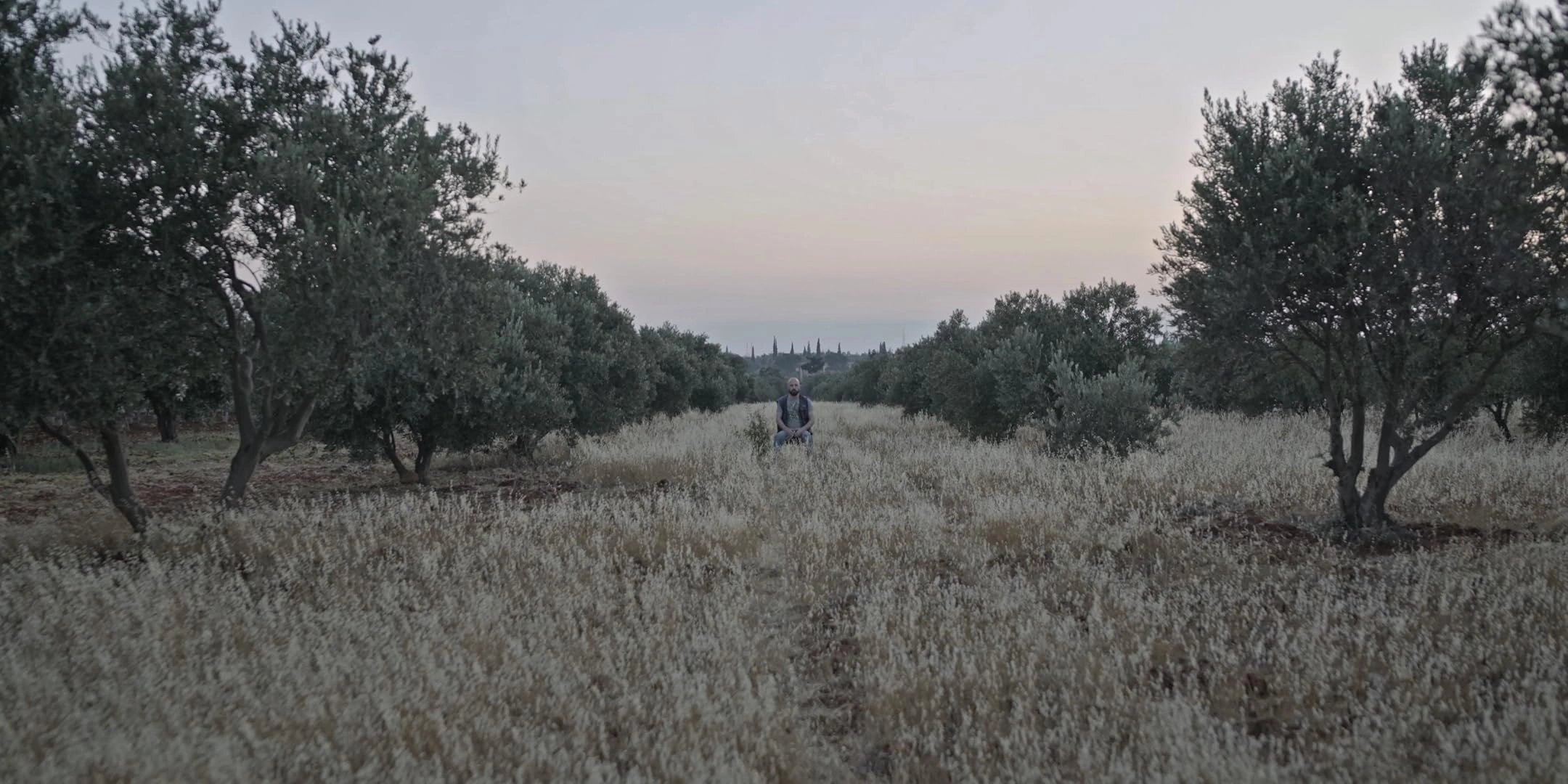
One woman says fear is the feeling she has failed to handle, while sadness and rage have been easier to manage. That line captures the film’s understanding of trauma. Fear is active. It keeps returning. Another resident remembers Homs as a city of laughter, a place now marked by agony and grief. The distance between those two versions of the city gives the film its ache.
A blind man offers one of the documentary’s sharpest and saddest perspectives. Returning to Homs, he understands the destruction through the reactions of sighted people around him. His blindness protects him from seeing the city’s devastation directly, a bitter irony that Zawahri lets stand without forcing commentary around it.
The stories of personal loss are devastating in their plainness. One man speaks of a brother who died in detention. A woman grieves children. Another recalls her mother being killed after people came to the door demanding money. Elias, a former soldier, describes a military experience that cost him his health, his relationship, and his will to live after witnessing a comrade bleed before him.
What emerges is a portrait of survival as its own burden. Some people return to protect property. Others come back to find parents or reconnect with the idea of home. Some speak of trauma that has become physical, including breathing problems tied to psychological strain. Others wander, wait, or dream of leaving. Homs is loved deeply, yet it often feels like a prison built from memory.
Life Among the Ruins
For all its grief, My Memory Is Full of Ghosts does not flatten Homs into a single image of ruin. Zawahri pays attention to small acts of endurance: shops reopening, mechanics working, people sitting outside cafes, neighbors forming new bonds, and residents finding comfort in basic mercies. A peaceful night’s sleep. A day without bad news. A friend still alive.
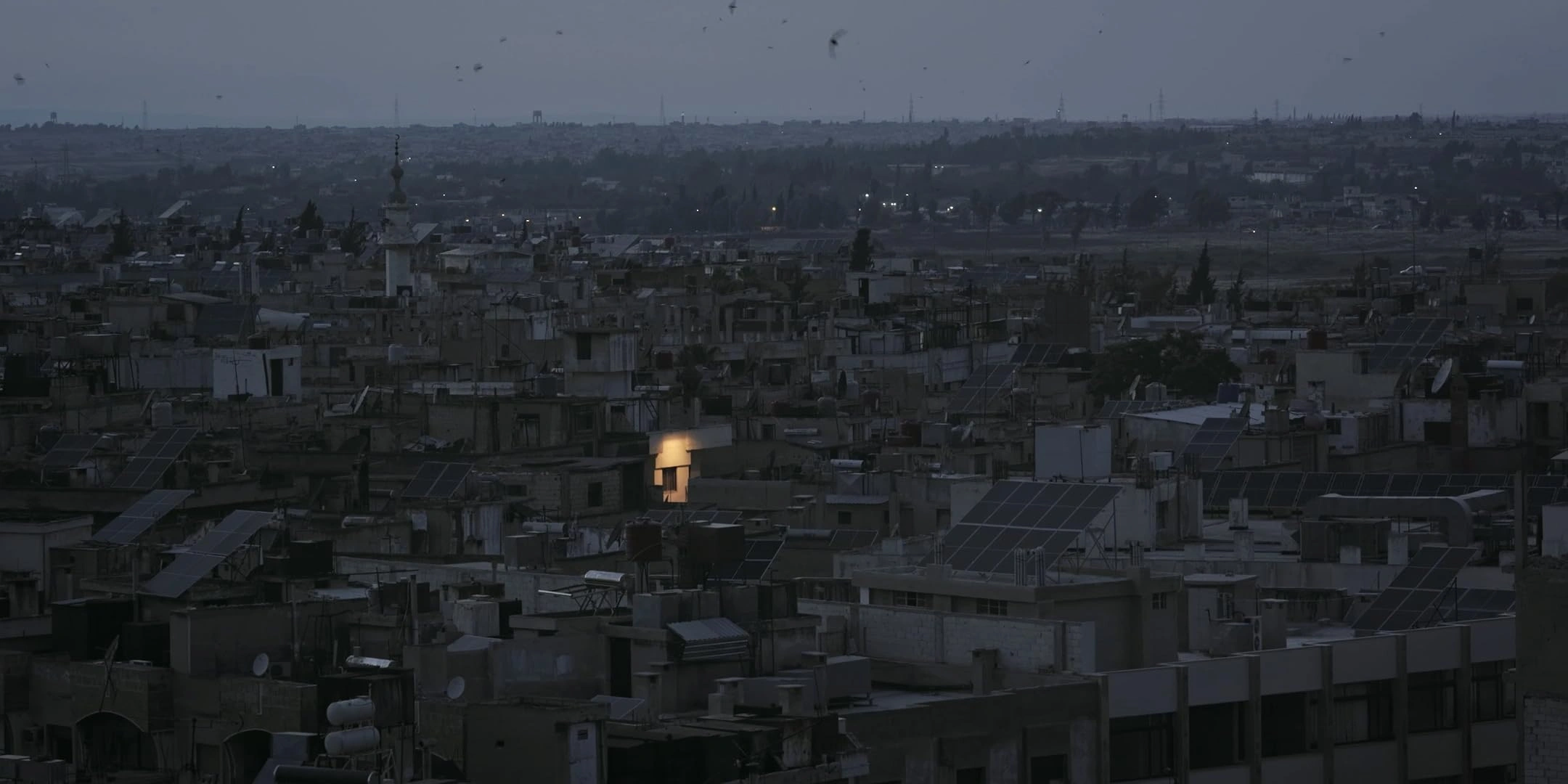
Those details matter because they resist easy despair. The film never pretends that resilience repairs what has been broken, yet it shows how people keep assembling a life from whatever remains. There is a quiet design logic to this, almost like a survival game stripped of genre pleasure. The mechanics are food, shelter, memory, conversation, work, and waiting. The reward is rarely triumph. Sometimes it is simply another day endured.
Children and adolescents give the film its most painful flickers of life. Some play football among ruined buildings. Others work with the seriousness of adults, their childhood bent out of shape by the city’s condition. A young boy repairs a delicate chandelier outside a shop, an image so fragile it almost feels scripted, yet it lands because Zawahri’s camera has been patient enough to earn it. The chandelier suggests care, craft, and continuity in a place where beauty has to survive beside rubble.
The central tension remains unresolved: the residents love Homs, but many can no longer imagine staying. Streets, houses, alleys, and memories pull them back, while fear, poverty, theft, grief, and lack of prospects push them away. The film’s final movement along an avenue bordered by destroyed buildings leaves that conflict open. Time moves forward. Homs does too, but slowly, heavily, with ghosts walking beside the living.
My Memory Is Full of Ghosts is an evocative independent Syrian documentary film that made its initial debut at the Visions du Réel film festival in April 2024 and is scheduled to be released for online streaming via the subscription service True Story on June 12, 2026. Set in the battle-scarred landscape of Homs, the film observes the city’s lingering collective trauma through static shots of ruins intercut with the deeply intimate, heart-wrenching spoken memories of the survivors who chose to remain. Audiences interested in viewing this visual elegy can stream it directly on the True Story film platform upon its upcoming digital release.
Full Credits
Title: My Memory Is Full of Ghosts
Distributor: Wind Cinema, Harmony Cultural Forum, True Story
Release date: April 16, 2024 (Visions du Réel Premiere), June 12, 2026 (True Story digital platform release)
Rating: 12
Running time: 74 minutes
Director: Anas Zawahri
Writers: Anas Zawahri
Producers and Executive Producers: Kamel Awad, Anas Zawahri, Ahmad Alhaj
Director of Photography (Cinematographer): Hamzeh Ballouk, Nawwar Alboukai
Editors: Ali Kazwini
Composer: Kinda Hassan (Sound Editor / Soundscape Designer), Mehyar Shamma (Sound Recordist)
The Review
My Memory Is Full of Ghosts
My Memory Is Full of Ghosts is a patient, aching documentary that turns Homs into a living archive of grief, endurance, and fractured belonging. Anas Zawahri’s restrained style may test viewers who prefer sharper pacing, but its stillness gives each testimony room to breathe. The film is painful, humane, and quietly devastating in how it captures survival after the world has stopped watching.
PROS
- Haunting use of static imagery and ruined urban spaces
- Powerful off-camera testimonies
- Sensitive focus on grief, memory, and survival
- Strong ambient sound design
- Moving attention to children and daily life amid destruction
CONS
- Slow pacing may challenge casual viewers
- Limited historical framing may leave some viewers wanting fuller political context
- Repetition in visual style can feel severe across the runtime







