

























![Kingdom Hearts Collection [I-III] Review](https://gazettely.com/wp-content/uploads/2026/10/Kingdom-Hearts-Collection-I-III-1-360x180.webp "Kingdom Hearts Collection [I-III] Review: KHII Holds Steady as Newer Entries Fluctuate 37")



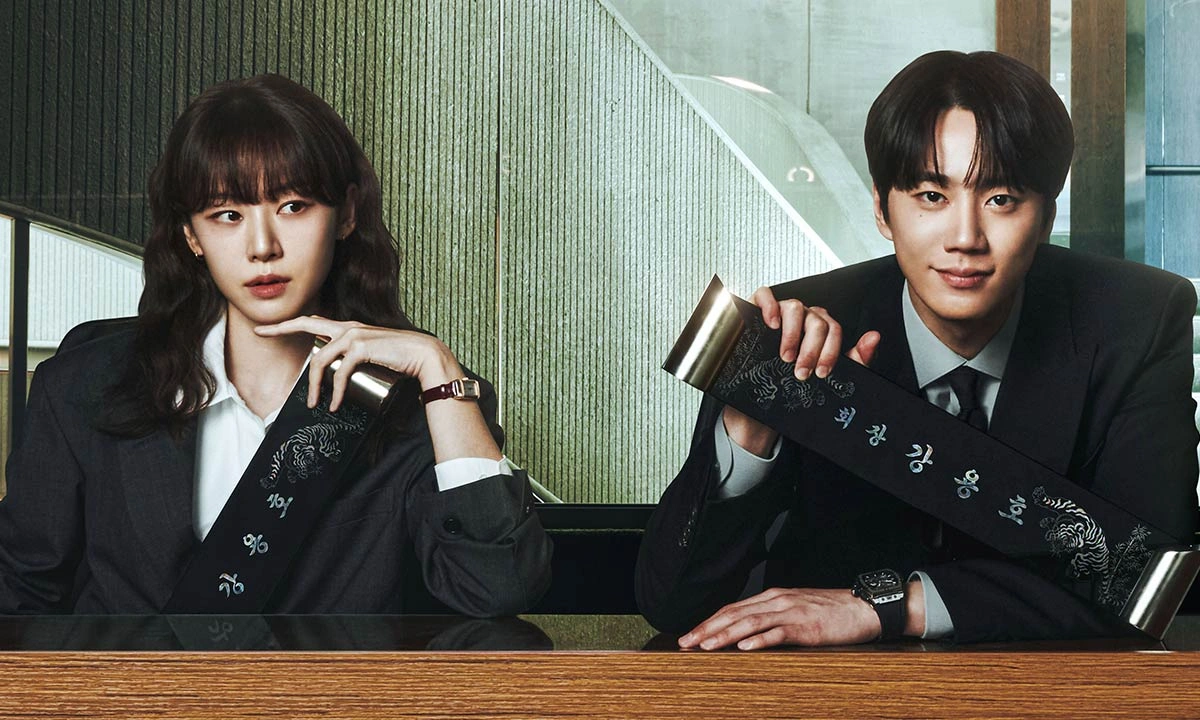

Reborn Rookie arrives with the kind of premise Korean television can turn into either sharp social satire or glorious melodramatic chaos: a ruthless chaebol chairman, a ruined young athlete, a family succession war, and one conveniently bizarre accident that scrambles power from the inside out.
JTBC’s series centers on Kang Yong-ho, the chairman of Choiseong Group, a man who treats business reputation like oxygen and human emotion like an accounting error. His decision to retire sets off an immediate inheritance fight between his twin children, Kang Jae-gyeong and Kang Jae-seong, two heirs whose greed appears matched only by their astonishing lack of subtlety.
The moral engine of the story is Hwang Jun-hyeon, a young footballer newly signed to FC Choiseong. His dream carries the weight of class mobility, family duty, and survival, especially through his bond with his grandmother, Ok-sun. After Jae-seong runs him over while driving Yong-ho’s car, Jun-hyeon loses the future he was building.
The twins erase evidence, Yong-ho protects the company, and justice becomes another item to bury under corporate damage control. Then the show twists its knife: Yong-ho wakes up in Jun-hyeon’s body, trapped inside the life his empire helped destroy.
Fast Storytelling With a Tonal Identity Crisis
The first stretch of Reborn Rookie wastes very little time. The chairman’s retirement plan, the twins’ rivalry, hidden slush funds, Jun-hyeon’s football career, the hit-and-run, the cover-up, and the body swap all arrive with brisk efficiency. In the current streaming era, where audiences abandon slow pilots faster than executives abandon ethics in chaebol dramas, that pace feels strategic. The show knows that its hook has to land early, and it gets there without burying viewers in exposition.
That speed gives the series a lively rhythm. It also exposes the show’s biggest challenge: tone. Reborn Rookie wants the weight of a corporate crime drama, the emotional pull of an underdog story, the absurdity of body-swap comedy, and the revenge charge of a succession thriller. Those ingredients can work together, and Korean drama has a strong record of turning wild tonal shifts into popular storytelling. Here, the balance is still finding its feet.
Jun-hyeon’s injury should feel devastating, and for moments it does. His career is gone, his debt grows, and his grandmother’s care hangs over every choice. Then the series pivots into exaggerated comic beats, especially once Yong-ho realizes he is trapped in a younger body.
The staircase collision that triggers the swap leans so heavily into goofy sound cues and broad physical reaction that the darker setup briefly loses force. It is hard to treat a covered-up hit-and-run as a social indictment when the next beat nearly winks at the camera.
Still, the unevenness has its own strange appeal. The series has the restless energy of television designed for crowded digital attention spans. It moves like it knows viewers have seen countless chaebol stories before, so it throws body horror, boardroom betrayal, slapstick, and revenge into the same pot. Some of that mixture splashes over the stove, but at least the kitchen is alive.
A Chairman, a Rookie, and the Class Divide Between Them
Kang Yong-ho is the series’ strongest creation so far because he is neither noble victim nor simple villain. He understands people, but mainly as assets, threats, or liabilities. His anger at his children is revealing. He is not horrified that they left a young man broken in the street. He is furious that they handled the scandal badly. That detail gives Reborn Rookie its sharpest social bite. In Yong-ho’s world, morality matters after public relations fails.
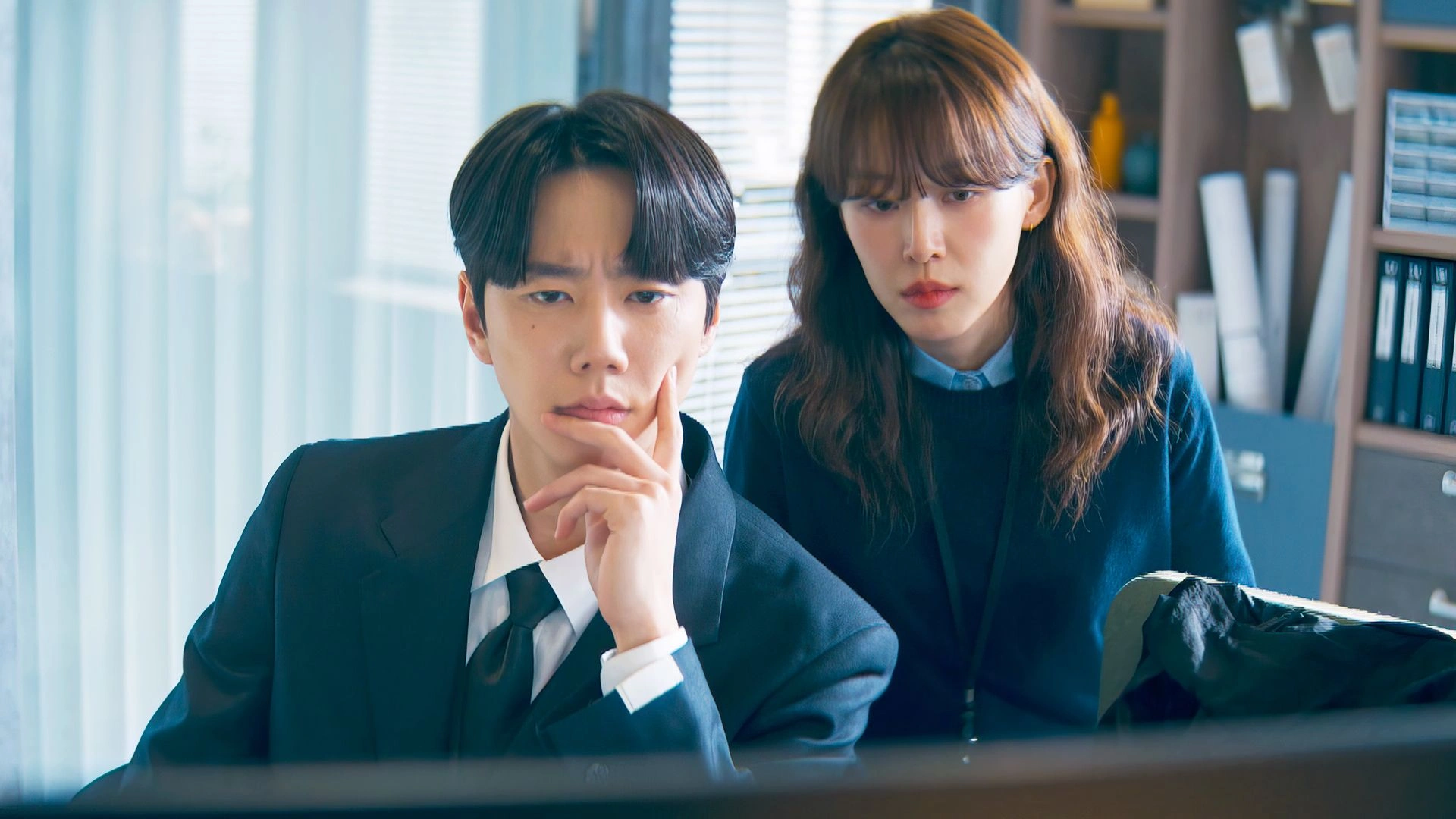
His body swap with Jun-hyeon carries obvious comic potential, especially since Yong-ho must now operate without the visible symbols that once protected him: age, title, wealth, staff, and institutional fear. The show turns identity into a class experiment. What happens when a man who commanded rooms with a glance has to speak from a body no one respects? What happens when corporate power loses its costume?
Jun-hyeon gives the drama its emotional access point. He begins as a familiar figure, the hardworking young athlete carrying family hopes. That familiarity is not a weakness. His story reflects a recognizable social reality: talent can be crushed in seconds by the careless behavior of the insulated rich. His bond with Ok-sun adds tenderness without needing sentimental excess. The nursing home calls, the dementia, the football jersey, and his need to provide for her help ground the fantasy in ordinary economic anxiety.
Jae-gyeong and Jae-seong function as heirs shaped by entitlement, rivalry, and inherited rot. They are comic in their incompetence, frightening in their access. Their ability to erase evidence makes them dangerous, while their panic around Yong-ho exposes how thin their authority really is. Bang-geul, secretly working in South Korea as an intern, may become the show’s most important wild card. Her presence opens questions about gender, legitimacy, inheritance, and how families in elite systems turn affection into strategy.
Social Satire Hiding Inside a Chaebol Fantasy
The best version of Reborn Rookie is a satire about accountability in a world where wealth can rewrite evidence, silence victims, and convert injury into a blank cheque. The series places class power in a body-swap frame, which gives it a playful surface while pointing toward something much harsher. Yong-ho’s punishment is not prison or public disgrace, at least not yet. His punishment is perspective. He has to live inside the damaged body of a man whose value he tried to calculate in cash.
That idea gives the show cultural relevance. Contemporary Korean dramas have returned again and again to corporate families, inherited privilege, and the moral emptiness of elite succession. Reborn Rookie fits that trend, but its fantasy device lets it literalize a social demand: the powerful should feel the consequences they outsource to others. It is a blunt device, yet bluntness can be useful in a genre built on boardroom cruelty and family betrayal.
The series also needs care. Any future romantic implication involving Bang-geul and Yong-ho’s new body would risk turning an already messy premise into a credibility crisis. The show has enough material in revenge, corporate schemes, class resentment, and family politics. It does not need shock value dressed up as emotional complexity. Television has made many questionable decisions in pursuit of online conversation, and viewers have developed a strong radar for manufactured discomfort.
At its strongest, Reborn Rookie suggests a drama about a man forced to confront the human cost of the empire he built. Its early episodes are fast, uneven, funny, sometimes clumsy, and often watchable. The social critique is sitting right there under the body-swap comedy, waiting for the series to decide how sharply it wants to cut.
Reborn Rookie is a 2026 South Korean television series that premiered on JTBC on May 30, 2026. The series airs on weekends and follows Kang Yong-ho, the powerful chairman of Choiseong Group, who swaps souls with young footballer Hwang Jun-hyeon after a strange accident. The drama mixes corporate succession conflict, body-swap fantasy, revenge, and mystery, with Lee Jun-young and Son Hyun-joo leading the cast. Viewers can watch the series on JTBC in South Korea, with streaming availability through Rakuten Viki and Viu in selected regions.
Where to Watch Reborn Rookie Online

Full Credits
- Title: Reborn Rookie
- Distributor: JTBC, Rakuten Viki, Viu
- Release date: May 30, 2026
- Rating: 16
- Running time: Approximately 70 minutes per episode
- Director: Go Hye-jin
- Writers: Hyun Ji-min, San Kyeong
- Producers and Executive Producers: Kim Soon-ok, SLL, Copus Korea, JTBC Studios
- Cast: Lee Jun-young, Son Hyun-joo, Lee Ju-myoung, Jeon Hye-jin, Jin Goo, Yun Yoo-sun, Lee Sung-wook, Kim Jong-tae, Kwon Hae-sung, Jung Jae-sung, Lee Seo-an, Byun Jung-hee
- Director of Photography (Cinematographer): Song Yo-hun
- Genres: Drama, Fantasy, Mystery
The Review
Reborn Rookie
Reborn Rookie is a brisk, messy, and entertaining chaebol body-swap drama with enough class satire to give its absurd premise some bite. Its strongest material comes from the clash between corporate privilege and ordinary survival, especially once Yong-ho is forced into the life his family helped ruin. The tone can wobble, with broad comedy sitting beside injury, corruption, and betrayal, yet the show has energy, sharp family conflict, and a hook worth following.
PROS
- Fast-paced setup that avoids unnecessary delay
- Strong chaebol succession conflict
- Entertaining body-swap premise
- Sharp class and corporate power themes
- Yong-ho is a morally layered central figure
- Jun-hyeon gives the story emotional weight
- The twins make effective chaotic antagonists
CONS
- Tonal shifts can feel awkward
- Comedy sometimes undercuts darker material
- Jun-hyeon needs deeper development early on
- Some fantasy beats feel visually clumsy
- Potential Bang-geul dynamic needs careful handling







